da48fa99e730

Unusual Attitudes and Recoveries with Analog Instruments

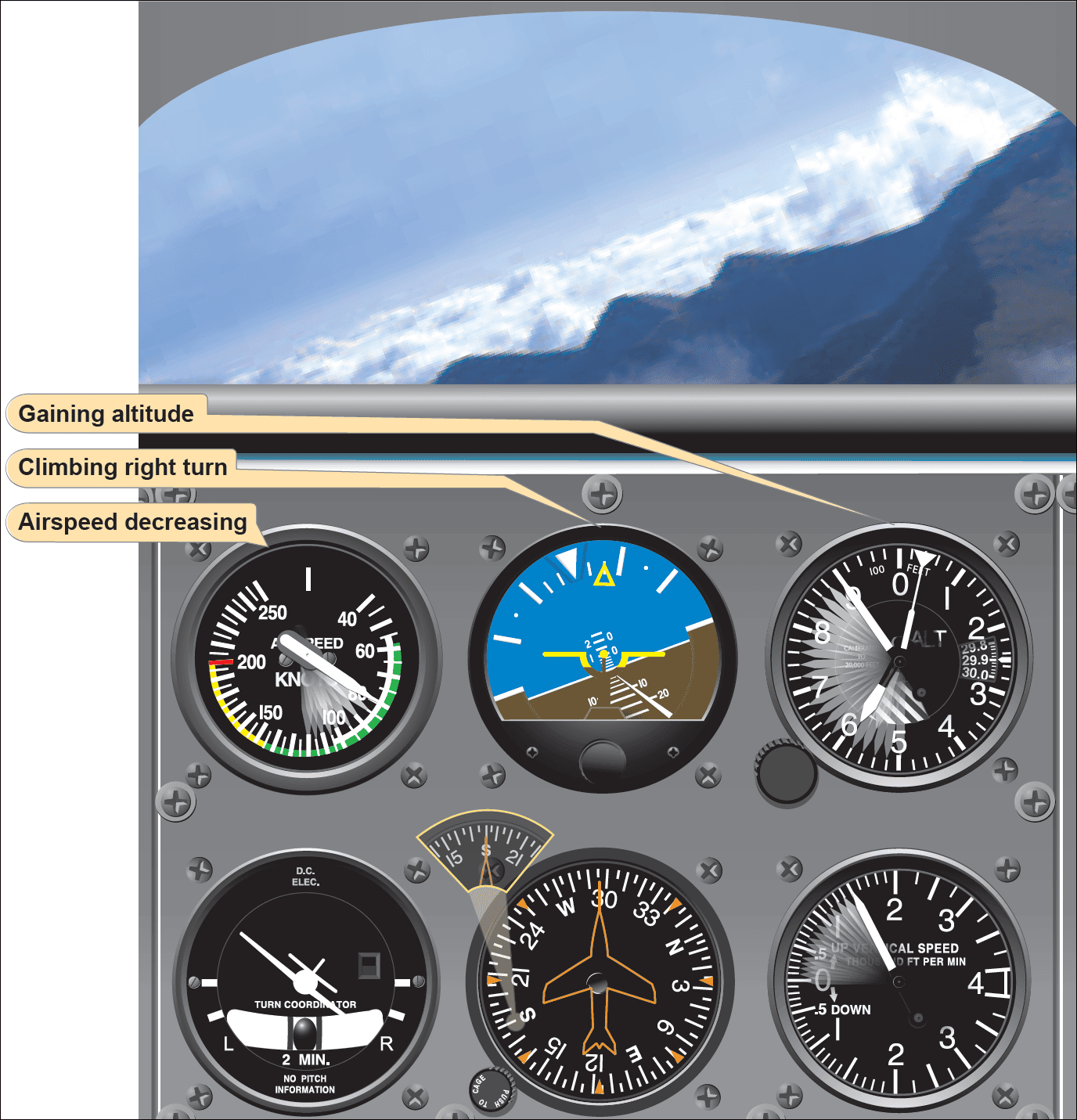
An unusual attitude is an airplane attitude not normally required for instrument flight. Unusual attitudes may result from a number of conditions, such as turbulence, disorientation, instrument failure, confusion, preoccupation with flight deck duties, carelessness in cross-checking, errors in instrument interpretation, or lack of proficiency in aircraft control. Since unusual attitudes are not intentional maneuvers … Read more
Aircraft Approach to Stall with Analog Instruments

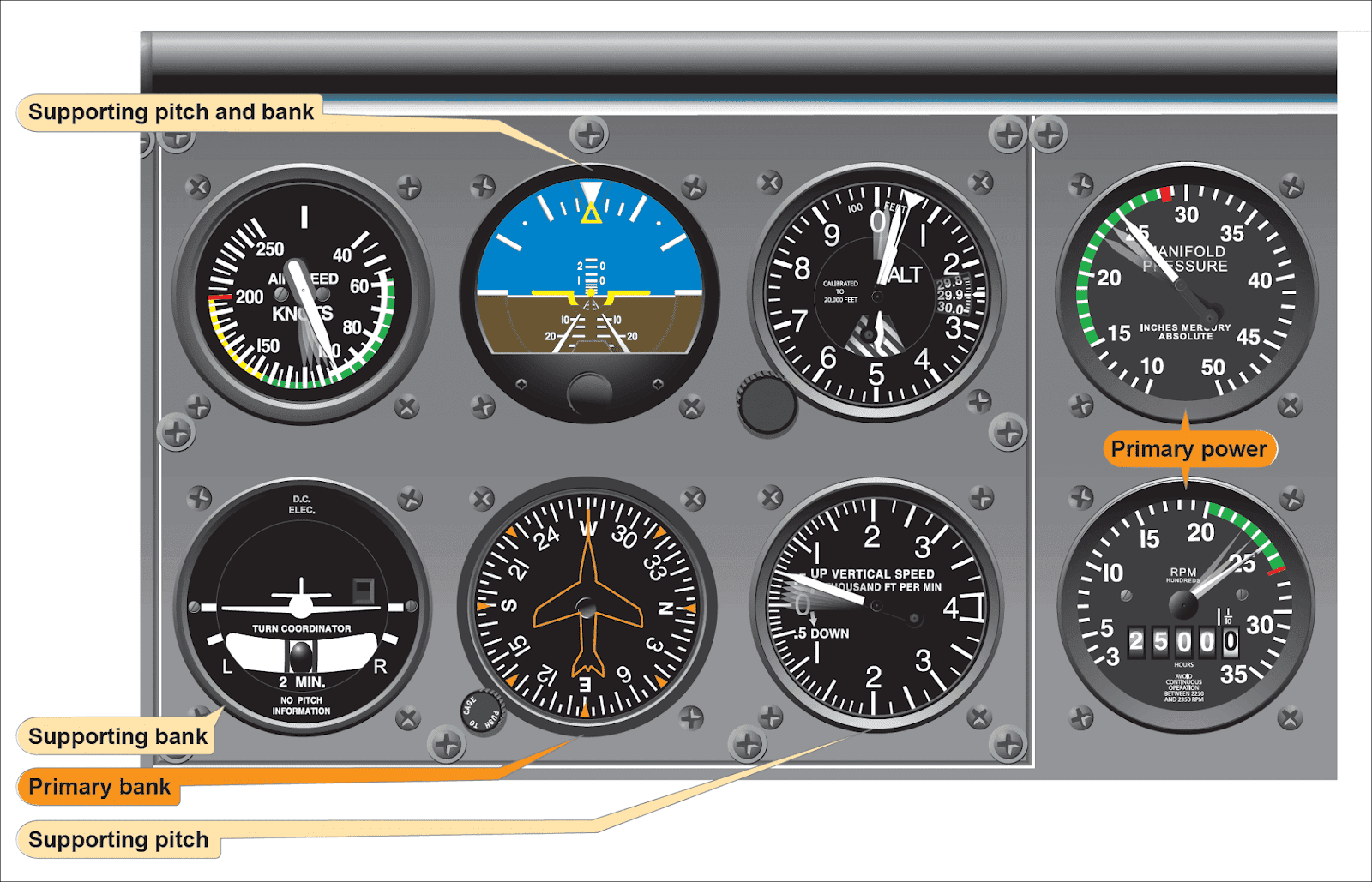
Practicing approach to stall recoveries in various airplane configurations should build confidence in a pilot’s ability to control the airplane in unexpected situations. Approach to stall should be practiced from straight flight and from shallow banks. The objective is to practice recognition and recovery from the approach to a stall. Prior to stall recovery practice, … Read more

963ecc139540

Aircraft Turns with Analog Instruments

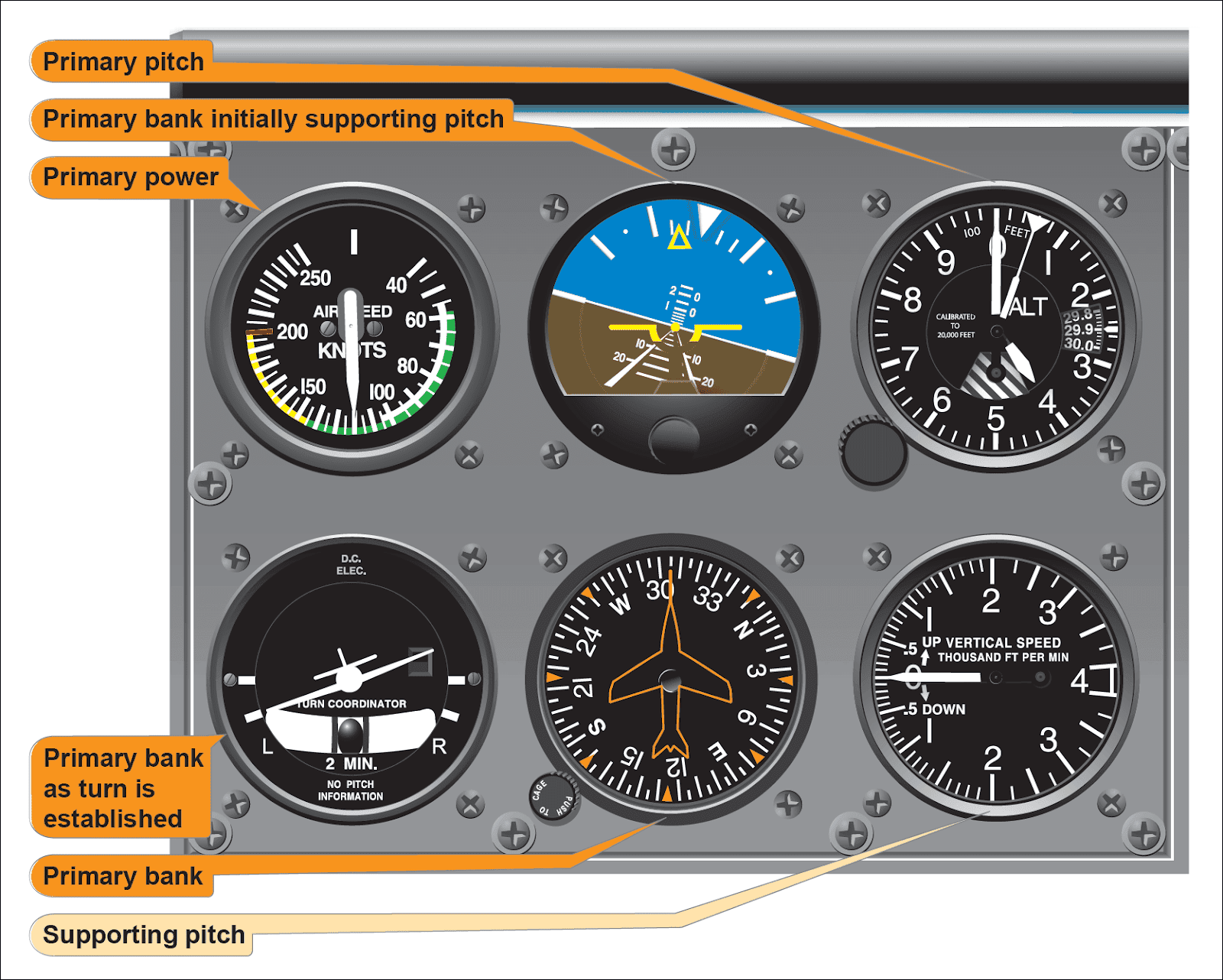
Standard Rate Turns A standard rate turn is one in which the pilot will do a complete 360° circle in 2 minutes or 3 degrees per second. A standard rate turn, although always 3 degrees per second, requires higher angles of bank as airspeed increases. To enter a standard rate level turn, apply coordinated aileron … Read more

20

Attitude Instrument Flying Fundamental Skills

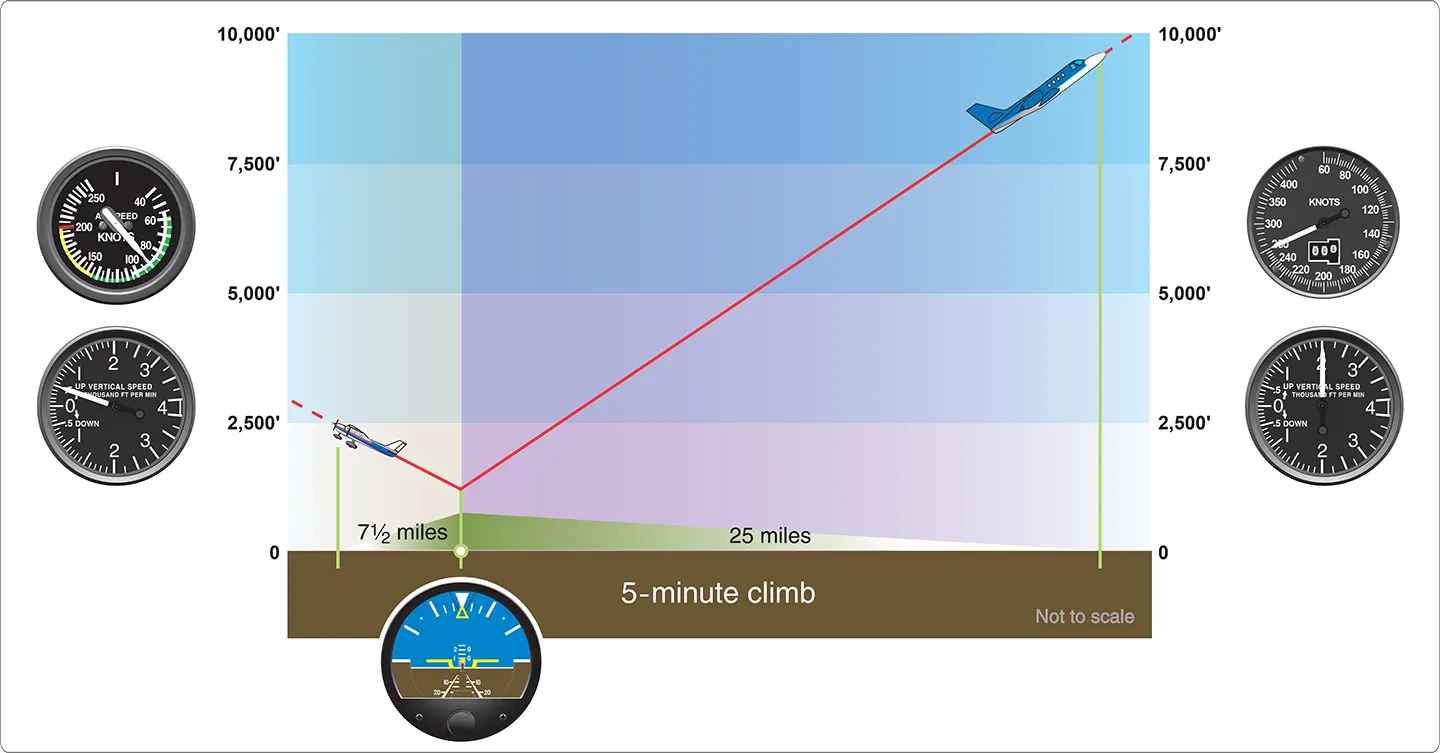
During attitude instrument training, two fundamental flight skills must be developed. They are instrument cross-check and instrument interpretation, both resulting in positive aircraft control. Although these skills are learned separately and in deliberate sequence, a measure of proficiency in precision flying is the ability to integrate these skills into unified, smooth, positive control responses to … Read more

5 1 1

Flight Instruments for IFR Operations

Aircraft became a practical means of transportation when accurate flight instruments freed the pilot from the necessity of maintaining visual contact with the ground. These instruments are crucial to conducting safe operations, and a solid understanding of their inner workings is essential for every pilot. Beyond the basic VFR requirements (airspeed indicator, altimeter, and magnetic … Read more

45

Primary Flight Display and Glass Cockpit

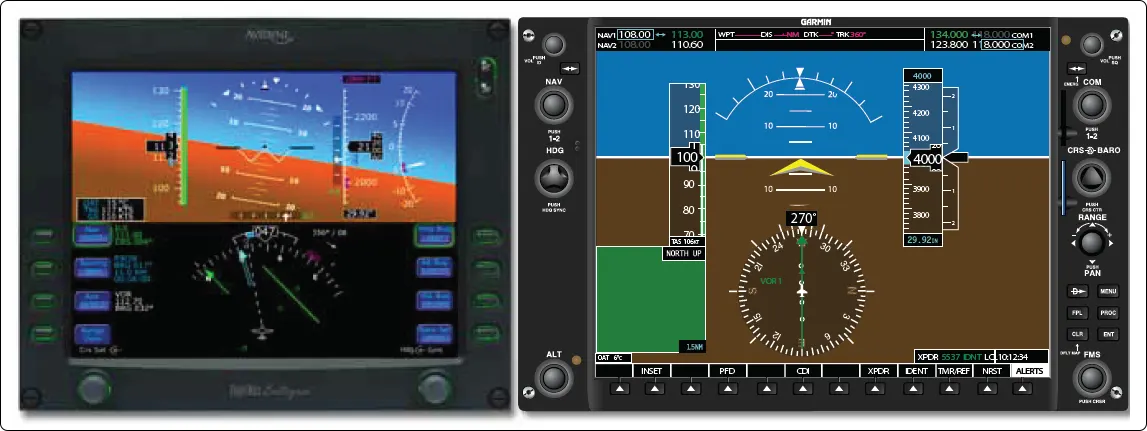
Modern aviation has rapidly transitioned from traditional analog instruments to highly advanced glass cockpit systems that significantly enhance pilot situational awareness and flight safety. At the center of this transformation is the Primary Flight Display (PFD), which integrates critical flight data such as attitude, airspeed, altitude, vertical speed, and navigation information into a single, easy-to-interpret … Read more

44 44

Flight Management System for IFR Flight

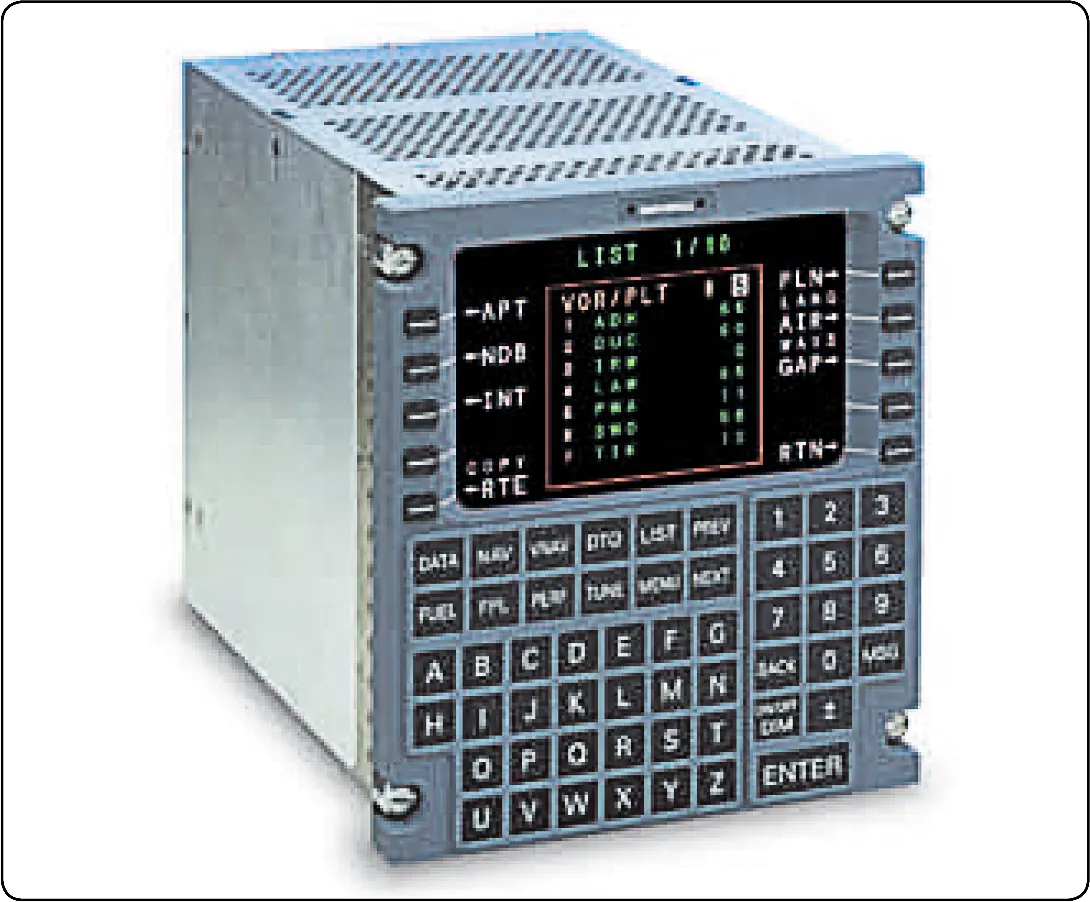
In the mid-1970s, visionaries in the avionics industry such as Hubert Naimer of Universal, and followed by others such as Ed King, Jr., were looking to advance the technology of aircraft navigation. As early as 1976, Naimer had a vision of a “Master Navigation System” that would accept inputs from a variety of different types … Read more

30

Gyroscopic Instruments in Instrument Flying

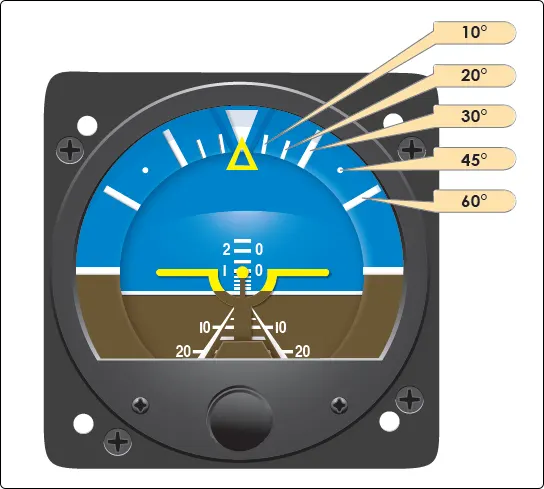
Gyroscopic instruments are essential components of an aircraft’s flight instrument system, providing pilots with reliable attitude, heading, and turn information when flying without outside visual references, such as during instrument flight conditions (IFR). These instruments operate using the fundamental properties of a spinning gyroscope, primarily rigidity in space and precession. By maintaining orientation independent of … Read more

1 1 10

Aerodynamic Factors in IFR

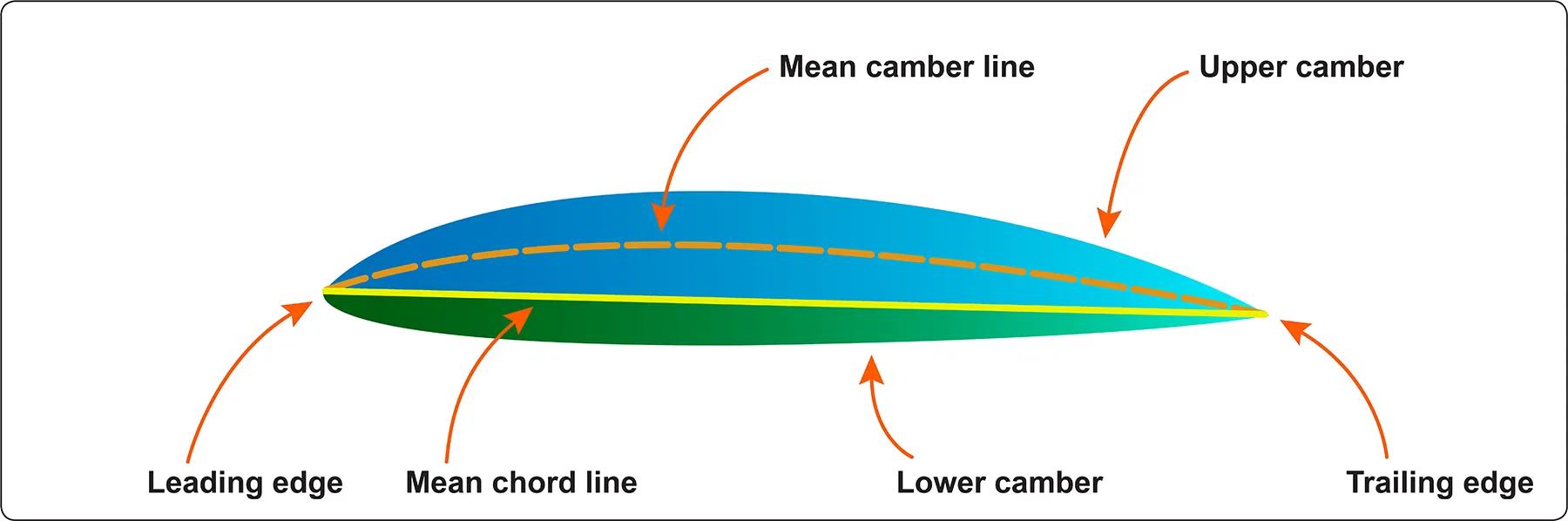
Several factors affect aircraft performance including the atmosphere, aerodynamics, and aircraft icing. Pilots need an understanding of these factors for a sound basis for prediction of aircraft response to control inputs, especially with regard to instrument approaches, while holding, and when operating at reduced airspeed in instrument meteorological conditions (IMC). Although these factors are important … Read more