Straight Climbs and Descents with Analog Instruments

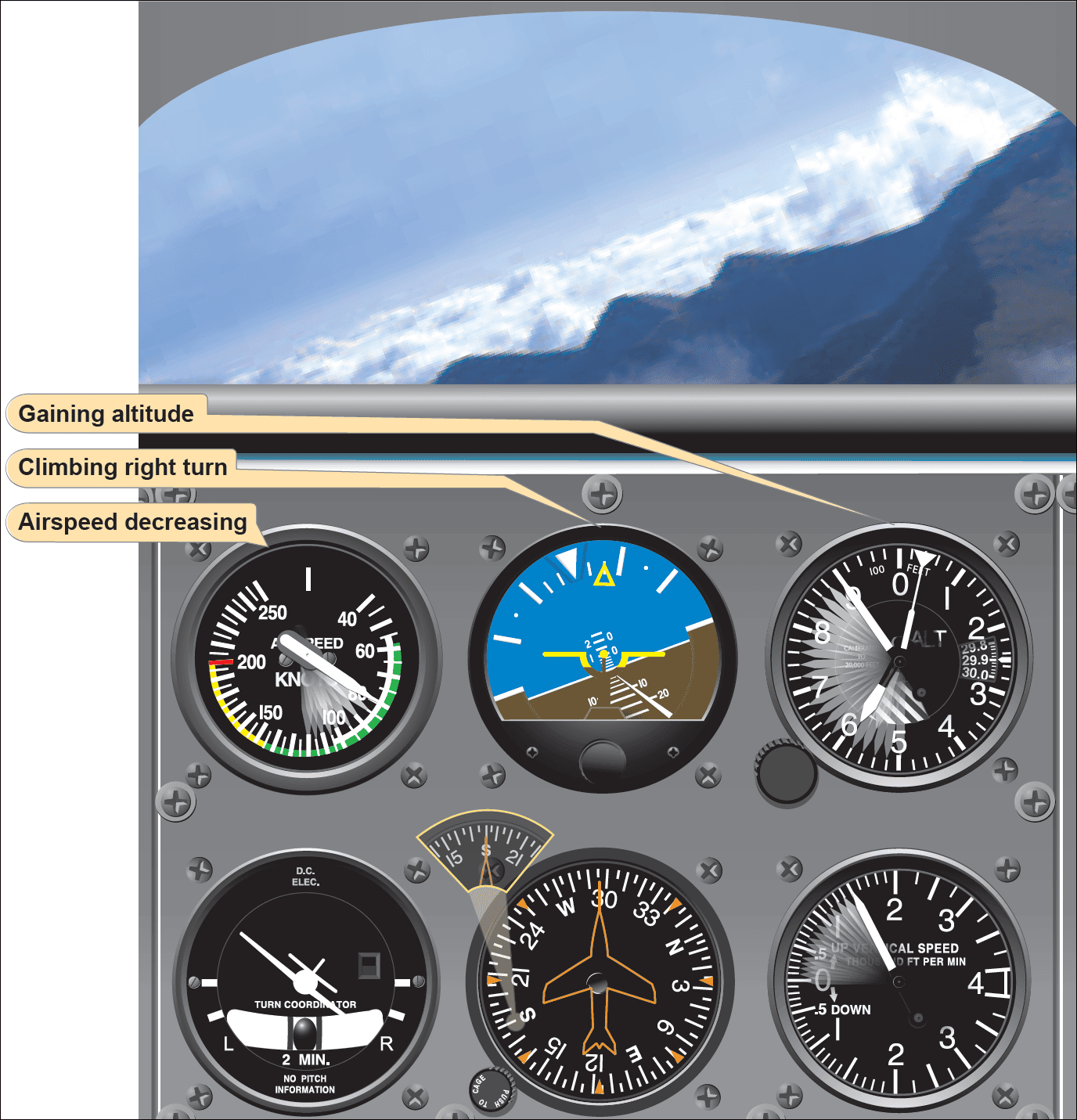
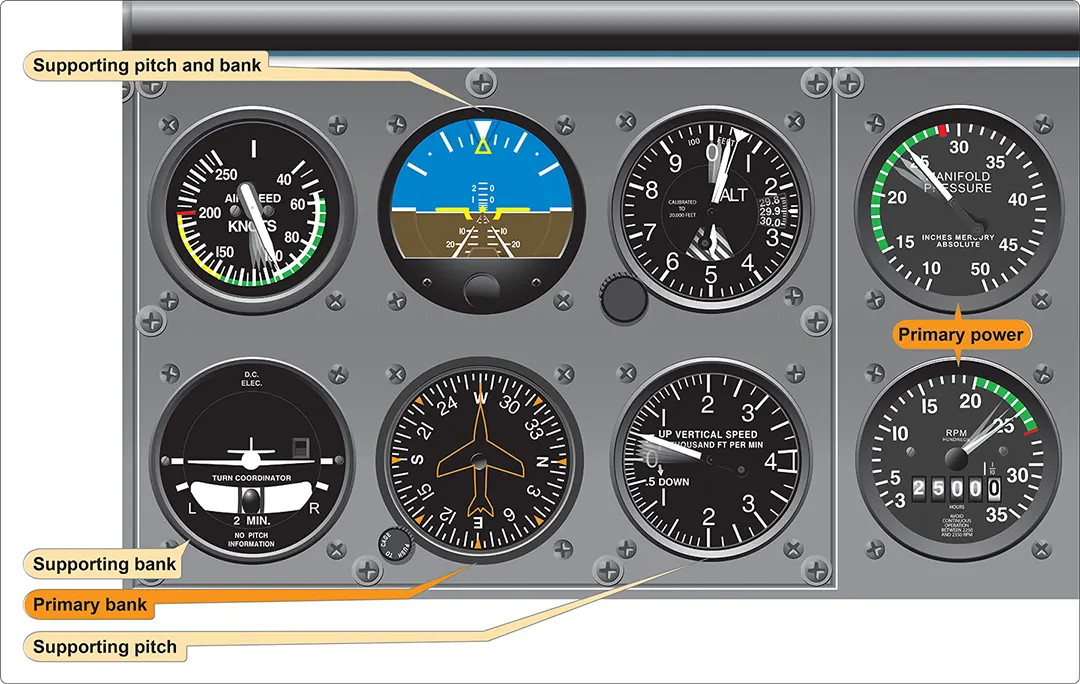
Straight climbs and descents require careful coordination of pitch, power, airspeed, and trim to maintain precise aircraft control. When flying solely by reference to analog instruments, the pilot uses the attitude indicator, airspeed indicator, vertical speed indicator, altimeter, and heading indicator together to establish and maintain a constant climb or descent. This section explains how … Read more
Straight-and-Level Flight with Analog Instruments

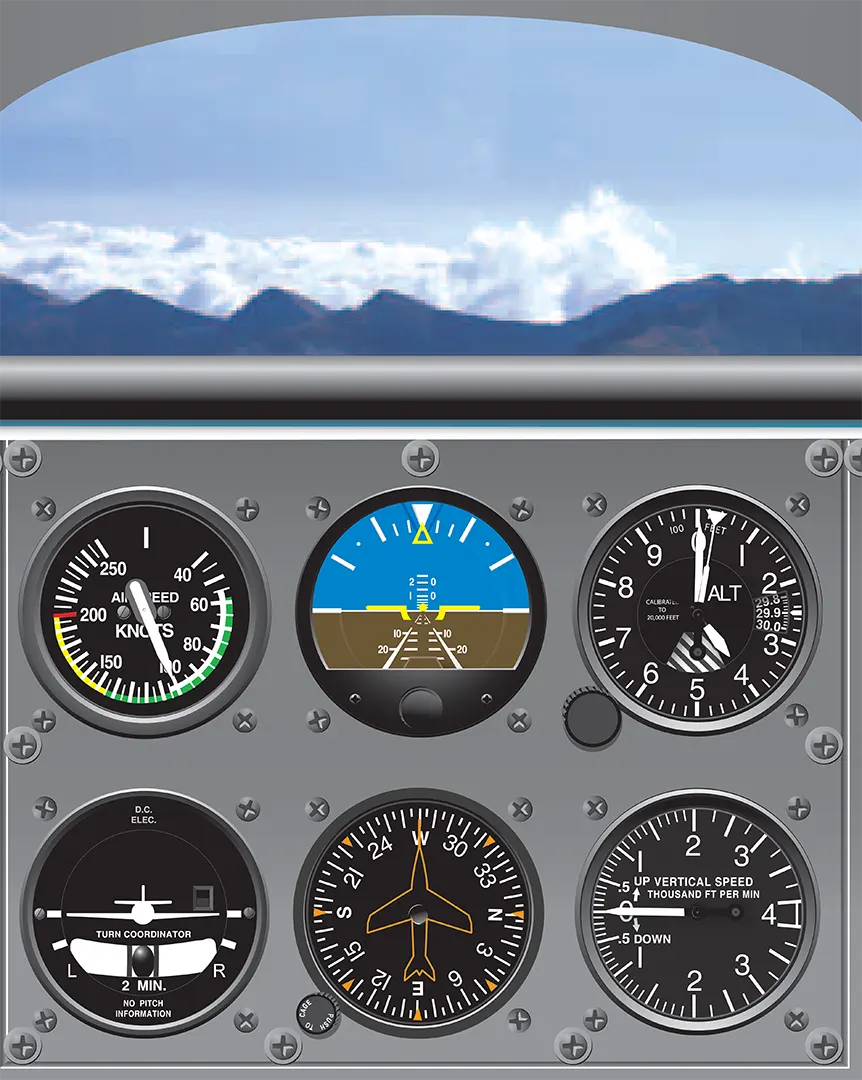
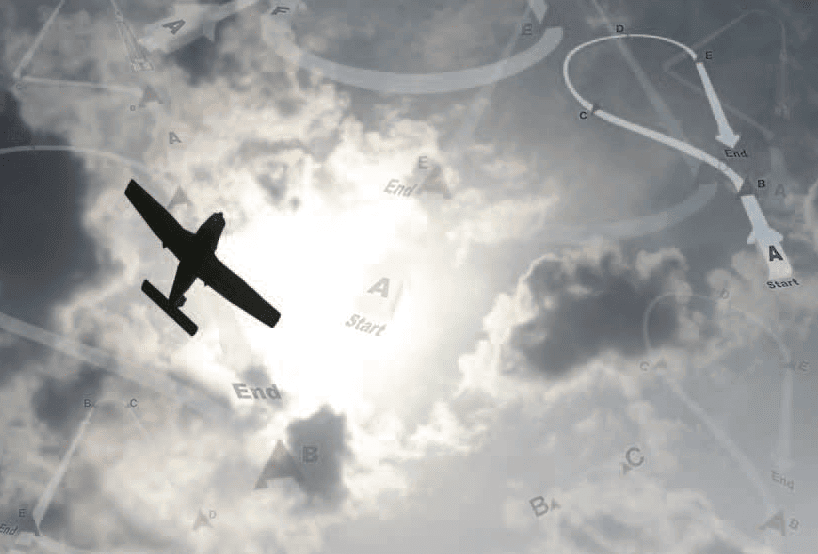
Straight-and-level flight is the foundation of all instrument flying. To maintain a constant altitude, heading, and airspeed, the pilot must use the attitude indicator, altimeter, vertical speed indicator, airspeed indicator, heading indicator, and turn coordinator together. This section explains how pitch, bank, power, and trim are controlled when flying solely by reference to analog flight … Read more

Airplane Basic Flight Maneuvers

Using Analog Instrumentation Instrument flying techniques differ according to aircraft type, class, performance capability, and instrumentation. Therefore, the procedures and techniques that follow need to be modified to suit individual aircraft. Recommended procedures, performance data, operating limitations, and flight characteristics of a particular aircraft are available in the Pilot’s Operating Handbook/Airplane Flight Manual (POH/AFM) for … Read more

Aircraft Takeoff using Electronic Flight Display

The reason for learning to fly by reference to instruments alone is to expand a pilot’s abilities to operate an aircraft in visibility less than VFR. Another valuable maneuver to learn is the instrument takeoff. This maneuver requires the pilot to maneuver the aircraft during the takeoff roll by reference to flight instruments alone with … Read more

Aircraft Turns using Electronic Flight Display

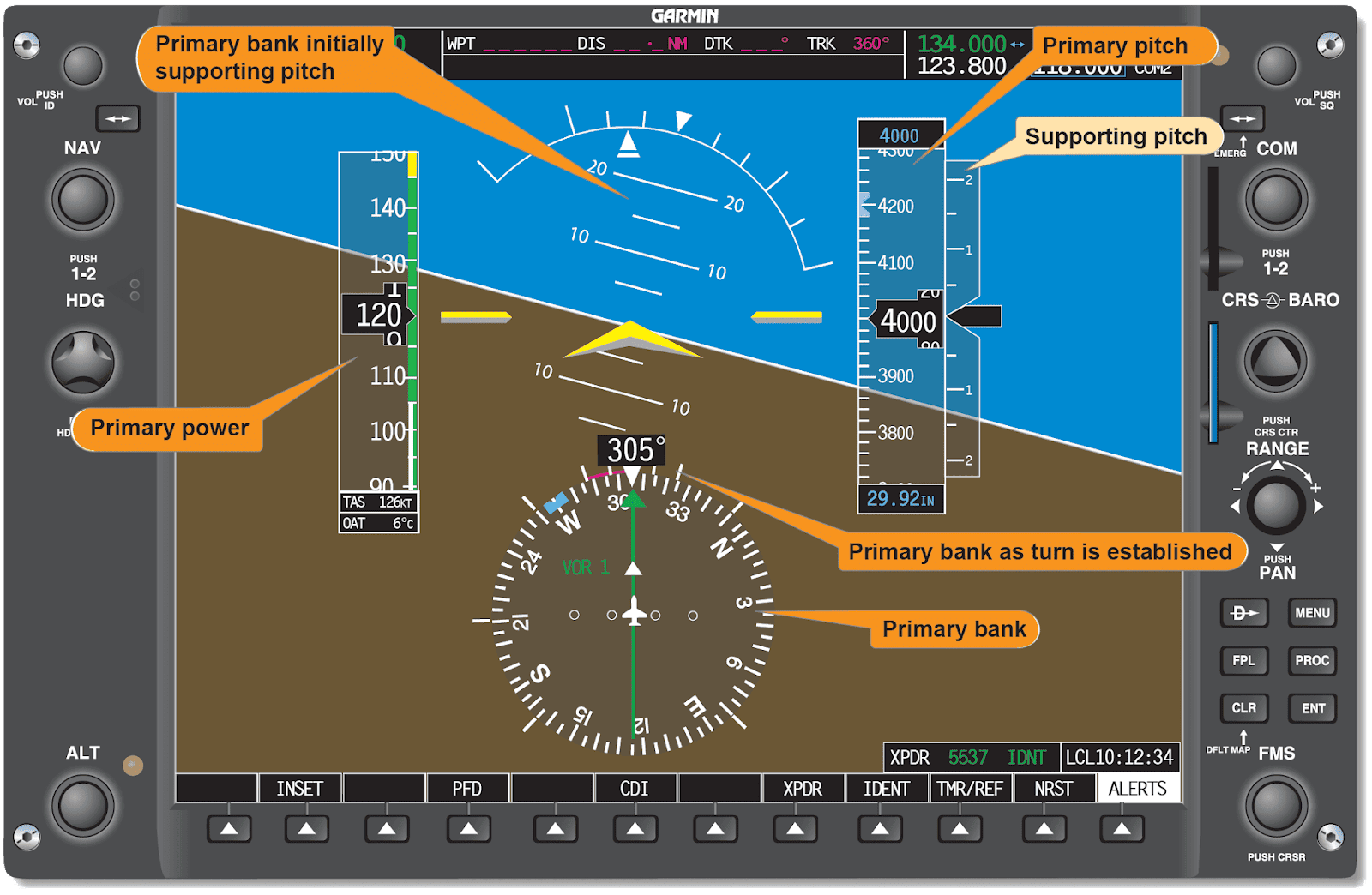
Standard Rate Turns The previous sections have addressed flying straight-and-level as well as climbs and descents. However, attitude instrument flying is not accomplished solely by flying in a straight line. At some point, the aircraft needs to be turned to maneuver along victor airways, global positioning system (GPS) courses, and instrument approaches. The key to … Read more

Aircraft Straight Climbs and Descents using EFD

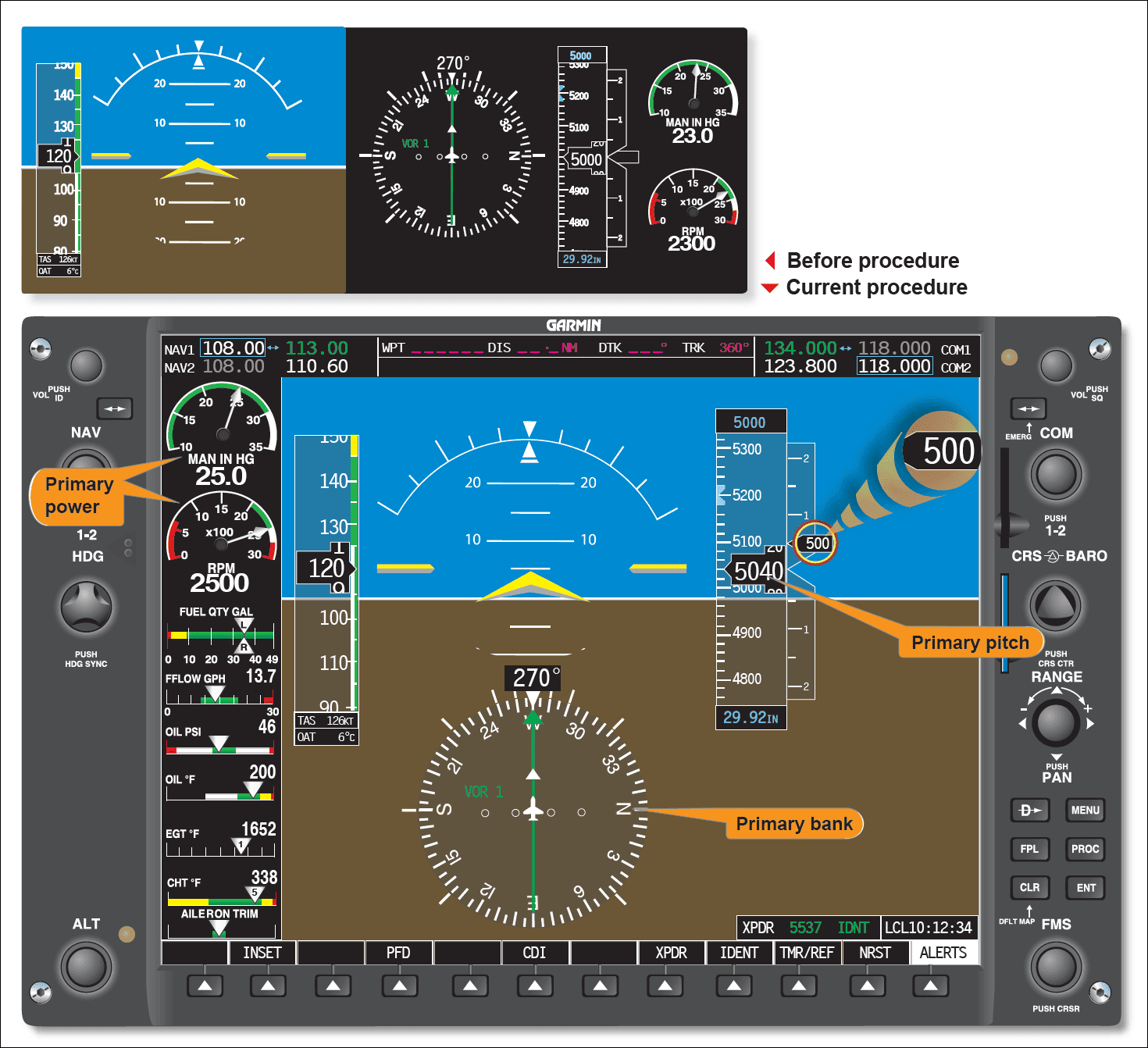
Each aircraft has a specific pitch attitude and airspeed that corresponds to the most efficient climb rate for a specified weight. The POH/AFM contains the speeds that produce the desired climb. These numbers are based on maximum gross weight. Pilots must be familiar with how the speeds vary with weight so they can compensate during … Read more

Straight and Level Flight using EFD

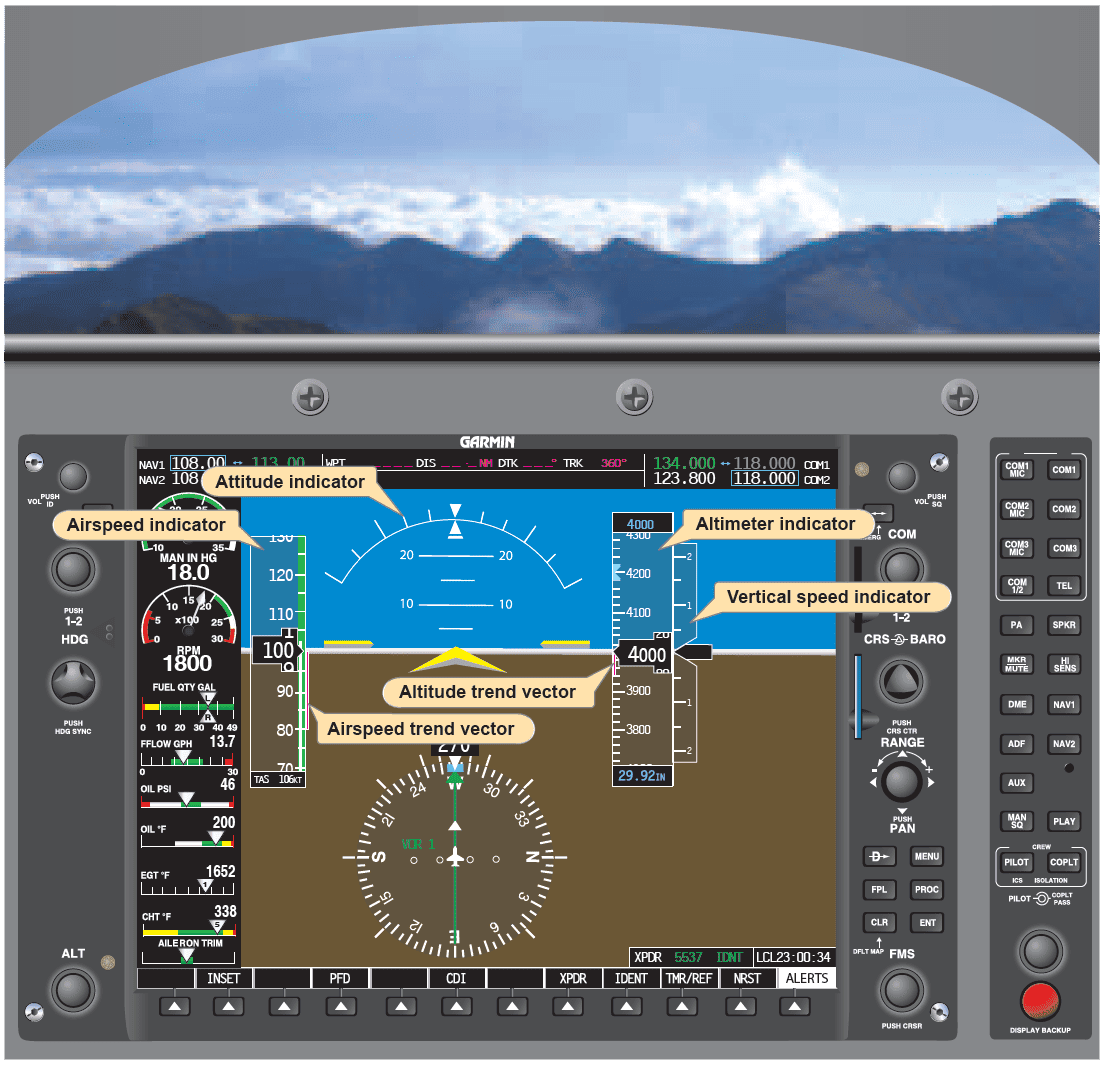
Pitch Control The pitch attitude of an airplane is the angle between the longitudinal axis of the airplane and the actual horizon. In level flight, the pitch attitude varies with airspeed and load. For training purposes, the latter factor can normally be disregarded in small airplanes. At a constant airspeed, there is only one specific … Read more

Basic Flight Patterns with Analog Instruments

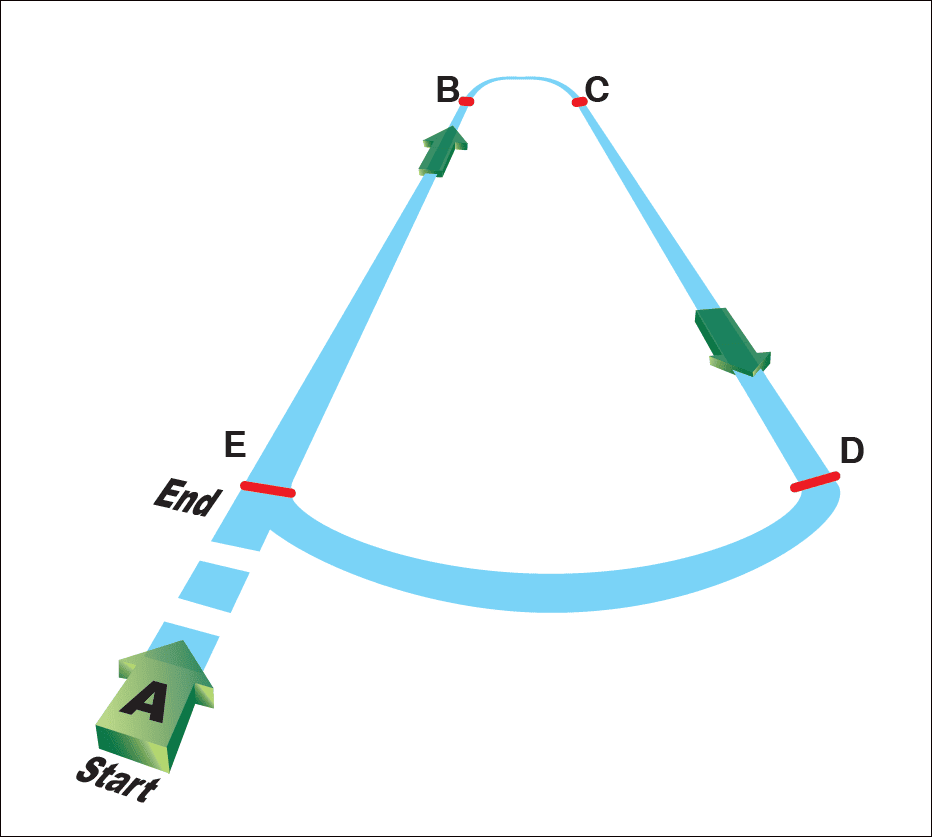
Flight patterns are basic maneuvers, flown by sole reference to the instruments rather than outside visual clues, for the purpose of practicing basic attitude flying. The patterns simulate maneuvers encountered on instrument flights, such as holding patterns, procedure turns, and approaches. After attaining a reasonable degree of proficiency in basic maneuvers, apply these skills to … Read more

Aircraft Takeoff with Analog Instruments

Competency in instrument takeoffs will provide the proficiency and confidence necessary for use of flight instruments during departures under conditions of low visibility, rain, low ceilings, or disorientation at night. A sudden rapid transition from “visual” to “instrument” flight can result in serious disorientation and control problems. Instrument takeoff techniques vary with different types of … Read more

Unusual Attitudes and Recoveries with Analog Instruments

An unusual attitude is an airplane attitude not normally required for instrument flight. Unusual attitudes may result from a number of conditions, such as turbulence, disorientation, instrument failure, confusion, preoccupation with flight deck duties, carelessness in cross-checking, errors in instrument interpretation, or lack of proficiency in aircraft control. Since unusual attitudes are not intentional maneuvers … Read more