1 20 scaled

IFR Flight: Procedures and Operations

This section is a discussion of conducting a flight under instrument flight rules (IFR). It also explains the sources for flight planning, the conditions associated with instrument flight, and the procedures used for each phase of IFR flight: departure, en route, and approach. Understanding these procedures is essential for pilots conducting IFR operations. Proper flight … Read more

1 19 scaled

Navigation Systems for Instrument Flying

This section provides the basic radio principles applicable to navigation equipment, along with the operational knowledge required to use these systems during instrument flight. A clear understanding of navigation system operation is essential for accurate course tracking and effective instrument flying. This knowledge provides the framework for instrument procedures such as standard instrument departures (SIDs), … Read more

1 18

Helicopter Attitude Instrument Flying

Attitude instrument flying in helicopters is essentially visual flying with the flight instruments substituted for the various reference points on the helicopter and the natural horizon. Control changes, required to produce a given attitude by reference to instruments, are identical to those used in helicopter visual flight rules (VFR) flight, and pilot thought processes are … Read more

25 2

Straight Climbs and Descents with Analog Instruments

Straight climbs and descents require careful coordination of pitch, power, airspeed, and trim to maintain precise aircraft control. When flying solely by reference to analog instruments, the pilot uses the attitude indicator, airspeed indicator, vertical speed indicator, altimeter, and heading indicator together to establish and maintain a constant climb or descent. This section explains how … Read more

1 1

Straight-and-Level Flight with Analog Instruments

Straight-and-level flight is the foundation of all instrument flying. To maintain a constant altitude, heading, and airspeed, the pilot must use the attitude indicator, altimeter, vertical speed indicator, airspeed indicator, heading indicator, and turn coordinator together. This section explains how pitch, bank, power, and trim are controlled when flying solely by reference to analog flight … Read more

21 7

Airplane Attitude Instrument Flying

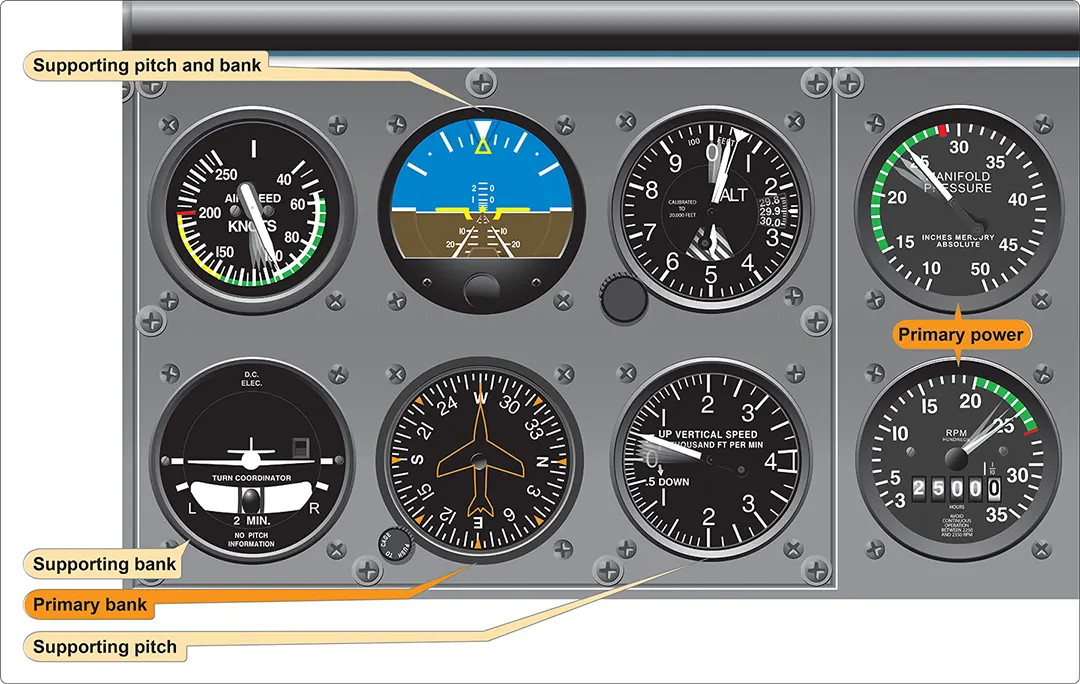
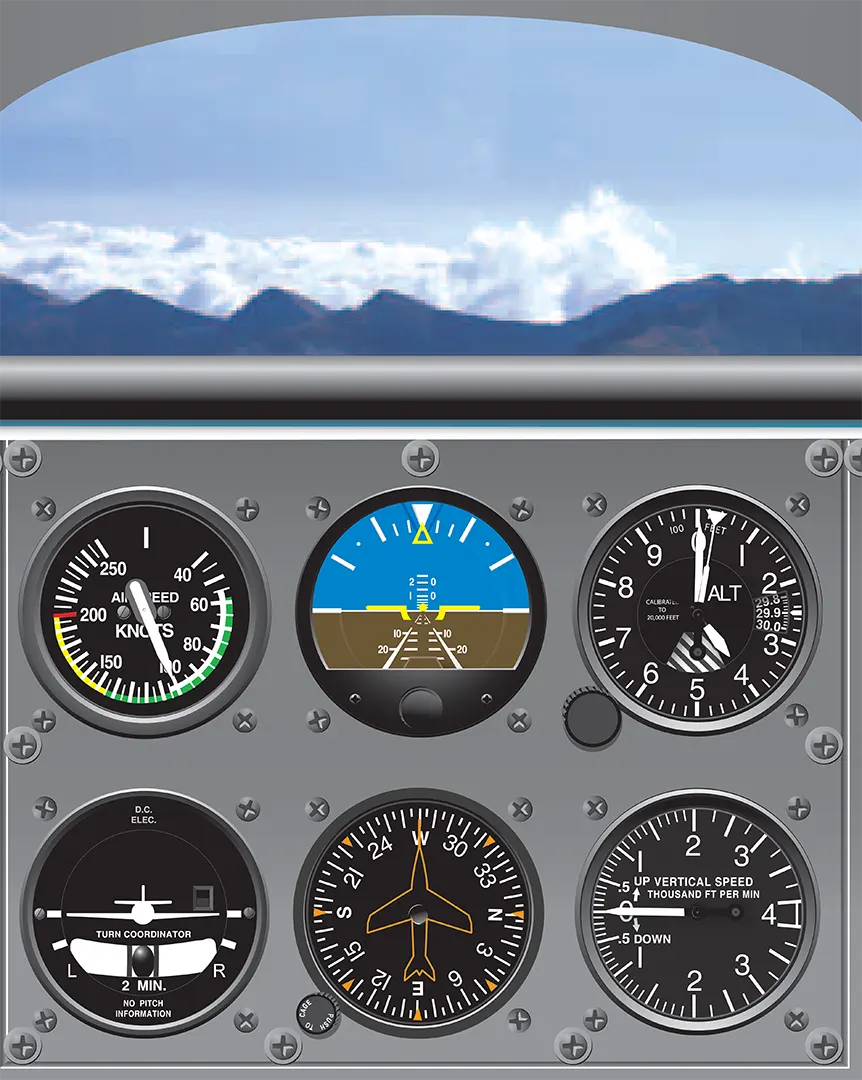
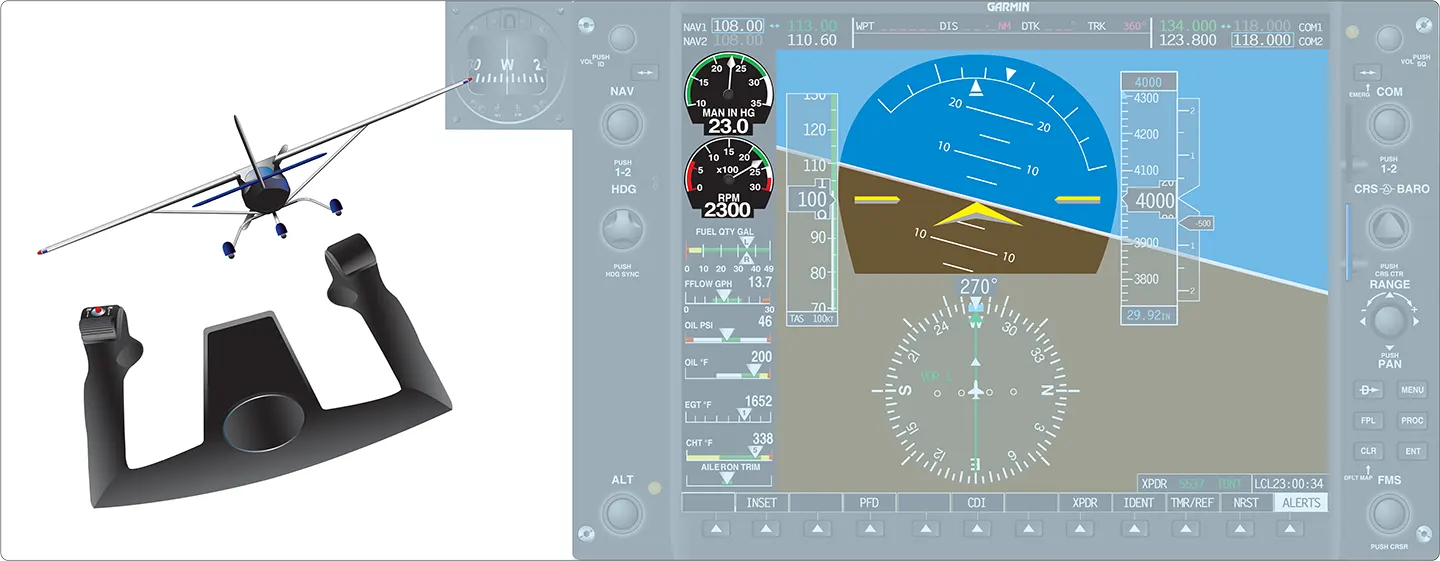
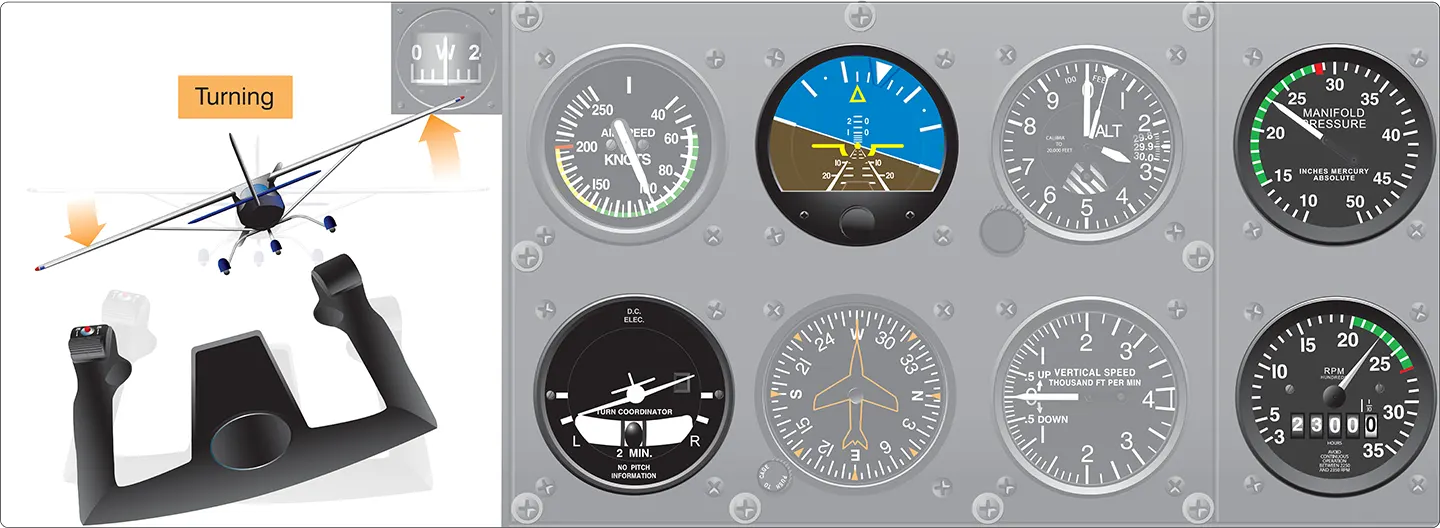
Using Analog Instrumentation Attitude instrument flying is defined as the control of an aircraft’s spatial position by using instruments rather than outside visual references. Today’s aircraft come equipped with analog and/or digital instruments. Analog instrument systems are mechanical and operate with numbers representing directly measurable quantities, such as a watch with a sweep second hand. … Read more

33

Instrument Cross-Check and Scanning Using EFD

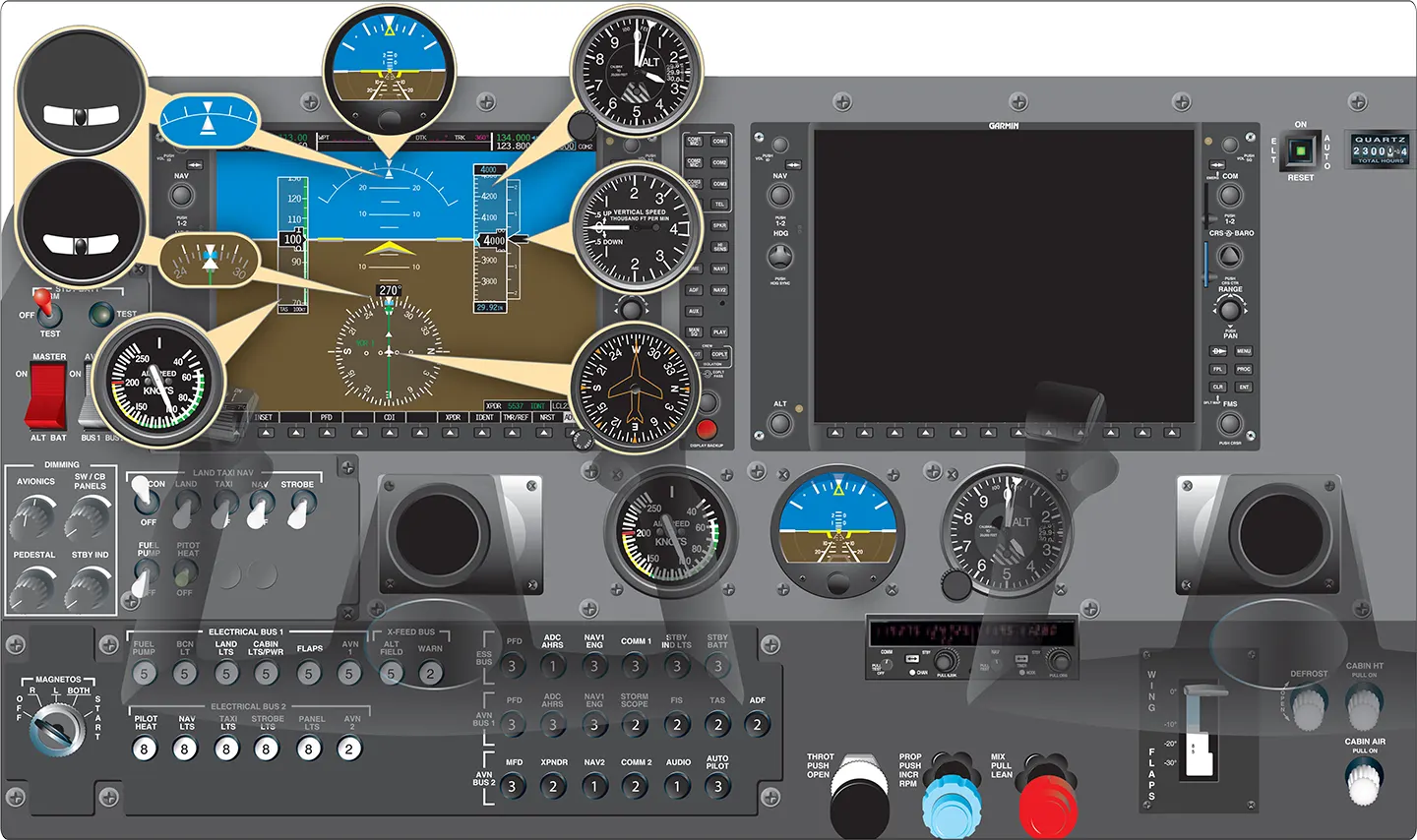
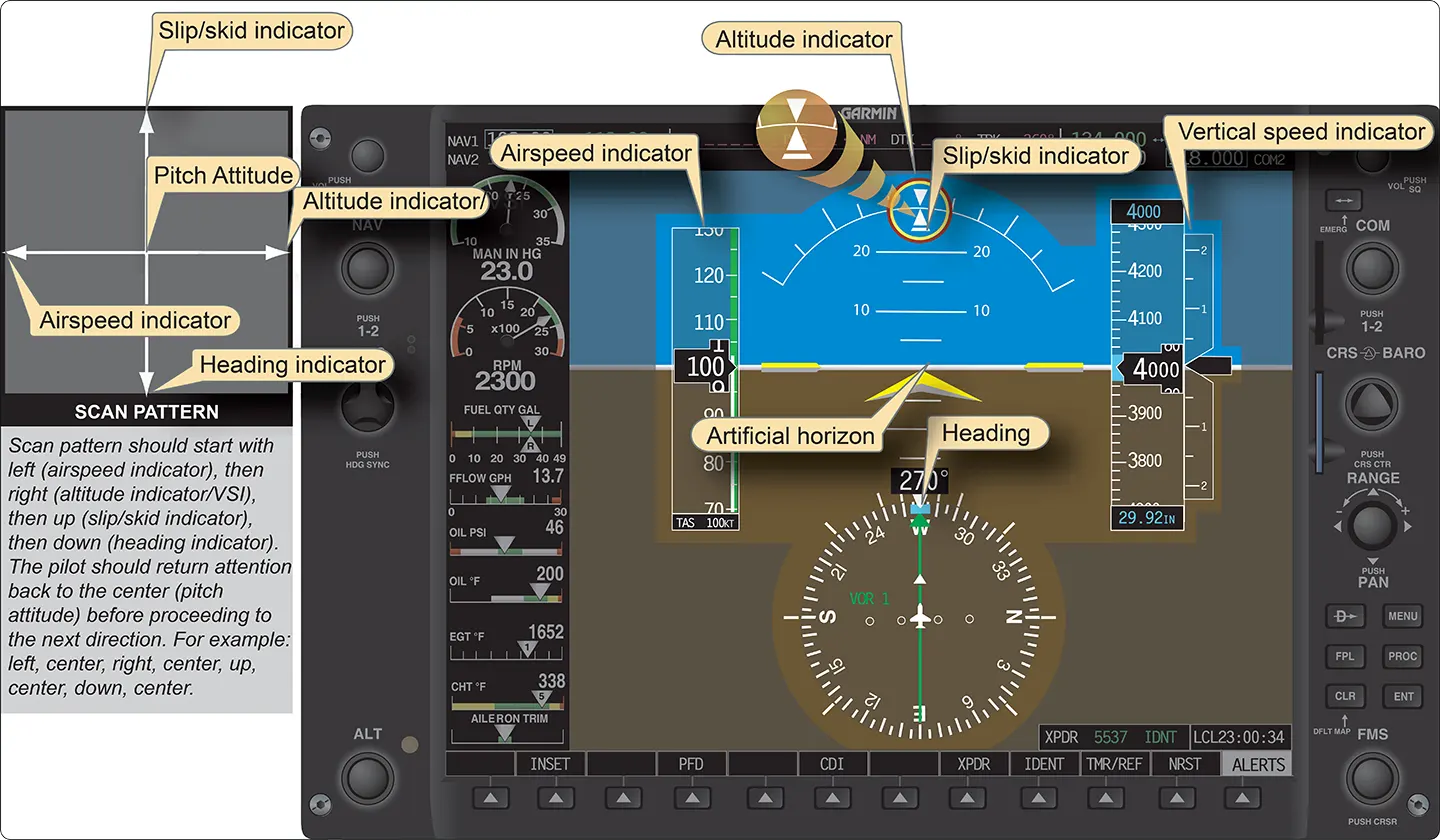
Fundamental Skills When first learning attitude instrument flying, it is very important that two major skills be mastered. Instrument crosscheck and instrument interpretation comprise the foundation for safely maneuvering the aircraft by reference to instruments alone. Without mastering both skills, the pilot is not able to maintain precise control of aircraft attitude. Instrument Cross-Check The … Read more

25

Methods of Attitude Instrument Flying Using EFD

There are two basic methods utilized for learning attitude instrument flying. They are “control and performance” and “primary and supporting.” These methods rely on the same flight instruments and require the pilot to make the same adjustments to the flight and power controls to control aircraft attitude. The main difference between the two methods is … Read more

1

Attitude Instrument Flying Learning Methods

Two primary methods are used to learn attitude instrument flying: the control and performance method and the primary and supporting method. Both methods utilize the same instruments and responses for attitude control. They differ in their reliance on the attitude indicator and interpretation of other instruments. Attitude Instrument Flying Using the Control and Performance Method … Read more