23 1

Aircraft Icing in Instrument Flight

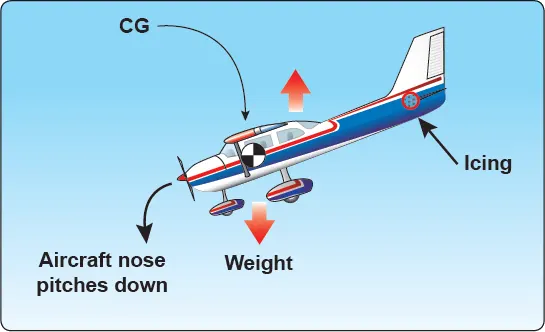
Icing is one of the most serious weather hazards encountered in instrument flight. Even a thin accumulation of ice can drastically alter an aircraft’s aerodynamic performance, increase drag, reduce lift, raise stall speed, and affect controllability. Because instrument conditions often conceal visual cues of ice buildup, pilots must understand how icing forms, how it impacts … Read more
16 3

Climbs and Turns in Instrument Flight

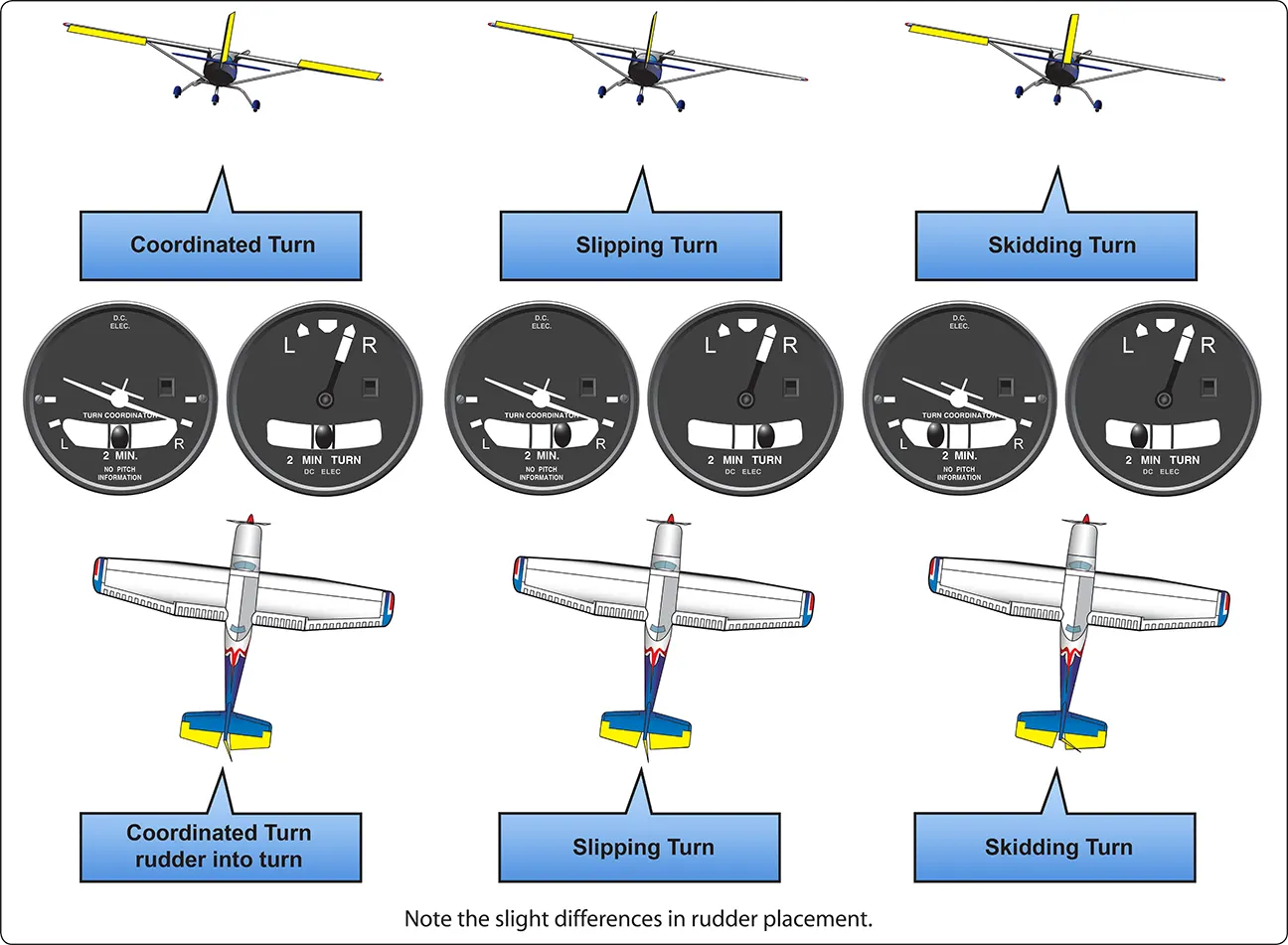
Instrument flight requires precise control of the aircraft in three dimensions without relying on external visual references. Maneuvers such as climbs, turns, and acceleration must be executed using instruments alone, with careful attention to airspeed, pitch, power, and configuration. Understanding how thrust, lift, drag, and bank angle interact during these maneuvers is essential for maintaining … Read more

Trim in Instrument Flying

The term trim refers to using adjustable aerodynamic devices on an aircraft to balance control forces so that the pilot does not need to continuously apply pressure on the flight controls. Proper trimming reduces pilot workload and ensures smoother, more stable flight, which is especially important during instrument flight where attention must be focused on … Read more

7 7

Air Pressure, Density, and Altitude in IFR Flight

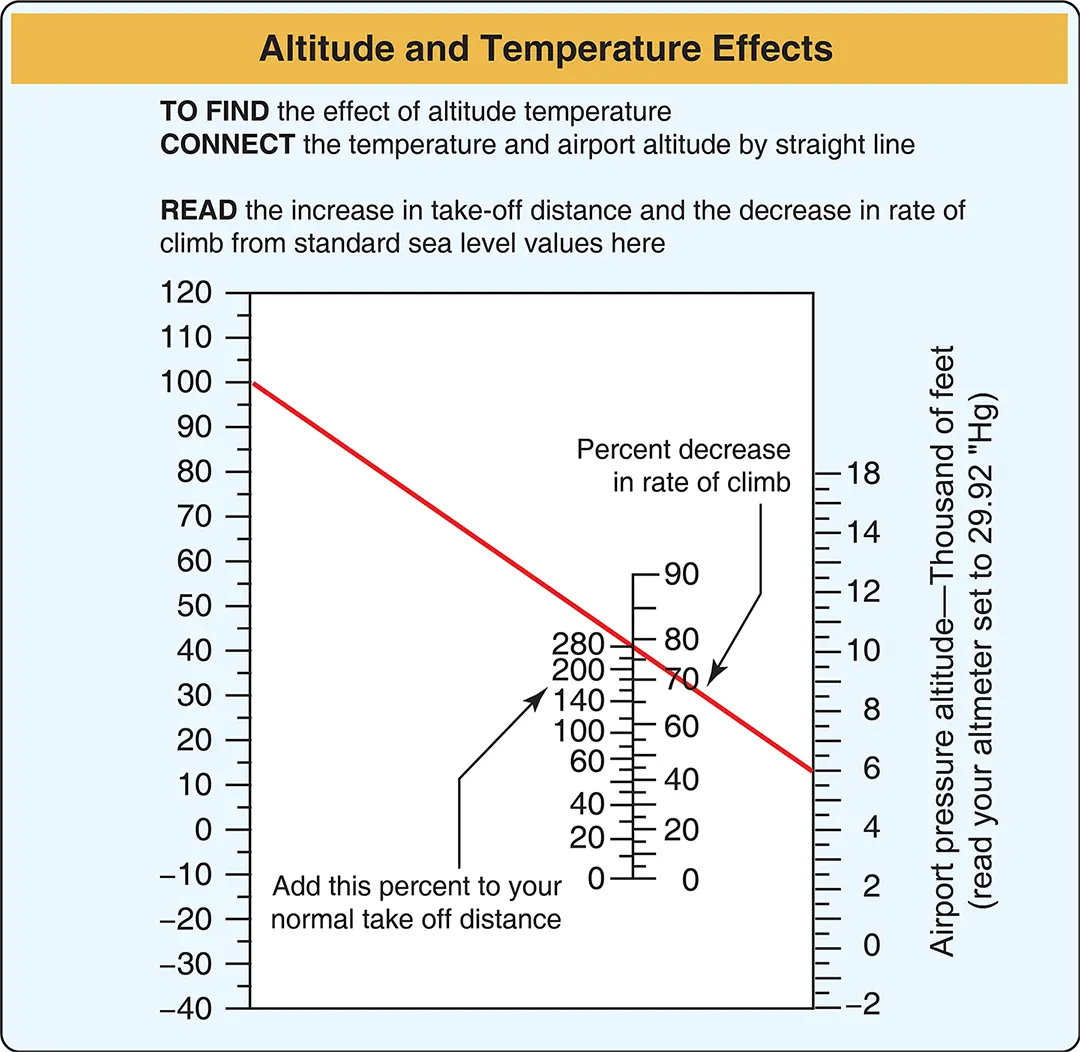
The atmosphere is the blanket of gases surrounding the Earth and is the operating medium for all aircraft. Dry air is composed primarily of nitrogen (about 78 percent) and oxygen (about 21 percent), with the remaining one percent consisting of argon, carbon dioxide, and trace gases. Although it appears light, air possesses measurable mass and … Read more

2 2 1

Aerodynamic Forces and Performance for Instrument Flight

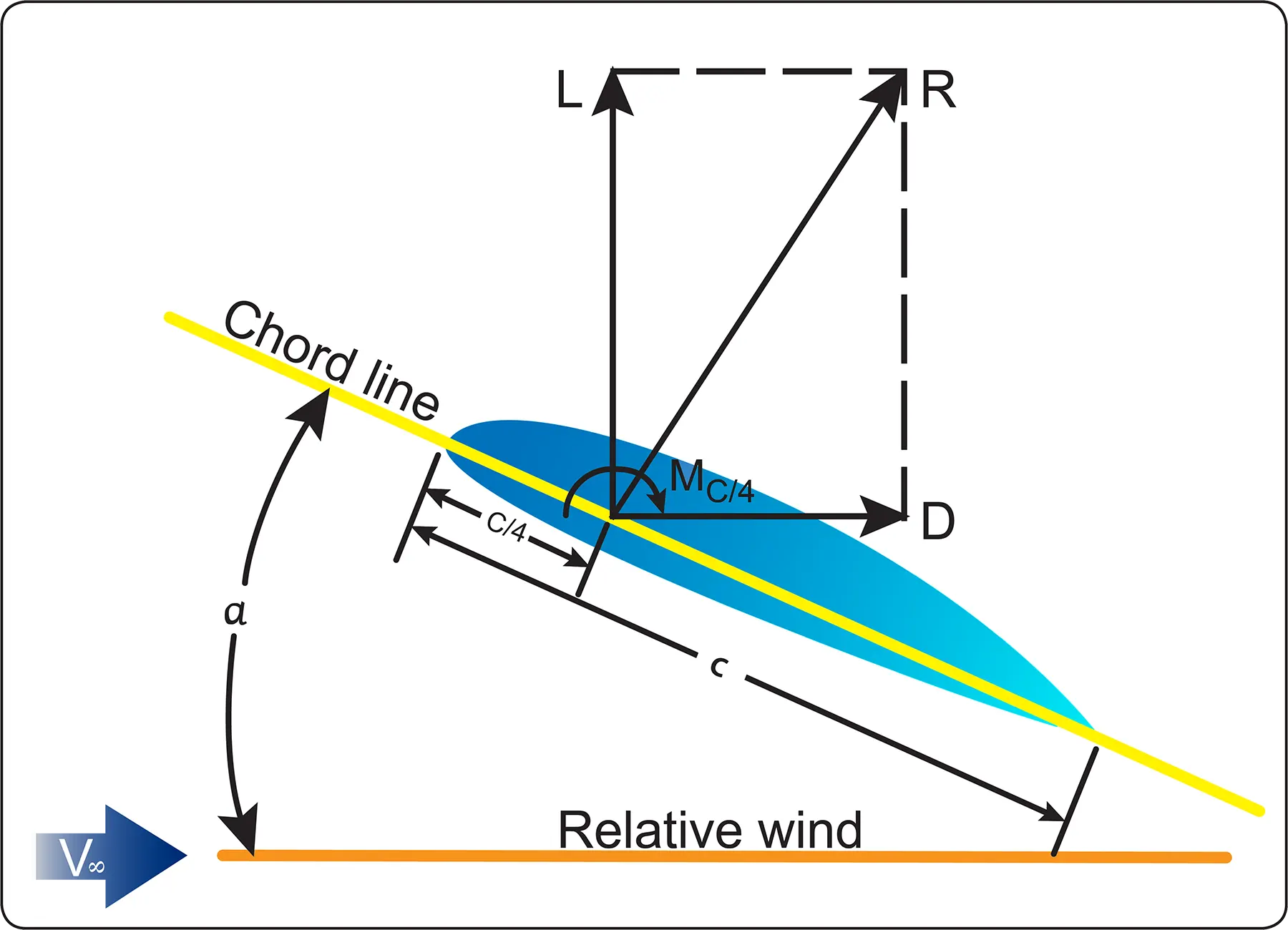
Instrument flying demands a deeper understanding of aerodynamic principles than visual flight because pilots must rely on instruments rather than outside visual cues to control the aircraft. Small changes in attitude or power can produce significant performance differences, especially when operating in clouds, turbulence, or reduced visibility. A solid grasp of basic aerodynamic relationships helps … Read more

1

Human Factors and Sensory Illusions in Instrument Flight

Human factors is a broad field that examines the interaction between people, machines, and the environment for the purpose of improving performance and reducing errors. As aircraft became more reliable and less prone to mechanical failure, the percentage of accidents related to human factors increased. Some aspect of human factors now accounts for over 80 … Read more

16 2

IFR Flight Control Sequence

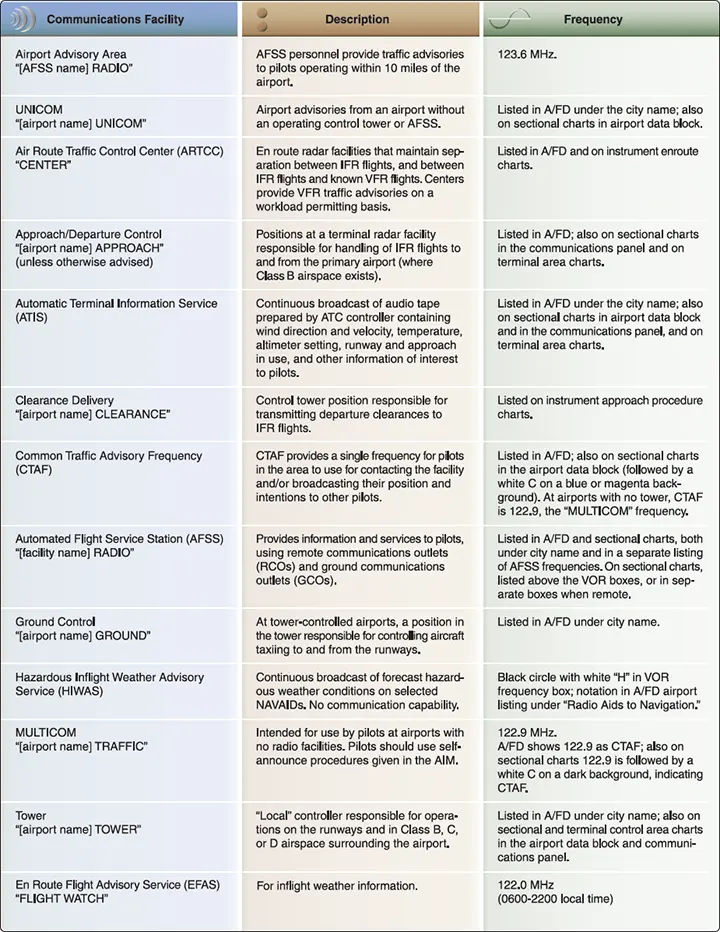
The IFR system is flexible and accommodating if pilots do their homework, have as many frequencies as possible written down before they are needed, and have an alternate in mind if the flight cannot be completed as planned. Pilots should familiarize themselves with all the facilities and services available along the planned route of flight. … Read more

15 15

ATC Approach Control Facility and Approach Control Advances

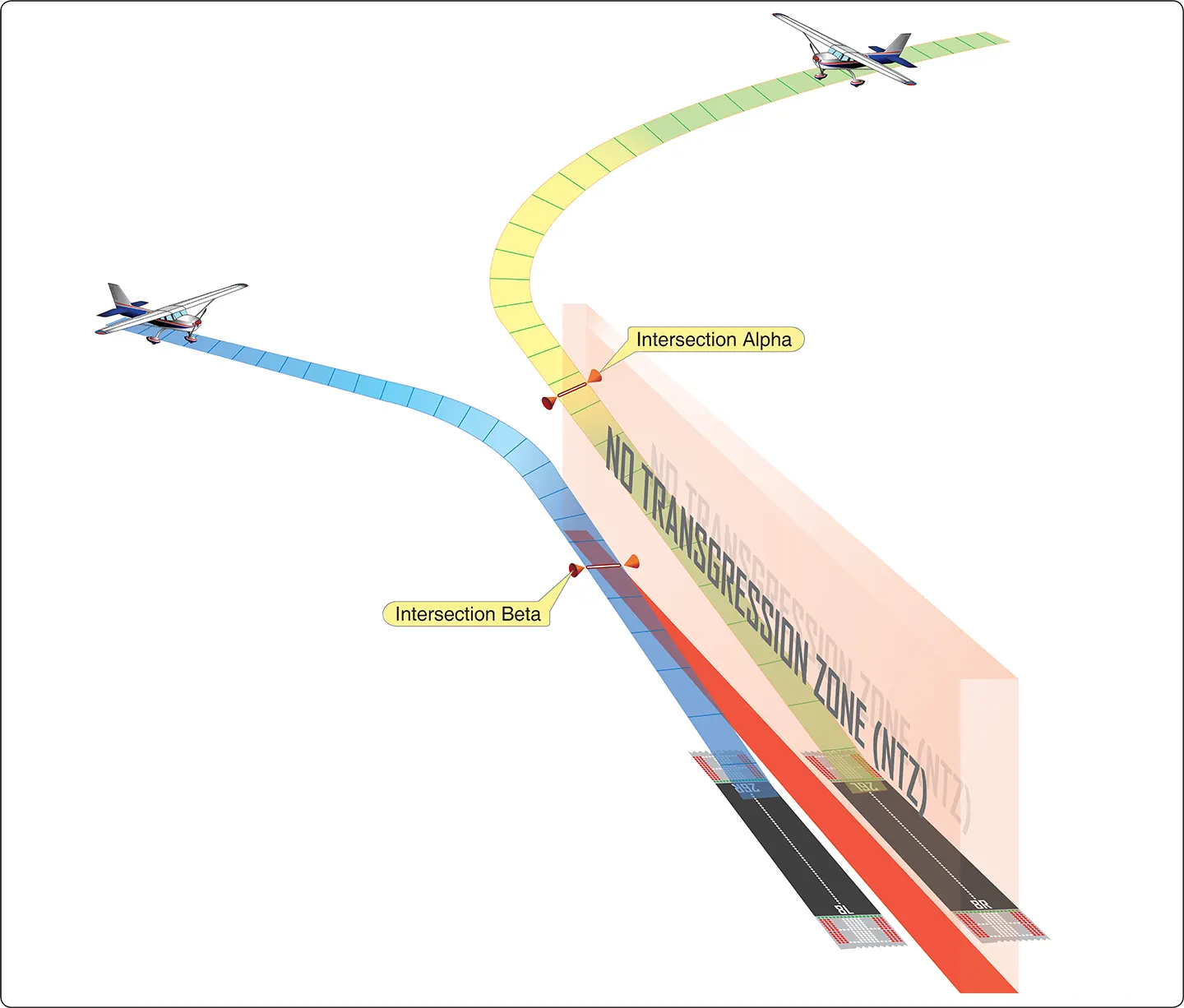
Approach Control Facility An approach control facility is a terminal ATC facility that provides approach control service in the terminal area. Services are provided for arriving and departing VFR and IFR aircraft and, on occasion, en route aircraft. In addition, for airports with parallel runways with ILS or LDA approaches, the approach control facility provides … Read more

ATC Inflight Weather Avoidance Assistance

ATC Radar Weather Displays ATC radar systems are able to display areas of precipitation by sending out a beam of radio energy that is reflected back to the radar antenna when it strikes an object or moisture, which may be in the form of rain drops, hail, or snow. The larger the object, or the … Read more

15

Terminal Arrival Area

The design objective of the TAA procedure is to provide a transition method for arriving aircraft with GPS/RNAV equipment. TAAs also eliminate or reduce the need for feeder routes, departure extensions, and procedure turns or course reversal. The TAA is controlled airspace established in conjunction with the standard or modified RNAVapproach configurations. The standard TAA … Read more