Load Factor in Instrument Flight

Understanding load factor is essential for instrument and visual flight, as it affects aircraft performance, stall behavior, and structural limits. In turns, turbulence, or when performing maneuvers, the aircraft experiences forces beyond its weight, and pilots must recognize how these forces influence handling and safety. Proper knowledge of load factor ensures pilots maintain safe flight … Read more
Slow-Speed Flight Under IFR

Slow-speed flight under instrument conditions demands precise control of pitch, power, and configuration. Unlike visual flight where external references assist the pilot, instrument flying requires a clear understanding of aerodynamic principles to safely operate near stall speed or in the region of reverse command. During approaches, go-arounds, and maneuvering at reduced airspeeds, the aircraft becomes … Read more

The Drag Curve

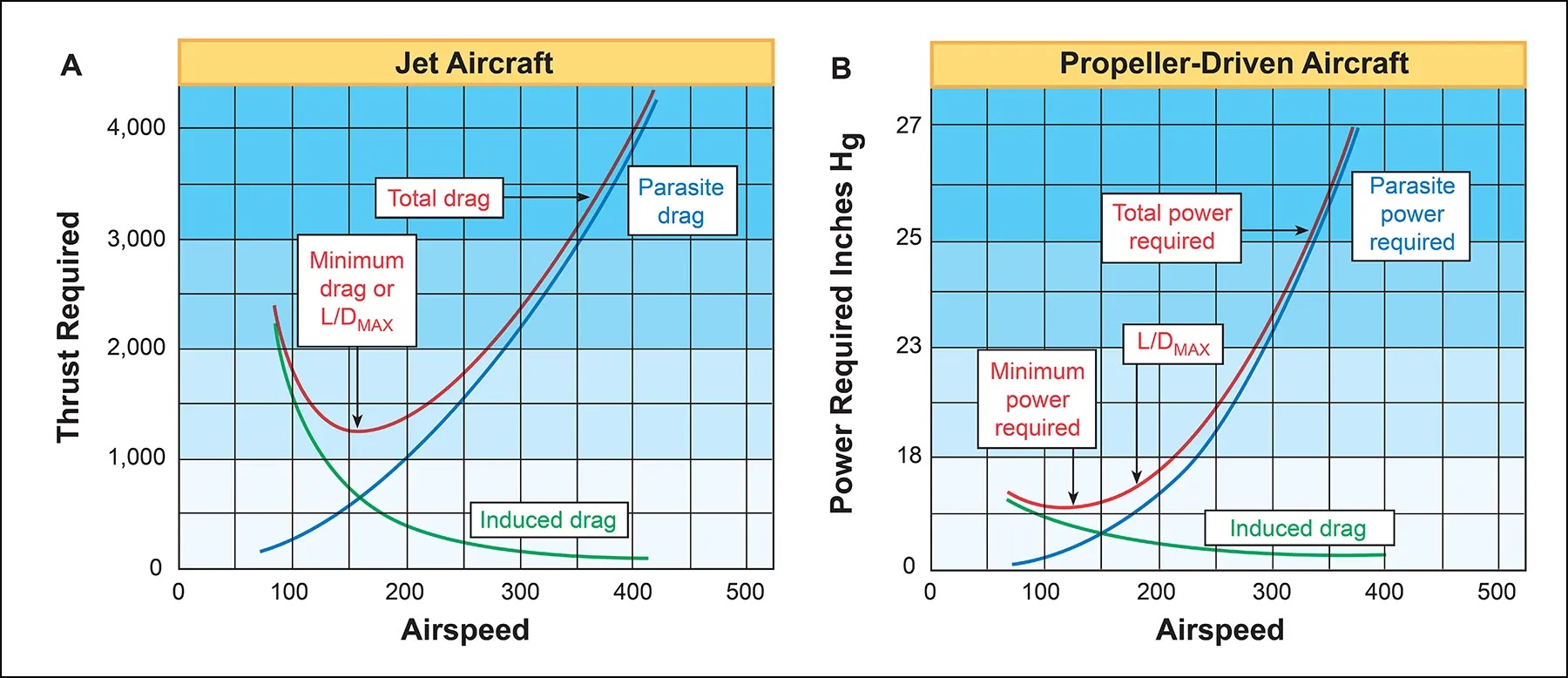
When the effects of parasite drag and induced drag are plotted against airspeed, the resulting line is called the drag curve. Parasite drag increases as airspeed increases because airflow resistance over the aircraft surfaces becomes greater. Induced drag behaves in the opposite manner; it increases as airspeed decreases because a higher angle of attack is … Read more

Lift in Instrument Flight

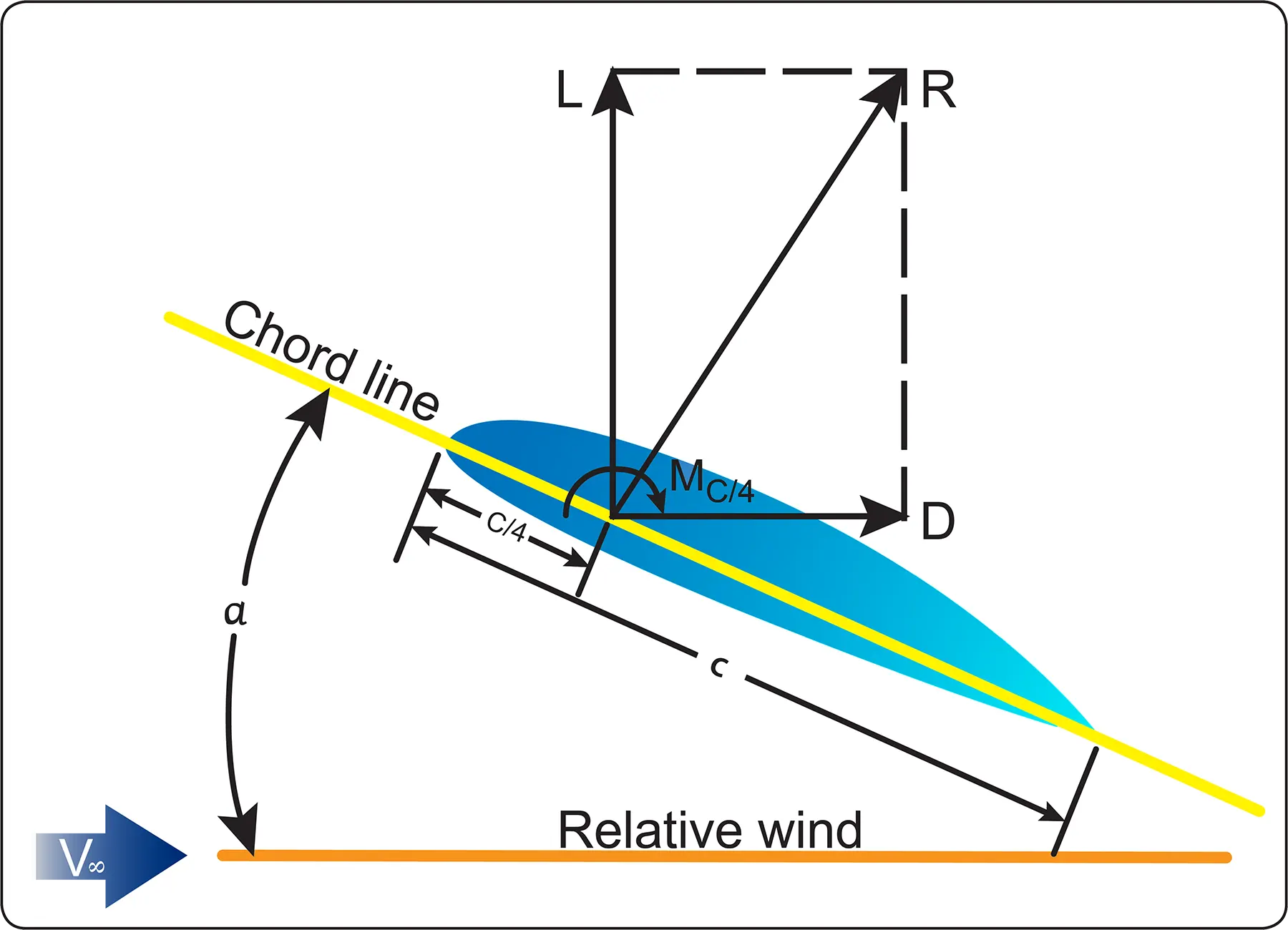
Lift always acts in a direction perpendicular to the relative wind and to the lateral axis of the aircraft. The fact that lift is referenced to the wing, not to the Earth’s surface, is the source of many errors in learning flight control. Lift is not always “up.” Its direction relative to the Earth’s surface … Read more

Aerodynamic Factors in IFR

Several factors affect aircraft performance including the atmosphere, aerodynamics, and aircraft icing. Pilots need an understanding of these factors for a sound basis for prediction of aircraft response to control inputs, especially with regard to instrument approaches, while holding, and when operating at reduced airspeed in instrument meteorological conditions (IMC). Although these factors are important … Read more

Aircraft Icing in Instrument Flight

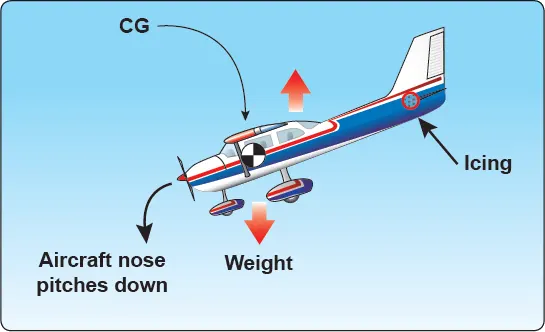
Icing is one of the most serious weather hazards encountered in instrument flight. Even a thin accumulation of ice can drastically alter an aircraft’s aerodynamic performance, increase drag, reduce lift, raise stall speed, and affect controllability. Because instrument conditions often conceal visual cues of ice buildup, pilots must understand how icing forms, how it impacts … Read more

Climbs and Turns in Instrument Flight

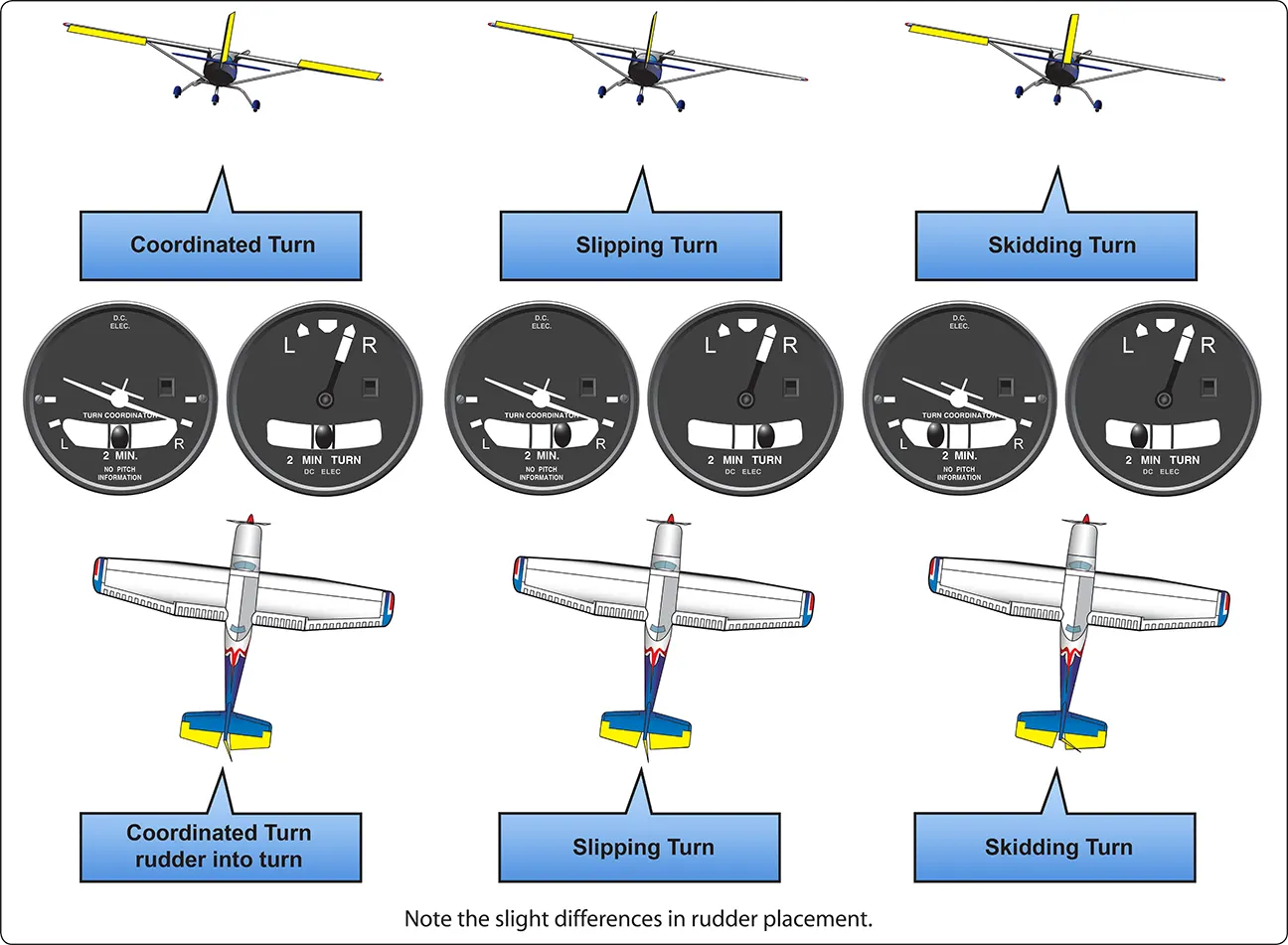
Instrument flight requires precise control of the aircraft in three dimensions without relying on external visual references. Maneuvers such as climbs, turns, and acceleration must be executed using instruments alone, with careful attention to airspeed, pitch, power, and configuration. Understanding how thrust, lift, drag, and bank angle interact during these maneuvers is essential for maintaining … Read more

Trim in Instrument Flying

The term trim refers to using adjustable aerodynamic devices on an aircraft to balance control forces so that the pilot does not need to continuously apply pressure on the flight controls. Proper trimming reduces pilot workload and ensures smoother, more stable flight, which is especially important during instrument flight where attention must be focused on … Read more

Air Pressure, Density, and Altitude in IFR Flight

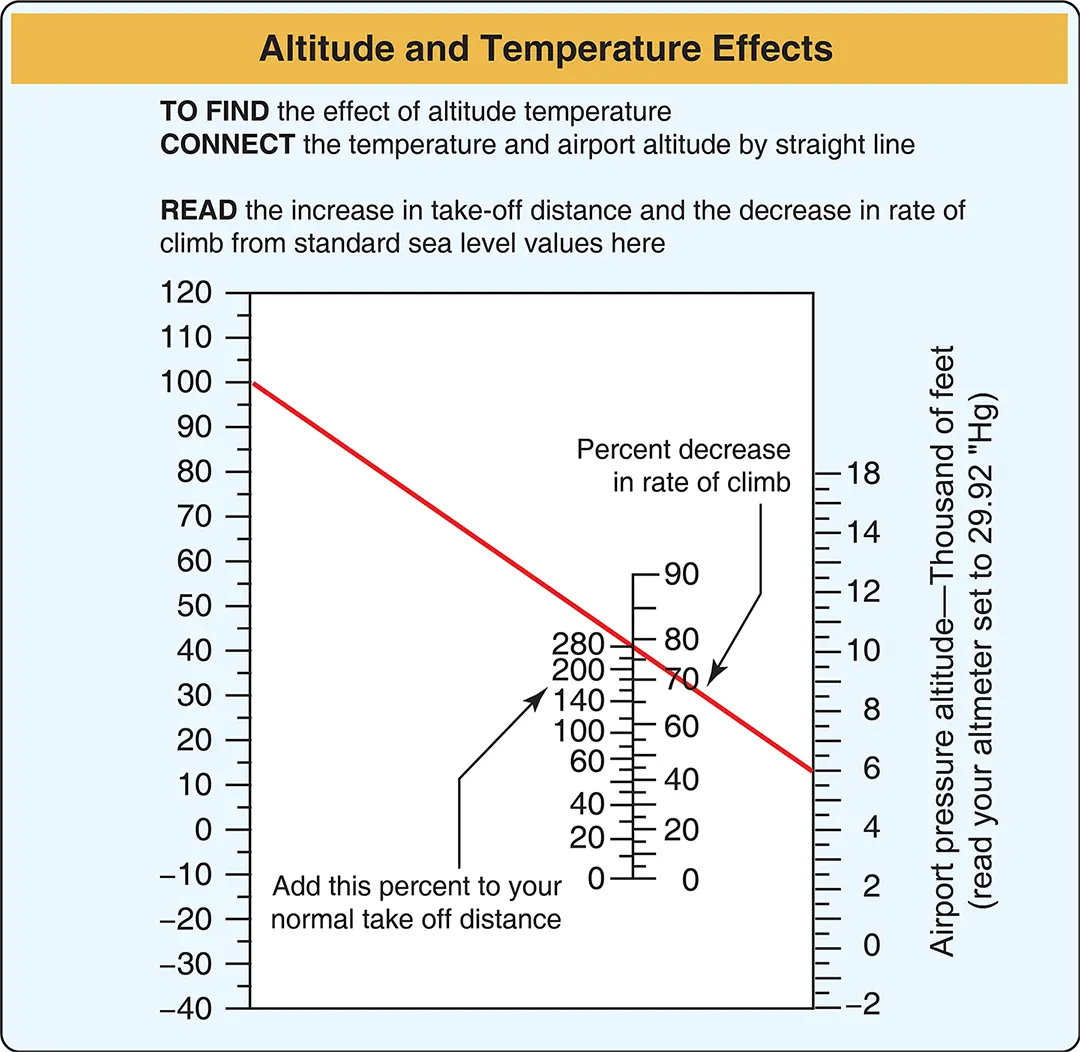
The atmosphere is the blanket of gases surrounding the Earth and is the operating medium for all aircraft. Dry air is composed primarily of nitrogen (about 78 percent) and oxygen (about 21 percent), with the remaining one percent consisting of argon, carbon dioxide, and trace gases. Although it appears light, air possesses measurable mass and … Read more

Aerodynamic Forces and Performance for Instrument Flight

Instrument flying demands a deeper understanding of aerodynamic principles than visual flight because pilots must rely on instruments rather than outside visual cues to control the aircraft. Small changes in attitude or power can produce significant performance differences, especially when operating in clouds, turbulence, or reduced visibility. A solid grasp of basic aerodynamic relationships helps … Read more