
Instrument System Inspection for IFR Flight

A thorough preflight inspection of the aircraft’s instrument systems is essential for safe and effective instrument flight rules (IFR) operations. Before relying on flight instruments for attitude control and navigation, pilots must verify that pitot-static systems, gyroscopic instruments, navigation radios, and associated power sources are functioning correctly. Even minor discrepancies in instruments such as the … Read more
IFR Safety Systems

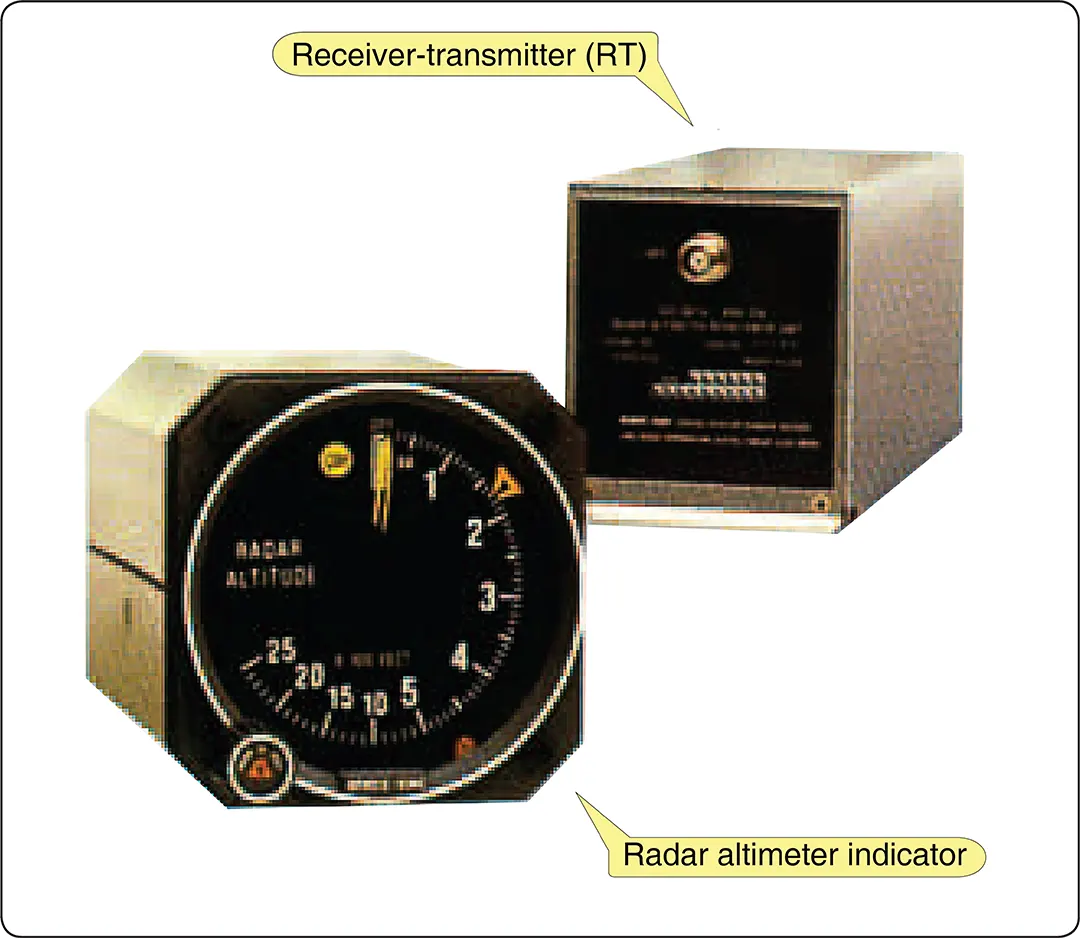
Modern instrument flight relies heavily on advanced safety systems designed to reduce pilot workload and prevent accidents such as mid-air collisions and controlled flight into terrain (CFIT). Technologies like Traffic Alert and Collision Avoidance System (TCAS), Terrain Awareness and Warning System (TAWS), and Ground Proximity Warning System (GPWS) provide real-time alerts that enhance situational awareness … Read more

Analog Flight Displays

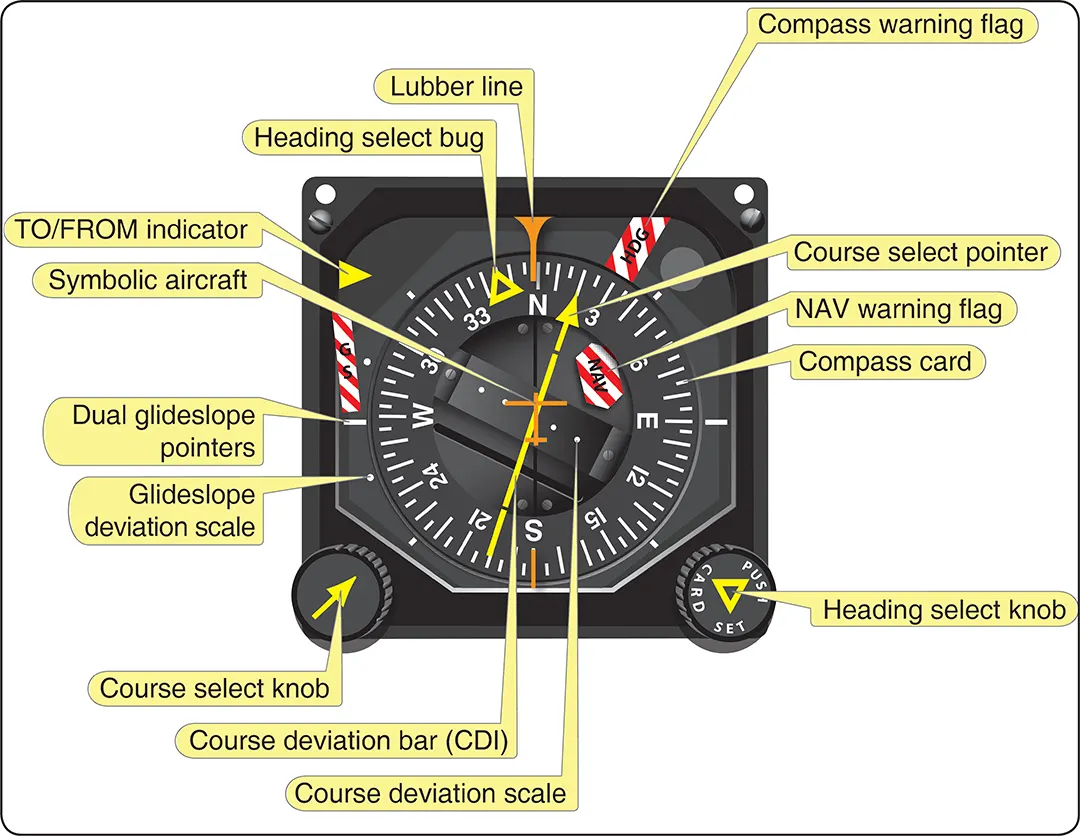
Horizontal Situation Indicator (HSI) The HSI is a direction indicator that uses the output from a flux valve to drive the dial, which acts as the compass card. This instrument, shown in Figure 1, combines the magnetic compass with navigation signals and a glideslope. This gives the pilot an indication of the location of the … Read more

Flight Support Systems for IFR

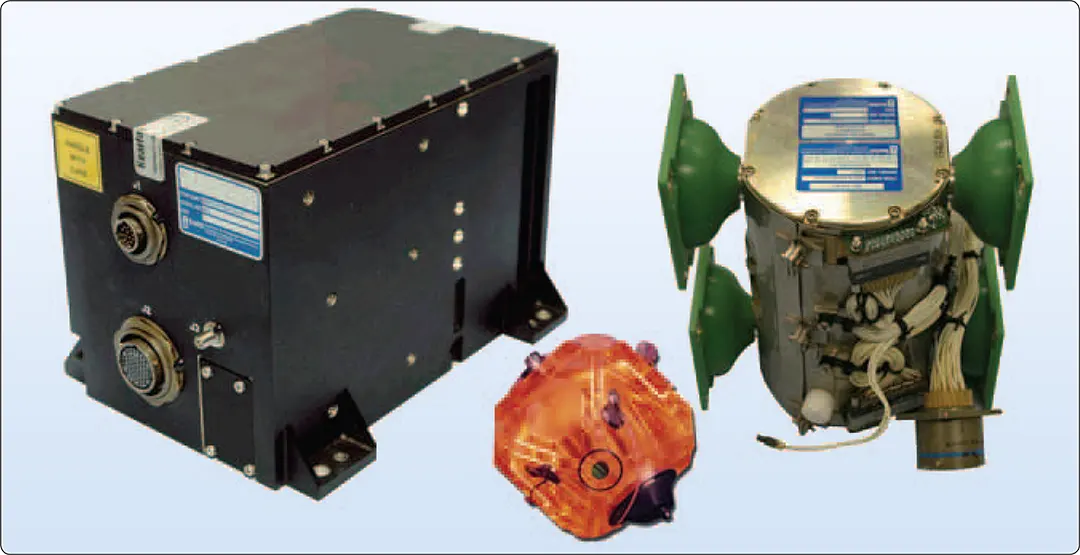
Modern instrument flight relies on integrated flight support systems that provide pilots with precise attitude, heading, and air data information when visual references are limited or unavailable. Attitude and Heading Reference Systems (AHRS) and Air Data Computers (ADC) replace traditional gyroscopic instruments and pitot-static devices, combining multiple sensors and processing units to deliver accurate, reliable … Read more

Aircraft Gyroscopic Instruments

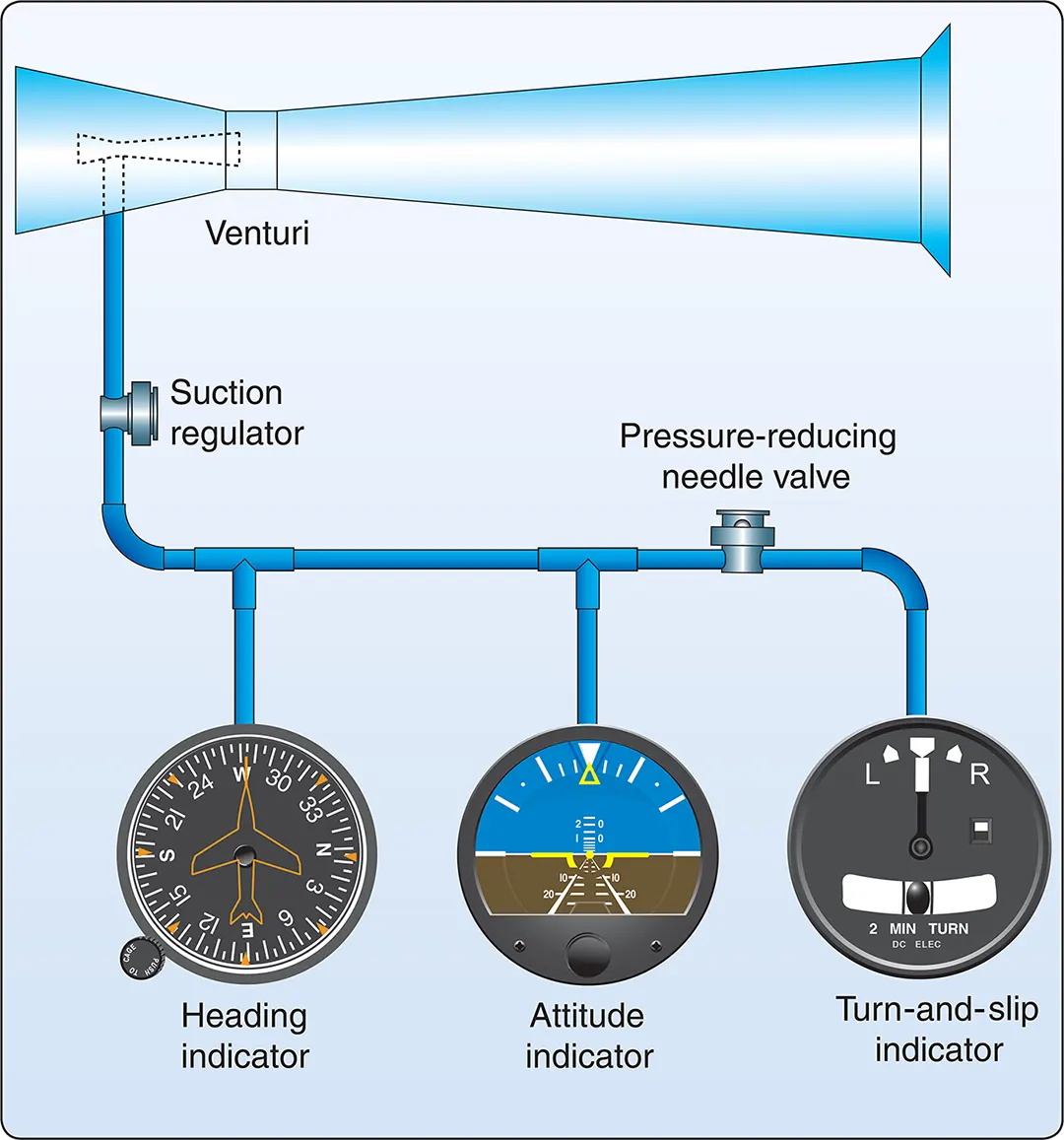
Flight without reference to a visible horizon can be safely accomplished by the use of gyroscopic instrument systems and the two characteristics of gyroscopes, which are rigidity and precession. These systems include attitude, heading, and rate instruments, along with their power sources. A gyroscope (gyro) consists of a rotor, a small wheel with most of … Read more

Aircraft Magnetic Compass

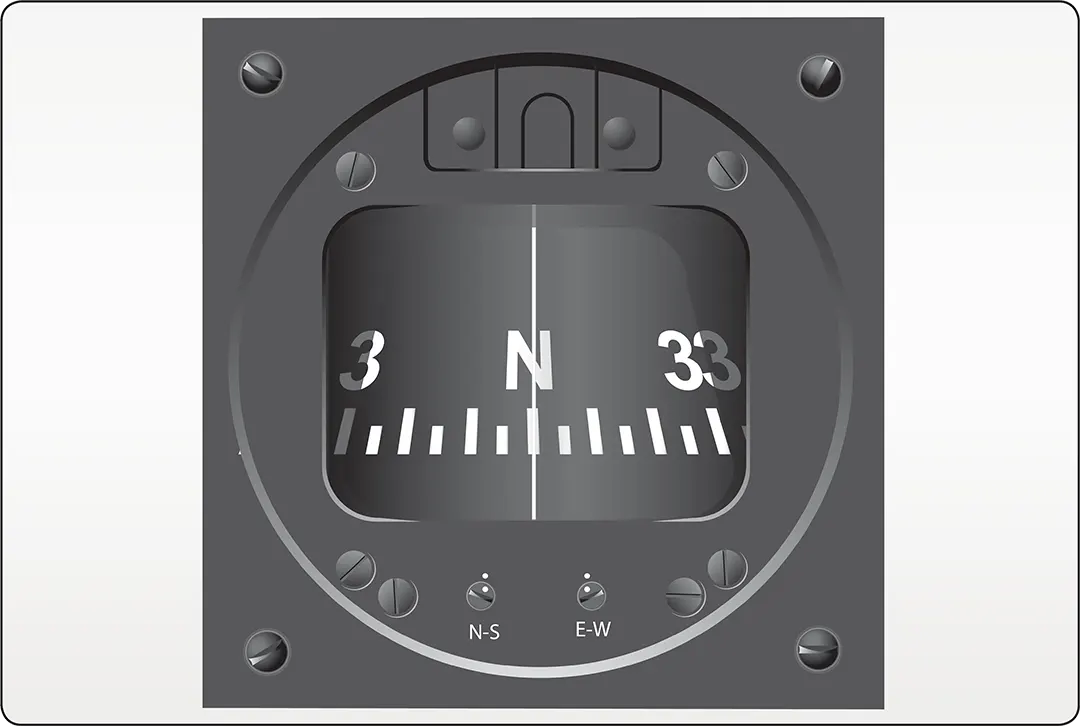
The Earth is a huge magnet, spinning in space, surrounded by a magnetic field made up of invisible lines of flux. These lines leave the surface at the magnetic North Pole and reenter at the magnetic South Pole. Lines of magnetic flux have two important characteristics: any magnet that is free to rotate aligns with … Read more

Dynamic Pressure Type Instruments

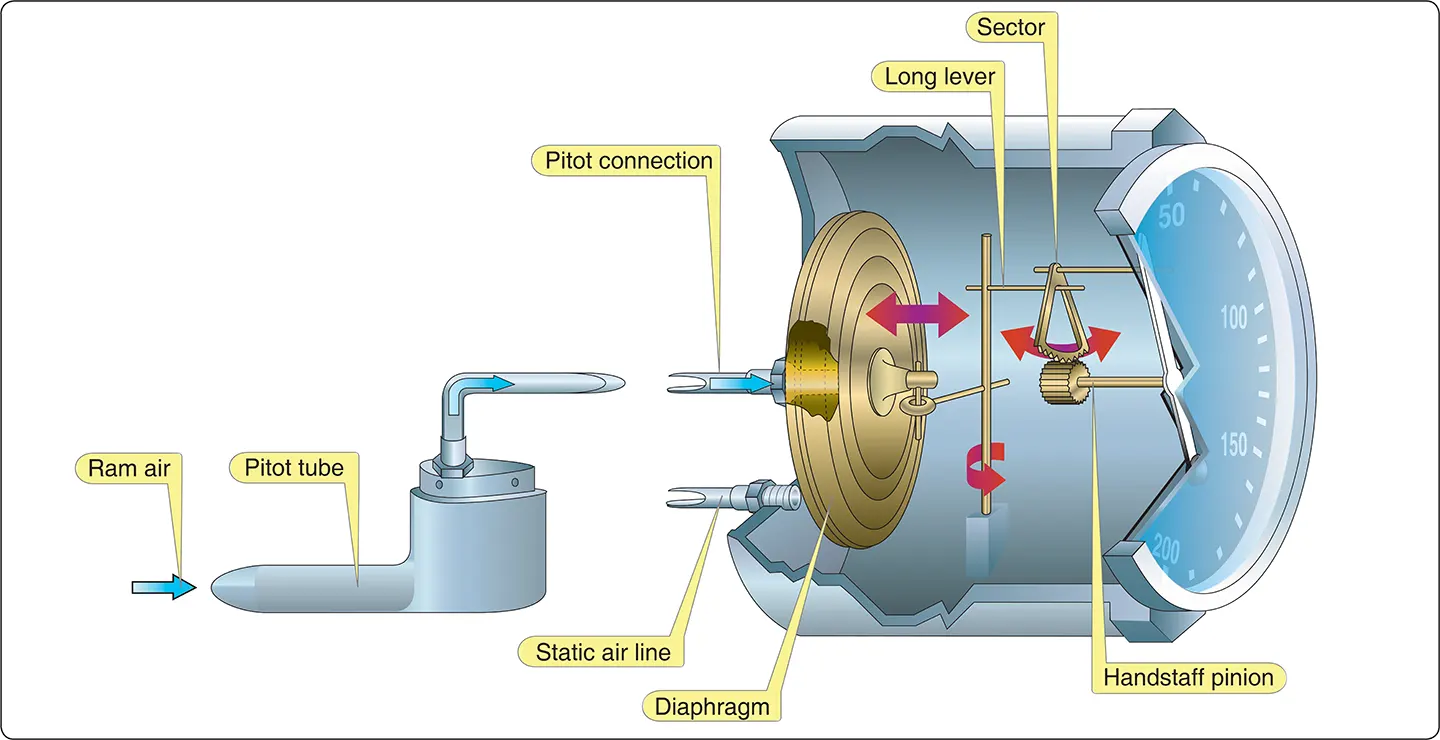
Accurate airspeed information is fundamental to safe aircraft operation, especially during takeoff, climb, cruise, approach, and landing. Dynamic pressure type instruments, primarily the Airspeed Indicator (ASI), rely on the pitot static system to measure the aircraft’s movement through the air. Understanding how airspeed is sensed, displayed, and corrected for changing atmospheric conditions is essential for … Read more

Pitot-Static Instruments for IFR Operations

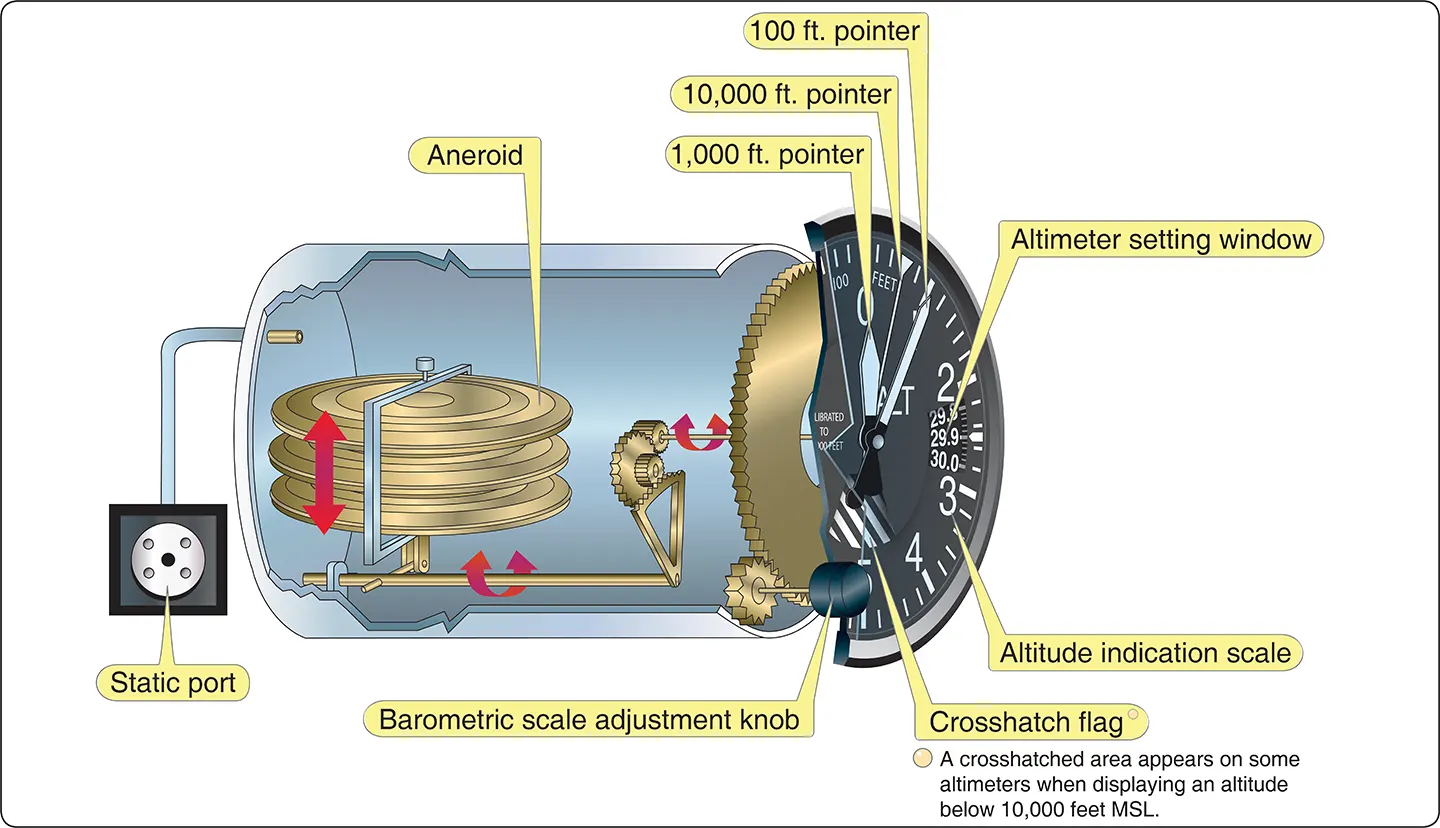
Accurate flight instruments are the backbone of safe aircraft operations under both VFR and IFR conditions. This article explains the operation, errors, and practical use of pitot-static instruments, including the sensitive altimeter and vertical speed indicator (VSI), helping pilots understand how pressure, temperature, and system blockages can affect altitude and airspeed readings. Mastery of these … Read more

Pitot-Static Systems for IFR Flight Operations

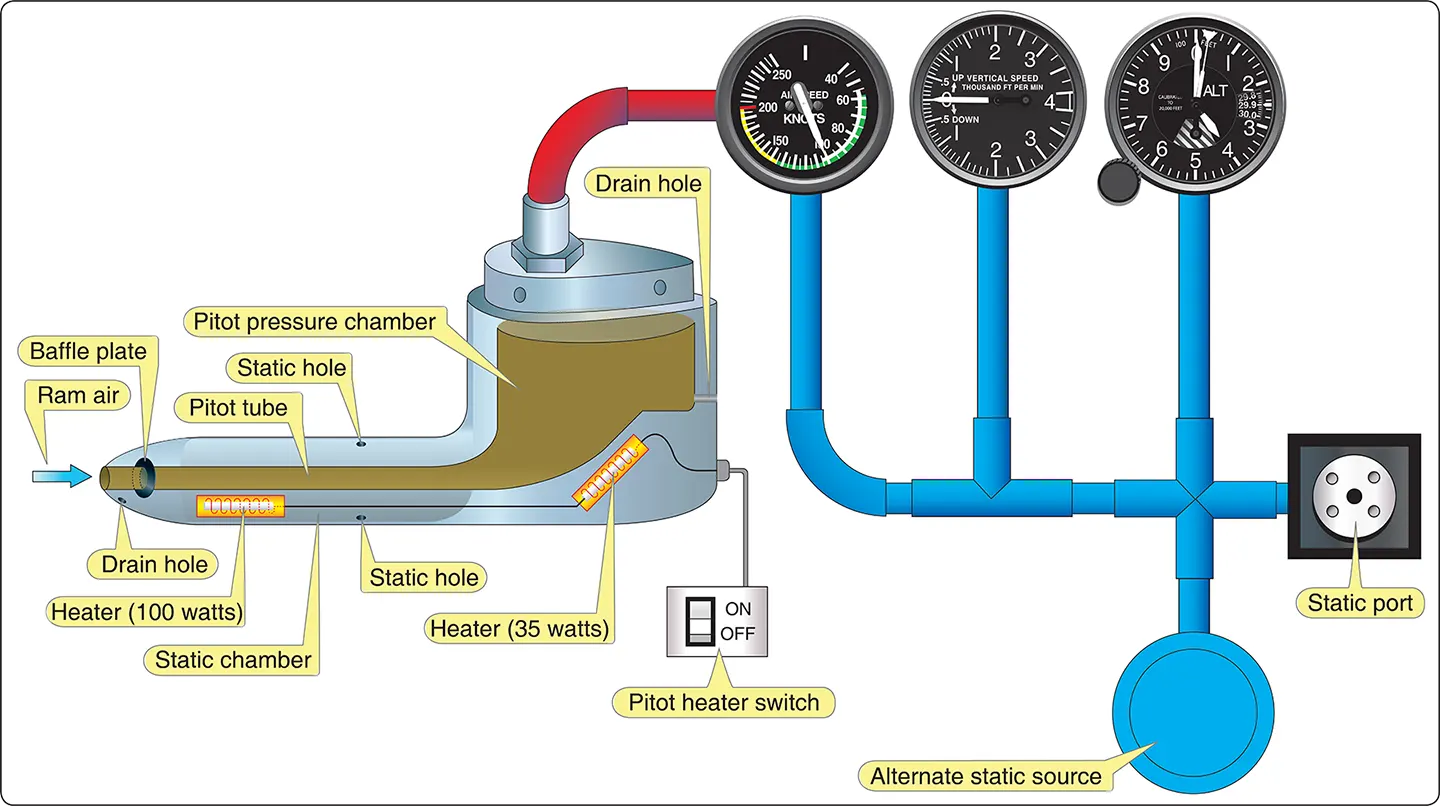
Pitot pressure, or impact air pressure, is sensed through an open-end tube pointed directly into the relative wind flowing around the aircraft. The pitot tube connects to the ASI or an air data computer depending on your aircraft’s configuration. Static Pressure Static pressure is also used by the ASI as well as the other pitot … Read more

Flight Instruments for IFR Operations

Aircraft became a practical means of transportation when accurate flight instruments freed the pilot from the necessity of maintaining visual contact with the ground. These instruments are crucial to conducting safe operations, and a solid understanding of their inner workings is essential for every pilot. Beyond the basic VFR requirements (airspeed indicator, altimeter, and magnetic … Read more