Multiengine Airplane

Multiengine Airplane Training Considerations

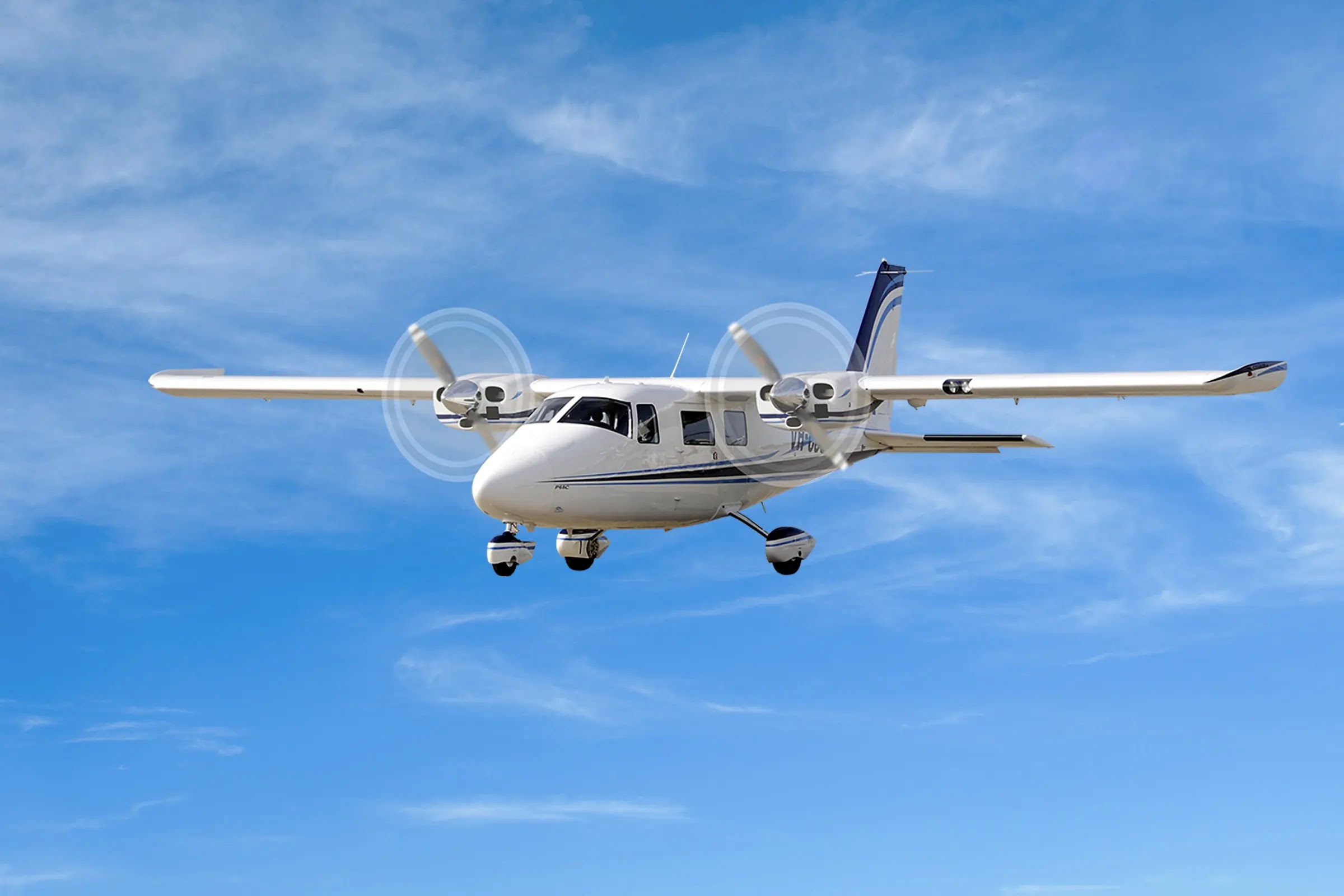
Flight training in a multiengine airplane can be safely accomplished if both the instructor and the learner consider the following factors. The participants should conduct a preflight briefing of the objectives, maneuvers, expected learner actions, and completion standards before the flight begins. A clear understanding exists as to how simulated emergencies will be introduced, and … Read more
1

Viewing the Airplane as an Energy System

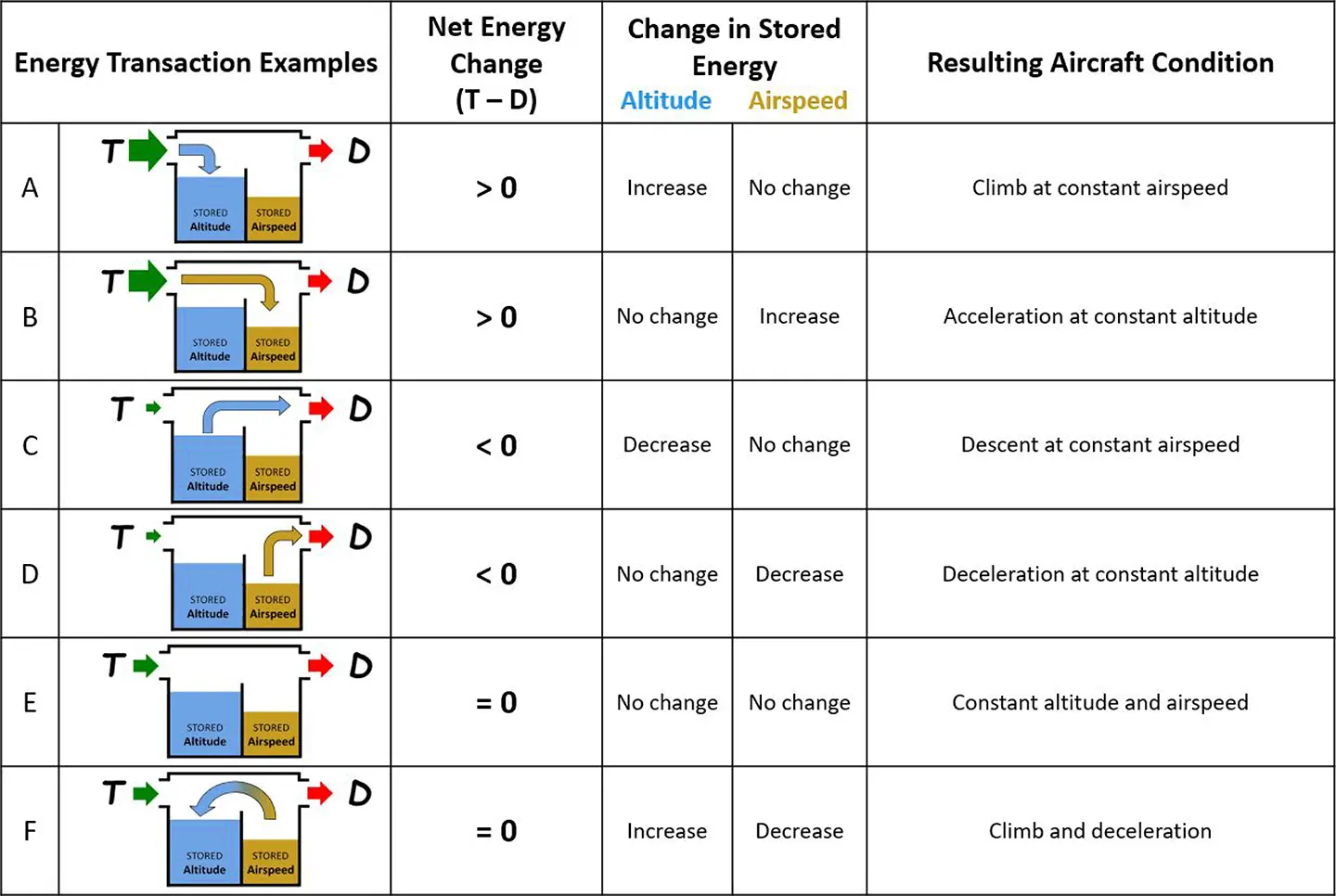
The total mechanical energy of an airplane in flight is the sum of its potential energy from altitude and kinetic energy from airspeed. The potential energy is expressed as mgh, and the kinetic energy as ½ mV². Thus, the airplane’s total mechanical energy can be stated as: mgh + ½ mV² Where, m = massg … Read more

Airplane Night Approach Illusions and Emergencies

To prevent these illusions and their potentially hazardous consequences, pilots can: Anticipate the possibility of visual illusions during approaches to unfamiliar airports, particularly at night or in adverse weather conditions. Consult airport diagrams and the Chart Supplements for information on runway slope, terrain, and lighting. Make frequent reference to the altimeter, especially during all approaches, … Read more

1

Airplane Flap Use During Approaches and Landings

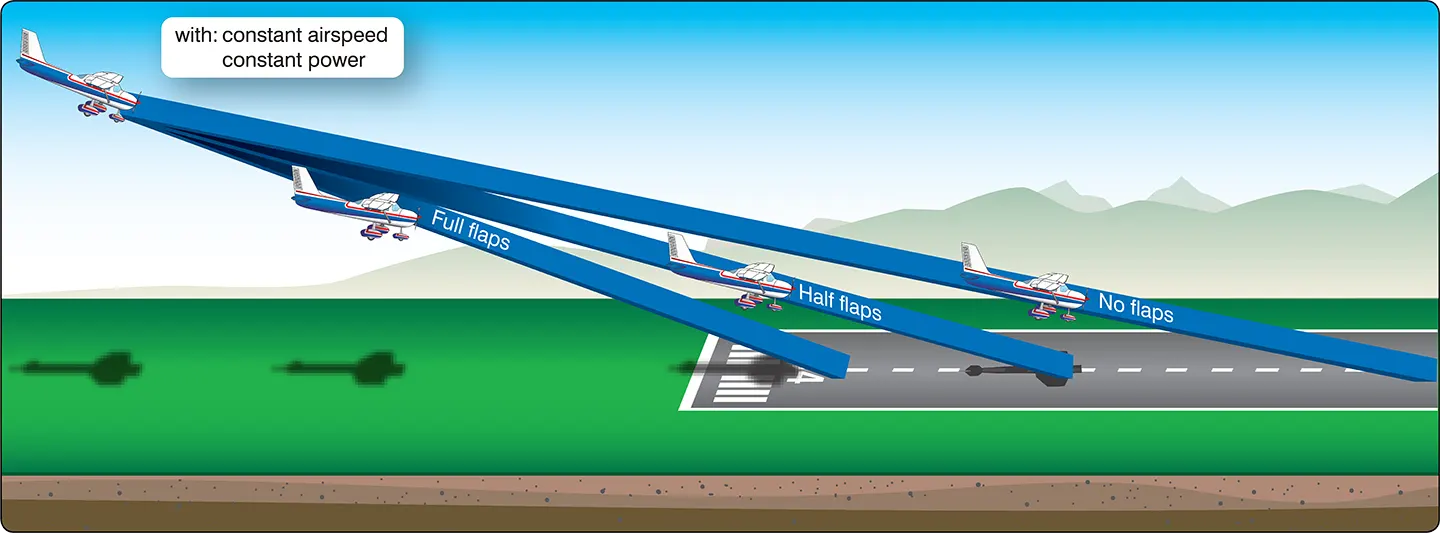
The following general discussion applies to airplanes equipped with flaps. The pilot may use landing flaps during the descent to adjust lift and drag. Flap settings help determine the landing spot and the descent angle to that spot. [Figure 1 and Figure 2] Flap extension during approaches and landings provides several advantages by: Producing greater … Read more

10

Flight Safety Practices and Procedures

Safety Considerations In the interest of safety and good habit pattern formation, there are certain basic flight safety practices and procedures that should be emphasized by the flight instructor, and adhered to by both instructor and learner, beginning with the very first dual instruction flight. These include, but are not limited to, collision avoidance procedures … Read more

8

Flight Training Sources, ACS and Practical Tests

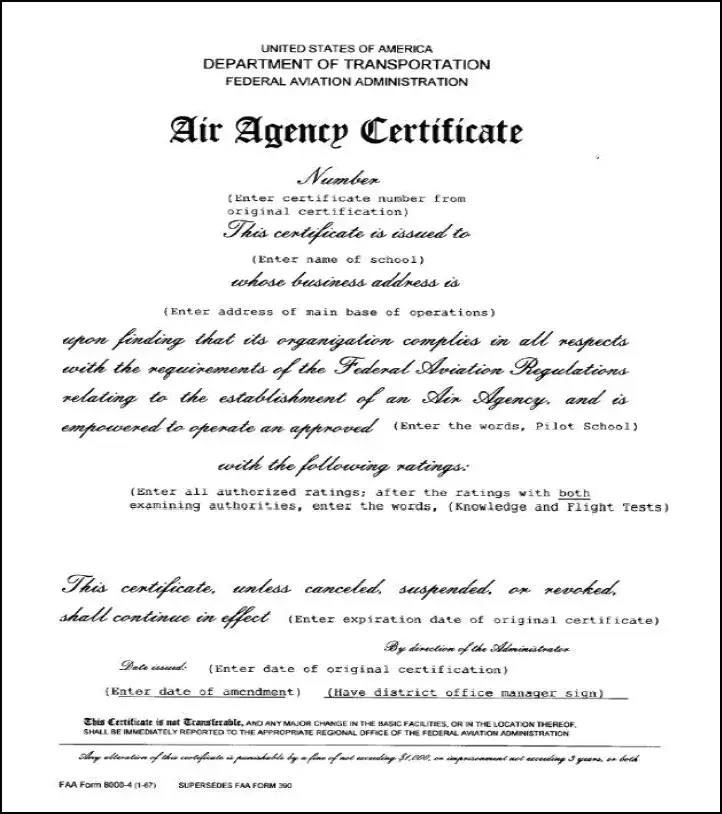
Sources of Flight Training The major sources of flight training in the United States include FAA-approved pilot schools and training centers, non-certificated (14 CFR part 61) flying schools, and independent flight instructors. FAA-approved schools are those flight schools certificated by the FAA as pilot schools under 14 CFR part 141. [Figure 1] Application for part … Read more

Pilot training

Airplane Flying Training for Student and Aspiring Pilots

This section is designed to equip aspiring pilots with the foundational knowledge and skills required to begin their journey in aviation. Whether you’re just starting your flight training or working toward advanced certifications, this section serves as a reliable resource to support your progress. A Resource for Every Stage of Pilot Training This section is … Read more

Airplane emergency procedures

Airplane Emergency Procedures

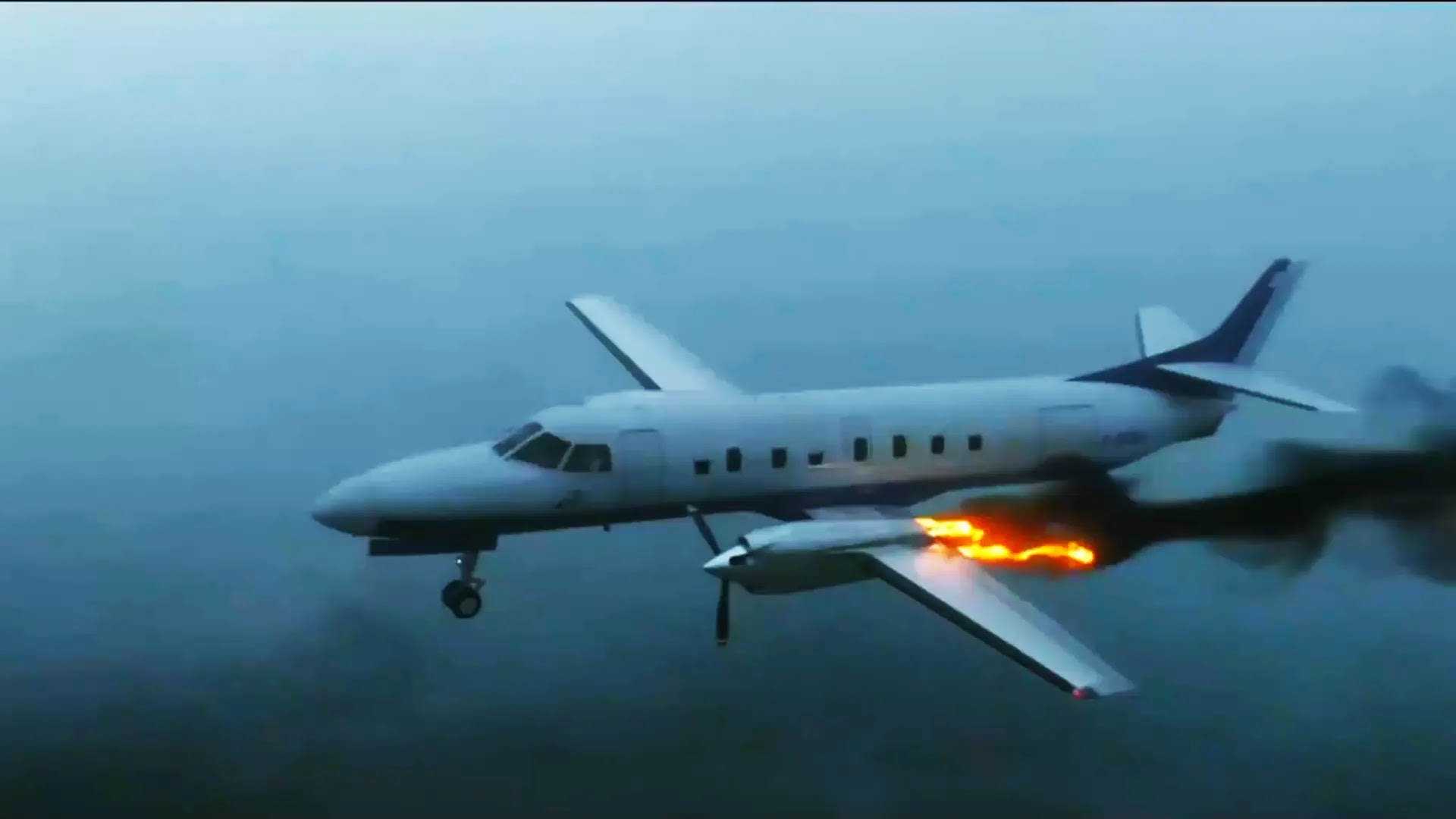
This section contains information on dealing with non-normal and emergency situations that may occur in flight. The key to successful management of an emergency situation, and/ or preventing a non-normal situation from progressing into a true emergency, is a thorough familiarity with, and adherence to, the procedures developed by the airplane manufacturer and contained in … Read more

2

Transition to Light Sport Airplanes (LSA)

The light-sport aircraft (LSA) concept broadens the access of flight to more people. LSA have been defined as a simple-to-operate, easy-to-fly aircraft; however, “simple-to-operate” and “easy-to-fly” do not negate the need for proper and effective training. This post introduces the light-sport category of airplanes and places emphasis on transition to a light-sport airplane. Even though … Read more