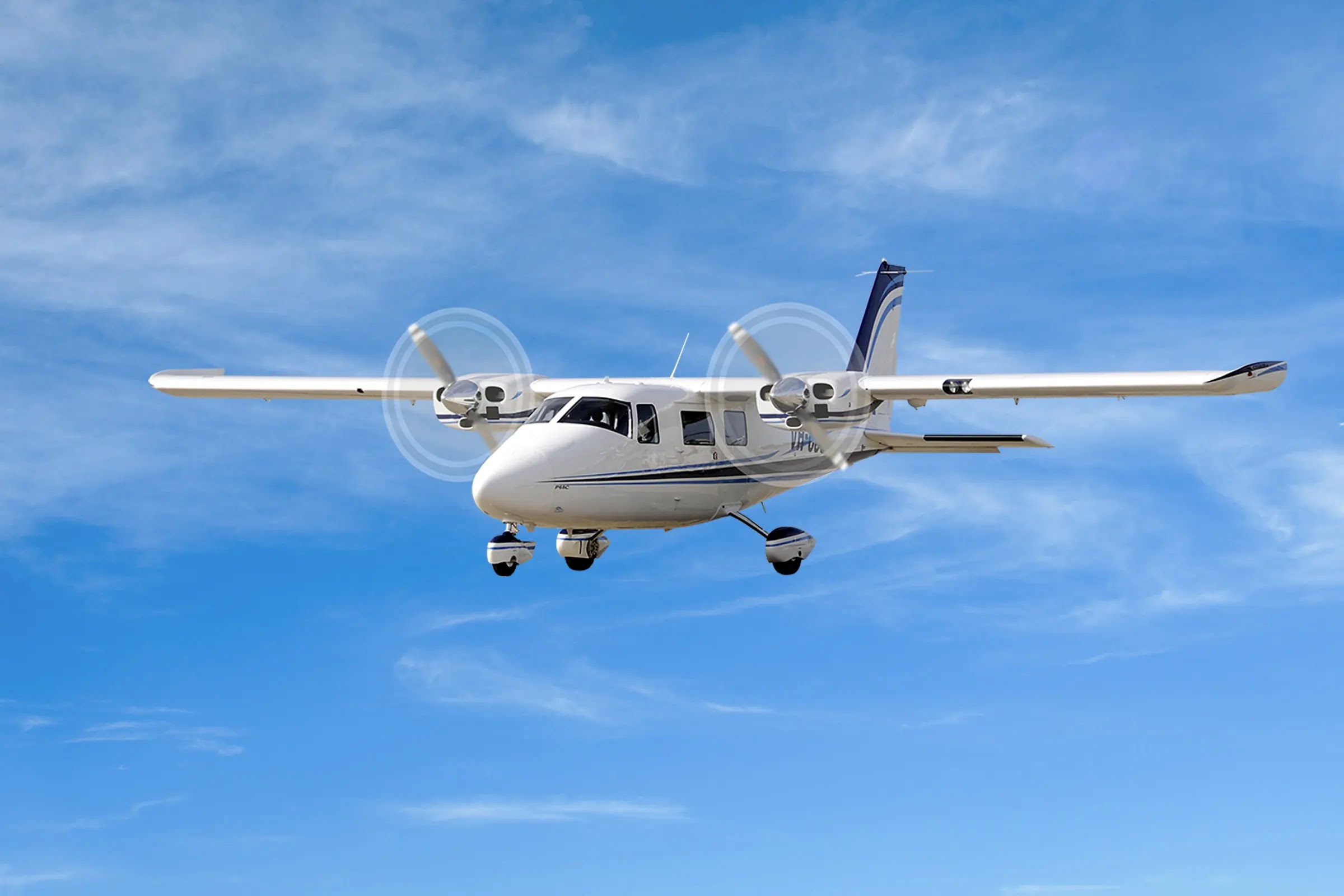
Multiengine Airplane Training Considerations

Flight training in a multiengine airplane can be safely accomplished if both the instructor and the learner consider the following factors. The participants should conduct a preflight briefing of the objectives, maneuvers, expected learner actions, and completion standards before the flight begins. A clear understanding exists as to how simulated emergencies will be introduced, and … Read more

Transition to Multiengine Airplanes

This section is devoted to the factors associated with the operation of small multiengine airplanes. For the purpose of this section, a “small” multiengine airplane is a reciprocating or turbopropeller-powered airplane with a maximum certificated takeoff weight of 12,500 pounds or less. This discussion assumes a conventional design with two engines—one mounted on each wing. … Read more

Multiengine Airplane Level-Off and Cruise

Upon leveling off at cruising altitude, the pilot should allow the airplane to accelerate at climb power until cruising airspeed is achieved, and then cruise power and rpm should be set. To extract the maximum cruise performance from any airplane, the power setting tables provided by the manufacturer should be closely followed. If the cylinder … Read more

Multiengine Airplane Ground Operation

Good habits learned with single-engine airplanes are directly applicable to multiengine airplanes for preflight and engine start. Upon placing the airplane in motion to taxi, the new multiengine pilot notices several differences, however. The most obvious is the increased wingspan and the need for even greater vigilance while taxiing in close quarters. Ground handling may … Read more

Multiengine Airplane Slow Flight, Spin Awareness, and Stalls

Slow Flight There is nothing unusual about maneuvering during slow flight in a multiengine airplane. Slow flight may be conducted in straightand-level flight, turns, climbs, or descents. It can also be conducted in the clean configuration, landing configuration, or at any other combination of landing gear and flaps. Slow flight in a multiengine airplane should … Read more

Multiengine Airplane Engine Inoperative Flight Principles

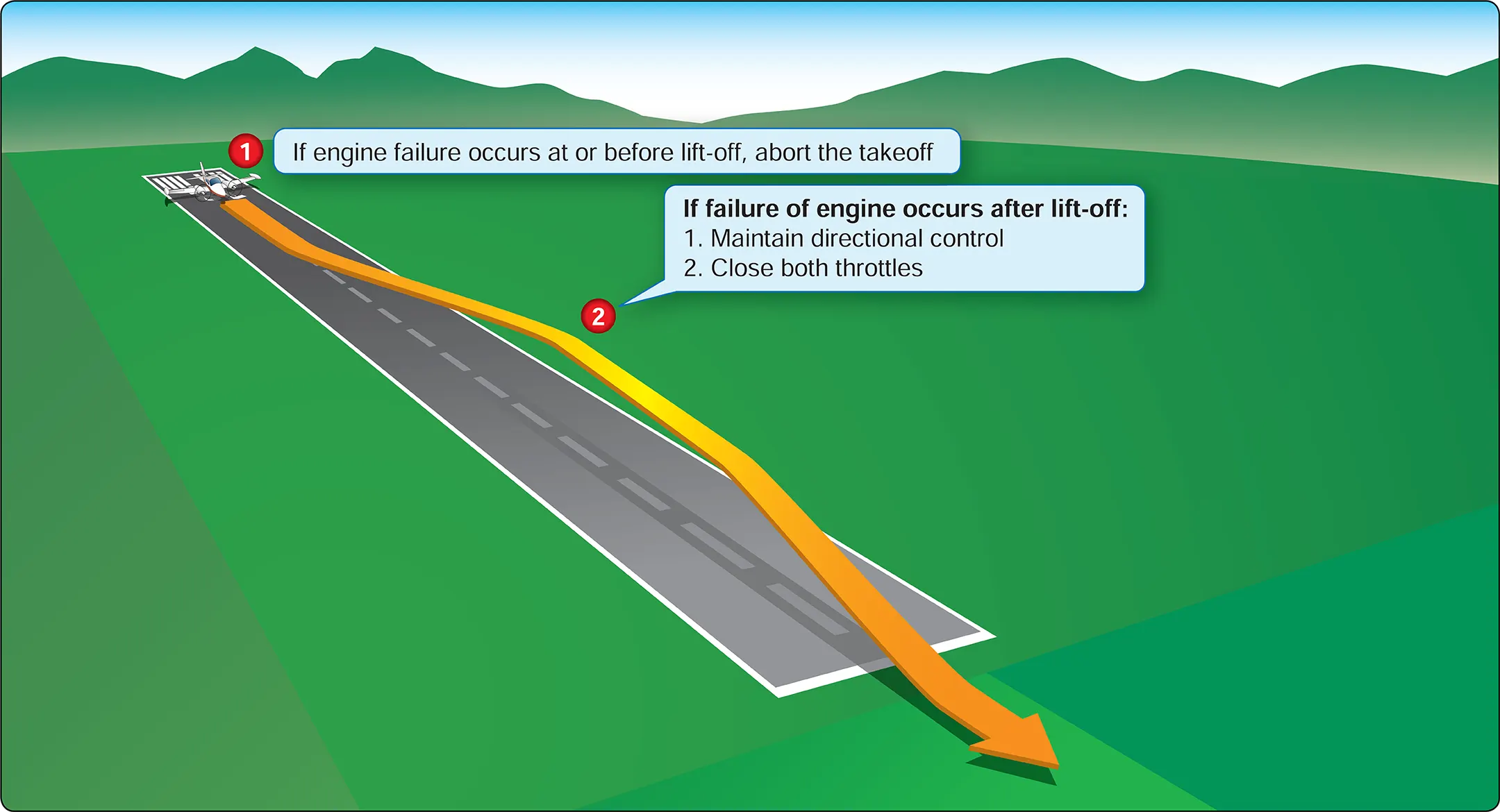
There are two main considerations for OEI operations—performance and control. Multiengine pilots learn to operate the airplane for maximum rate of climb performance at the blue radial indicated airspeed by training to fly without sideslip. Pilots also learn to recognize and recover from loss of directional control associated with the red radial indicated airspeed by … Read more

Multiengine Airplane Short-Field Takeoff and Landing

Short-Field Takeoff and Climb The short-field takeoff and climb differs from the normal takeoff and climb in the airspeeds and initial climb profile. Some AFM/POHs give separate short-field takeoff procedures and performance charts that recommend specific flap settings and airspeeds. Other AFM/POHs do not provide separate short-field procedures. In the absence of such specific procedures, … Read more