Multiengine Airplane Normal Approach and Landing

Given the higher cruising speed (and frequently altitude) of multiengine airplanes over most single-engine airplanes, the descent needs to be planned in advance. A hurried, last minute descent with power at or near idle is inefficient and can cause excessive engine cooling. It may also lead to passenger discomfort, particularly if the airplane is unpressurized. … Read more

Multiengine Airplane Normal and Crosswind Takeoff and Climb

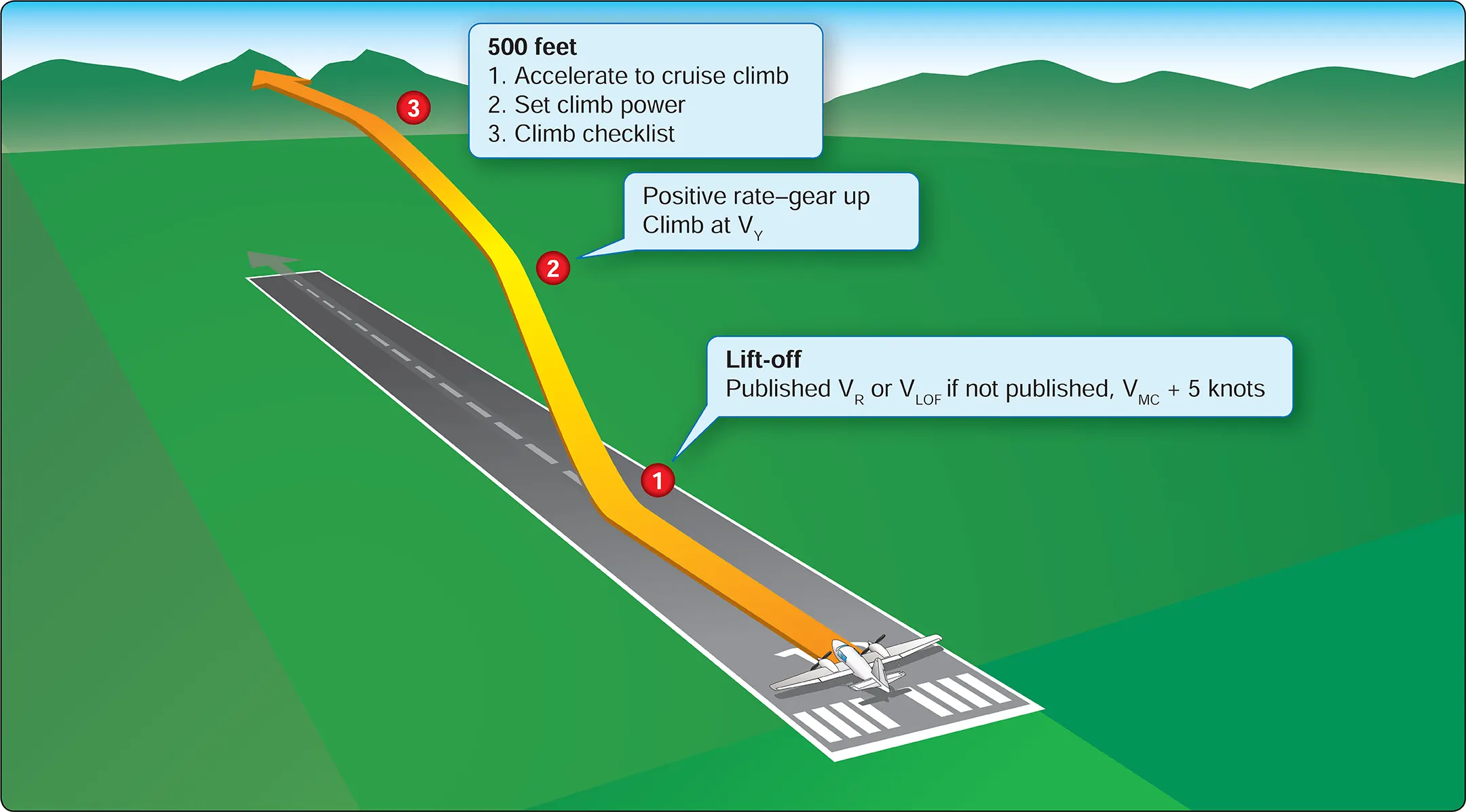
After completing the before takeoff checklist and pre-takeoff safety brief, and after receiving an air traffic control (ATC) clearance (if applicable), the pilot should check for approaching aircraft and line up on the runway centerline. If departing from an airport without an operating control tower, the pilot should listen on the appropriate frequency, make a … Read more

Multiengine Airplane Weight and Balance

The weight and balance concept is no different than that of a single-engine airplane. The actual execution, however, is almost invariably more complex due to a number of new loading areas, including nose and aft baggage compartments, nacelle lockers, main fuel tanks, auxiliary fuel tanks, nacelle fuel tanks, and numerous seating options in a variety … Read more

Multiengine Airplane Systems and Operation

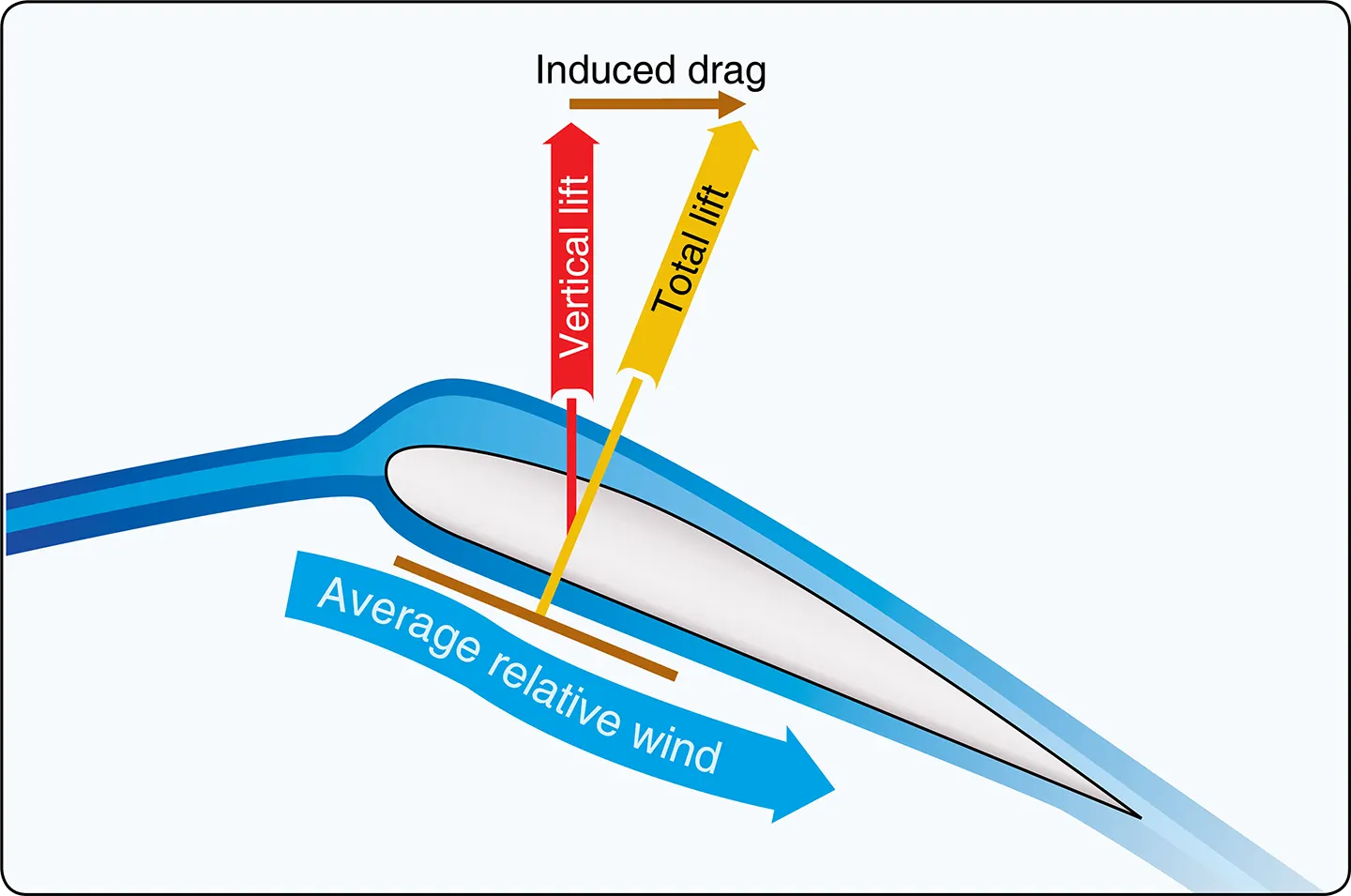
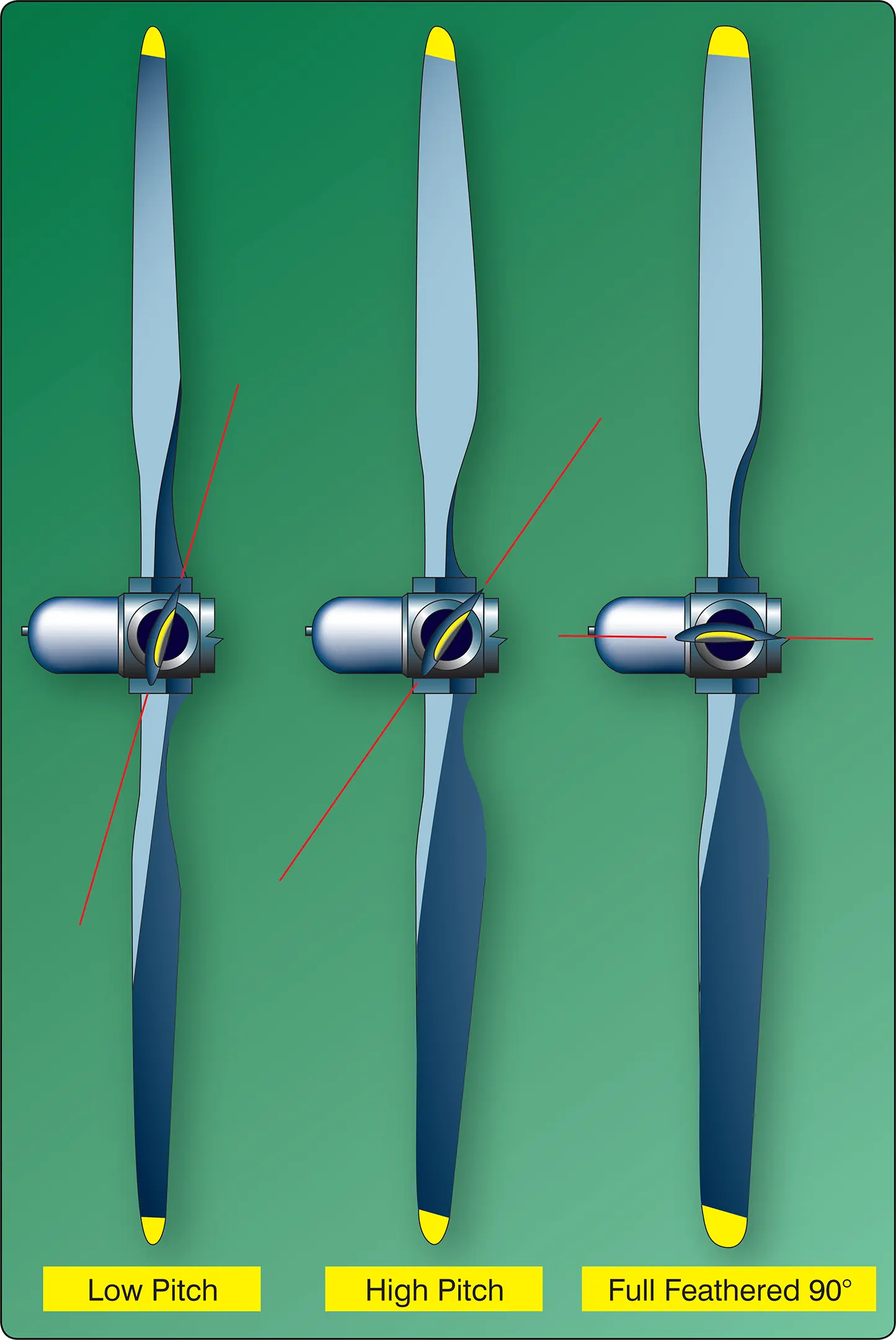
This post deals with systems and equipment that are generally installed in multiengine airplanes. Multiengine airplanes share many features with complex single-engine airplanes. However, there are certain features that are found more often in airplanes with two or more engines. Feathering Propellers Although the propellers of a multiengine airplane may appear identical to a constant-speed … Read more

Multiengine Airplane Performance and Limitations

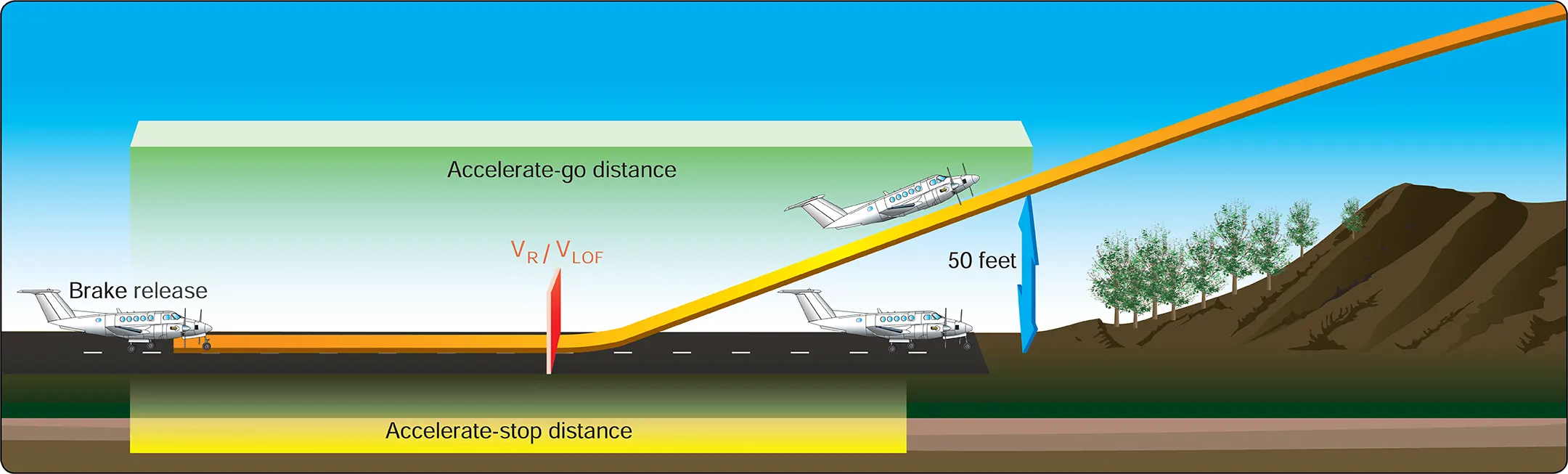
Discussion of performance and limitations requires the definition of the following terms. Accelerate-go distance is the horizontal distance required to continue the takeoff and climb to 50 feet, assuming an engine failure at VR or VLOF, as specified by the manufacturer. [Figure 1A] Climb gradient is a slope most frequently expressed in terms of altitude … Read more

Terms and Definitions for Multiengine Airplanes

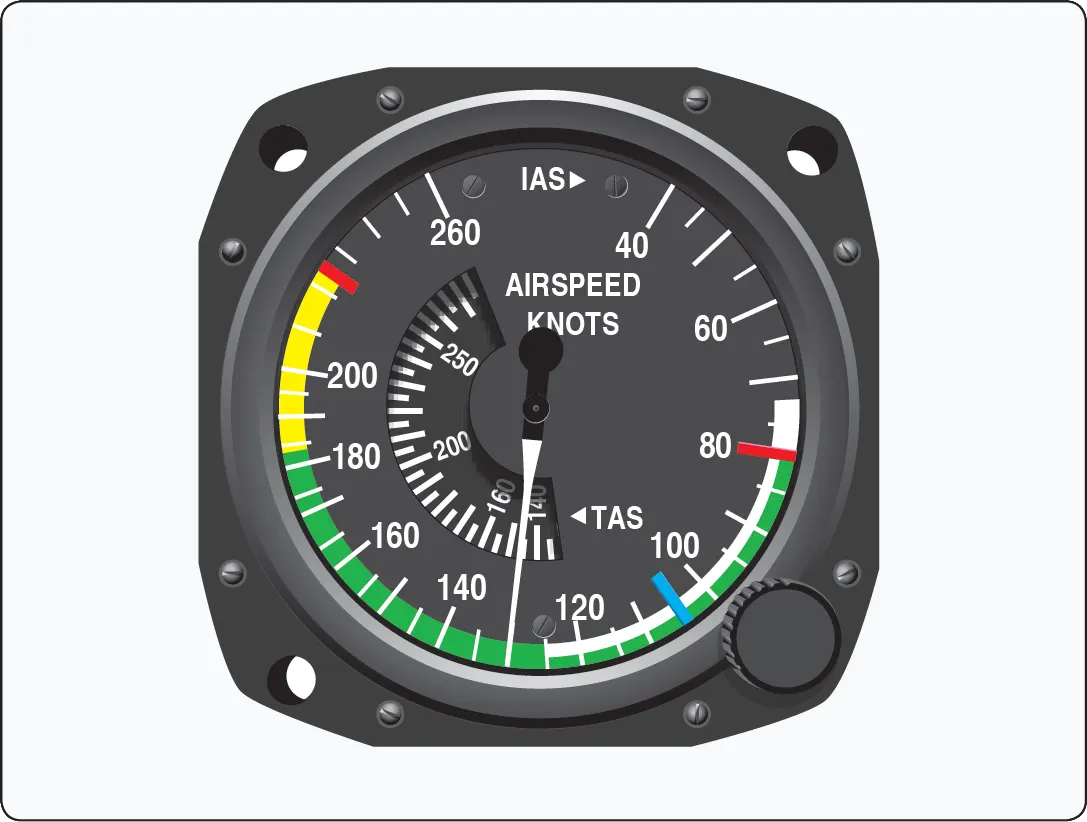
Pilots of single-engine airplanes are already familiar with many performance “V” speeds and their definitions. Twin-engine airplanes have several additional V-speeds unique to OEI operation. These speeds are differentiated by the notation “SE” for single engine. A review of some key V-speeds and several new V-speeds unique to twin-engine airplanes are listed below. Unless otherwise … Read more