
This section contains information on dealing with non-normal and emergency situations that may occur in flight. The key to successfully managing an emergency situation, or preventing a non-normal situation from progressing into a true emergency, is a thorough familiarity with and adherence to the procedures developed by the airplane manufacturer and contained in the Federal Aviation Administration (FAA)-approved Airplane Flight Manual and/or Pilot’s Operating Handbook (AFM/POH).
The following guidelines are generic and are not intended to replace the airplane manufacturer’s recommended procedures. Rather, they are intended to enhance the pilot’s general knowledge of non-normal and emergency operations. If any guidance on this site conflicts with the manufacturer’s recommended procedures for a particular make and model of airplane, the manufacturer’s recommended procedures take precedence.
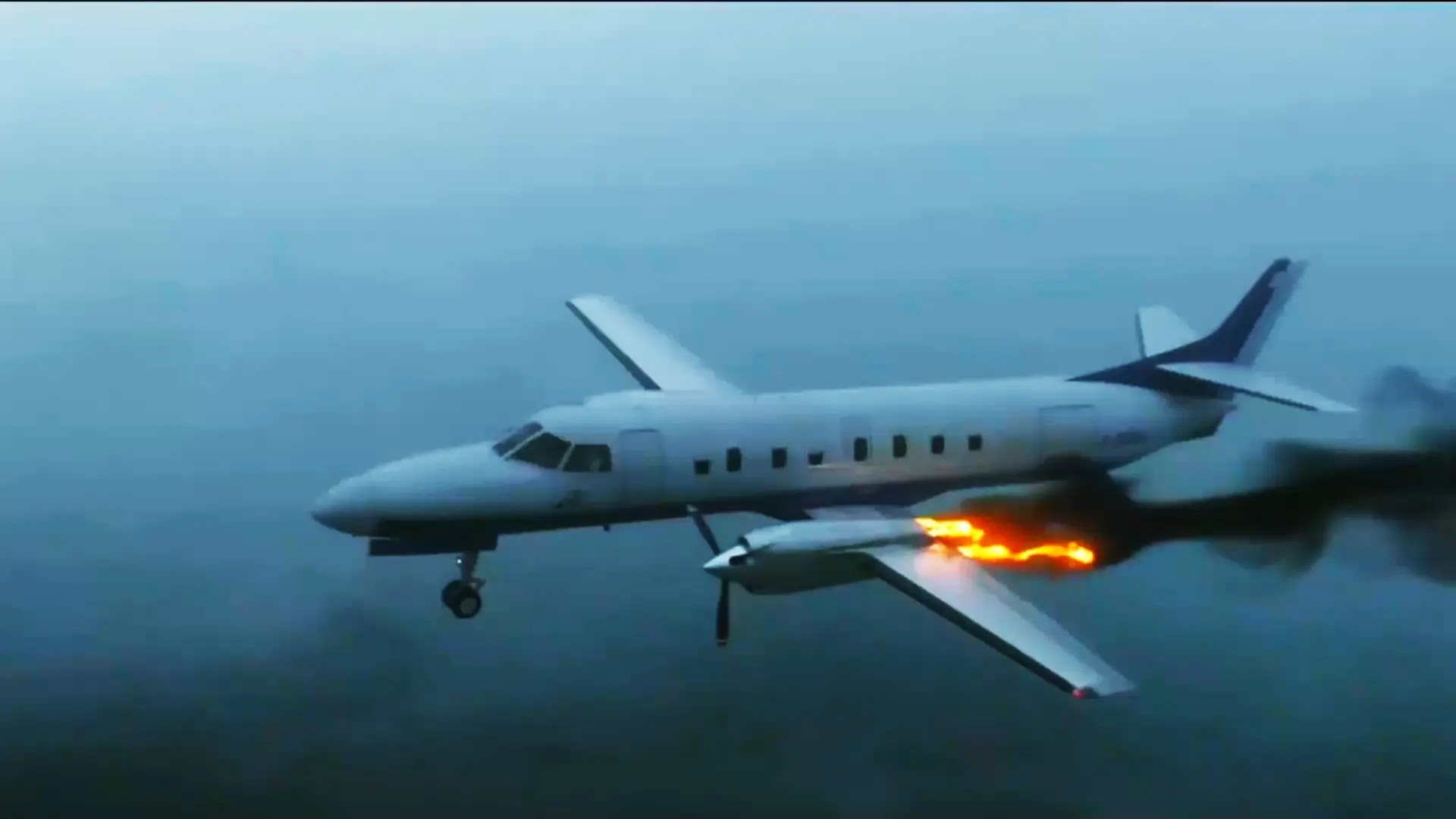
Explore the topics below to learn about common in-flight emergencies, the procedures used to manage them, and the safety considerations involved. Each topic covers a different emergency situation and provides guidance to help pilots understand the associated risks and response techniques.
Emergency Procedures Learning Path
1. Emergency Landings
Understand the types of emergency landings, psychological hazards, basic safety concepts, airplane configuration, approach procedures, and terrain selection.
View Topic →2. Engine Failure After Takeoff and Emergency Descents
Study the considerations and procedures associated with single-engine failure after takeoff and emergency descents.
View Topic →3. In-Flight Fire
Learn about engine fires, electrical fires, and cabin fires, including the emergency considerations associated with each type.
View Topic →4. Flight Control Malfunction or Failure
Explore total flap failure, asymmetric flap conditions, loss of elevator control, and landing gear malfunctions.
View Topic →5. Systems Malfunctions
Review electrical system and pitot-static system malfunctions, along with abnormal engine instrument indications.
View Topic →6. Door Opening In-Flight
Understand the considerations and recommended response to an inadvertent airplane door opening during flight.
View Topic →7. Inadvertent VFR Flight Into IMC
Learn to recognize inadvertent entry into instrument meteorological conditions and maintain airplane control through turns, climbs, and descents.
View Topic →8. Emergency Response Systems
Explore emergency response systems, including ballistic parachutes and Emergency Autoland systems.
View Topic →