Airplane Flap Use During Approaches and Landings

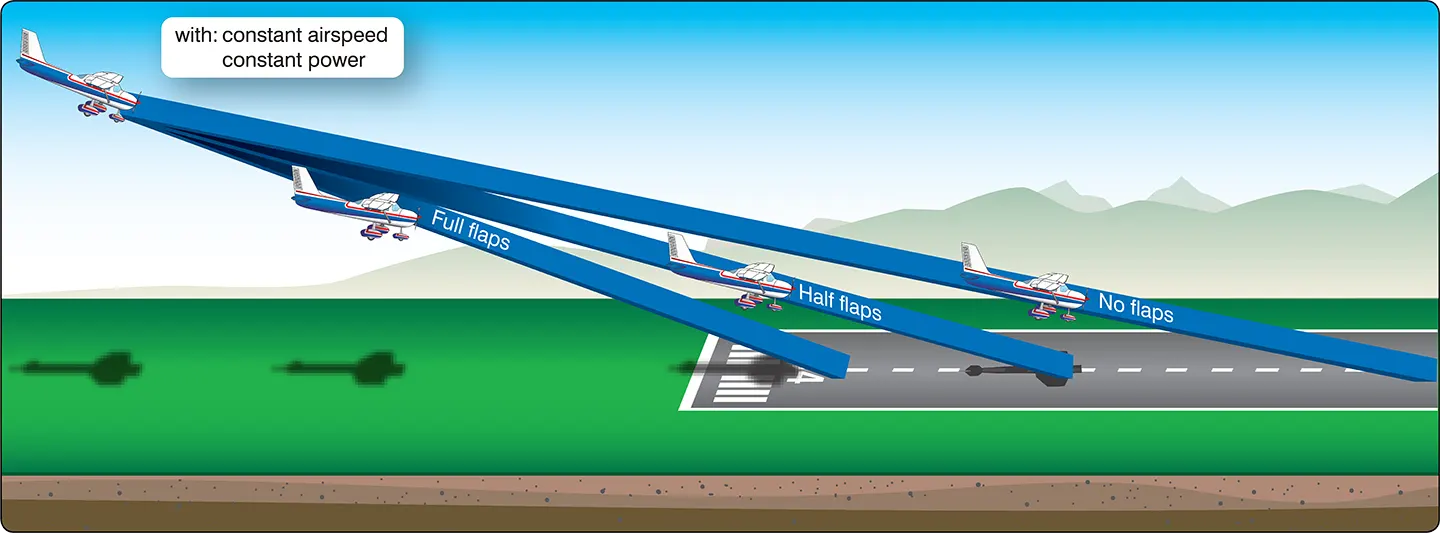
The following general discussion applies to airplanes equipped with flaps. The pilot may use landing flaps during the descent to adjust lift and drag. Flap settings help determine the landing spot and the descent angle to that spot. [Figure 1 and Figure 2] Flap extension during approaches and landings provides several advantages by: Producing greater … Read more


Airplane Approaches and Landings

There is an old saying that while takeoff is optional, landing is mandatory. In consideration of that adage, this section focuses on the approach to landing, factors that affect landings, types of landings, and aspects of faulty landings. A careful pilot knows that the safe outcome of a landing should never be in doubt. Pilots … Read more

Airplane Hydroplaning: Types, Effects, and Prevention

Hydroplaning is a condition that can exist when an airplane has landed on a runway surface contaminated with standing water, slush, or wet snow. Hydroplaning can have serious adverse effects on ground controllability and braking efficiency. The three basic types of hydroplaning are dynamic hydroplaning, reverted rubber hydroplaning, and viscous hydroplaning. Any one of the … Read more

Airplane Faulty Approaches and Landings

Landing involves many precise, time-sensitive, and sequential control inputs. When corrected early, small errors are often not noticeable. On the other hand, uncorrected errors may place the airplane and occupants in an undesirable state. Since pilot training normally includes exposure to landing deviations and their appropriate remedies, this section covers several common landing imperfections. Low … Read more

Airplane Simulated Emergency Approaches and Landings

During dual training flights, the instructor should give simulated emergency landings by retarding the throttle and calling “simulated emergency landing.” The objective of these simulated emergency landings is to develop a pilot’s accuracy, judgment, planning, procedures, and confidence when little or no power is available. A simulated emergency landing may be given with the airplane … Read more

Airplane Power-Off Accuracy Approaches

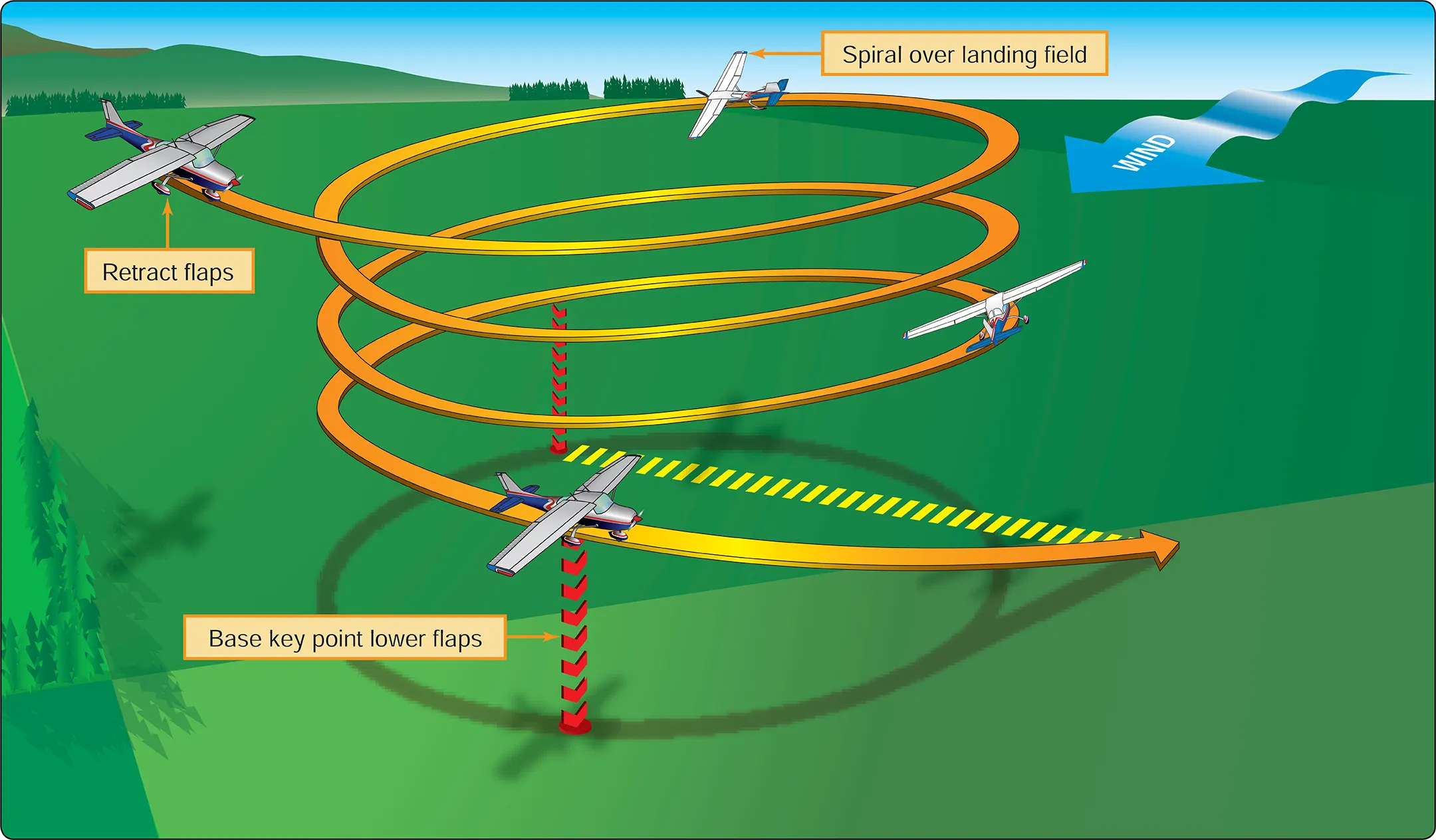
Power-off accuracy approaches and landings involve gliding to a touchdown at a given point (or within a specified distance beyond that point), while using a specific pattern and with the engine idling. The objective is to instill in the pilot the judgment and procedures necessary for accurately flying the airplane, without power, to a safe … Read more

Airplane Soft-Field Approach and Landing

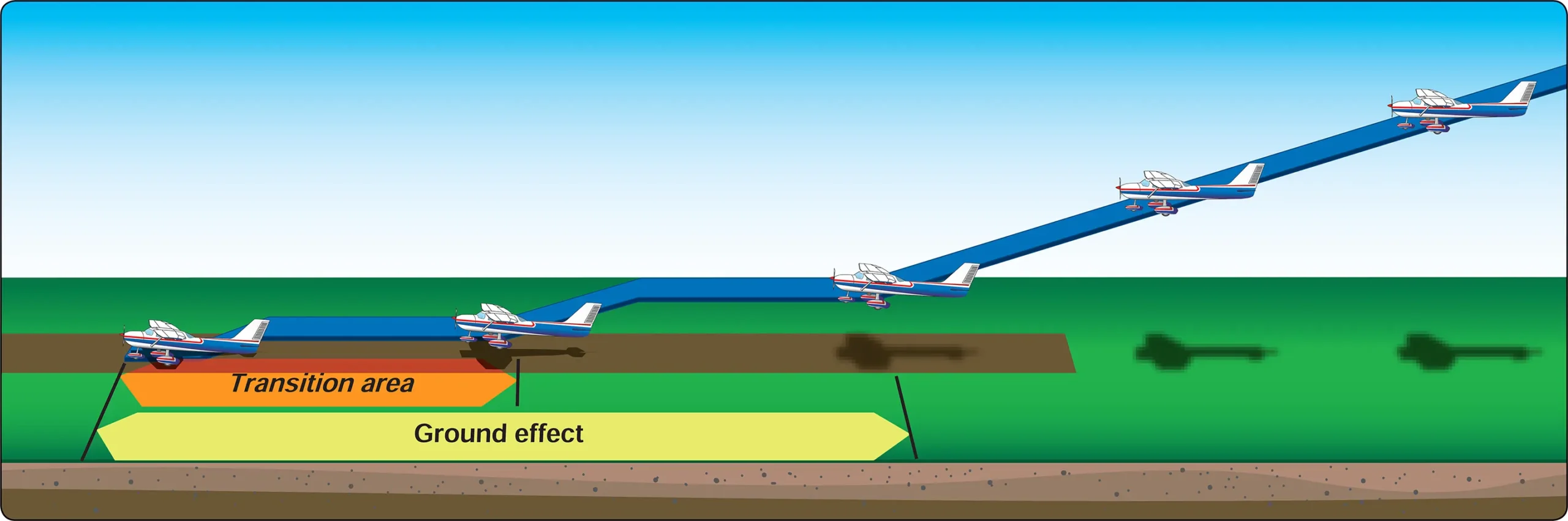
Landing on fields that are rough or have soft surfaces, such as snow, sand, mud, or tall grass, requires unique procedures. When landing on such surfaces, the objective is to touch down as smoothly as possible and at the slowest possible landing speed. A pilot needs to control the airplane in a manner that the … Read more

Airplane Short-Field Approach and Landing

Short-field approaches and landings require the use of procedures for approaches and landings at fields with a relatively short landing area or where an approach is made over obstacles that limit the available landing area. [Figure 1 and Figure 2] This low-speed type of power-on approach is closely related to the performance of flight near … Read more

Airplane Approach and Landing in Turbulent Air

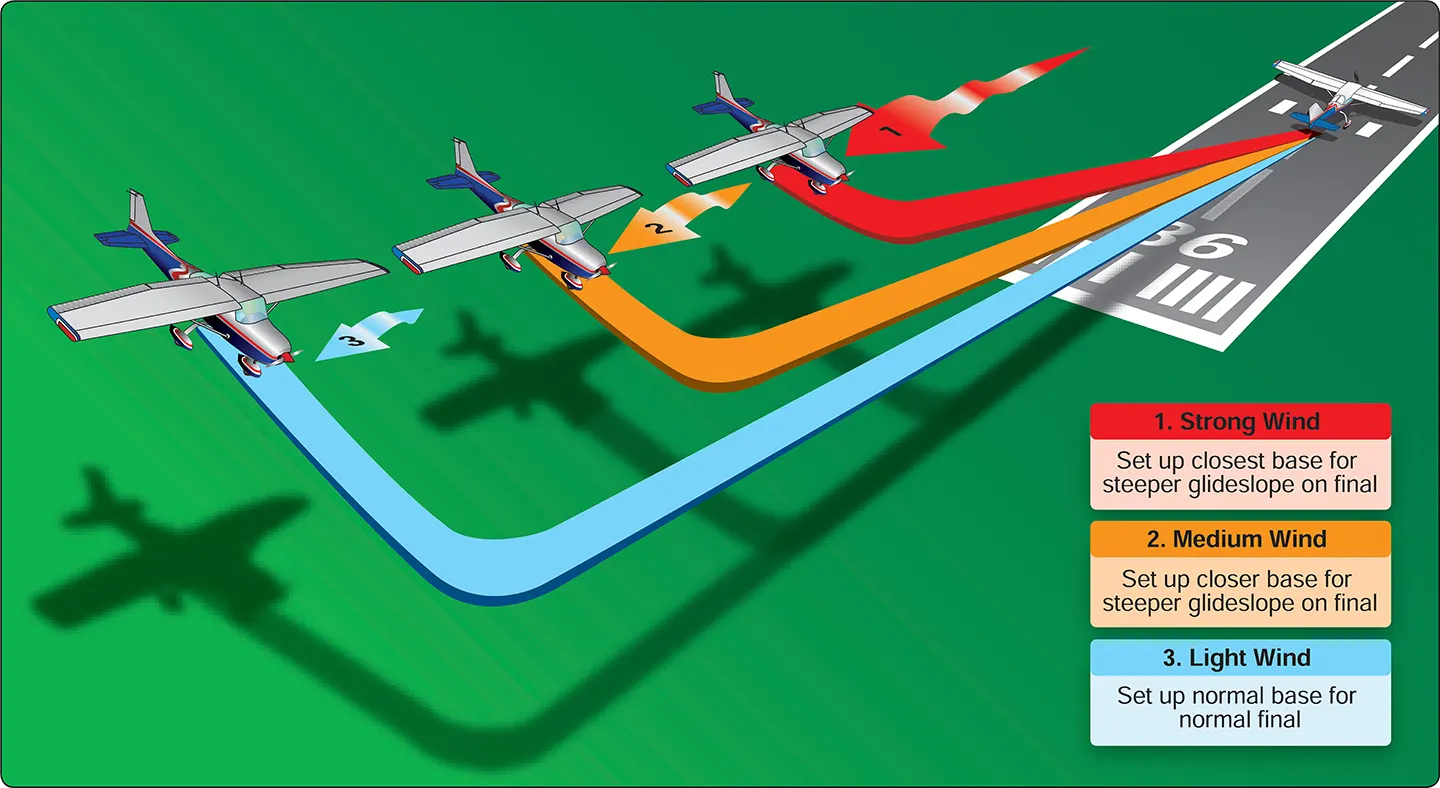
For landing in turbulent conditions, the pilot should use a power-on approach at an airspeed slightly above the normal approach speed. This provides for more positive control of the airplane when strong horizontal wind gusts, or up and down drafts, are experienced. Like other power-on approaches, a coordinated combination of both pitch and power adjustments … Read more

Airplane Crosswind Approach and Landing

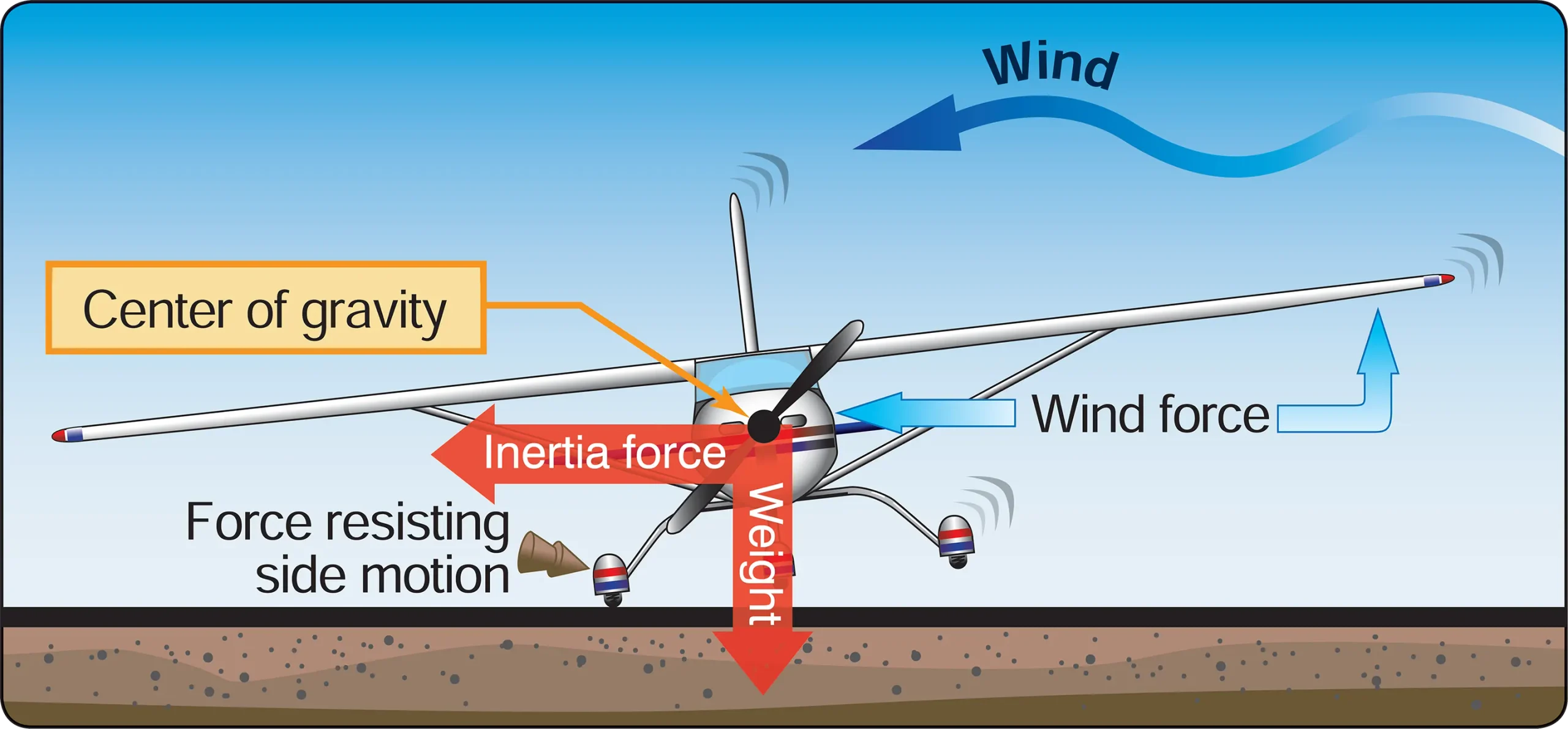
Most runways or landing areas are such that landings need to be made while the wind is blowing at an angle to the runway rather than parallel to the landing direction. All pilots should be prepared to manage a crosswind situation when it arises. Many of the same basic principles and factors involved in a … Read more