Airplane Emergency Response Systems

Airplanes may have installed systems that provide alternatives in certain emergency situations. For example, ballistic parachute systems, if installed, may be deployed in an emergency allowing an airplane to descend slowly enough toward the ground such that occupants usually survive the resulting impact with minor or no injuries. Airplanes may also have an Emergency Autoland … Read more

Airplane Emergency Procedures

This section contains information on dealing with non-normal and emergency situations that may occur in flight. The key to successful management of an emergency situation, and/ or preventing a non-normal situation from progressing into a true emergency, is a thorough familiarity with, and adherence to, the procedures developed by the airplane manufacturer and contained in … Read more

Airplane Inadvertent VFR Flight Into IMC

It is beyond the scope of this site to incorporate a course of training in basic attitude instrument flying. This information is contained in the Instrument Flying section. Certain pilot certificates and/or associated ratings require training in instrument flying and a demonstration of specific instrument flying tasks on the practical test. Pilots and flight instructors … Read more

Airplane Door Opening in Flight

In most instances, the occurrence of an inadvertent door opening is not of great concern to the safety of a flight, but rather, the pilot’s reaction at the moment the incident happens. A door opening in flight may be accompanied by a sudden loud noise, sustained noise level, and possible vibration or buffeting. If a … Read more

Airplane Abnormal Engine Instrument Indications

The AFM/POH for the specific airplane contains information that should be followed in the event of any abnormal engine instrument indications. The table shown in Figure offers generic information on some of the more commonly experienced in-flight abnormal engine instrument indications, their possible causes, and corrective actions. Malfunction Probable Cause Corrective Action Loss of rpm … Read more

Airplane Systems Malfunctions and Emergency Procedures

Electrical System The loss of electrical power can deprive the pilot of numerous critical systems, and therefore should not be taken lightly even in day/visual flight rules (VFR) conditions. Most in-flight failures of the electrical system are located in the generator or alternator. Once the generator or alternator system goes off line, the electrical source … Read more

Airplane Flight Control Malfunction or Failure

Total Flap Failure The inability to extend the wing flaps necessitates a no-flap approach and landing. In light airplanes, a no-flap approach and landing is not particularly difficult or dangerous. However, there are certain factors that should be considered in the execution of this maneuver. A no-flap landing requires substantially more runway than normal. The … Read more

Airplane In-Flight Fire Emergency Procedures

A fire in-flight demands immediate and decisive action. The pilot should be familiar with the procedures outlined to meet this emergency contained in the AFM/POH for the particular airplane. For the purposes of this post, in-flight fires are classified as in-flight engine fires, electrical fires, and cabin fires. Engine Fire An in-flight engine compartment fire … Read more

Airplane Terrain Types for Emergency Landings

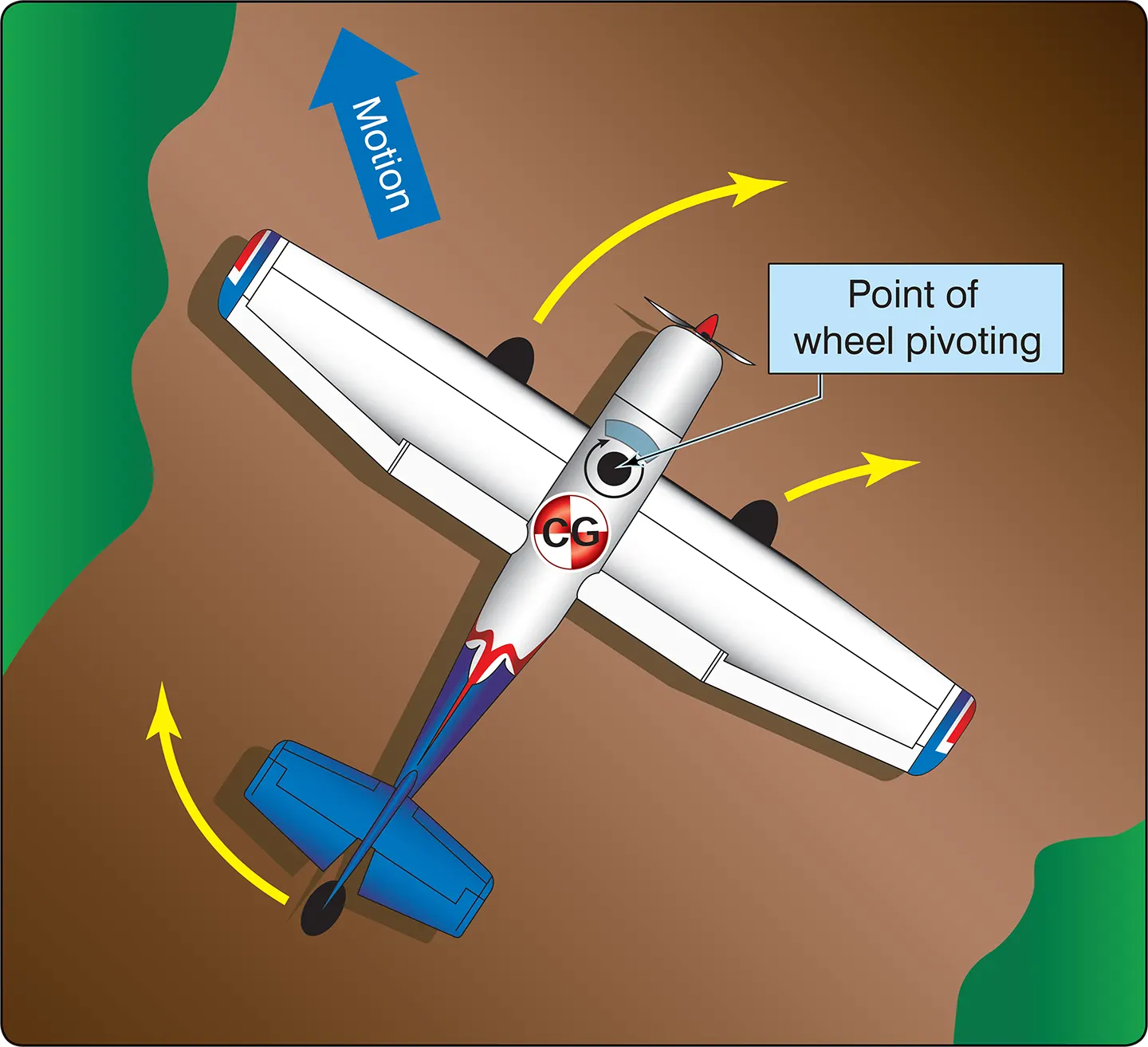
Since an emergency landing on suitable terrain resembles a situation in which the pilot should be familiar through training, only the more unusual situations are discussed in the Emergency Landings post. Confined Areas The natural preference to set the airplane down on the ground should not lead to the selection of an open spot between … Read more