Single-Pilot Resource Management and Risk Management

Single-Pilot Resource Management (SRM) According to data presented at the 2005 International Helicopter Safety Symposium, the helicopter accident rate is 30 percent higher than the general aviation (GA) accident rate. Reducing this rate is an industry wide goal and the CFI plays an important role in reaching it by stressing single-pilot resource management (SRM) and risk … Read more

Helicopter Collision Avoidance

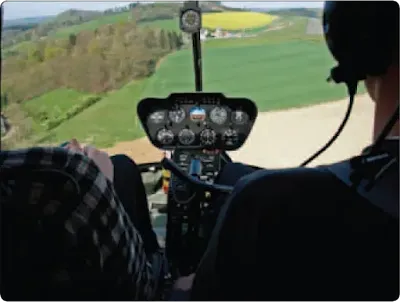
While pilots often believe that having a CFI on board minimizes the possibility of a midair collision (MAC), FAA research reveals that flight instructors were on board the aircraft in 37 percent of the accidents studied. From a collision perspective, flight training is one of the most dangerous missions—an especially frightening fact, considering that flight instructors comprise less … Read more

Helicopter and Instructional Hazards

Helicopter Hazards During the entire training program, CFIs should emphasize safe operation of the aircraft. The student must be introduced to and completely understand the flight characteristics of the type helicopter being flown. Loss of tail rotor effectiveness (LTE), dynamic rollover (DRO), and the meaning of and how to interpret the height velocity diagram are … Read more

Helicopter Flight Safety Practices

A major component of the FAA’s mission is to improve the nation’s aviation safety record by conveying safety principles and practices through training, outreach, and education. The goal to reduce the number of accidents in the ever increasingly populated airways means safe flight practices are an important element of flight instruction. It is the CFI’s responsibility to … Read more

Practical Flight Instructor Strategies

As discussed in Aviation Instructor Responsibilities and Professionalism post of the Aviation Instructor section, certificated flight instructors (CFIs) should remember they are a role model for the student. The flight instructor should demonstrate good aviation air sense and practices at all times. For the helicopter certificated flight instructor, this means: Flight instructors have the responsibility of … Read more

Introduction to Helicopter Flight Training

Purpose of Flight Training It is the helicopter instructor’s responsibility to discuss the overall purpose of flight training with the student. Explain that the goal of flight training is the acquisition and honing of basic airmanship skills that provide the student with: Ensure the student understands that a helicopter operates in a three-dimensional environment and … Read more

Flight Safety Practices and Procedures

Safety Considerations In the interest of safety and good habit pattern formation, there are certain basic flight safety practices and procedures that should be emphasized by the flight instructor, and adhered to by both instructor and learner, beginning with the very first dual instruction flight. These include, but are not limited to, collision avoidance procedures … Read more

Flight Training Sources, ACS and Practical Tests

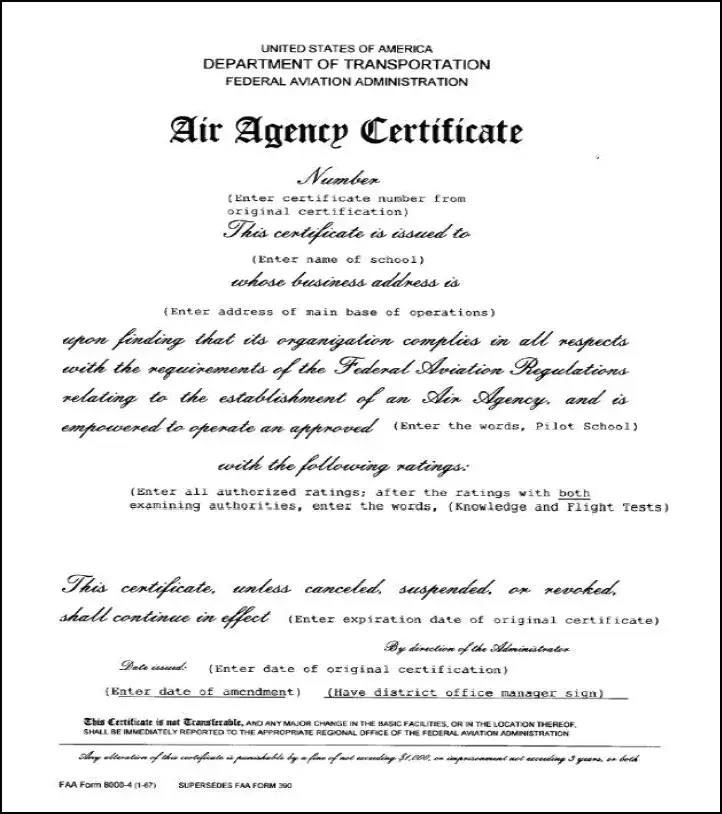
Sources of Flight Training The major sources of flight training in the United States include FAA-approved pilot schools and training centers, non-certificated (14 CFR part 61) flying schools, and independent flight instructors. FAA-approved schools are those flight schools certificated by the FAA as pilot schools under 14 CFR part 141. [Figure 1] Application for part … Read more

Role of the Pilot Examiner and the Flight Instructor

Role of the Pilot Examiner Pilot and flight instructor certificates are issued by the FAA upon satisfactory completion of required knowledge and practical tests. The administration of practical tests is an FAA responsibility that may occur at the FSDO level. However, in order to satisfy the public need for pilot testing and certification services, the … Read more