15 2

Airplane Crosswind Approach and Landing

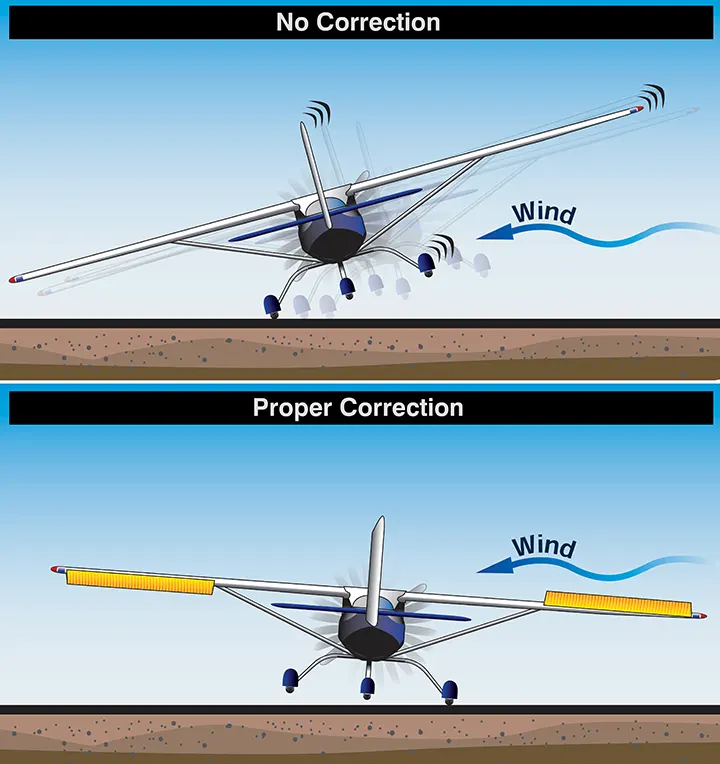
Most runways or landing areas are such that landings need to be made while the wind is blowing at an angle to the runway rather than parallel to the landing direction. All pilots should be prepared to manage a crosswind situation when it arises. Many of the same basic principles and factors involved in a … Read more
12 4

Airplane Go-Arounds and Rejected Landings

A go-around is a normal maneuver that is used when approach and landing parameters deviate from expectations or when it is hazardous to continue. Situations such as air traffic control (ATC) requirements, unexpected appearance of hazards on the runway, overtaking another airplane, wind shear, wake turbulence, mechanical failure, or an unstable approach are all reasons … Read more

13 1 1

Airplane Intentional Slips

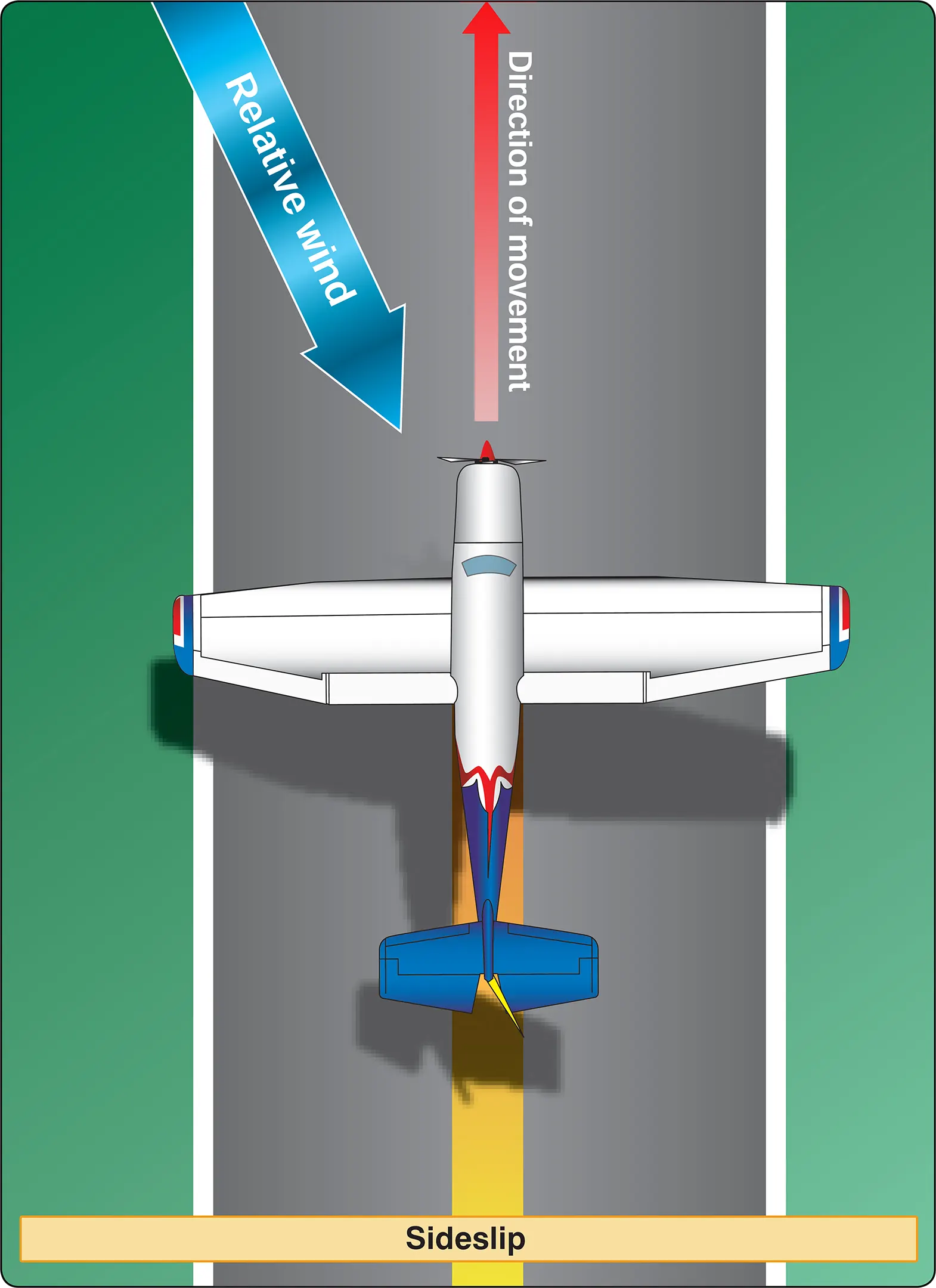
A slip occurs when the bank angle of an airplane is too steep for the existing rate of turn. Unintentional slips are most often the result of uncoordinated rudder/aileron application. Intentional slips, however, are used to dissipate altitude without increasing airspeed and/ or to adjust airplane ground track during a crosswind. Intentional slips are especially … Read more

3 5

Airplane Normal Approach and Landing

Normal approach and landing procedures are used when the engine power is available, the wind is light or the final approach is made directly into the wind, the final approach path has no obstacles, and the landing surface is firm and of ample length to gradually bring the airplane to a stop. The selected landing … Read more

1 1 2

Airport Traffic Patterns

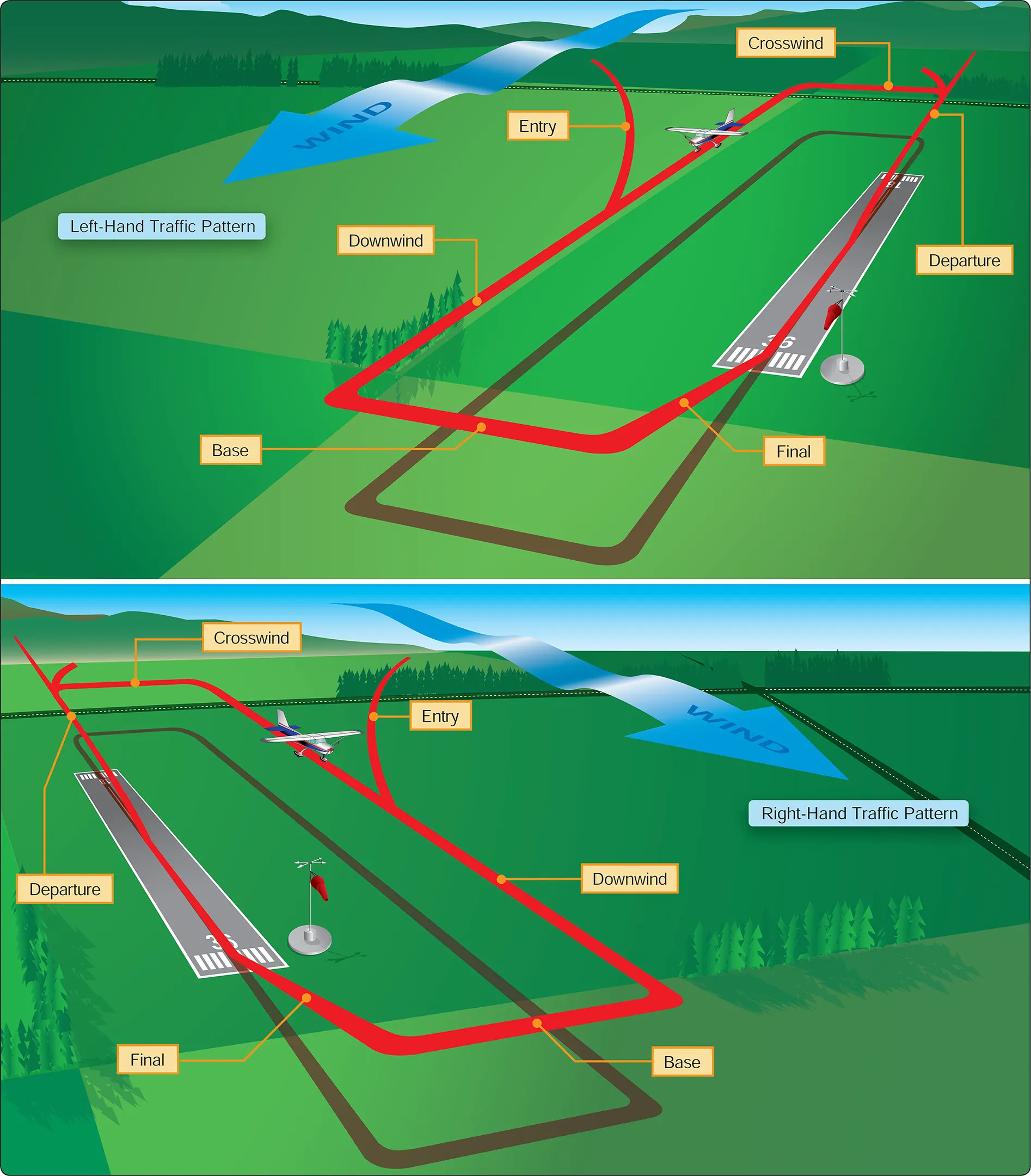
Airport traffic patterns ensure that air traffic moves into and out of an airport safely. The direction and placement of the pattern, the altitude at which it is to be flown, and the procedures for entering and exiting the pattern may depend on local conditions. Information regarding the procedures for a specific airport can be … Read more

13 3

Airplane Elementary Eights

Elementary eights are a family of maneuvers in which each individual maneuver is one that the airplane tracks a path over the ground similar to the shape of a figure eight. There are various types of eights, progressing from the elementary to advanced types. Each eight is intended to develop a pilot’s flight control coordination … Read more

6 4

Airplane S-Turns

An S-turn is a ground reference maneuver in which the airplane’s ground track resembles two opposite but equal half-circles on each side of a selected ground-based straight-line reference. [Figure] This ground reference maneuver presents a practical application for the correction of wind during a turn. The objectives of S-turns across a road (or line) are … Read more

5 4

Airplane Turns Around a Point

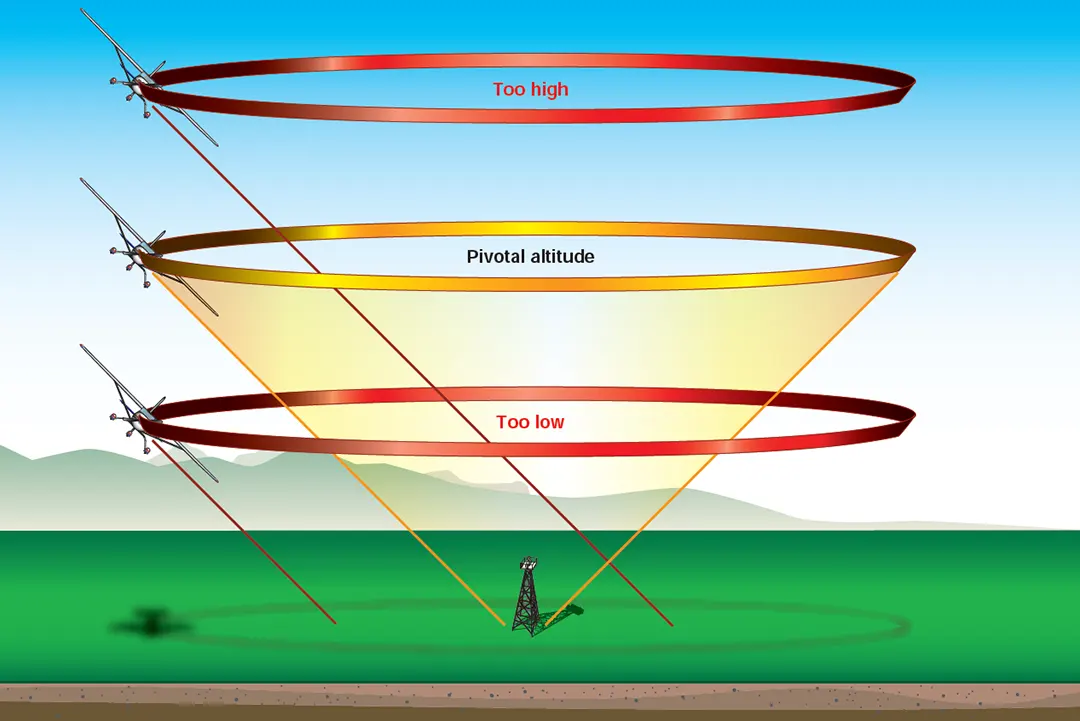
Turns around a point are a logical extension of both the rectangular course and S-turns across a road. The maneuver is a 360° constant radius turn around a single ground-based reference point. [Figure] The principles are the same in any turning ground reference maneuver—higher groundspeeds require steeper banks and slower ground speeds require shallower banks. … Read more

4 1

Airplane Rectangular Course Maneuver

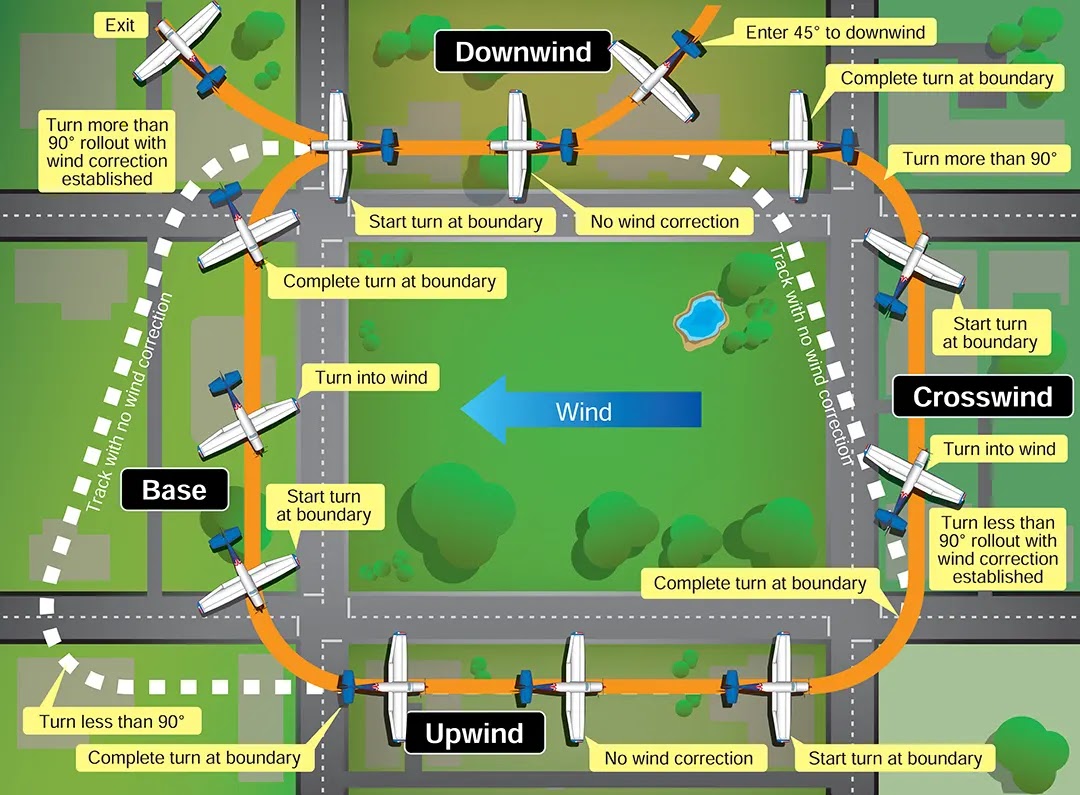
A principal ground reference maneuver is the rectangular course. [Figure] The rectangular course is a training maneuver in which the airplane maintains an equal distance from all sides of the selected rectangular references. The maneuver is accomplished to replicate the airport traffic pattern that an airplane typically maneuvers while landing. While performing the rectangular course … Read more

2 4

Airplane Drift and Ground Track Control

Wind direction and velocity variations create the need for flightpath corrections during a ground reference maneuver. In a similar way that water currents affect the progress of a boat or ship, wind directly influences the path that the airplane travels in reference to the ground. Whenever the airplane is in flight, the movement of the … Read more