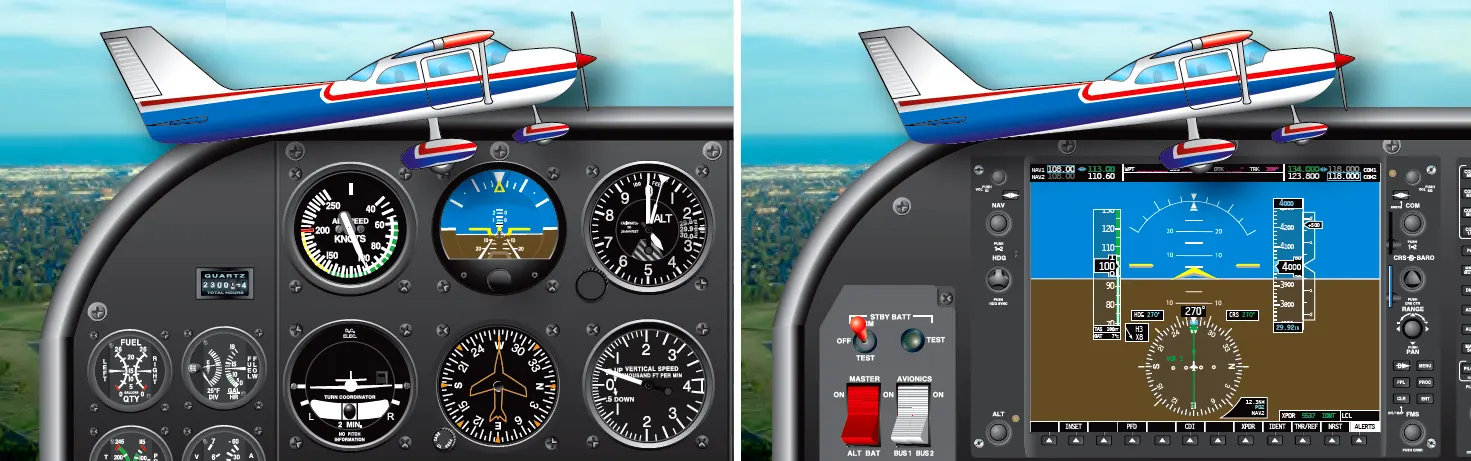
Airplane basic flight maneuvers

Airplane Basic Flight Maneuvers

Airplanes operate in an environment that is very different from that of automobiles. Drivers generally focus on forward movement and a relatively narrow field of view, and beginning pilots may initially approach flying in a similar way. However, flying requires a broader awareness of the airplane’s attitude, movement, and position in space. To develop this … Read more
24

Airplane Glides

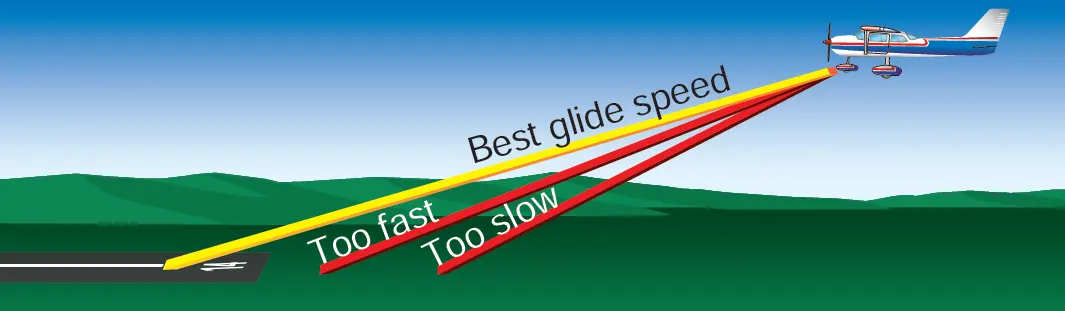
A glide is a basic maneuver in which the airplane loses altitude in a controlled descent with little or no engine power. Forward motion is maintained by gravity pulling the airplane along an inclined path, and the descent rate is controlled by the pilot balancing the forces of gravity and lift. To level off from … Read more

22

Airplane Descents and Descending Turns

When an airplane enters a descent, its attitude changes from level flight to flight with a descent profile. [Figure] In a descent, weight no longer acts solely perpendicular to the flightpath. Since induced drag is decreased as lift is reduced in order to descend, excess thrust will provide higher airspeeds. The weight/gravity force is about … Read more

21

Airplane Climbs and Climbing Turns

When an airplane enters a climb, excess lift needs to be developed to overcome the weight or gravity. This requirement to develop more lift results in more induced drag, which either results in decreased airspeed or an increased power setting to maintain a minimum airspeed in the climb. An airplane can only sustain a climb … Read more

10 1

Airplane Level Turns

A turn is initiated by banking the wings in the desired direction of the turn through the pilot’s use of the aileron flight controls. Left aileron flight control pressure causes the left wing to lower in relation to the pilot. Right aileron flight control pressure causes the right wing to lower in relation to the … Read more

9 1

Aircraft Trim Control and Proper Trimming Techniques

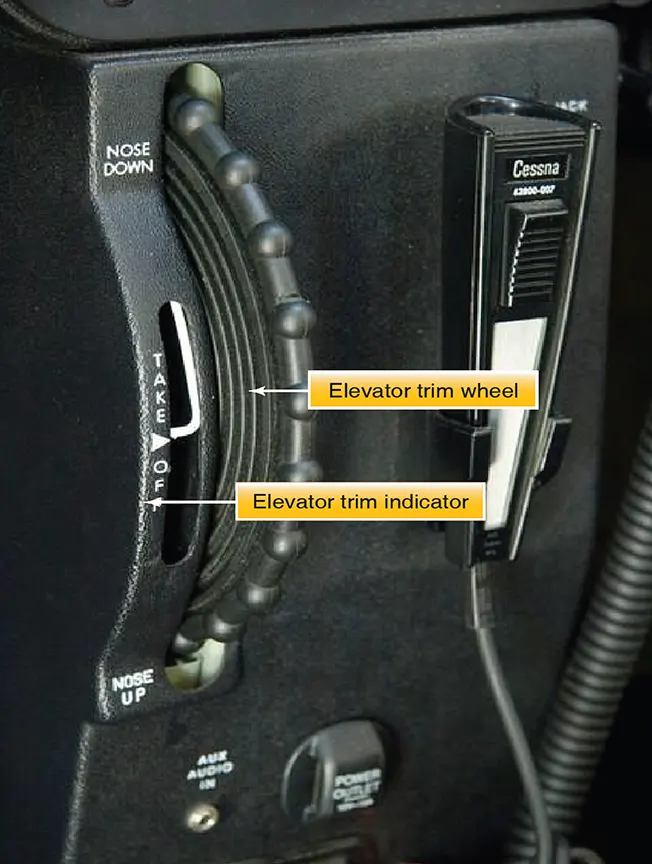
Trim control surfaces are required to offset any constant flight control pressure inputs provided by the pilot. For example, elevator trim is a typical trim in light GA airplanes and is used to null the pressure exerted by the pilot in order to maintain a particular pitch attitude. [Figure] This provides an opportunity for the … Read more

6 1

Airplane Straight and Level Flight

Straight-and-level flight is flight in which heading and altitude are maintained. The other fundamentals are derived as variations from straight-and-level flight, and the need to form proper and effective skills in flying straight and level should be understood. The ability to perform straight-and-level flight results from repetition and practice. A high level of skill results … Read more

5 1

Integrated Flight Instruction

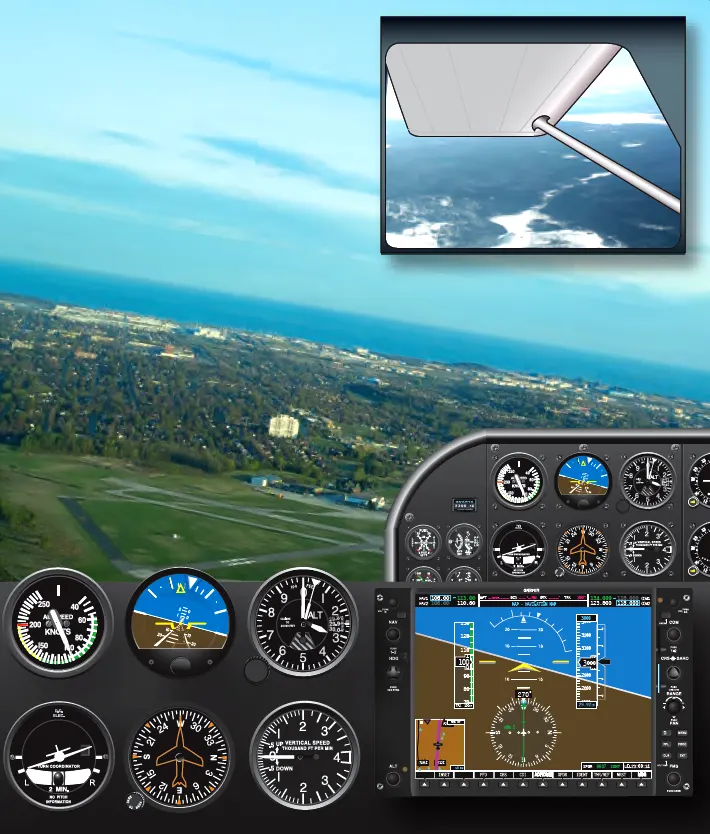
When introducing basic flight maneuvers to a beginning pilot, it is recommended that the “integrated” or “composite” method of flight instruction be used. This means the use of outside references and flight instruments to establish and maintain desired flight attitudes and airplane performance. When beginning pilots use this technique, they achieve a more precise and … Read more

3 1 scaled

Airplane Attitude Flying

Attitude flying is a fundamental skill in airplane control. Pilots use visual references and flight instruments to determine the airplane’s pitch and bank attitude and maintain the desired flight condition. Understanding how to recognize and control airplane attitude is essential for performing basic flight maneuvers safely and accurately. An airplane’s attitude is its orientation relative … Read more

2 1

Effect and Use of the Flight Controls

An airplane can move up, down, left, and right relative to the surrounding environment. However, the effect of a control input on the airplane’s flight path depends on its attitude and flight condition. In normal, upright flight, moving the elevator control forward commands a nose-down pitching motion, while moving it aft commands a nose-up pitching … Read more