Aerodynamics of Flight

Aerodynamics of Flight

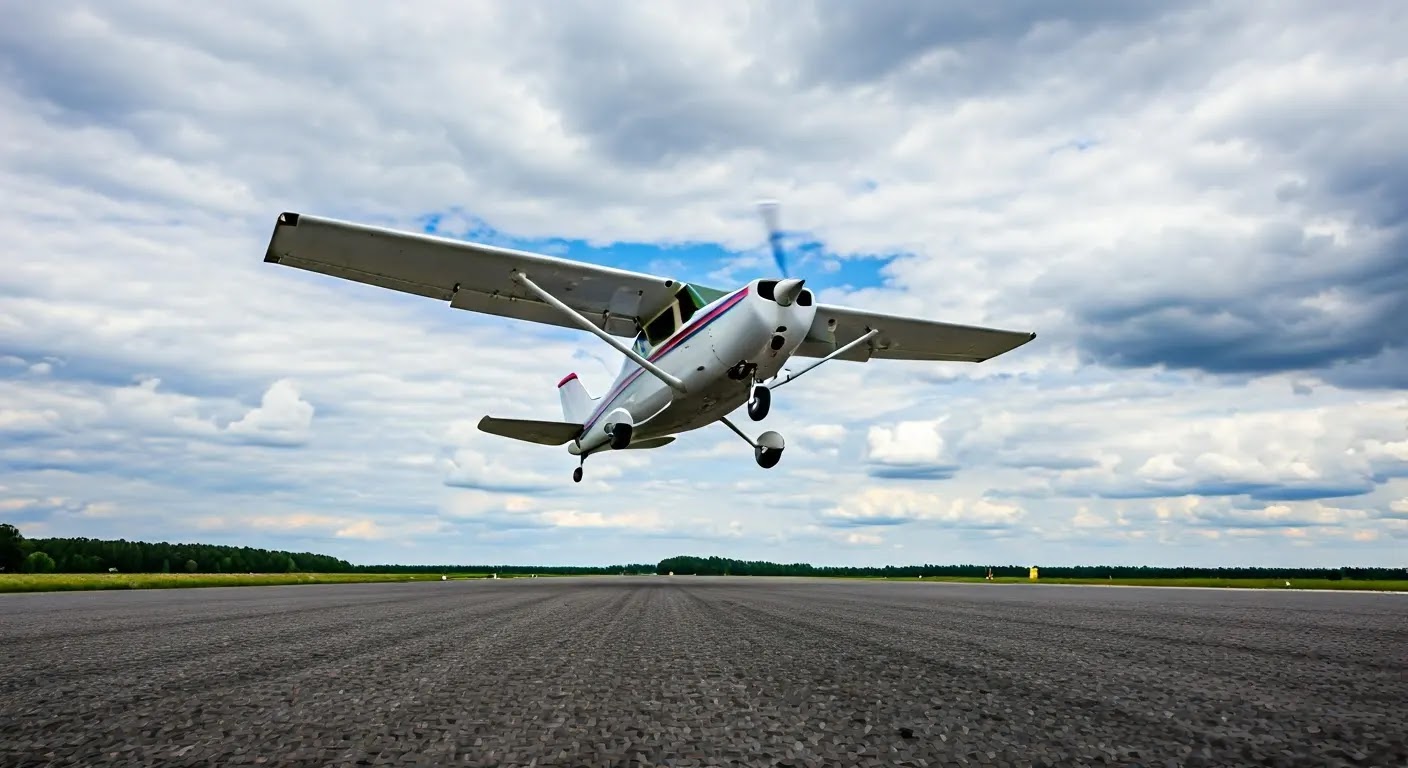
Aerodynamics is the science behind how aircraft fly, making it a crucial topic for pilots to understand. Four fundamental forces act on an aircraft in flight: lift, weight, thrust, and drag. Lift, generated by the wings, counteracts weight (gravity) to keep the aircraft airborne. Thrust, produced by the engine or propeller, propels the aircraft forward, … Read more

Principles of flight

Principles of Flight

There are certain laws of nature or physics that apply to any object that is lifted from the Earth and moved through the air. To analyze and predict airplane performance under various operating conditions, it is important that pilots gain as much knowledge as possible concerning the laws and principles that apply to flight. If, … Read more

17 12 min

Vision in Flight

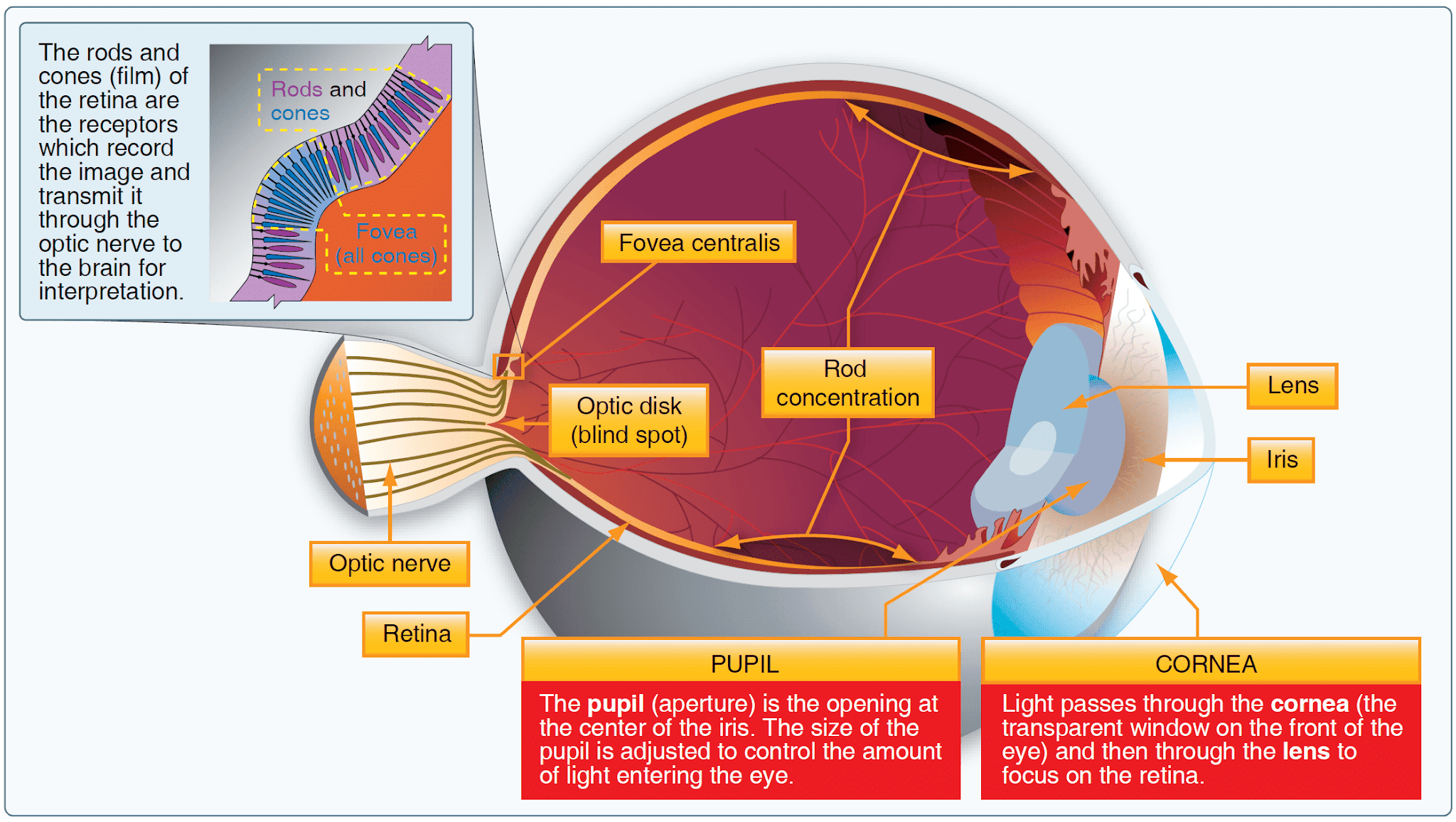
Of all the senses, vision is the most important for safe flight. Most of the things perceived while flying are visual or heavily supplemented by vision. As remarkable and vital as it is, vision is subject to limitations, such as illusions and blind spots. The more a pilot understands about the eyes and how they … Read more

17 1 min

Health and Physiological Factors Affecting Pilot Performance

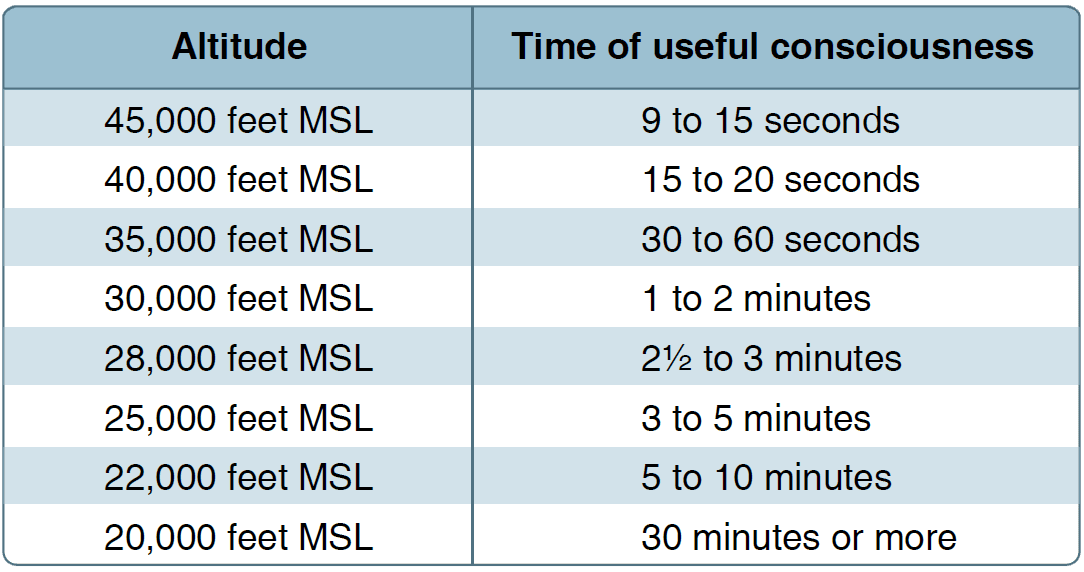
A number of health factors and physiological effects can be linked to flying. Some are minor, while others are important enough to require special attention to ensure safety of flight. In some cases, physiological factors can lead to inflight emergencies. Some important medical factors that a pilot should be aware of include hypoxia, hyperventilation, middle … Read more

Obtaining a Medical Certificate For Pilot

Most pilots must have a valid medical certificate to exercise the privileges of their airman certificates. Glider and free balloon pilots are not required to hold a medical certificate. Sport pilots may hold either a medical certificate or a valid state driver’s license. Regardless of whether a medical certificate or drivers license is required, 14 … Read more

Lost Procedures and Flight Diversion

Lost Procedures Getting lost in flight is a potentially dangerous situation, especially when low on fuel. If a pilot becomes lost, there are some good common sense procedures to follow. If a town or city cannot be seen, the first thing to do is climb, being mindful of traffic and weather conditions. An increase in … Read more

Table

Ground-Based Navigation (Part 2)

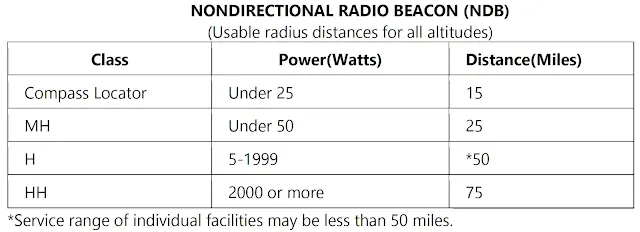
Automatic Direction Finder (ADF) Many general aviation-type aircraft are equipped with ADF radio receiving equipment. To navigate using the ADF, the pilot tunes the receiving equipment to a ground station known as a nondirectional radio beacon (NDB). The NDB stations normally operate in a low or medium frequency band of 200 to 415 kHz. The … Read more

16 28 min

Ground-Based Navigation (Part 1)

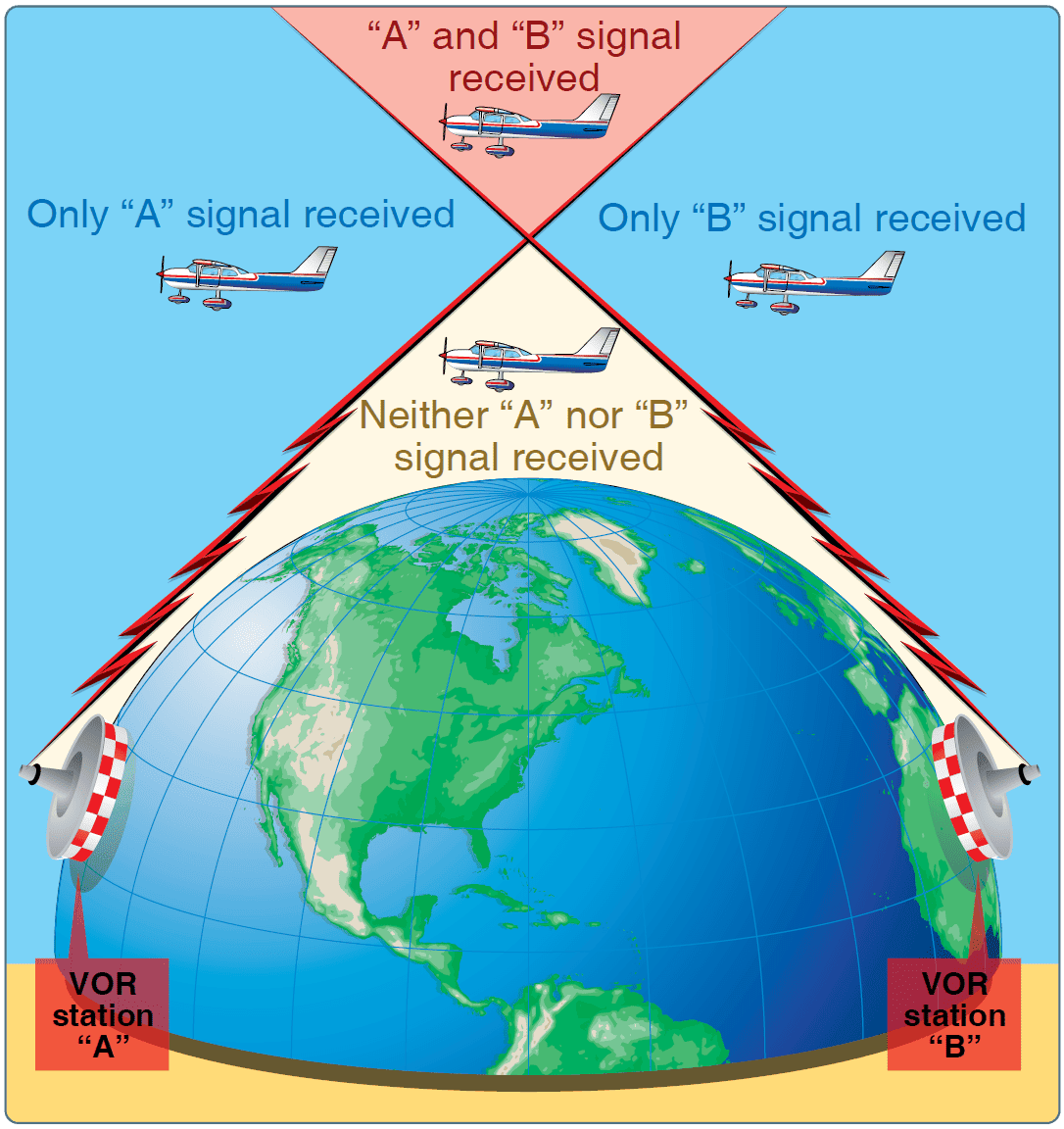
Advances in navigational radio receivers installed in aircraft, the development of aeronautical charts that show the exact location of ground transmitting stations and their frequencies, along with refined flight deck instrumentation make it possible for pilots to navigate with precision to almost any point desired. Although precision in navigation is obtainable through the proper use … Read more

16 27 min

Filing a VFR Flight Plan

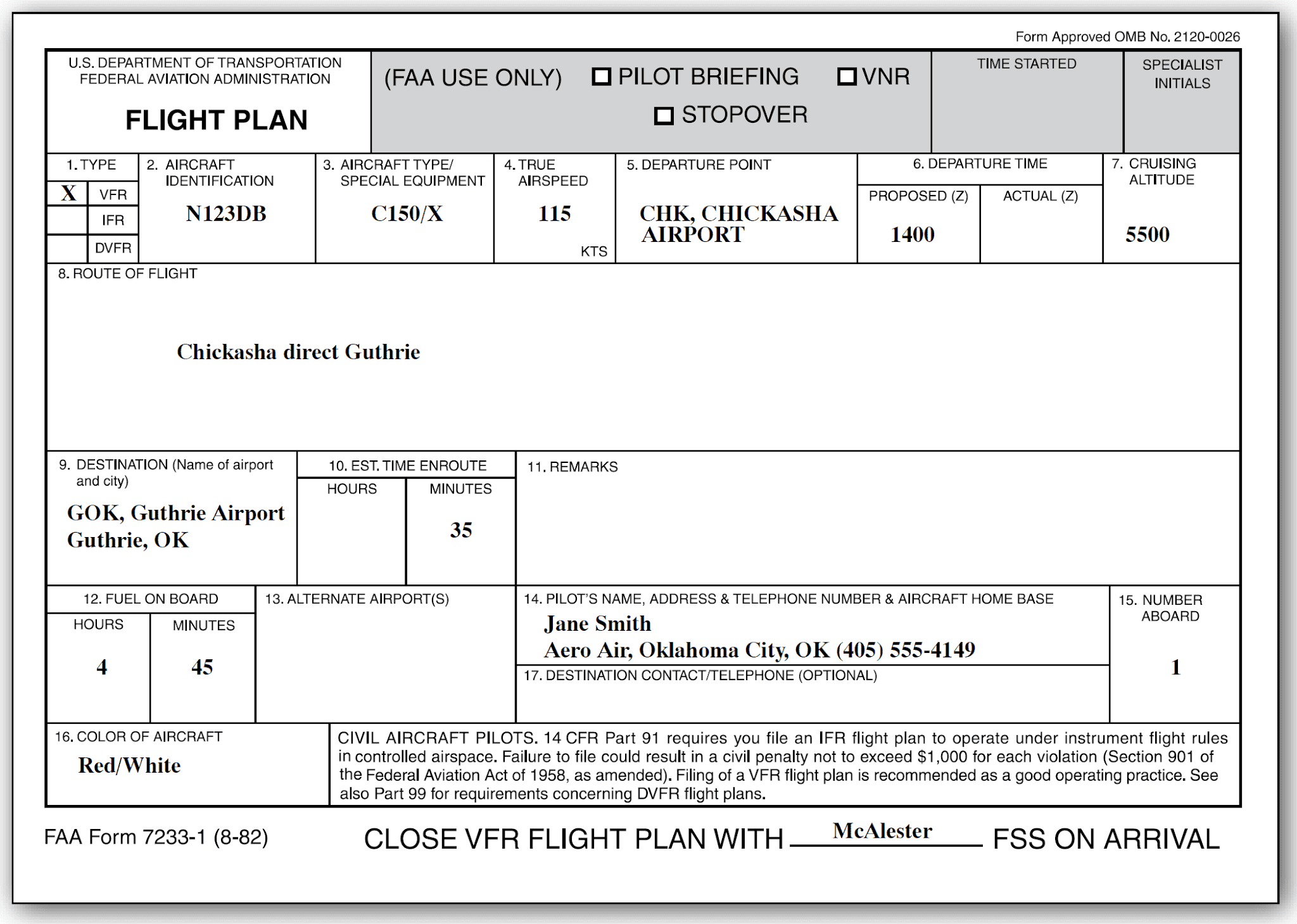
Filing a flight plan is not required by regulations; however, it is a good operating practice since the information contained in the flight plan can be used in search and rescue in the event of an emergency. Flight plans can be filed in the air by radio, but it is best to file a flight … Read more

16 25 min

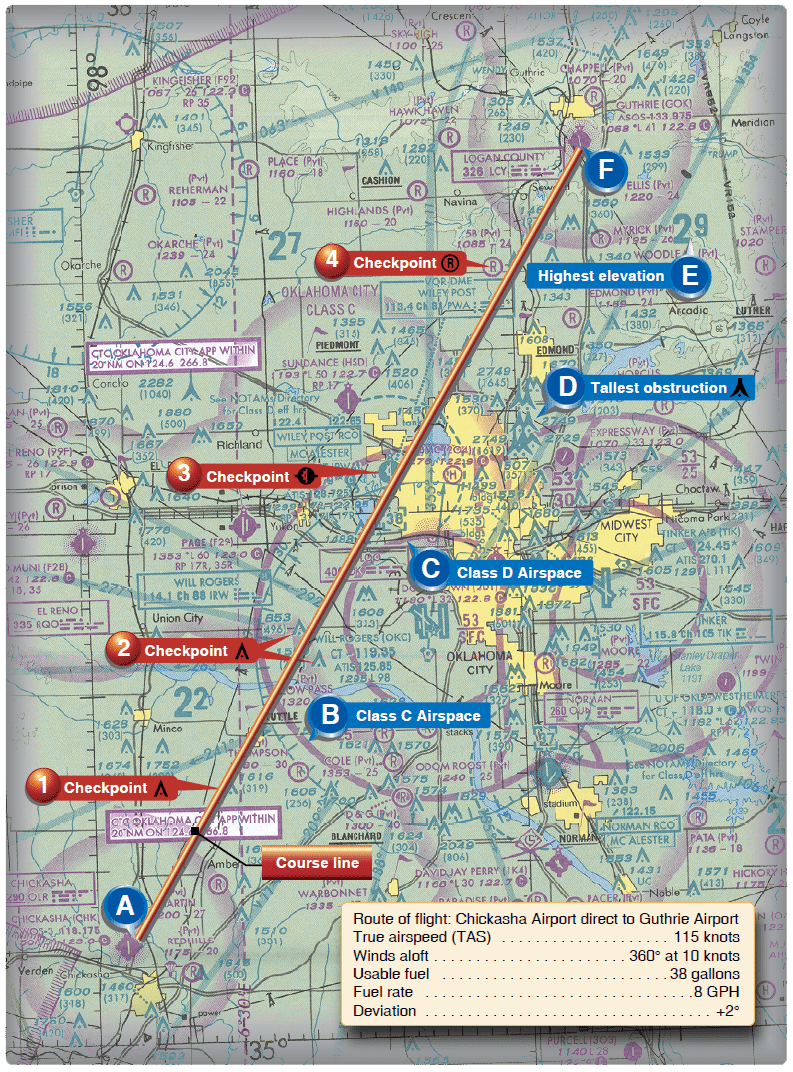
Charting the Course

Once the weather has been checked and some preliminary planning completed, it is time to chart the course and determine the data needed to accomplish the flight. The following sections provide a logical sequence to follow in charting the course, complete a flight log, and filing a flight plan. In the following example, a trip … Read more