1 15

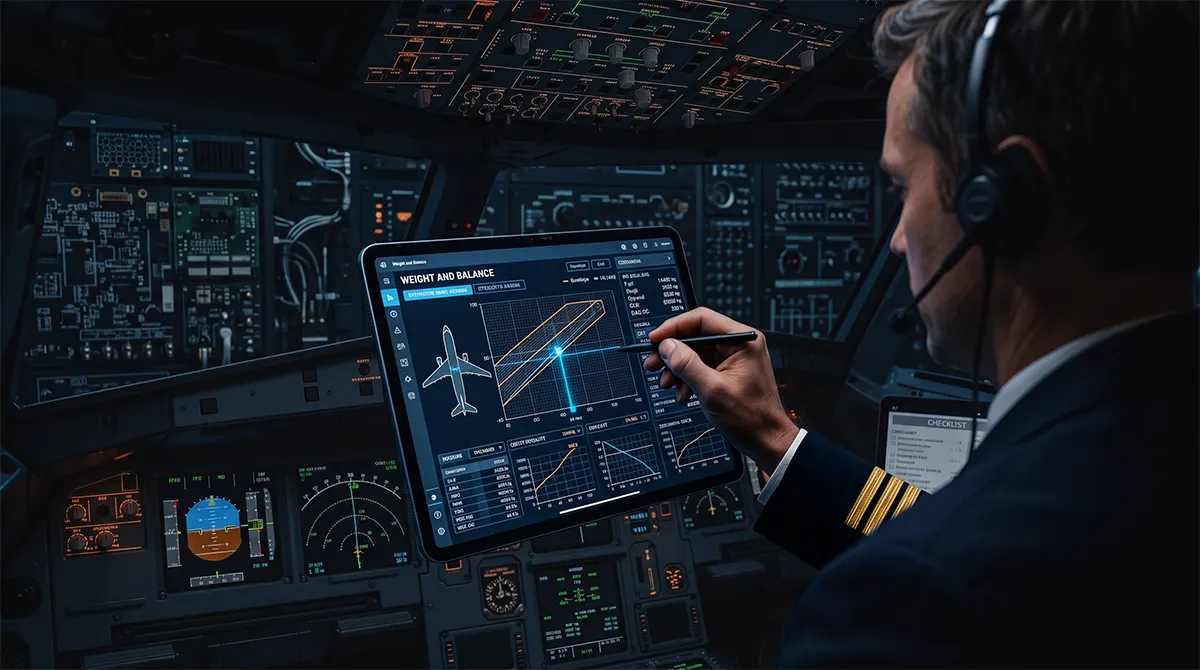
Aircraft Weight and Balance

Aircraft weight and balance are essential considerations for the safe and effective operation of any aircraft. The aircraft manufacturer establishes the basic weight and center of gravity (C of G) of each aircraft. However, these values can change during the aircraft’s service life as a result of modifications, repainting, replacement of major components, or structural … Read more

1 13

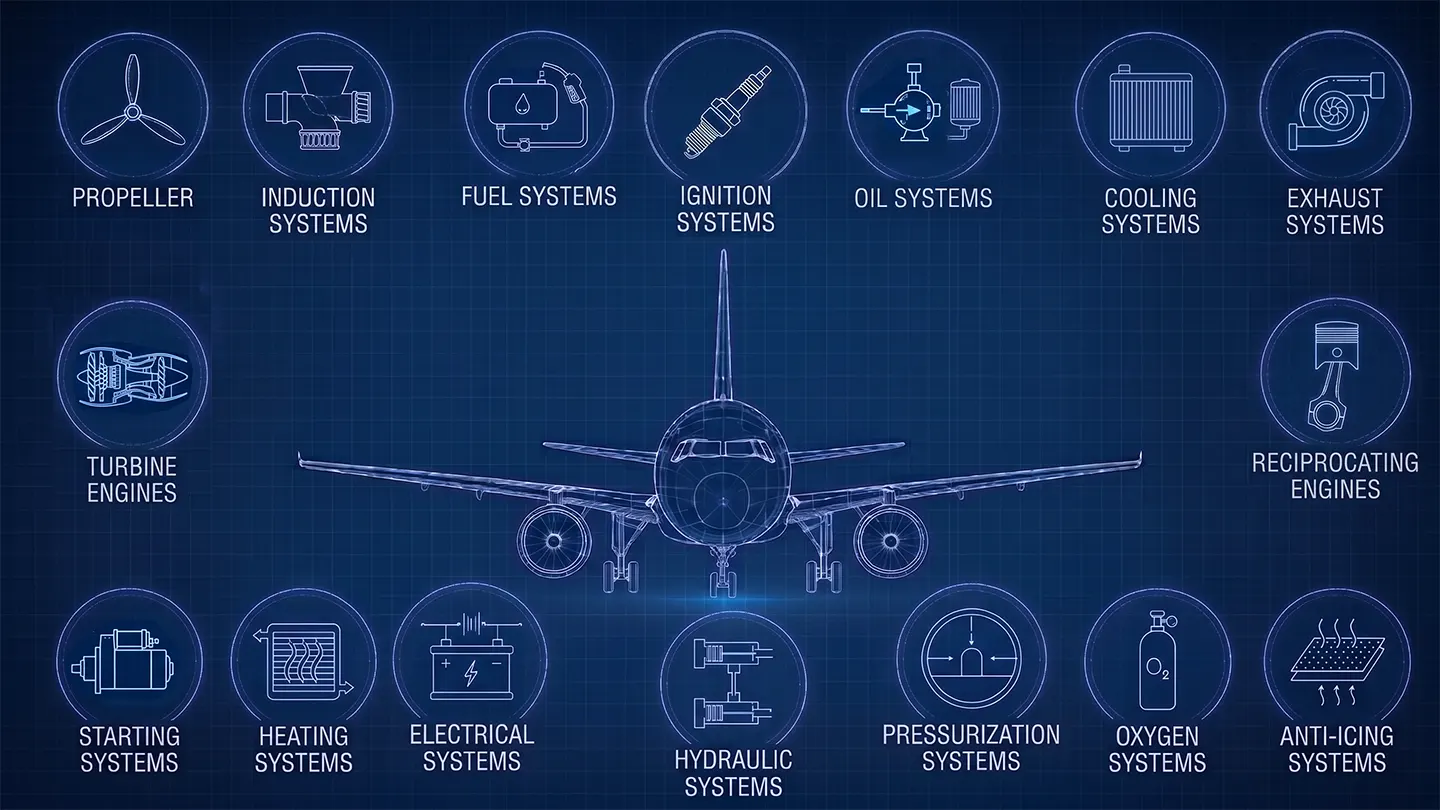
Aircraft Systems: Complete Guide for Pilots

All aircraft have the requirement for essential interconnected and integrated systems, the performance of which is critical to safe operations. Most aircraft have a standardized set of systems, and these systems are dependent on some power source. There are also a variety of support systems provided for comfort, regulatory, or human physiological reasons. This section … Read more

1 11

Introduction To Flying

This section offers a brief history of flight and introduces the history and role of the Federal Aviation Administration (FAA) in civil aviation. It also provides an overview of FAA regulations and standards, government references and publications, and the requirements and pathways involved in becoming a pilot. The section also explains the eligibility requirements for … Read more

16

Effect of Wind on Aircraft Navigation

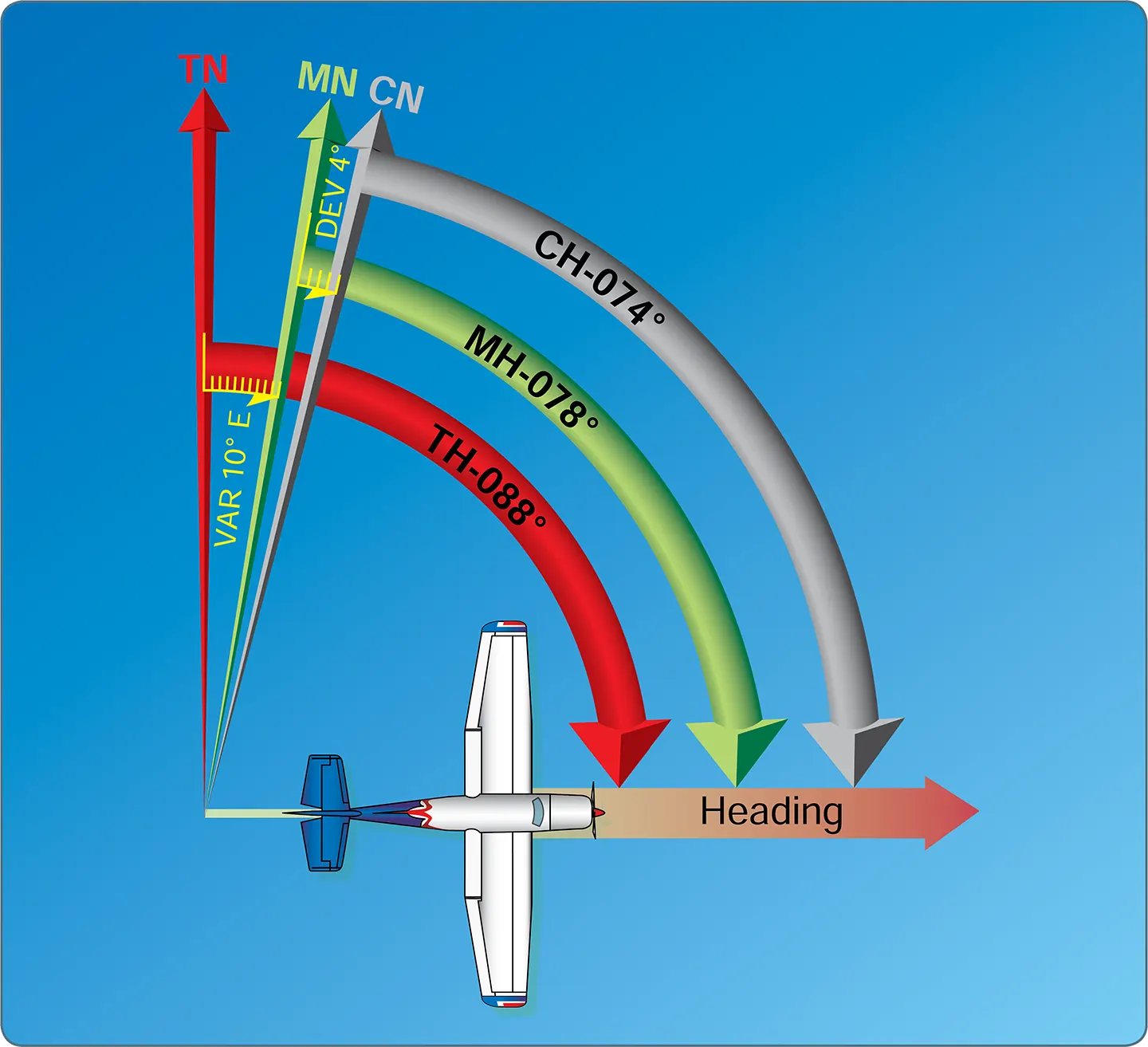
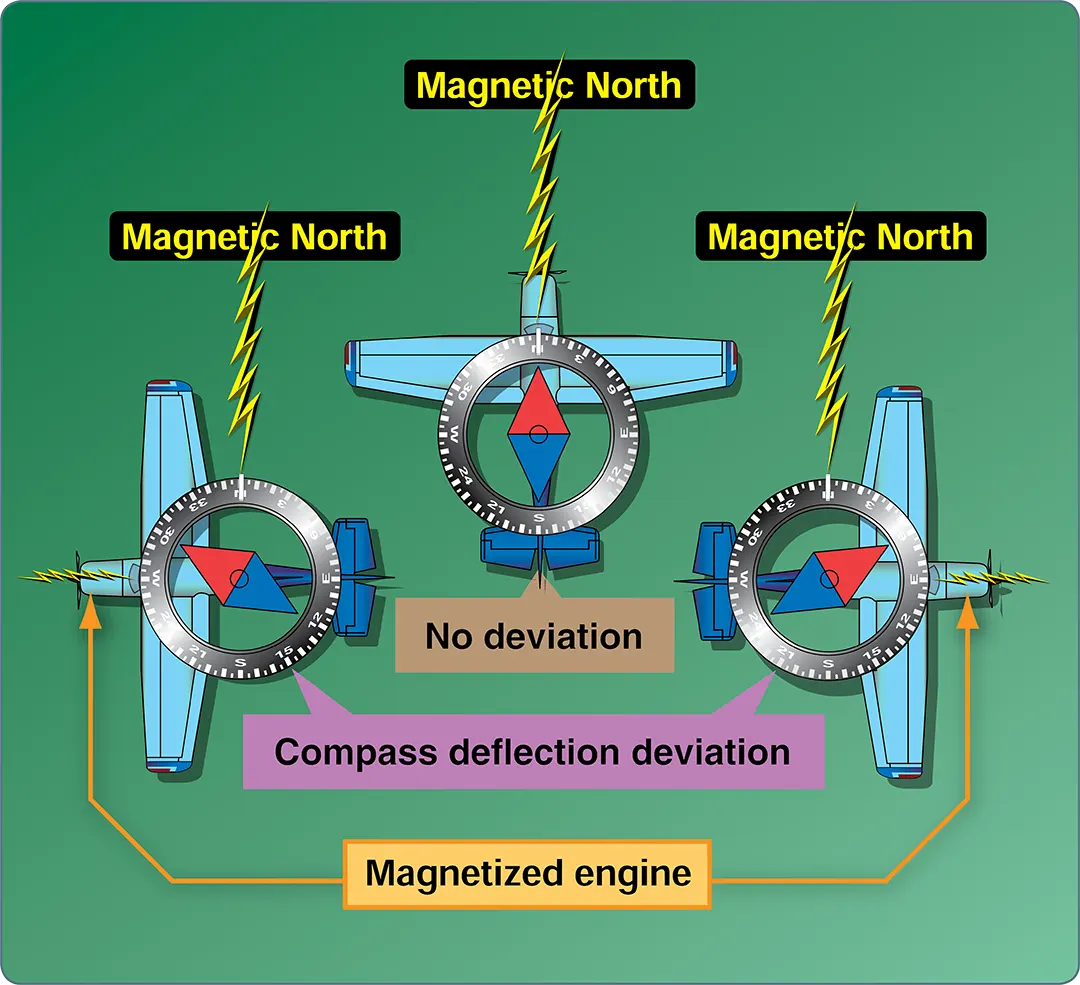
The preceding discussion explained how to measure a TC on the aeronautical chart and how to make corrections for variation and deviation, but one important factor has not been considered—wind. Wind is a mass of air moving over the surface of the Earth in a definite direction. When the wind is blowing from the north … Read more

11

Latitude and Longitude for Pilot Navigation

Navigation begins with understanding the Earth’s geographic reference system and how direction is measured. Pilots use latitude and longitude to identify locations, time zones to coordinate flight operations, and directional references to plan and maintain accurate flight paths. Because aircraft navigation relies on both geographic and magnetic references, pilots must also understand concepts such as … Read more

1

Aeronautical Charts Explained for VFR Pilots

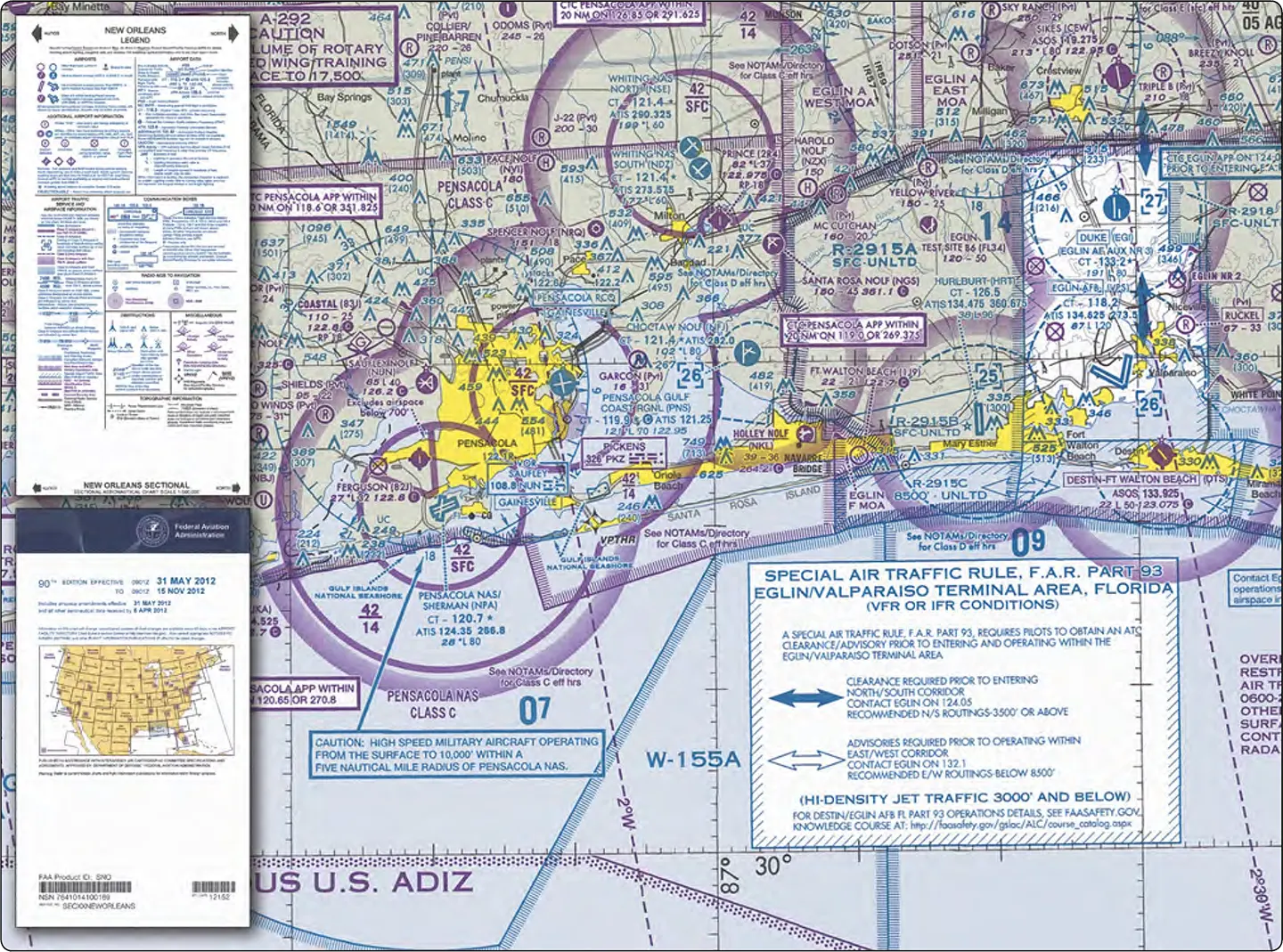
Aeronautical charts are the primary navigation reference for pilots operating under Visual Flight Rules (VFR). Much like a road map for motorists, these charts provide essential information that helps pilots determine their position, plan routes, identify landmarks, avoid hazards, and navigate safely from departure to destination. In addition to airports and navigational aids, aeronautical charts … Read more

1 1 7

Airport Operations for Pilots

Each time a pilot operates an aircraft, the flight normally begins and ends at an airport. An airport may be a small sod field or a large complex utilized by air carriers. Increased traffic congestion, aircraft in climb and descent attitudes, and pilot preoccupation with cockpit duties are some factors that increase the hazardous accident … Read more

55 1

Engineered Materials Arresting Systems

An Engineered Materials Arresting System (EMAS) is a safety feature installed at the ends of selected runways to help stop aircraft that cannot be brought to a halt before the pavement ends. Designed as an alternative where a full Runway Safety Area (RSA) cannot be provided, EMAS reduces the risk of damage, injuries, and fatalities … Read more

48 2

Collision Avoidance and Runway Safety

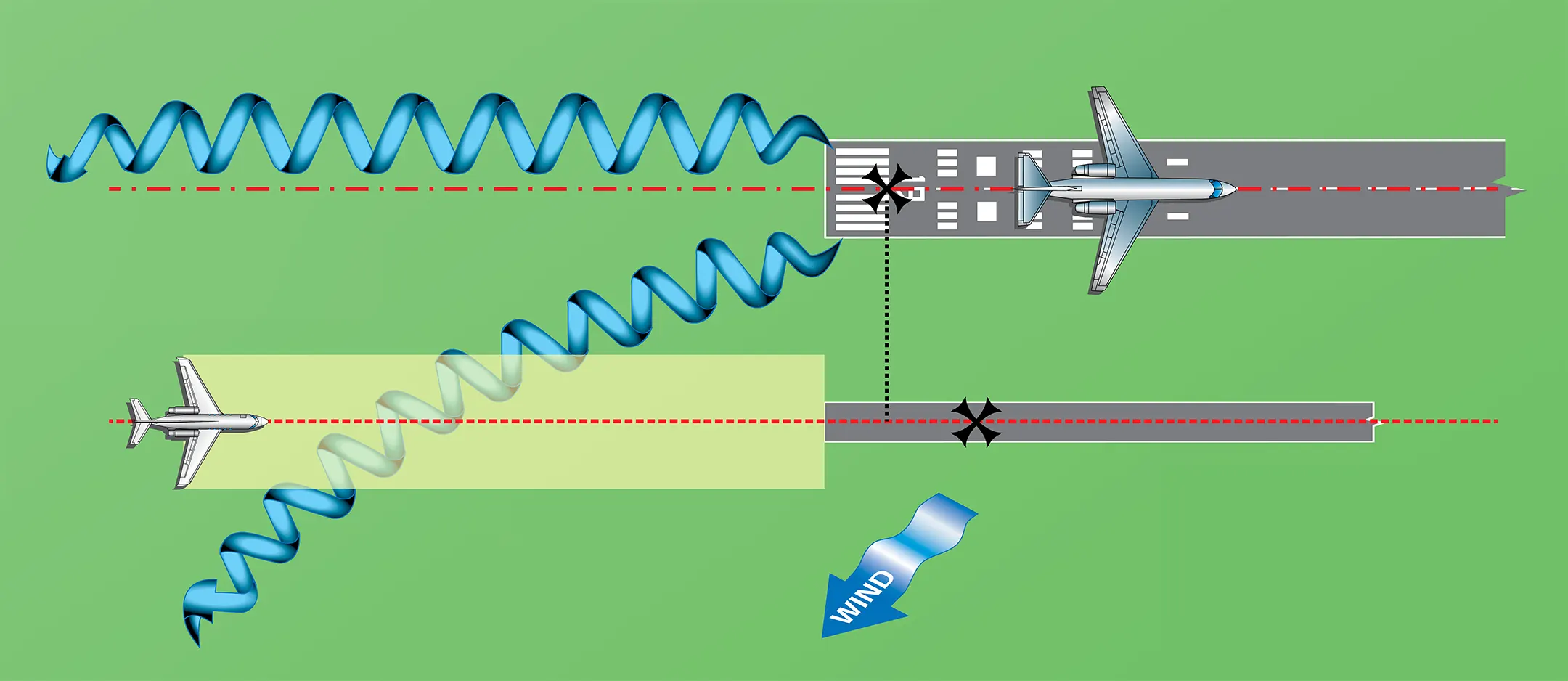
Collision avoidance is one of the most important responsibilities of every pilot. Although air traffic control, right-of-way rules, and onboard technologies help reduce the risk of midair collisions and runway incursions, pilots must remain vigilant throughout every phase of flight. Effective visual scanning, proper clearing procedures, situational awareness, and compliance with ATC instructions all contribute … Read more