Airport Operations for Pilots

Each time a pilot operates an aircraft, the flight normally begins and ends at an airport. An airport may be a small sod field or a large complex utilized by air carriers. Increased traffic congestion, aircraft in climb and descent attitudes, and pilot preoccupation with cockpit duties are some factors that increase the hazardous accident … Read more
Engineered Materials Arresting Systems

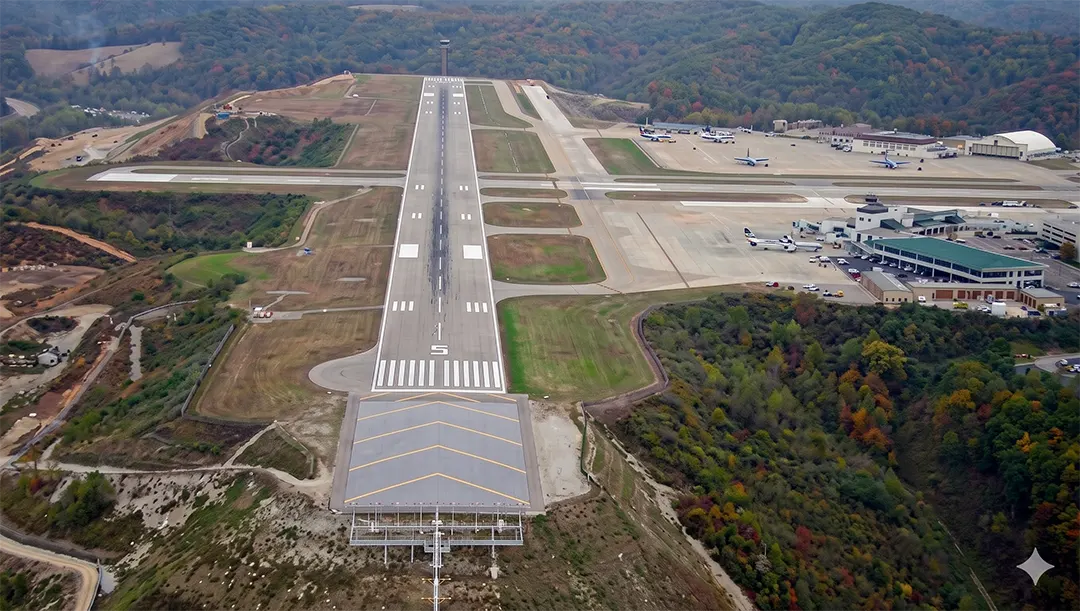
An Engineered Materials Arresting System (EMAS) is a safety feature installed at the ends of selected runways to help stop aircraft that cannot be brought to a halt before the pavement ends. Designed as an alternative where a full Runway Safety Area (RSA) cannot be provided, EMAS reduces the risk of damage, injuries, and fatalities … Read more

Collision Avoidance and Runway Safety

Collision avoidance is one of the most important responsibilities of every pilot. Although air traffic control, right-of-way rules, and onboard technologies help reduce the risk of midair collisions and runway incursions, pilots must remain vigilant throughout every phase of flight. Effective visual scanning, proper clearing procedures, situational awareness, and compliance with ATC instructions all contribute … Read more

Wake Turbulence: Vortex Behavior and Avoidance

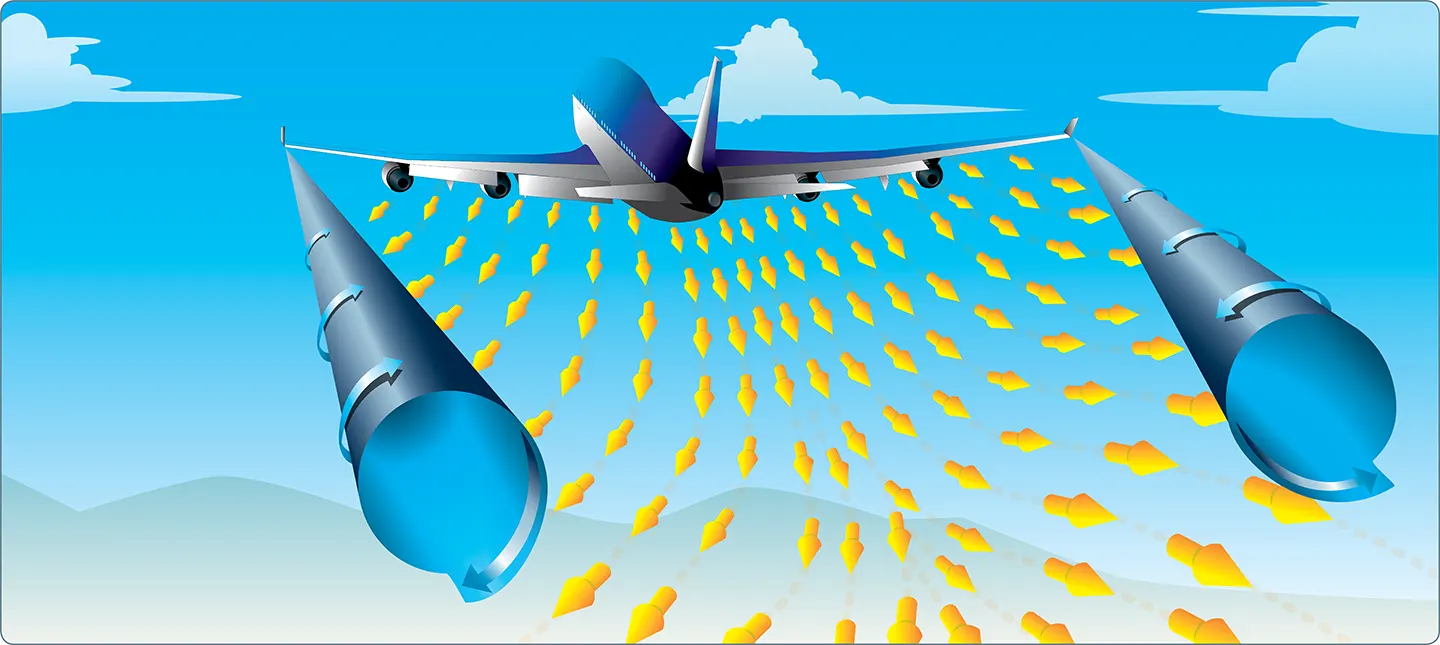
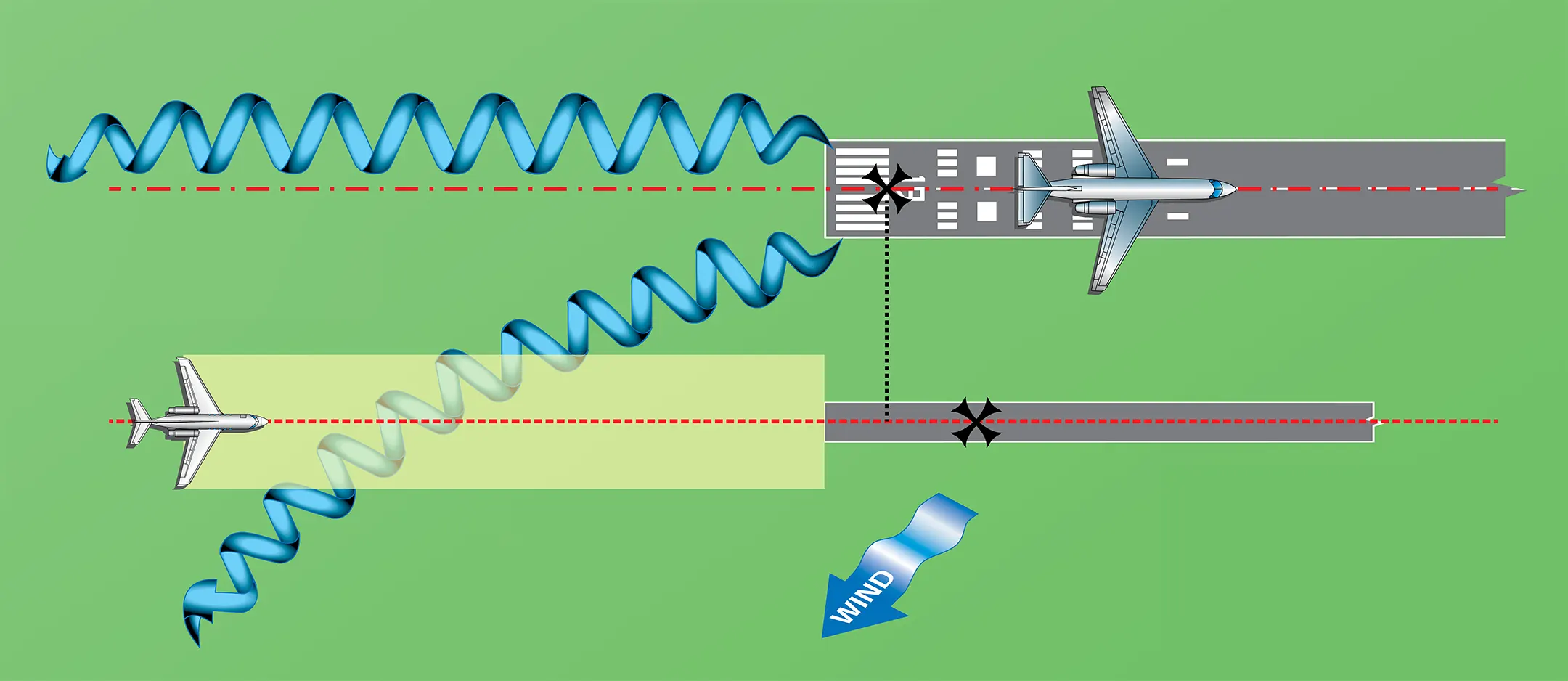
All aircraft generate wake turbulence during flight. This disturbance is caused by a pair of counter-rotating vortices trailing from the wingtips. The vortices from larger aircraft can pose a significant hazard to encountering aircraft. The wake of these aircraft can impose rolling moments exceeding the roll-control authority of the encountering aircraft. Also, the turbulence generated … Read more

Air Traffic Control Services

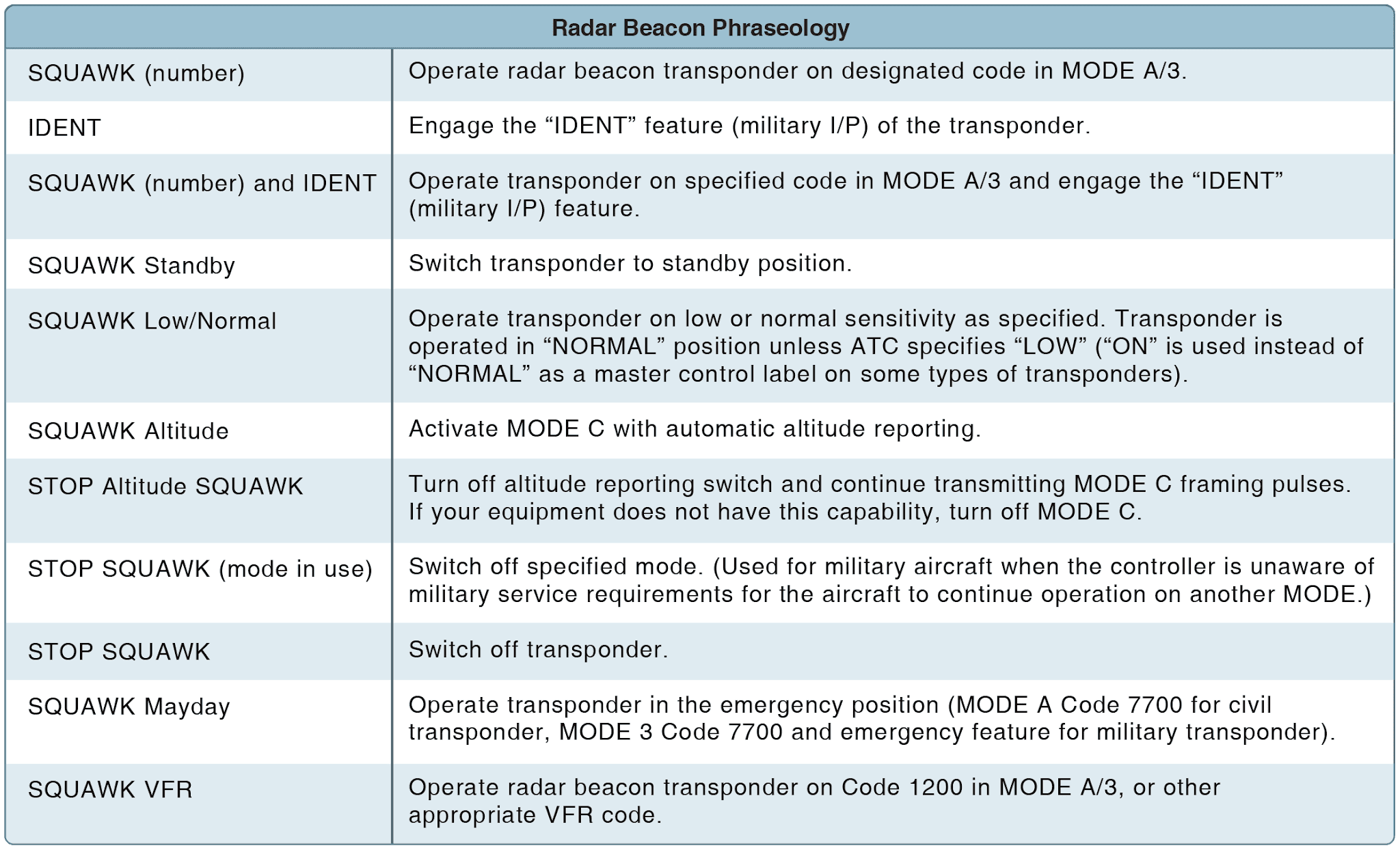
Air Traffic Control (ATC) services play a vital role in maintaining the safe, orderly, and efficient flow of air traffic. Whether operating under Visual Flight Rules (VFR) or Instrument Flight Rules (IFR), pilots rely on ATC for services such as traffic advisories, radar surveillance, sequencing, and separation where applicable. Understanding how primary radar, transponders, ADS-B, … Read more

Aviation Radio Equipment and Communication Procedures

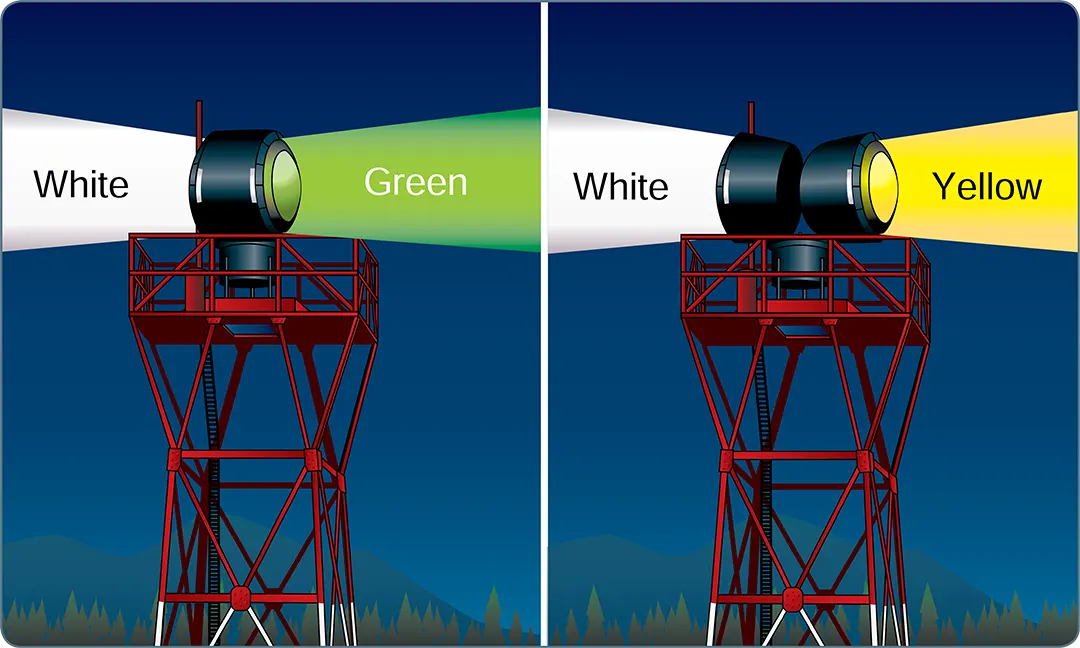
Operating in and out of a towered airport, as well as in a good portion of the airspace system, requires that an aircraft have two-way radio communication capability. For this reason, a pilot should be knowledgeable of radio station license requirements and radio communications equipment and procedures. Radio License There is no license requirement for … Read more

Airport Traffic Patterns and Procedures

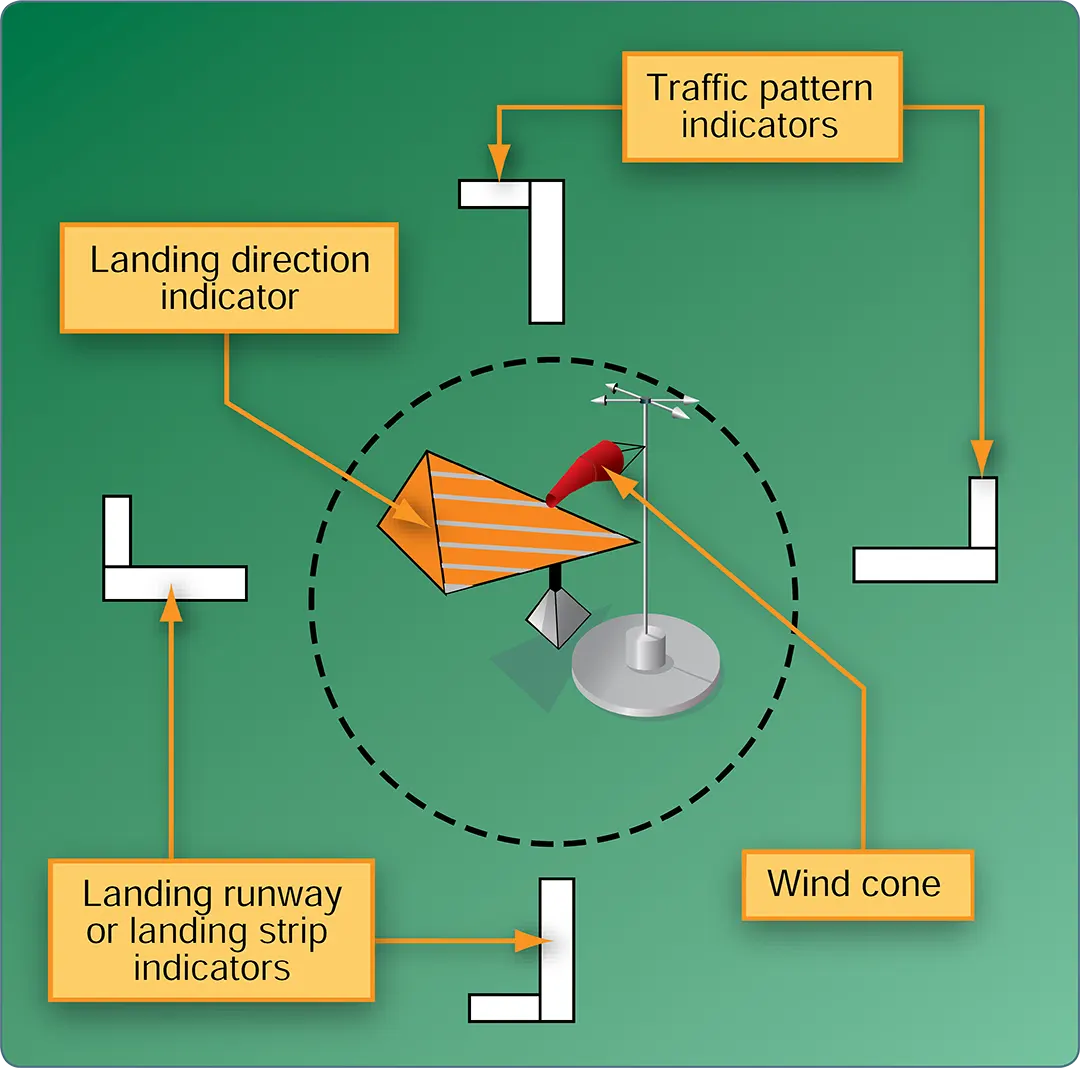
Traffic patterns provide an organized flow of aircraft around an airport, helping pilots maintain safe separation during takeoff, landing, and other airport operations. At airports without an operating control tower, visual traffic pattern indicators and standard procedures assist pilots in determining the correct runway, traffic direction, and pattern altitude for safe operations. At airports without … Read more

Airport Visual Wind Indicators

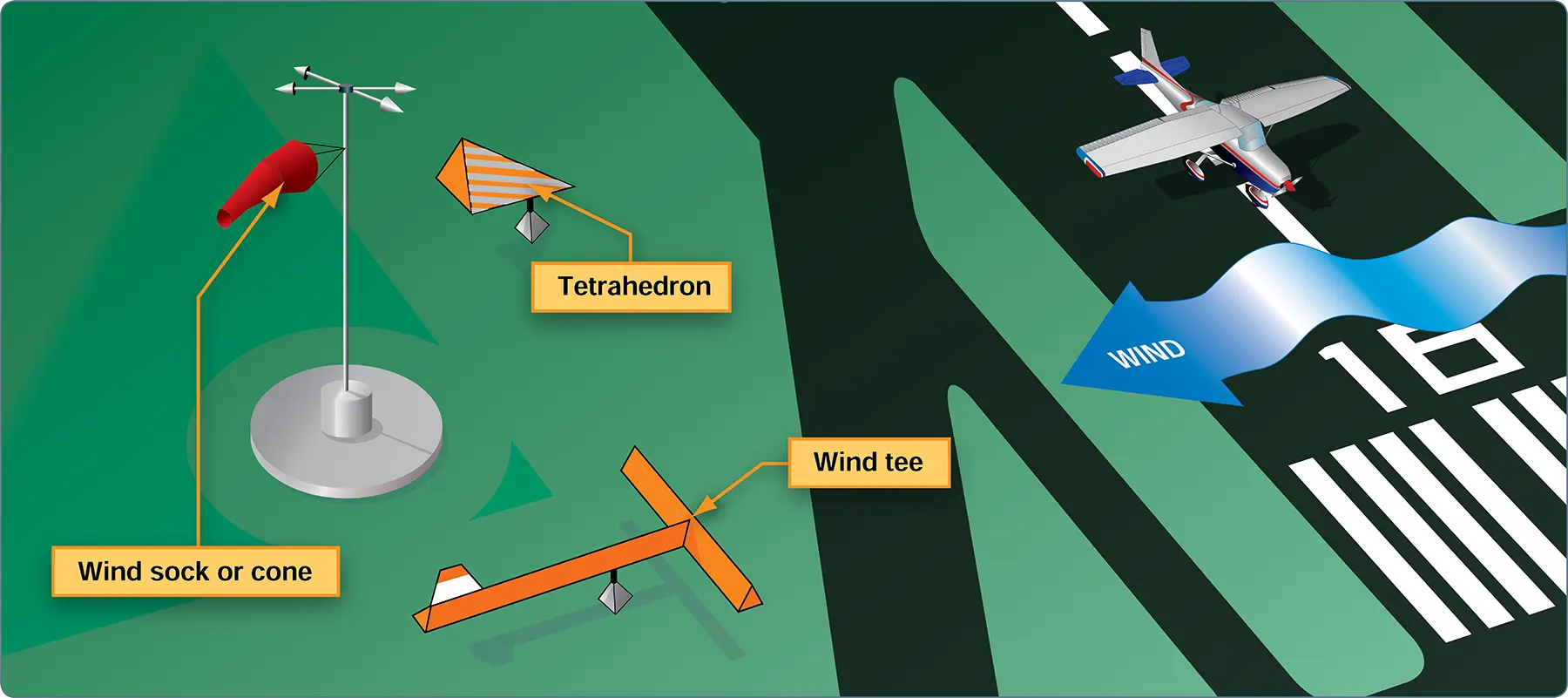
It is important for a pilot to know the direction of the wind. At facilities with an operating control tower, this information is provided by ATC. Wind information may also be provided by FSS personnel located at a particular airport or remotely through a Remote Communications Outlet (RCO). At airports equipped to receive and broadcast … Read more

Airport Lighting Systems

Airport lighting plays a vital role in safe aircraft operations during nighttime and low-visibility conditions. Standardized lighting systems help pilots identify airports, runways, taxiways, approach paths, and potential hazards. Understanding the purpose and operation of these lighting systems is essential for safe takeoffs, landings, and ground movements. The majority of airports have some type of … Read more

Airport Markings, Signs, and Runway Operations

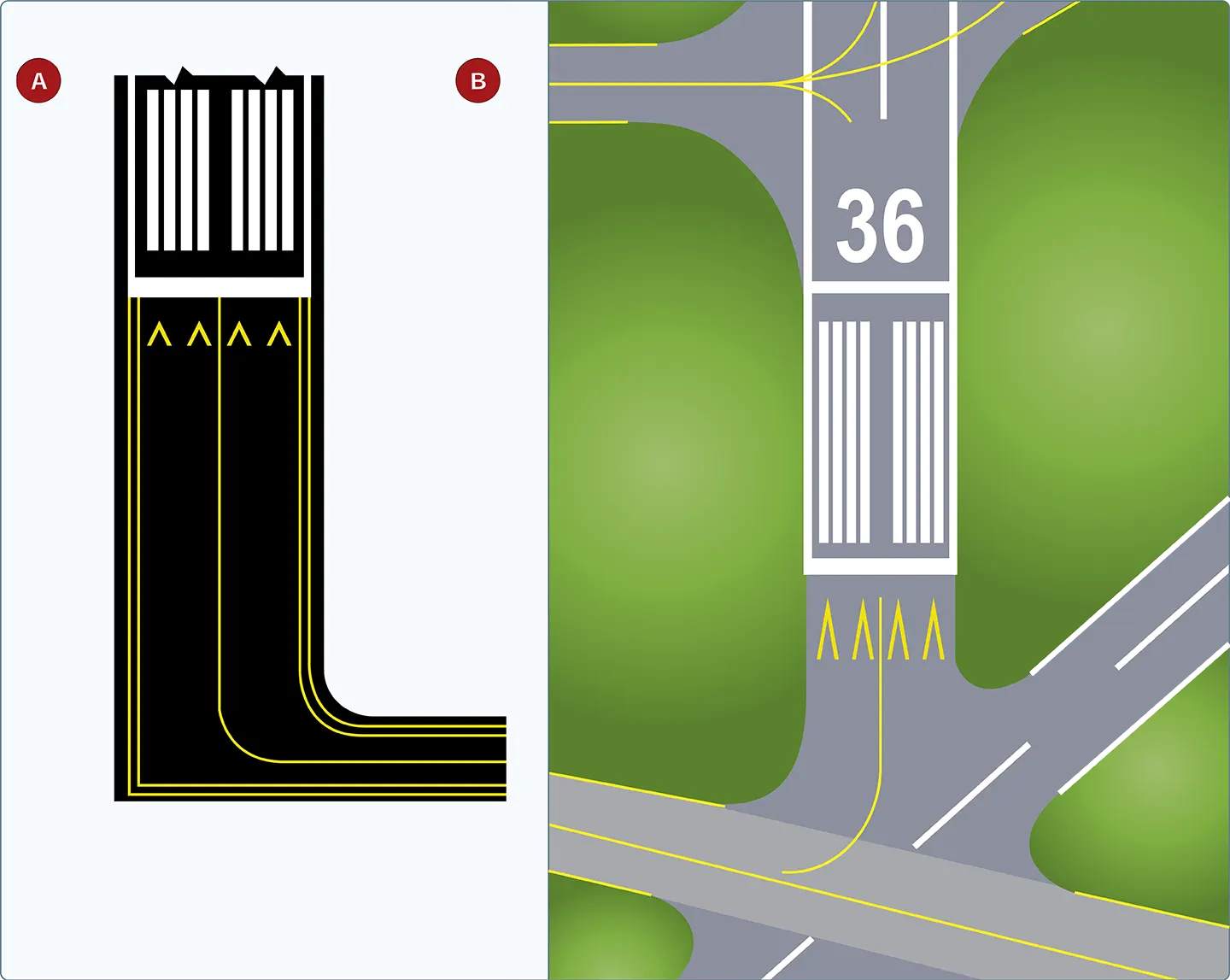
There are markings and signs used at airports that provide directions and assist pilots in airport operations. It is important for you to know the meanings of the signs, markings, and lights that are used on airports as surface navigational aids. All airport markings are painted on the surface, whereas some signs are vertical and … Read more