18 2

Aircraft Instrumentation: Moving into the Future

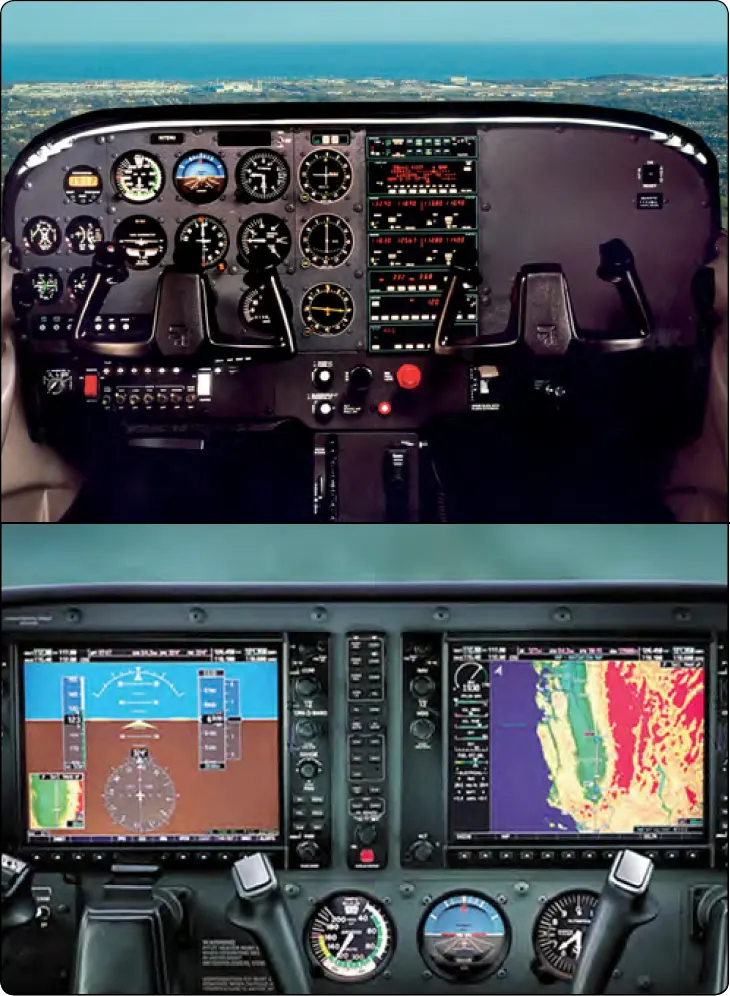
Aircraft instrumentation has evolved significantly with the transition from traditional analog gauges to advanced electronic flight display (EFD) systems. This article explains modern aircraft instrumentation, including primary flight displays (PFD), multifunction displays (MFD), and the three main categories of instruments—performance, control, and navigation—essential for safe flight operations and effective pilot decision-making. Until recently, most GA … Read more
14 5

Types of Aircraft Construction

Aircraft construction methods have evolved significantly from early truss frameworks to modern composite structures. This article examines the primary types of aircraft construction—truss, monocoque, semi-monocoque, and composite—and explains how each design influences strength, weight, durability, and performance. Truss Structure The main drawback of a truss structure is its lack of a streamlined shape. In this … Read more

4 1

Airplane Components and Subcomponents

Airplane design consists of several major components and subcomponents that work together to ensure safe and efficient flight. This article explains the primary structures of an aircraft, including the fuselage, wings, empennage, landing gear, and powerplant, as well as essential systems such as electrical systems, flight controls, and brakes. Major Components Although airplanes are designed … Read more

1 7

Lift and Basic Aerodynamics

Understanding lift and basic aerodynamics is essential for anyone studying aircraft systems, flight operations, or aviation engineering. This article explains the four fundamental forces of flight—lift, weight, thrust, and drag—and introduces key concepts such as aircraft axes and center of gravity (CG), which directly affect stability and control. Four forces act upon an aircraft in … Read more

1

Aircraft Certification and Airworthiness Guide

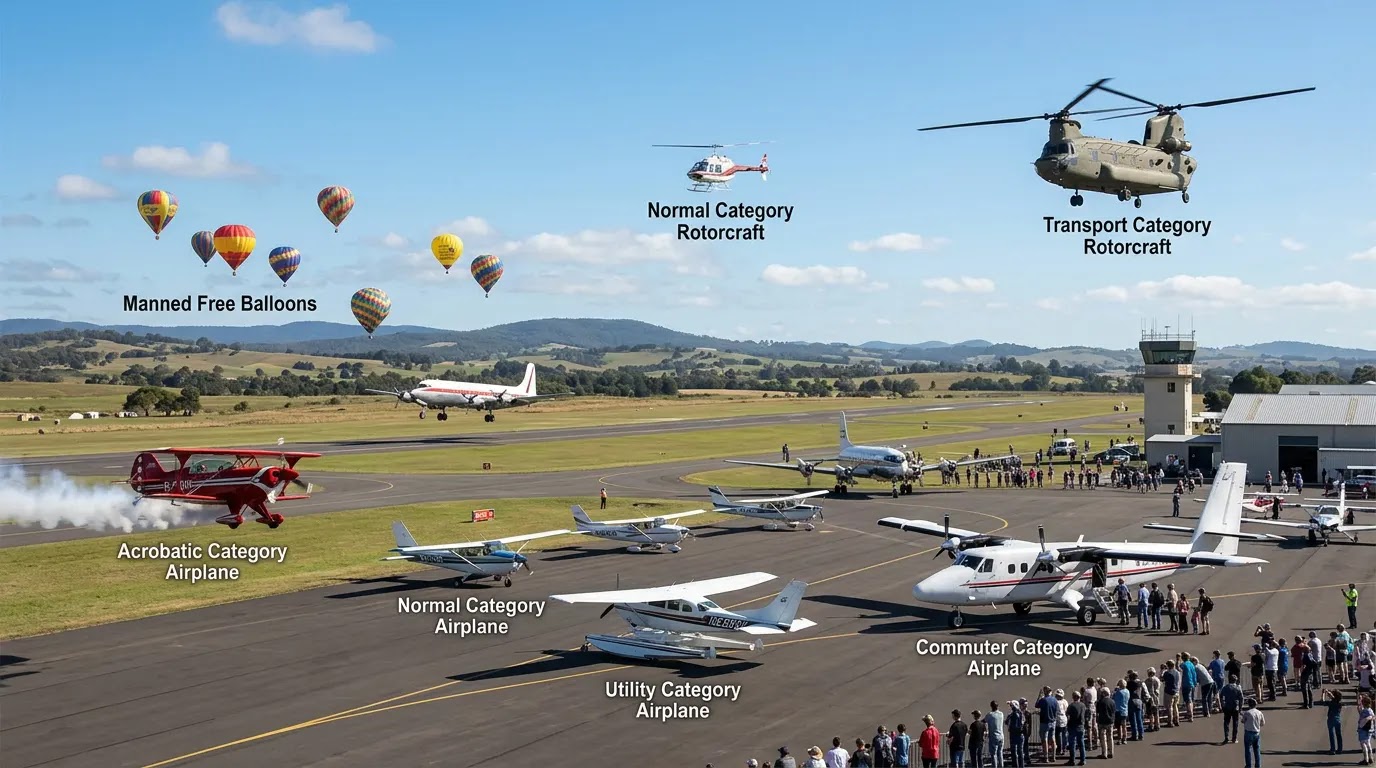
The FAA certifies three types of aviation products: aircraft, aircraft engines, and propellers. Each of these products has been designed to a set of airworthiness standards. These standards are parts of Title 14 of the Code of Federal Regulations (14 CFR), published by the FAA. The airworthiness standards were developed to help ensure that aviation … Read more

1

Rotorcraft Flight Manual

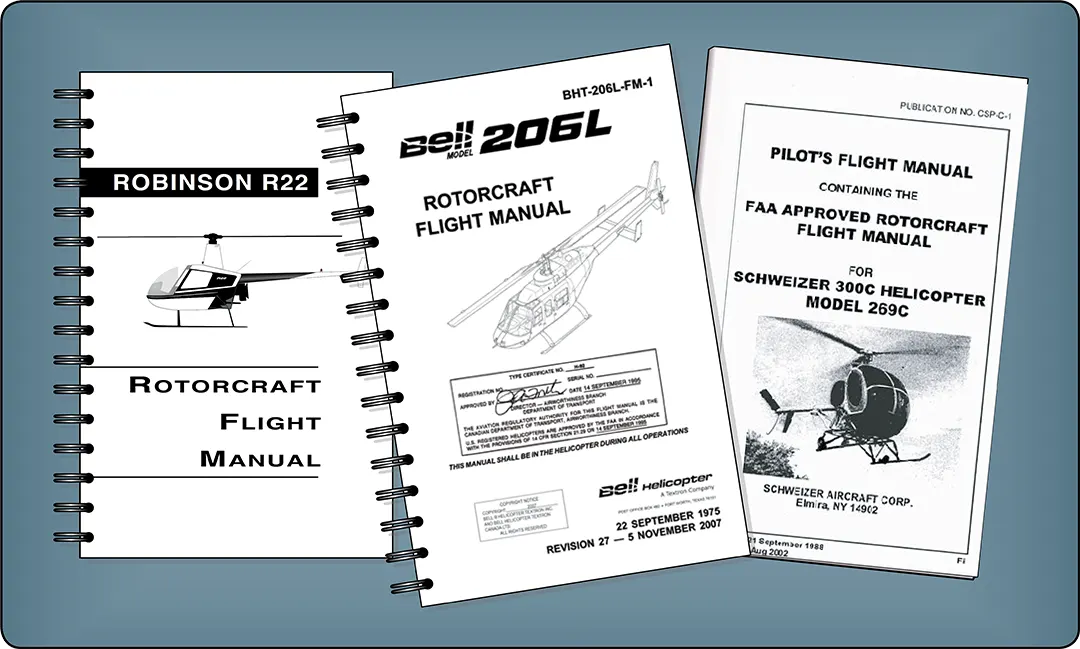
Title 14 of the Code of Federal Regulations (14 CFR) part 91 requires pilot compliance with the operating limitations specified in approved rotorcraft flight manuals, markings, and placards. Originally, flight manuals were often characterized by a lack of essential information and followed whatever format and content the manufacturer deemed appropriate. This changed with the acceptance … Read more

2

Helicopter Flight Controls

When introducing a student to the flight controls of a helicopter, the instructor must ensure the student understands how each control affects the flight of the aircraft. [Figure 1] The student may not be comfortable with the helicopter controls for some time, but must understand the function of each control and the reactions of the … Read more

111

Aeronautical Knowledge for Pilots: Complete Guide

The Aeronautical Knowledge section provides essential aviation theory and foundational ground school knowledge required for student pilots, private pilots, and advanced certificate holders. This structured series covers aerodynamics, aircraft systems, weather theory, navigation, airspace, regulations, and aeronautical decision-making aligned with FAA knowledge test standards. Use this page as your complete pilot training knowledge hub. Each … Read more

Navigation

This section provides an introduction to cross-country flying under visual flight rules (VFR). It contains practical information for planning and executing cross-country flights for the beginning pilot. Air navigation is the process of piloting an aircraft from one geographic position to another while monitoring one’s position as the flight progresses. It introduces the need for … Read more

Aviation Weather Services

In aviation, weather service is a combined effort of the National Weather Service (NWS), Federal Aviation Administration (FAA), Department of Defense (DOD), other aviation groups, and individuals. Because of the increasing need for worldwide weather services, foreign weather organizations also provide vital input. While weather forecasts are not 100 percent accurate, meteorologists, through careful scientific … Read more