Aviation Weather Services

In aviation, weather service is a combined effort of the National Weather Service (NWS), Federal Aviation Administration (FAA), Department of Defense (DOD), other aviation groups, and individuals. Because of the increasing need for worldwide weather services, foreign weather organizations also provide vital input. While weather forecasts are not 100 percent accurate, meteorologists, through careful scientific … Read more
Pilot Responsibility

It is important for pilots to understand the realization that the derived safety benefits of data link depends heavily upon the pilot’s understanding of the specific system’s capabilities and limitations which are listed below. Product latency – be aware of the time stamp or “valid until” time on the particular data link information displayed in … Read more

ATC Radar Weather Displays

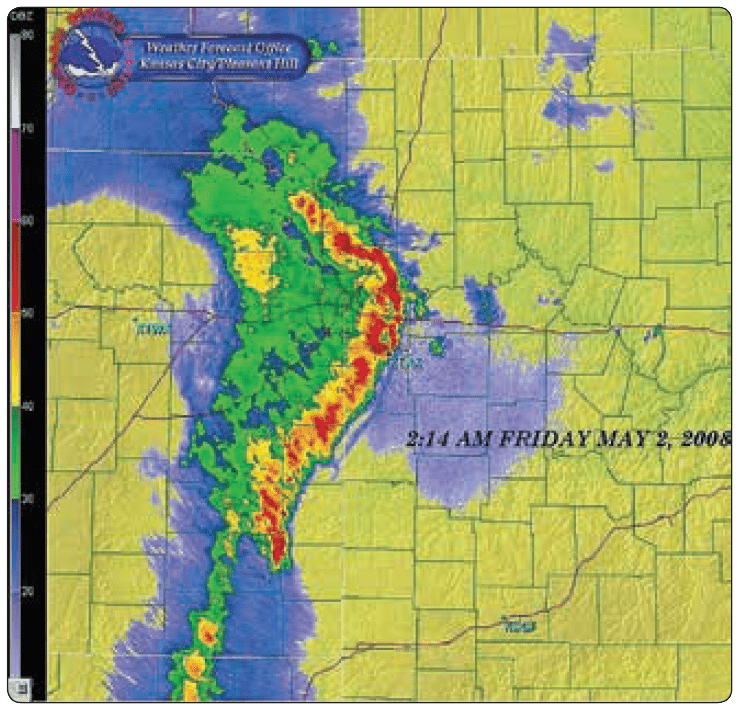
Although ATC systems cannot always detect the presence or absence of clouds, they can often determine the intensity of a precipitation area, but the specific character of that area (snow, rain, hail, VIRGA, etc.) cannot be determined. For this reason, ATC refers to all weather areas displayed on ATC radar scopes as “precipitation.” ARTCC facilities … Read more

Weather Charts

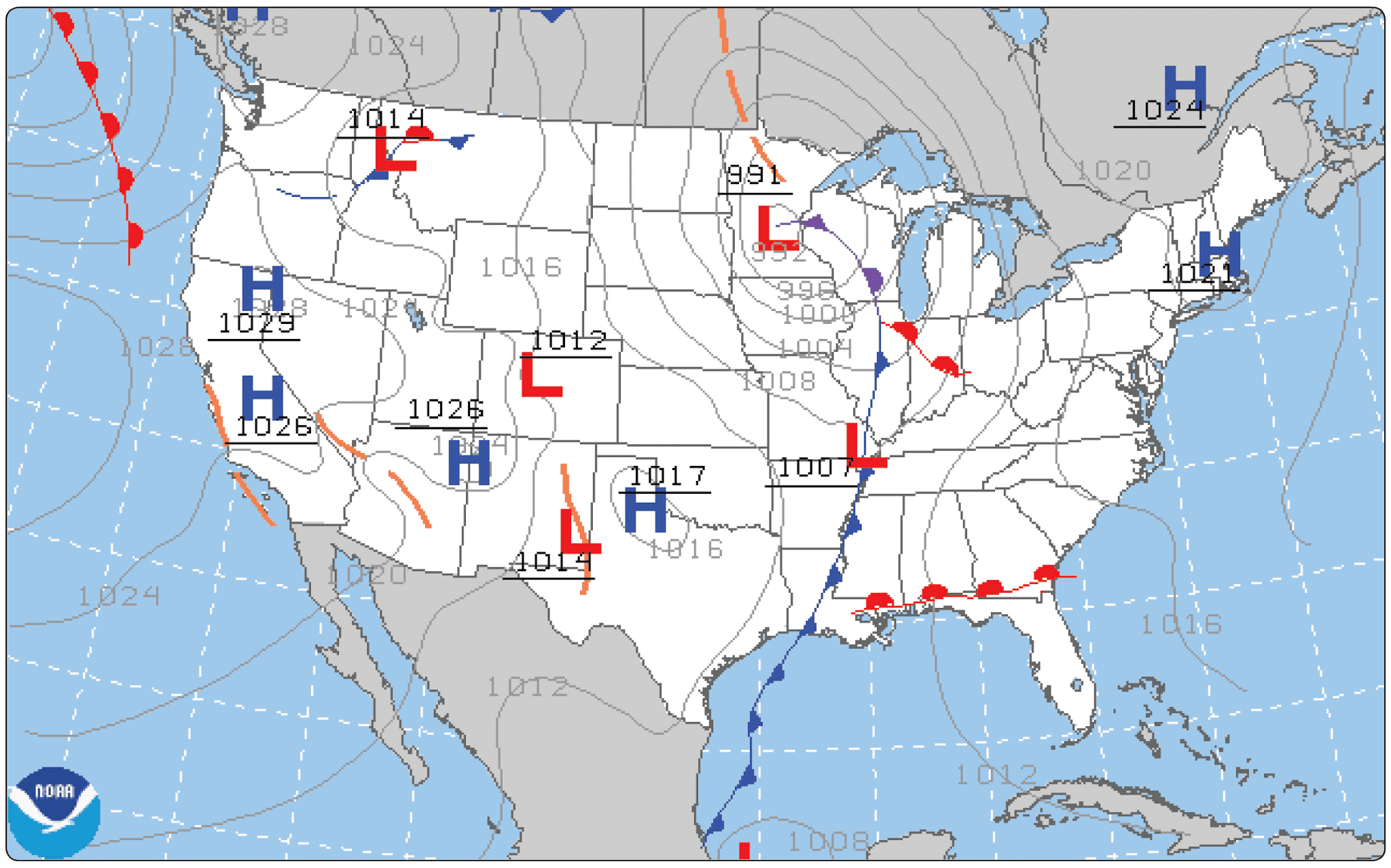
Weather charts are graphic charts that depict current or forecast weather. They provide an overall picture of the United States and should be used in the beginning stages of flight planning. Typically, weather charts show the movement of major weather systems and fronts. Surface analysis, weather depiction, and significant weather prognostic charts are sources of … Read more

Aviation Weather Forecasts

Observed weather condition reports are often used in the creation of forecasts for the same area. A variety of different forecast products are produced and designed to be used in the preflight planning stage. The printed forecasts that pilots need to be familiar with are the terminal aerodrome forecast (TAF), aviation area forecast (FA), inflight … Read more

Aviation Weather Reports

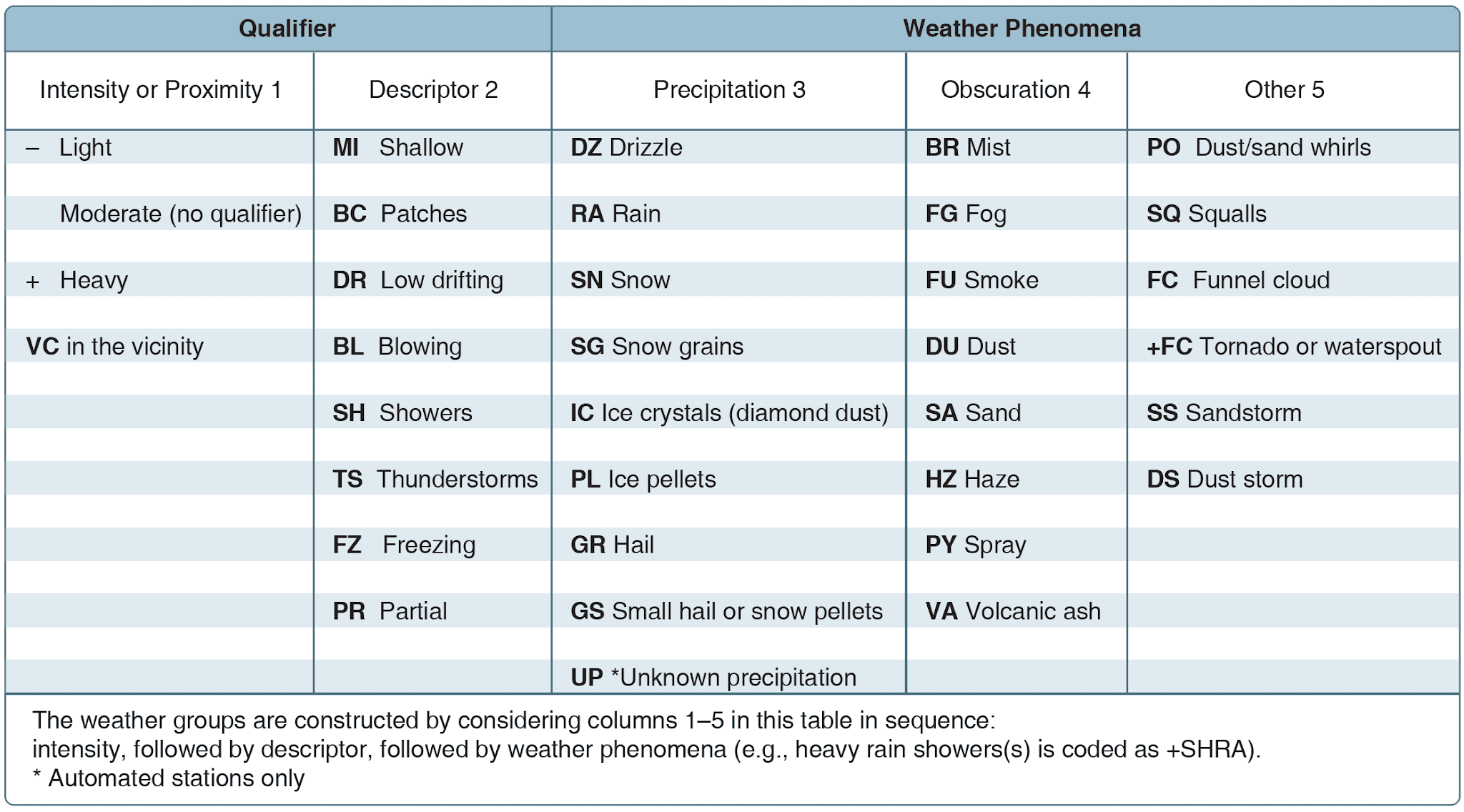
Aviation weather reports are designed to give accurate depictions of current weather conditions. Each report provides current information that is updated at different times. Some typical reports are METARs and PIREPs. Aviation Routine Weather Report (METAR) A METAR is an observation of current surface weather reported in a standard international format. While the METAR code … Read more

Aviation Weather Briefings

Prior to every flight, pilots should gather all information vital to the nature of the flight. This includes an appropriate weather briefing obtained from a specialist at a FSS. For weather specialists to provide an appropriate weather briefing, they need to know which of the three types of briefings is needed—standard, abbreviated, or outlook. Other … Read more

Aviation Weather Service Outlets

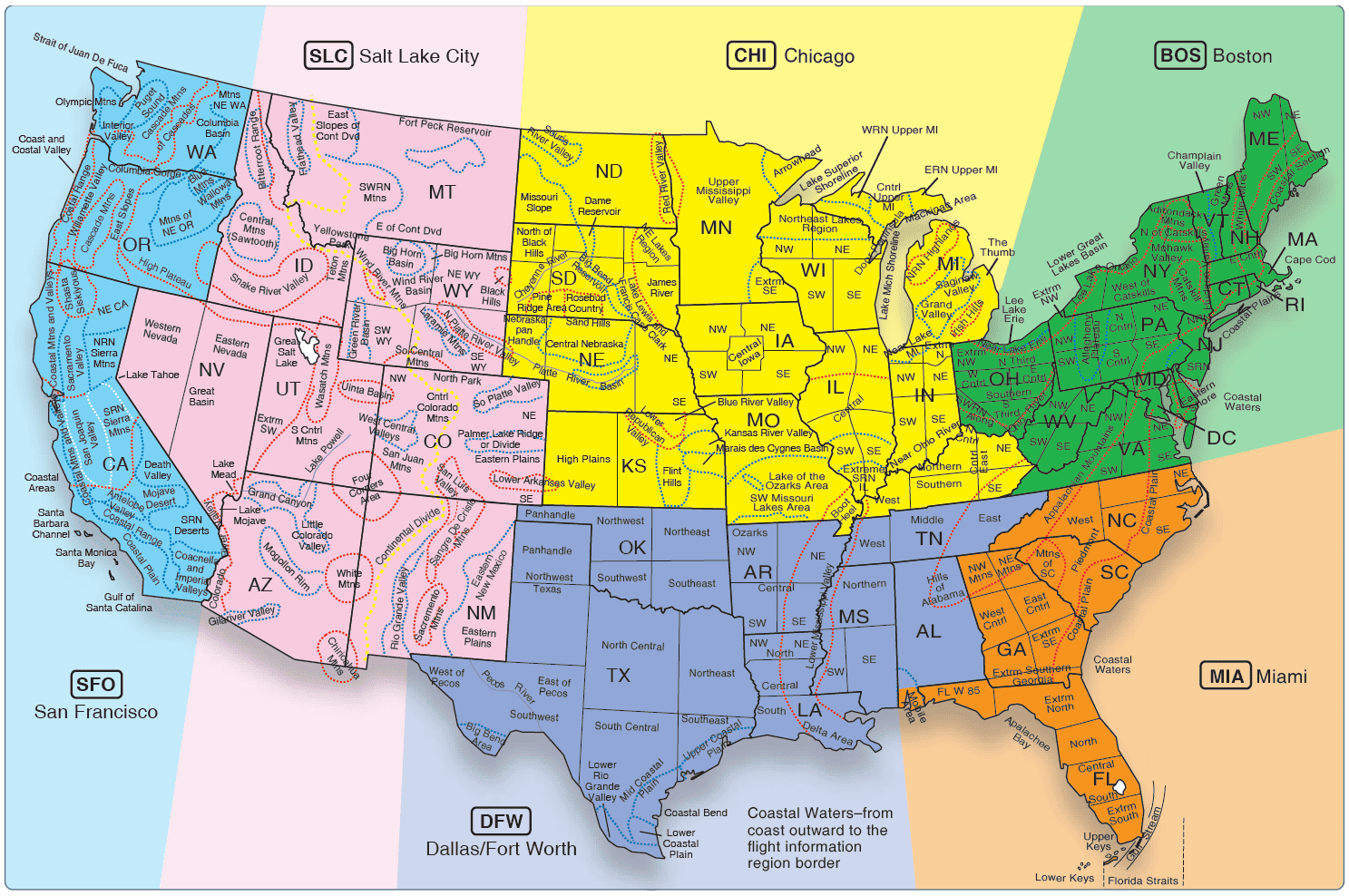
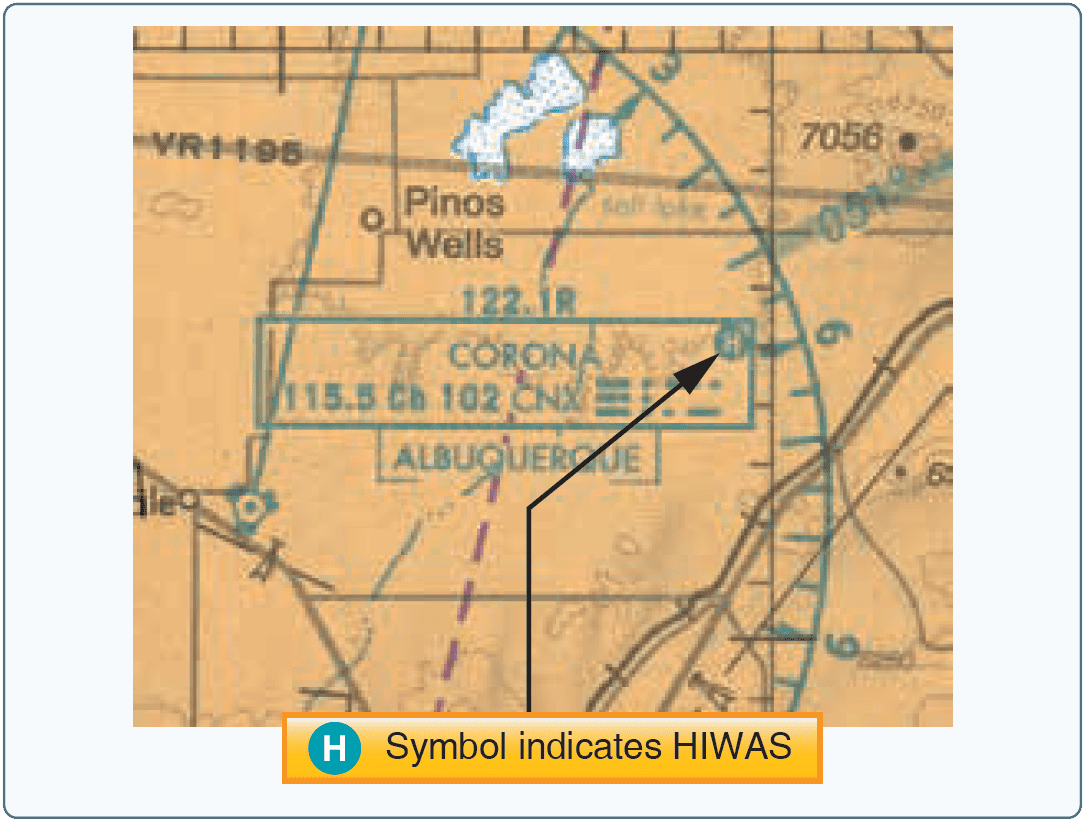
Service outlets are government, government contract, or private facilities that provide aviation weather services. Several different government agencies, including the FAA, National Oceanic and Atmospheric Administration (NOAA), and the NWS work in conjunction with private aviation companies to provide different means of accessing weather information. Flight Service Station (FSS) The FSS is the primary source … Read more

Aviation Weather Observations

The data gathered from surface and upper altitude observations form the basis of all weather forecasts, advisories, and briefings. There are four types of weather observations: surface, upper air, radar, and satellite. Surface Aviation Weather Observations Surface aviation weather observations (METARs) are a compilation of elements of the current weather at individual ground stations across … Read more