Aircraft Construction Overview

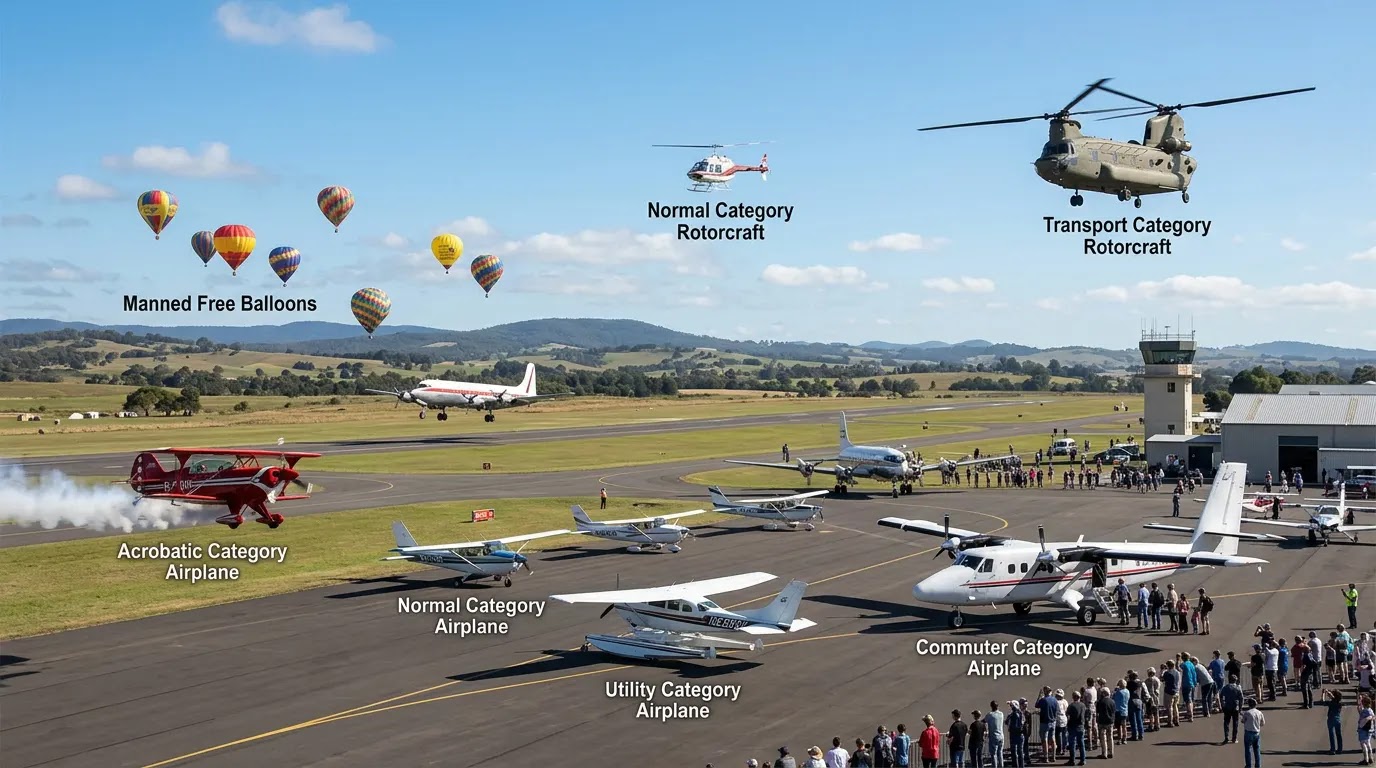
An aircraft is a device that is used, or intended to be used, for flight according to Title 14 of the Code of Federal Regulations (14 CFR) part 1, Definitions and Abbreviations. Aircraft categories for certification of airmen include airplane, rotorcraft, glider, lighter-than-air, powered-lift, powered parachute, and weight-shift control aircraft. Title 14 CFR part 1 … Read more
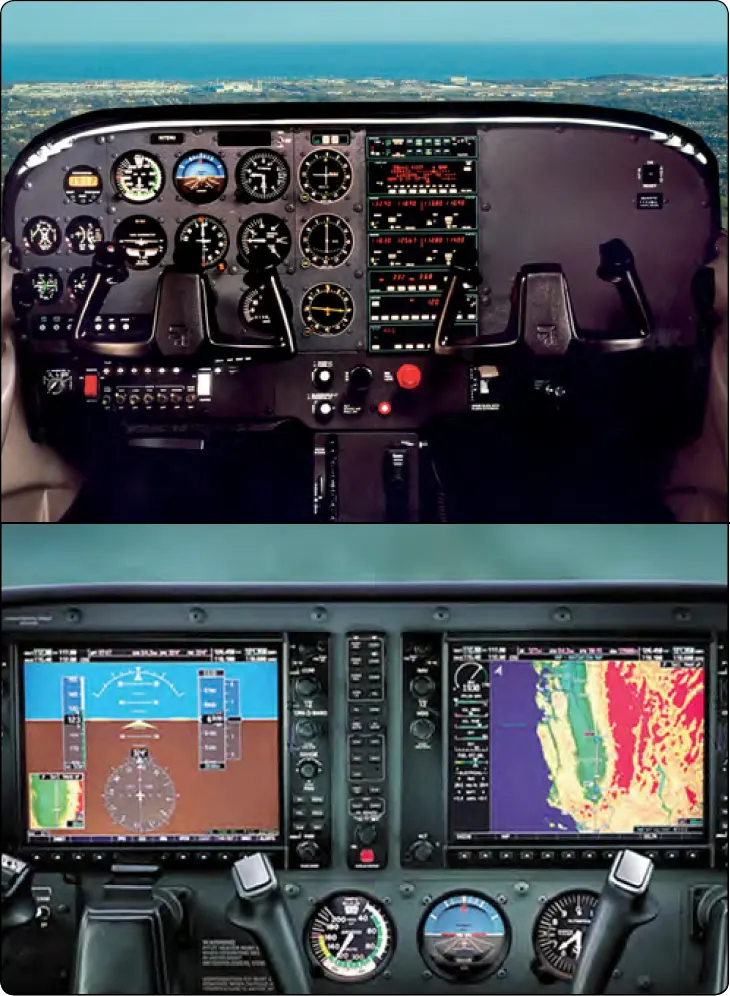
Aircraft Instrumentation: Moving into the Future

Aircraft instrumentation has evolved significantly with the transition from traditional analog gauges to advanced electronic flight display (EFD) systems. This article explains modern aircraft instrumentation, including primary flight displays (PFD), multifunction displays (MFD), and the three main categories of instruments—performance, control, and navigation—essential for safe flight operations and effective pilot decision-making. Until recently, most GA … Read more

Types of Aircraft Construction

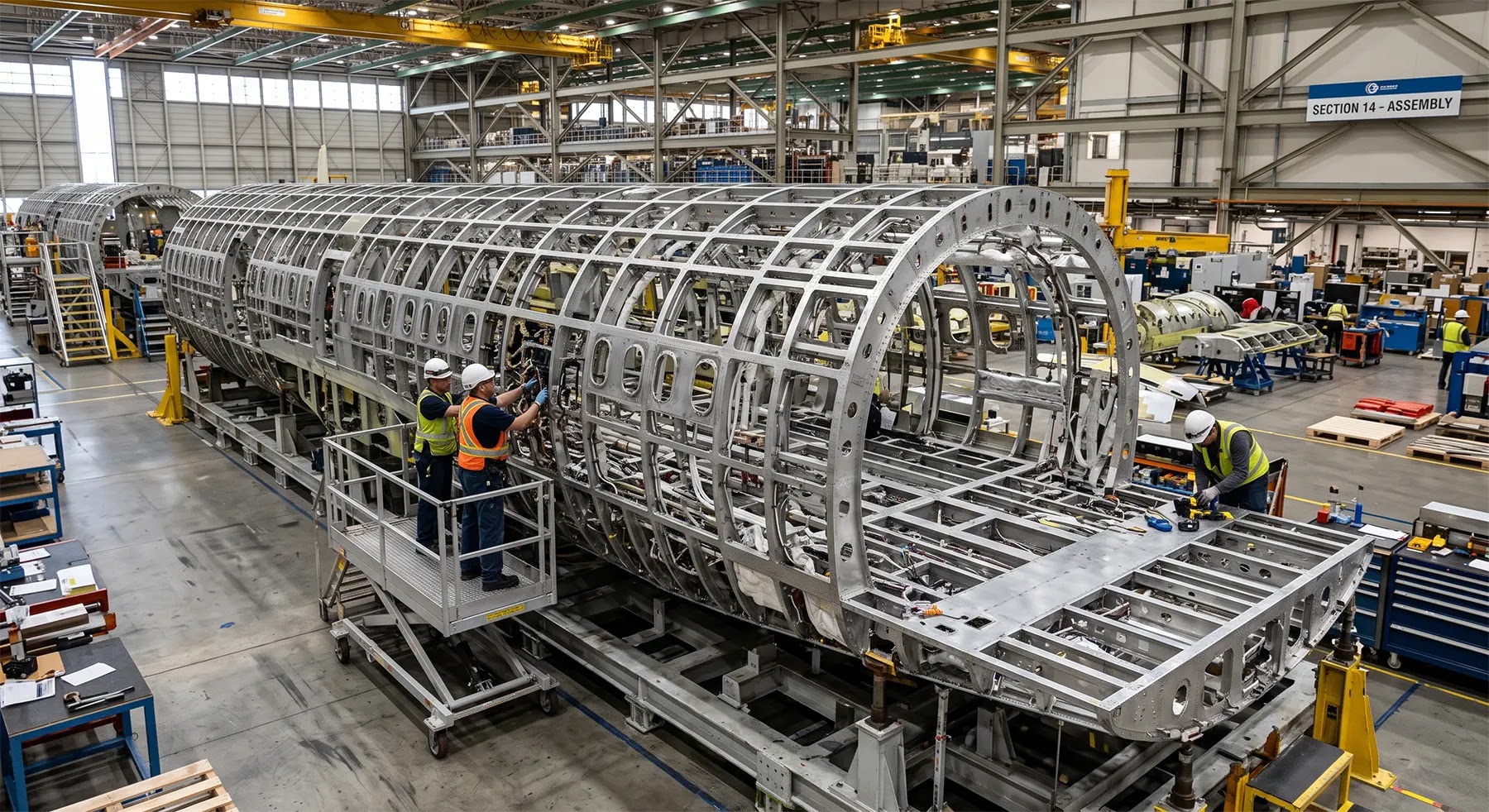
Aircraft construction methods have evolved significantly from early truss frameworks to modern composite structures. This article examines the primary types of aircraft construction—truss, monocoque, semi-monocoque, and composite—and explains how each design influences strength, weight, durability, and performance. Truss Structure The main drawback of a truss structure is its lack of a streamlined shape. In this … Read more

Airplane Components and Subcomponents

Airplane design consists of several major components and subcomponents that work together to ensure safe and efficient flight. This article explains the primary structures of an aircraft, including the fuselage, wings, empennage, landing gear, and powerplant, as well as essential systems such as electrical systems, flight controls, and brakes. Major Components Although airplanes are designed … Read more

Lift and Basic Aerodynamics

Understanding lift and basic aerodynamics is essential for anyone studying aircraft systems, flight operations, or aviation engineering. This article explains the four fundamental forces of flight—lift, weight, thrust, and drag—and introduces key concepts such as aircraft axes and center of gravity (CG), which directly affect stability and control. Four forces act upon an aircraft in … Read more

Aircraft Certification and Airworthiness Guide

The FAA certifies three types of aviation products: aircraft, aircraft engines, and propellers. Each of these products has been designed to a set of airworthiness standards. These standards are parts of Title 14 of the Code of Federal Regulations (14 CFR), published by the FAA. The airworthiness standards were developed to help ensure that aviation … Read more