High-Speed Aerodynamics and Compressibility

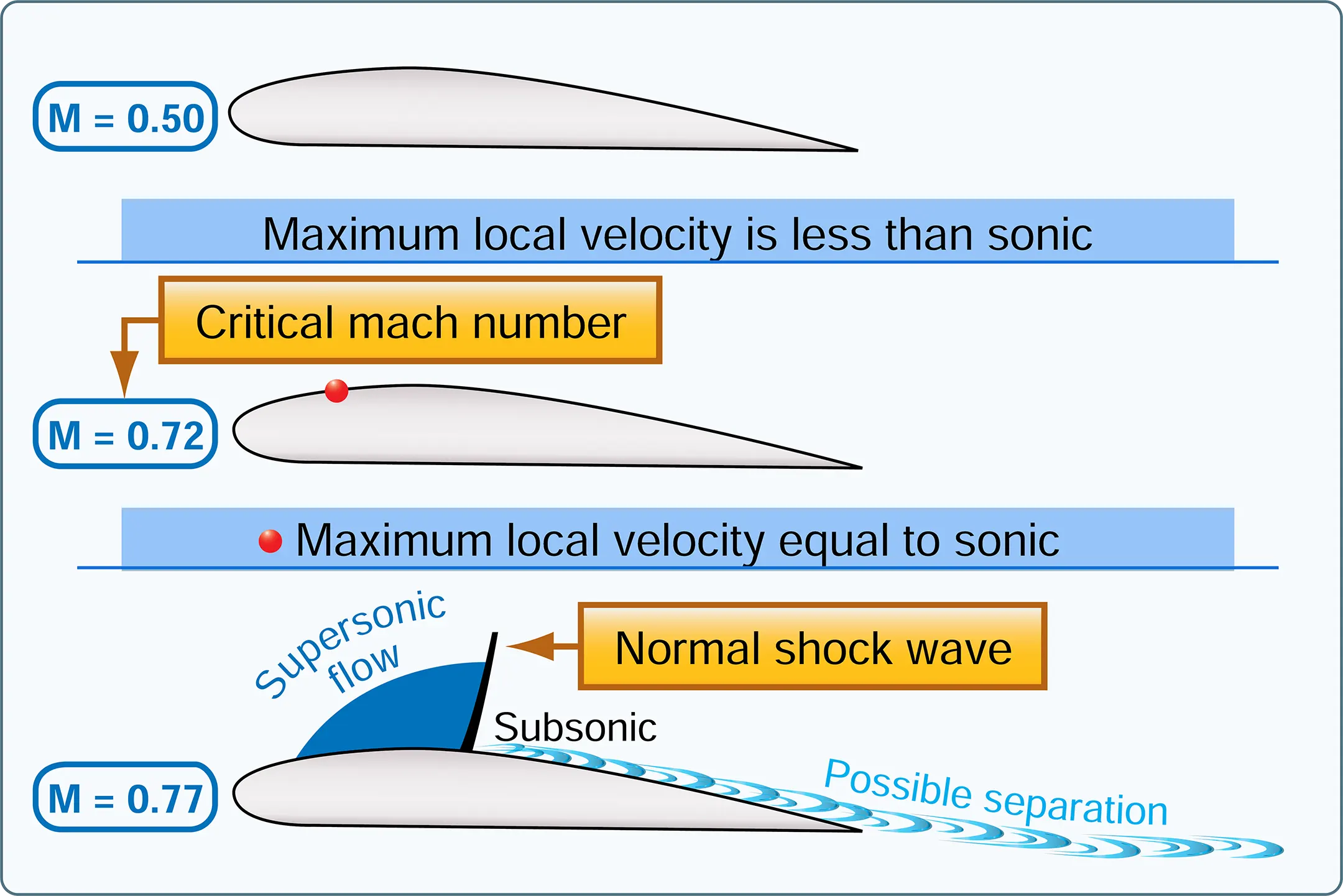
High-speed flight introduces compressibility effects that significantly change aircraft performance and control. Understanding Mach number, shock waves, and aerodynamic behavior at high speeds is essential for safe jet operations. Subsonic Versus Supersonic Flow In subsonic aerodynamics, the theory of lift is based upon the forces generated on a body and a moving gas (air) in … Read more
Weight and Balance in Aircraft Operations

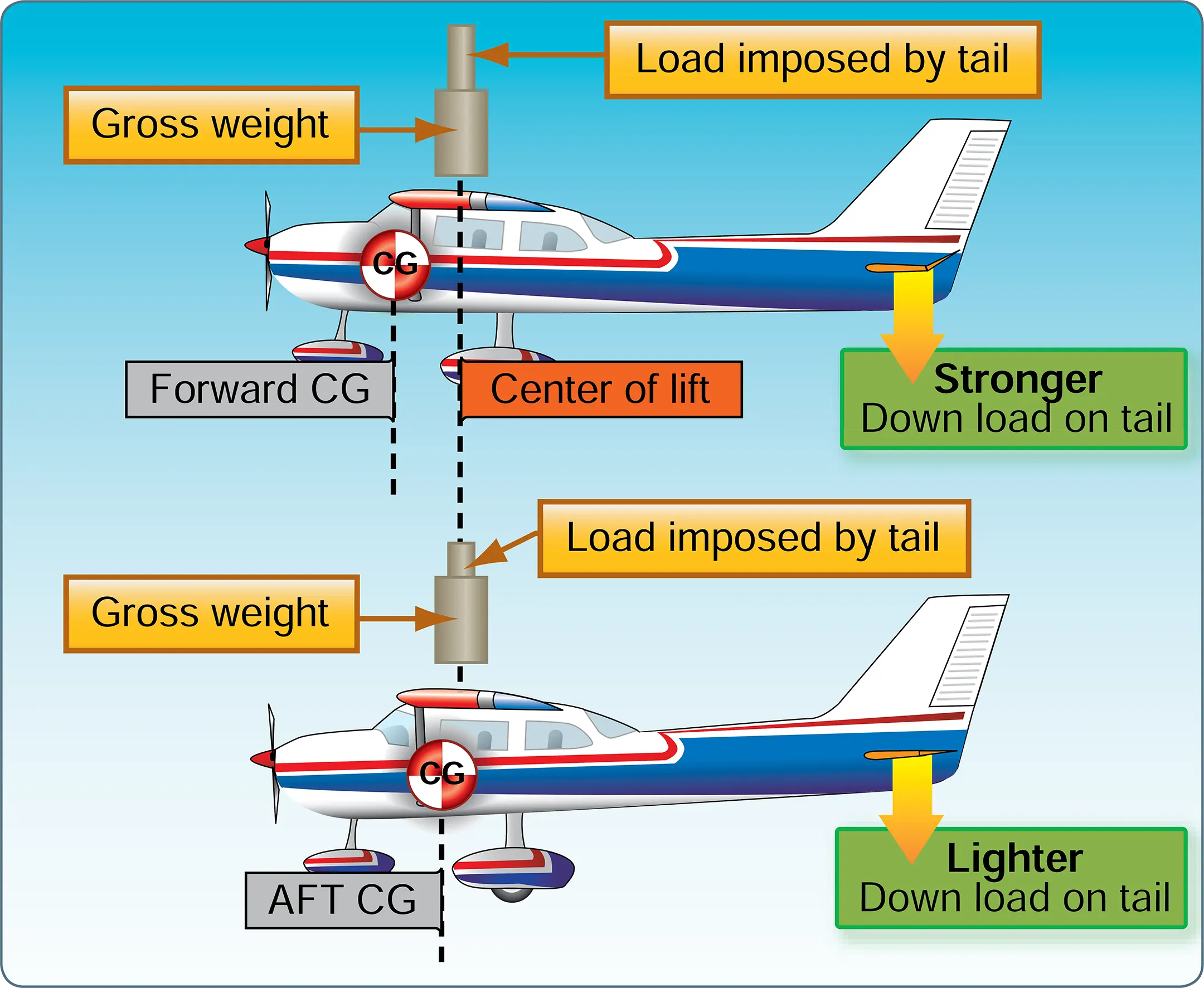
Weight and balance are critical factors that affect aircraft performance, stability, and safety. Understanding how weight distribution and center of gravity (CG) influence flight characteristics is essential for proper aircraft operation. The aircraft’s weight and balance data is important information for a pilot that must be regularly reviewed. Although the aircraft was weighed during the … Read more

Principles of Propeller Aerodynamics and Torque

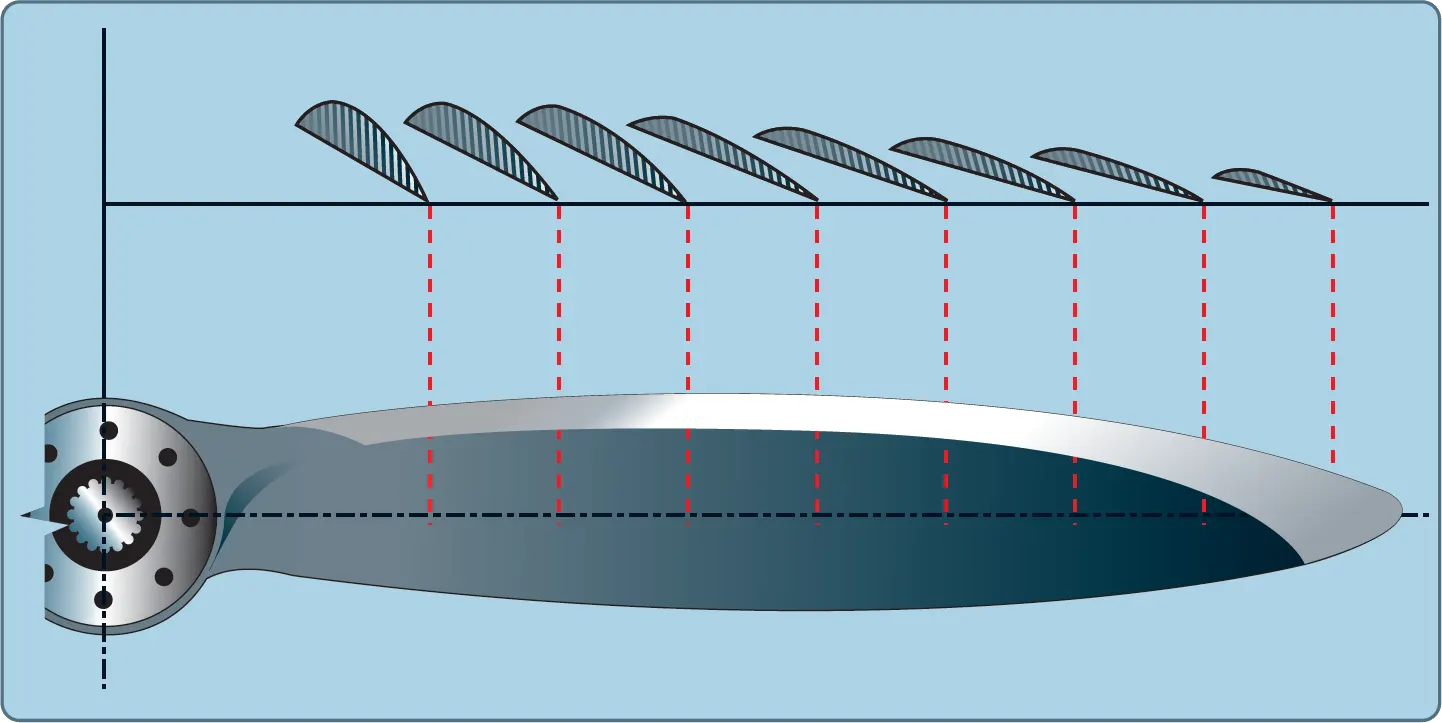
Propeller operation is based on aerodynamic principles similar to those of a wing. Understanding how propellers produce thrust and how factors such as blade angle, pitch, and torque effects influence aircraft behavior is essential for safe and efficient flight. The aircraft propeller consists of two or more blades and a central hub to which the … Read more

Aerodynamics of the Aircraft Stall

A stall is one of the most critical aerodynamic conditions a pilot must understand. Knowing how stalls occur, how angle of attack affects lift, and how to prevent and recover from stalls is essential for safe flight operations. An aircraft stall results from a rapid decrease in lift caused by the separation of airflow from … Read more

Aerodynamic Forces in Flight Maneuvers

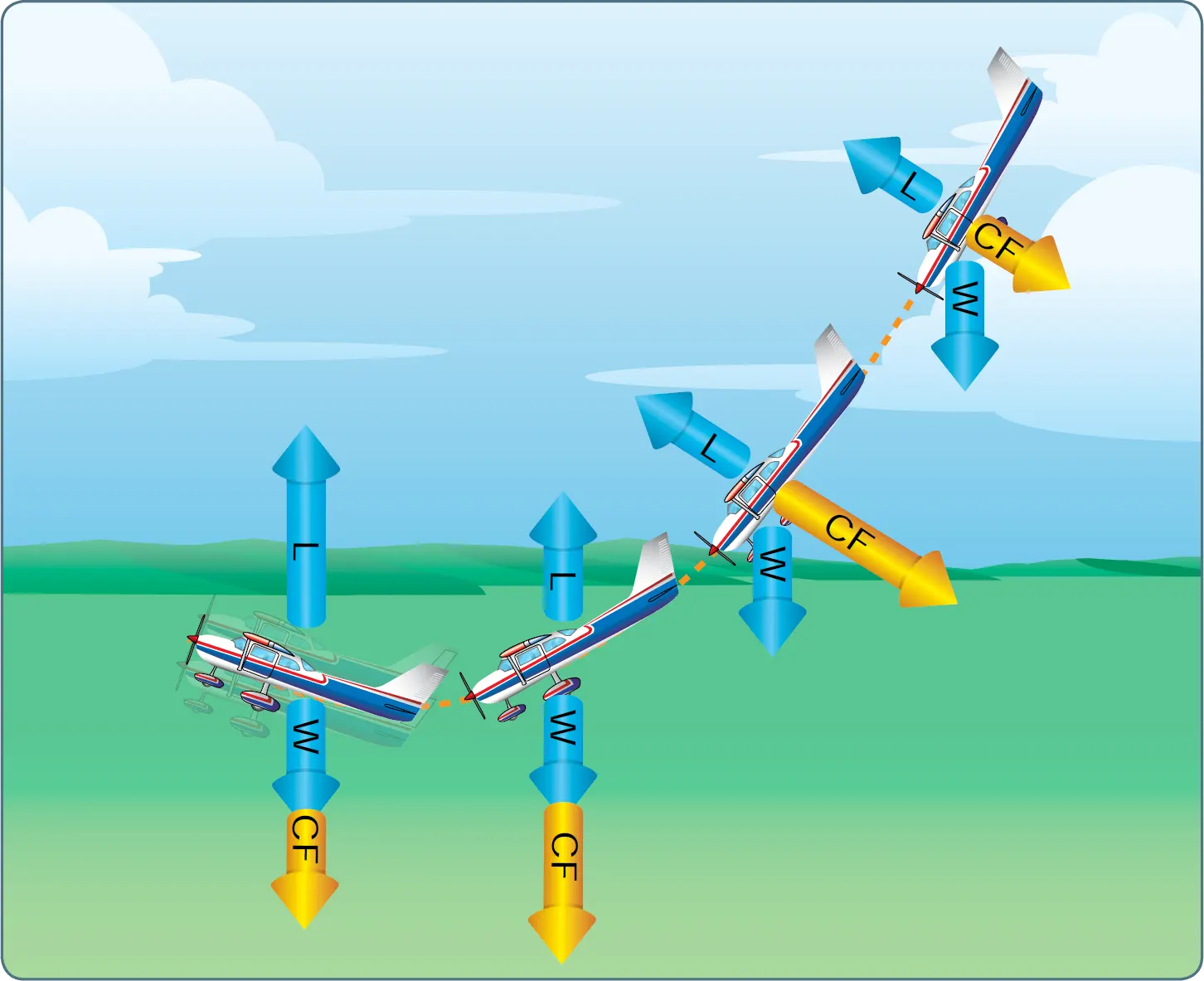
Aerodynamic forces change significantly during flight maneuvers such as turns, climbs, and descents. Understanding how lift, weight, thrust, and drag interact during these maneuvers is essential for maintaining control and safe aircraft performance. Forces in Turns If an aircraft were viewed in straight-and-level flight from the front [Figure 1], and if the forces acting on … Read more

Aircraft Stability and Control

Aircraft design characteristics such as stability, maneuverability, and controllability determine how an aircraft responds in flight. Understanding these principles helps pilots maintain control and recognize how aircraft behavior changes under different flight conditions. Each aircraft handles differently because it responds to control inputs in its own way. For example, a training aircraft is quick to … Read more

Forces Acting on the Aircraft

Thrust, drag, lift, and weight are the four fundamental forces acting on an aircraft in flight. A clear understanding of how these forces interact—and how to control them using power and flight controls—is essential for safe and efficient flying. By adjusting thrust and the angle of attack, pilots manage the balance between lift and weight, … Read more

Moment and Moment Arm in Aircraft

Moment and moment arm are fundamental concepts that explain how forces cause an aircraft to rotate about its center of gravity (CG). Understanding how these principles affect balance, stability, and control is essential for pilots when managing aircraft loading and flight performance. A study of physics shows that a body free to rotate will always … Read more

The Three Axes of Flight

Aircraft motion is controlled around three fundamental axes that pass through the center of gravity (CG). Understanding the longitudinal, lateral, and vertical axes—and how they relate to roll, pitch, and yaw—is essential for pilots to maintain control and stability during all phases of flight. The axes of an aircraft are three imaginary lines that pass … Read more

Ground Effect and Its Effects on Aircraft Performance

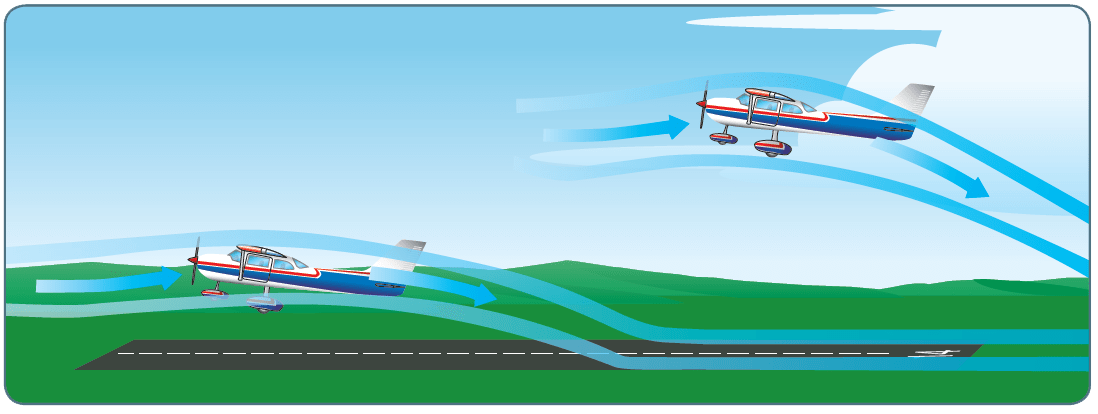
Ground effect is an aerodynamic condition that occurs when an aircraft flies close to the surface, reducing induced drag and increasing lift. Understanding its effects is essential for safe takeoff and landing operations. Ever since the beginning of manned flight, pilots realized that just before touchdown it would suddenly feel like the aircraft did not … Read more