Aerodynamics of Flight

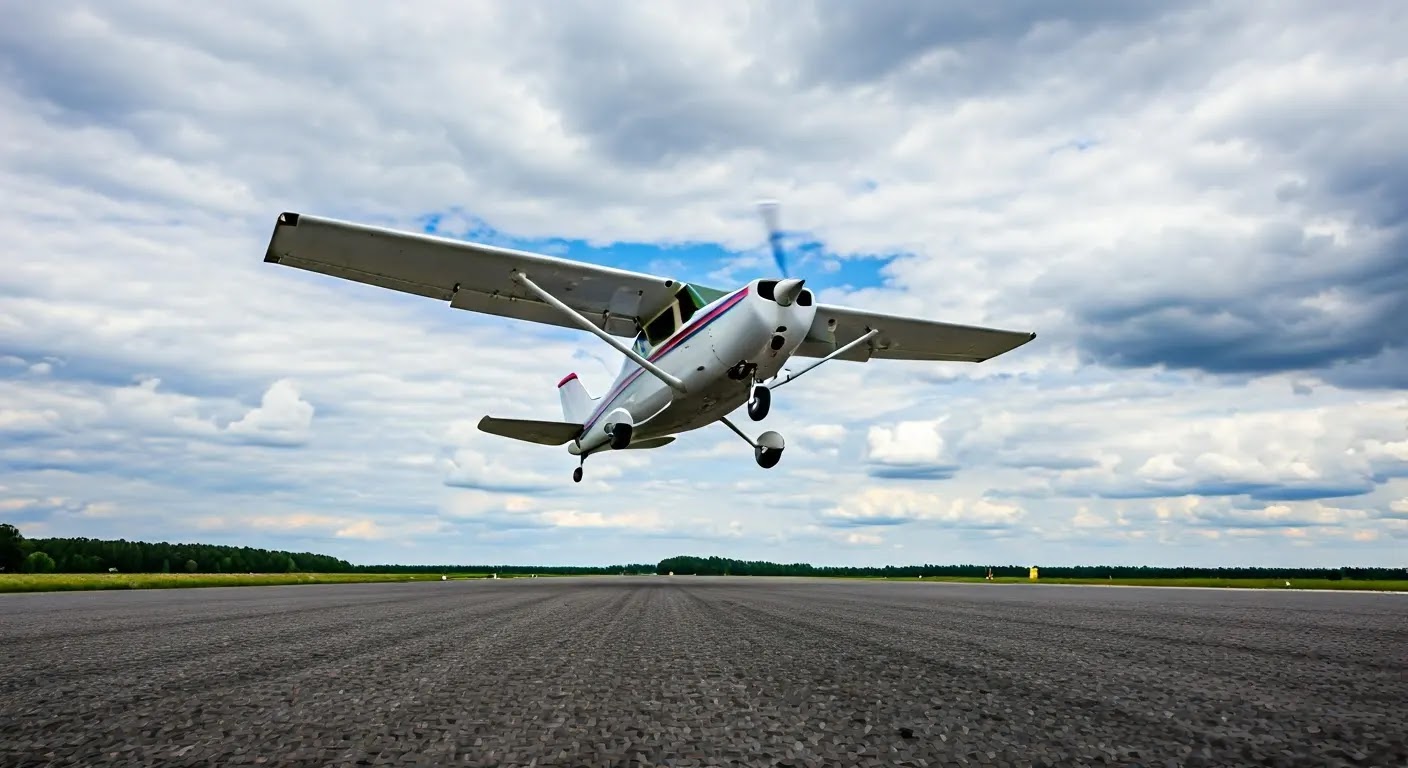
Aerodynamics is the science behind how aircraft fly, making it a crucial topic for pilots to understand. Four fundamental forces act on an aircraft in flight: lift, weight, thrust, and drag. Lift, generated by the wings, counteracts weight (gravity) to keep the aircraft airborne. Thrust, produced by the engine or propeller, propels the aircraft forward, … Read more
Aircraft Load Factors and Maneuvering Limits

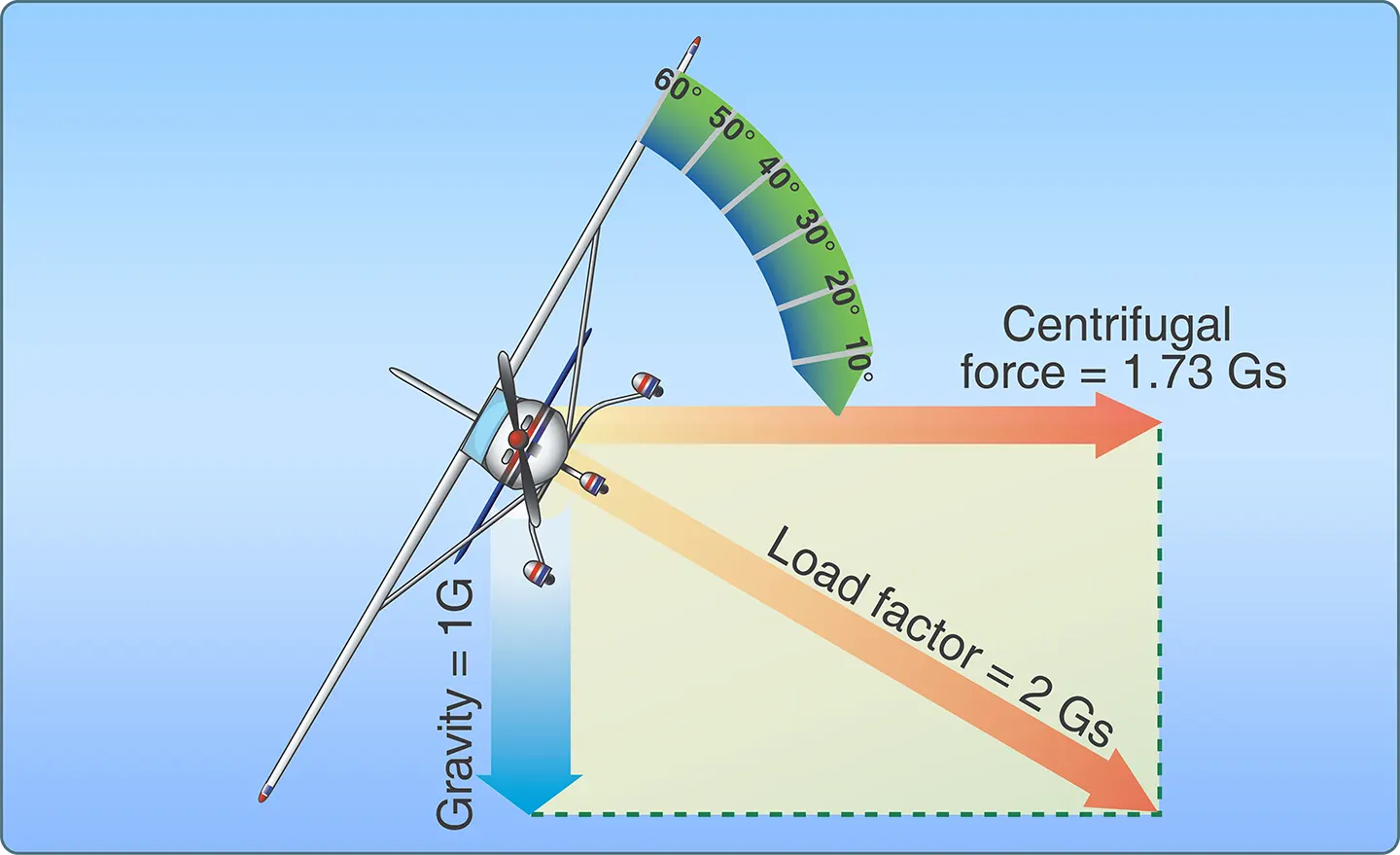
Load factor is a critical concept in aviation that describes the forces acting on an aircraft during maneuvers. Understanding how load factor affects performance, stall speed, and structural limits is essential for safe flight operations. In aerodynamics, the maximum load factor (at a given bank angle) is a proportion between lift and weight and has … Read more

AOA Indicators and Stall Margin Awareness

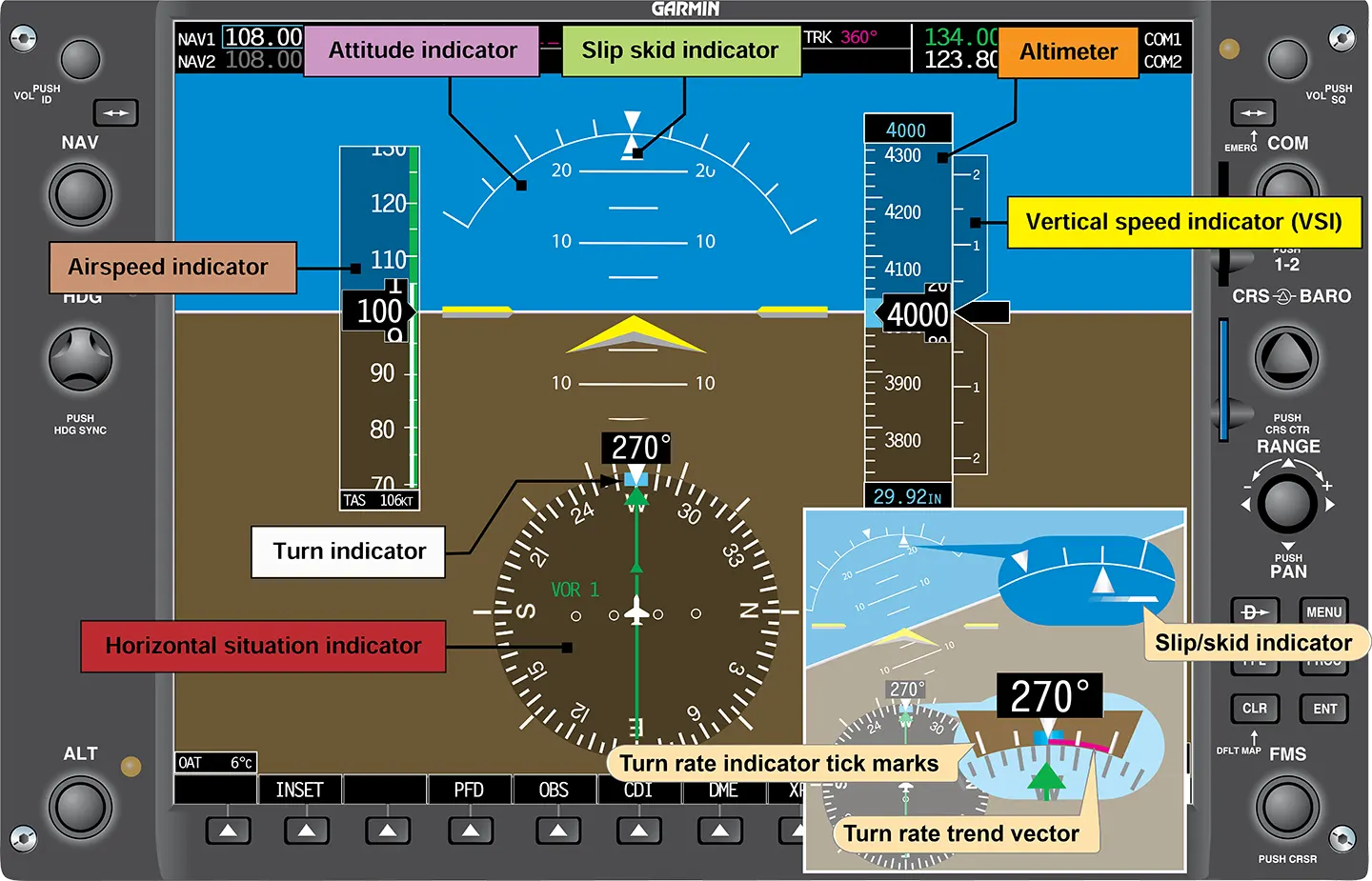
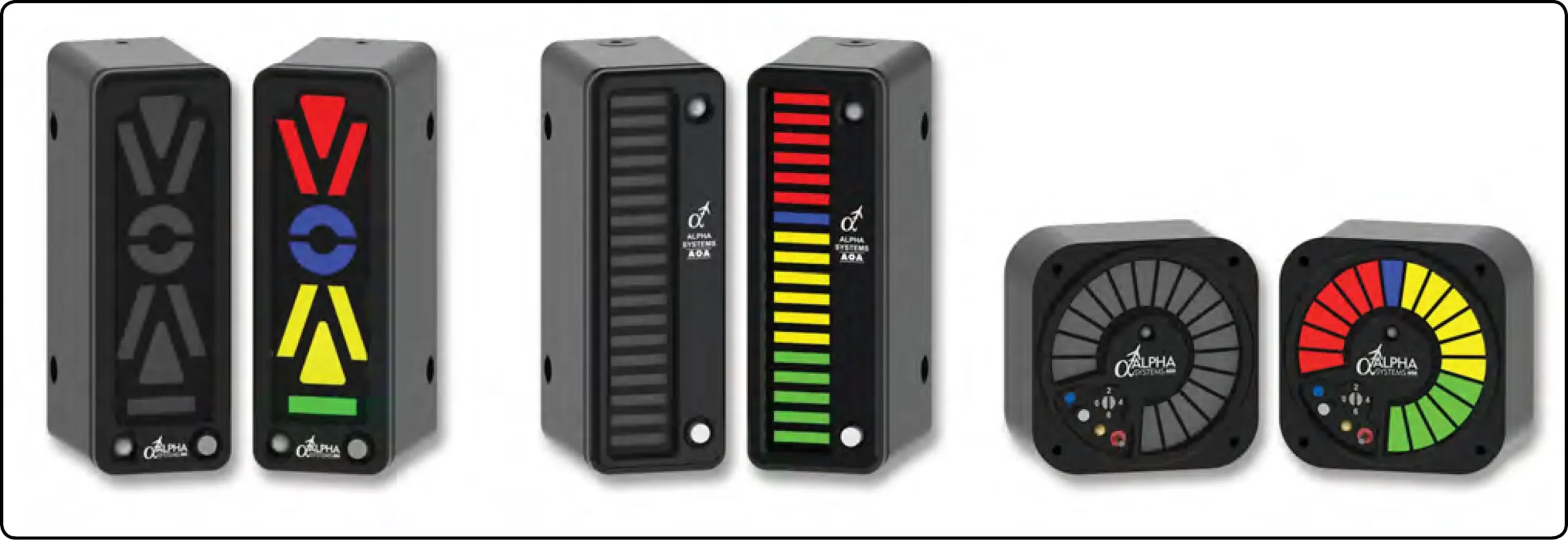
Angle of attack (AOA) indicators provide pilots with real-time information about wing performance and stall margin. Understanding how these systems work can significantly improve flight safety and help prevent loss of control accidents. The FAA along with the General Aviation Joint Steering Committee (GAJSC) is promoting AOA indicators as one of the many safety initiatives … Read more

Wing Planform and Design Characteristics

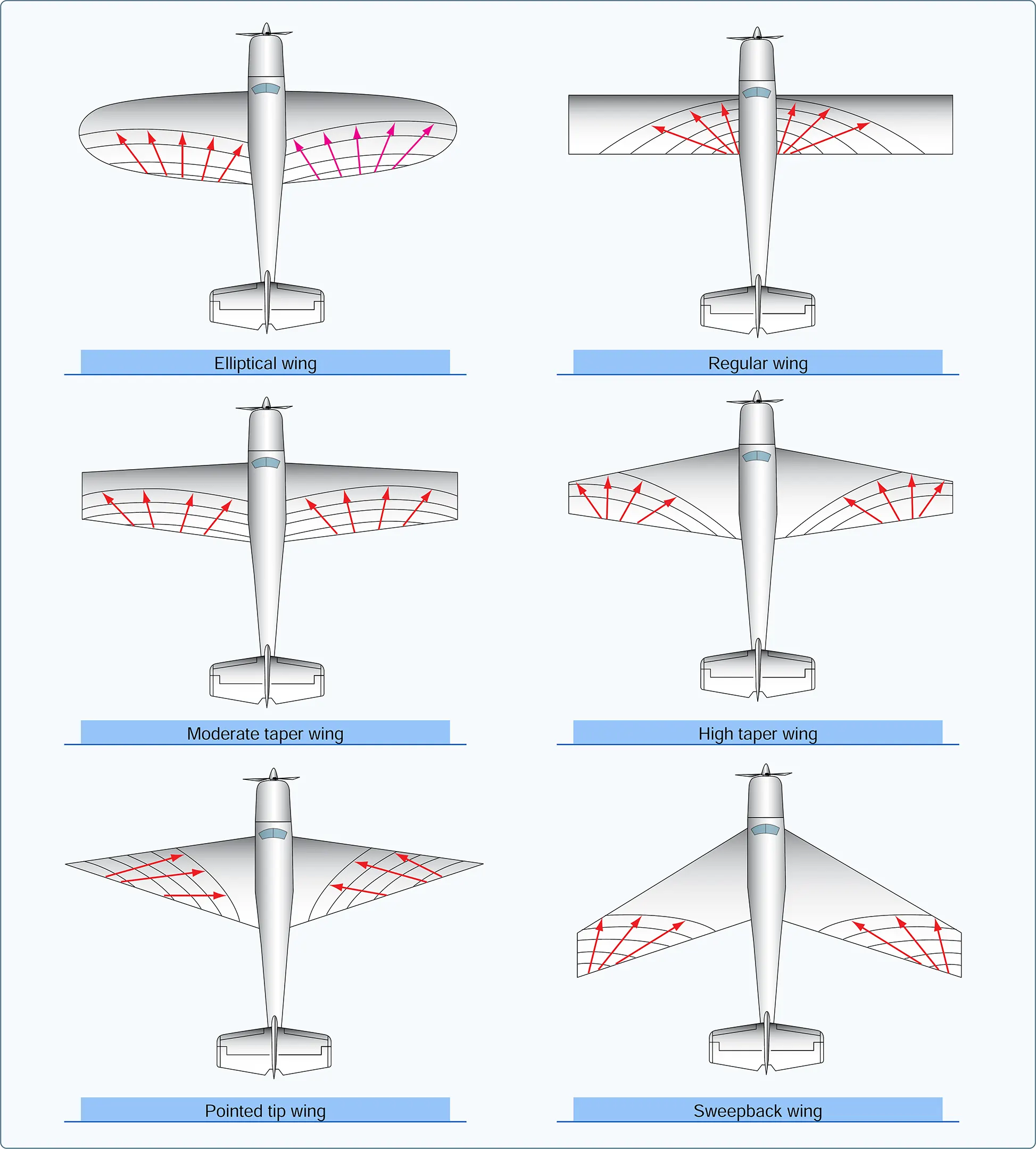
Wing planform refers to the shape of a wing as viewed from above and plays a major role in aircraft performance. Understanding factors such as aspect ratio, taper, and sweepback helps explain how wing design influences lift, drag, and flight characteristics. Understanding the effects of different wing planforms is important when learning about wing performance … Read more

Wingtip Vortices and Wake Turbulence

Wingtip vortices are rotating air currents formed at the tips of a wing as lift is produced. These vortices are a direct result of pressure differences above and below the airfoil and are closely associated with induced drag. Understanding how wingtip vortices form, how they affect aircraft performance, and how they create wake turbulence is … Read more