
Aeromedical Factors for Pilots

It is important for a pilot to be aware of the mental and physical standards required for the type of flying performed. Safe flight operations depend not only on technical skill and aircraft knowledge, but also on the pilot’s physical condition, mental readiness, and ability to recognize physiological limitations. This section provides information on medical … Read more
Vision in Flight

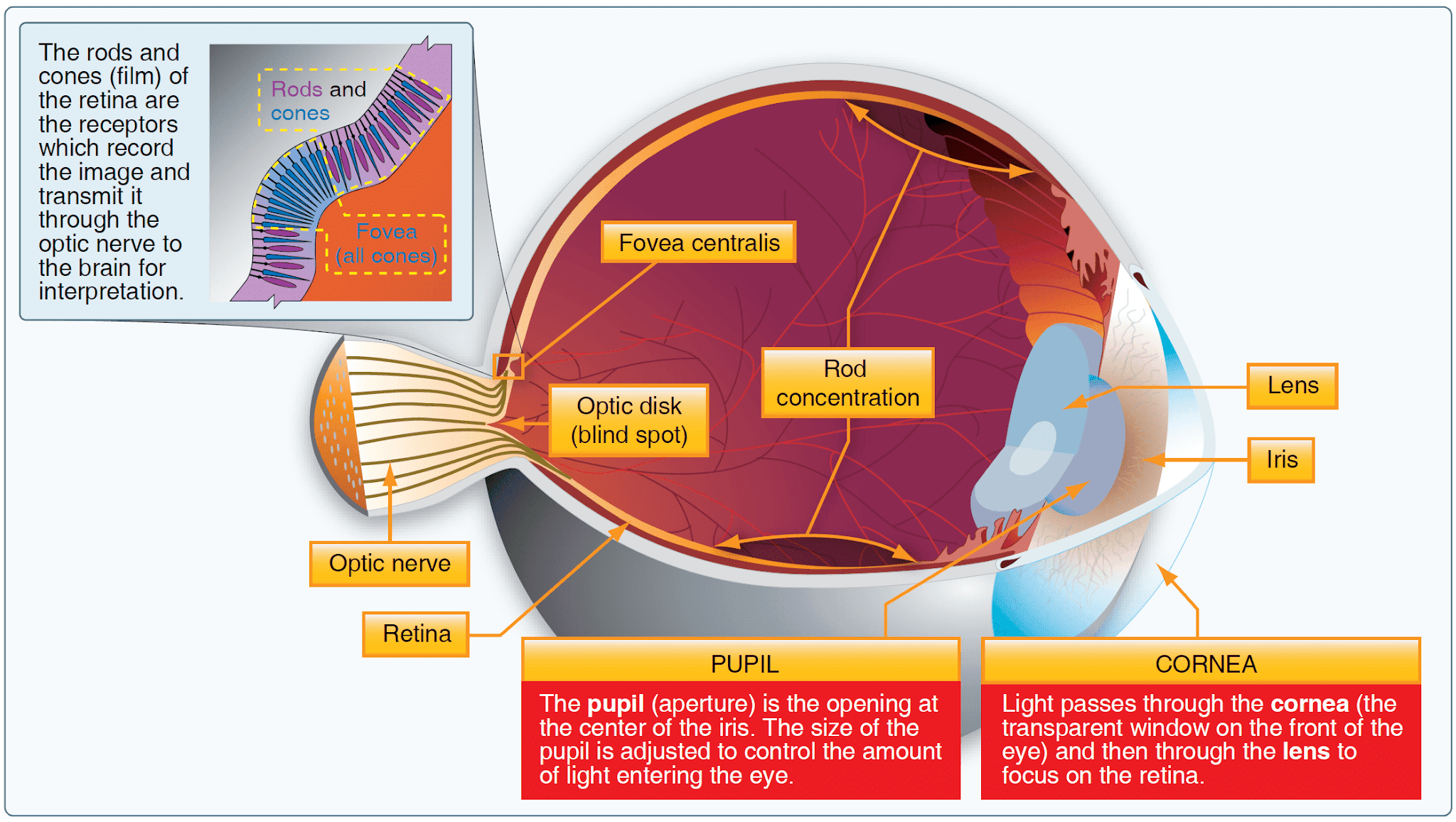
Of all the senses, vision is the most important for safe flight. Most of the things perceived while flying are visual or heavily supplemented by vision. As remarkable and vital as it is, vision is subject to limitations, such as illusions and blind spots. The more a pilot understands about the eyes and how they … Read more

Health and Physiological Factors Affecting Pilot Performance

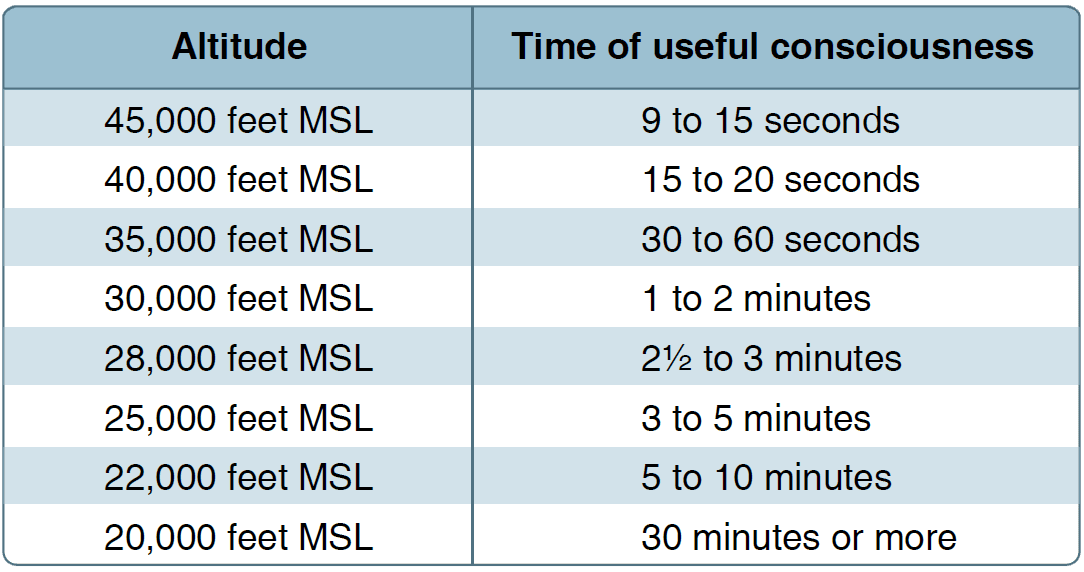
A number of health factors and physiological effects can be linked to flying. Some are minor, while others are important enough to require special attention to ensure safety of flight. In some cases, physiological factors can lead to inflight emergencies. Some important medical factors that a pilot should be aware of include hypoxia, hyperventilation, middle … Read more

Obtaining a Medical Certificate For Pilot

Most pilots must have a valid medical certificate to exercise the privileges of their airman certificates. Glider and free balloon pilots are not required to hold a medical certificate. Sport pilots may hold either a medical certificate or a valid state driver’s license. Regardless of whether a medical certificate or drivers license is required, 14 … Read more