1 1

Atmospheric Properties and Flight Performance

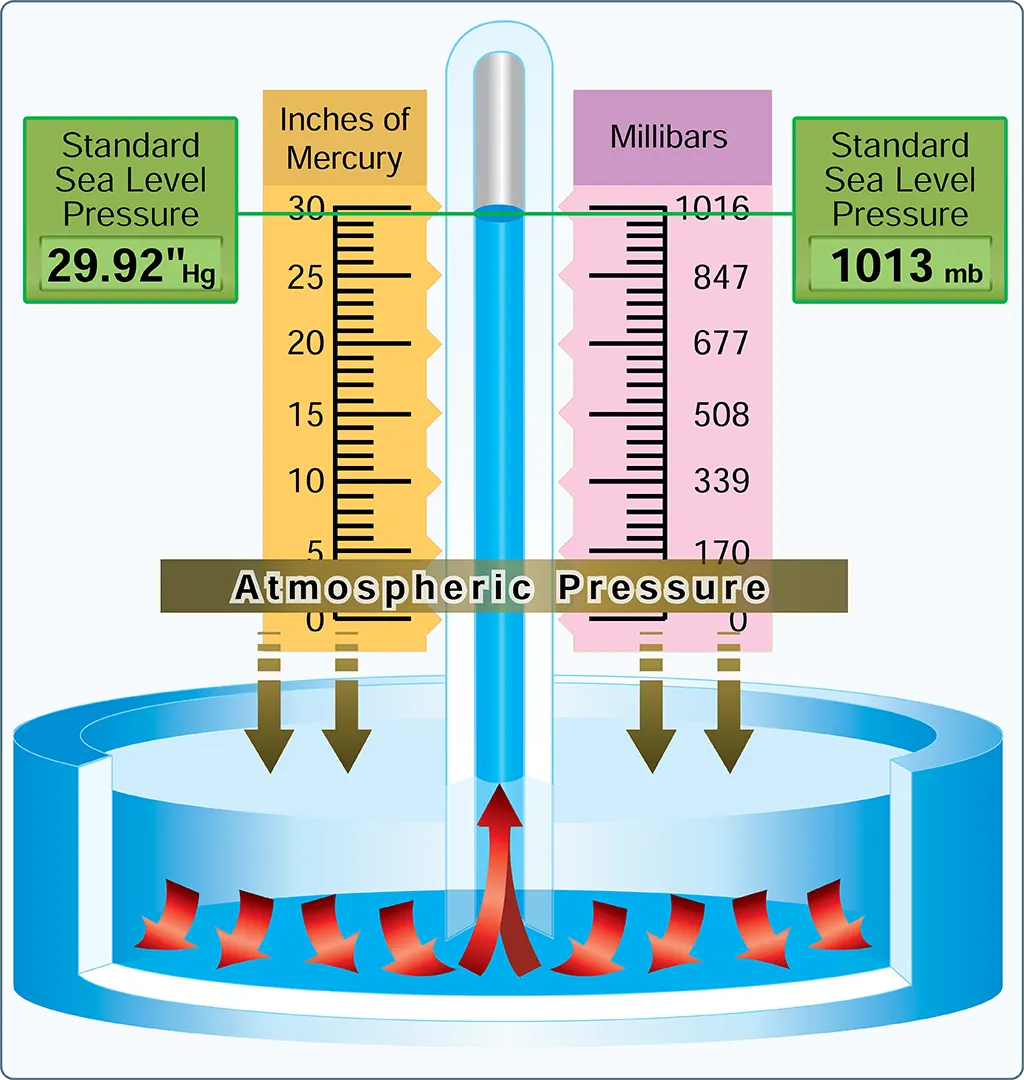
The atmosphere plays a critical role in aircraft performance. Variations in atmospheric pressure, temperature, and density affect the aerodynamic and engine forces that determine an aircraft’s ability to take off, climb, cruise, and land. An understanding of the atmosphere and its properties is therefore essential for safe and efficient flight operations. Structure of the Atmosphere … Read more
3 1

Understanding Pressure Altitude and Density Altitude

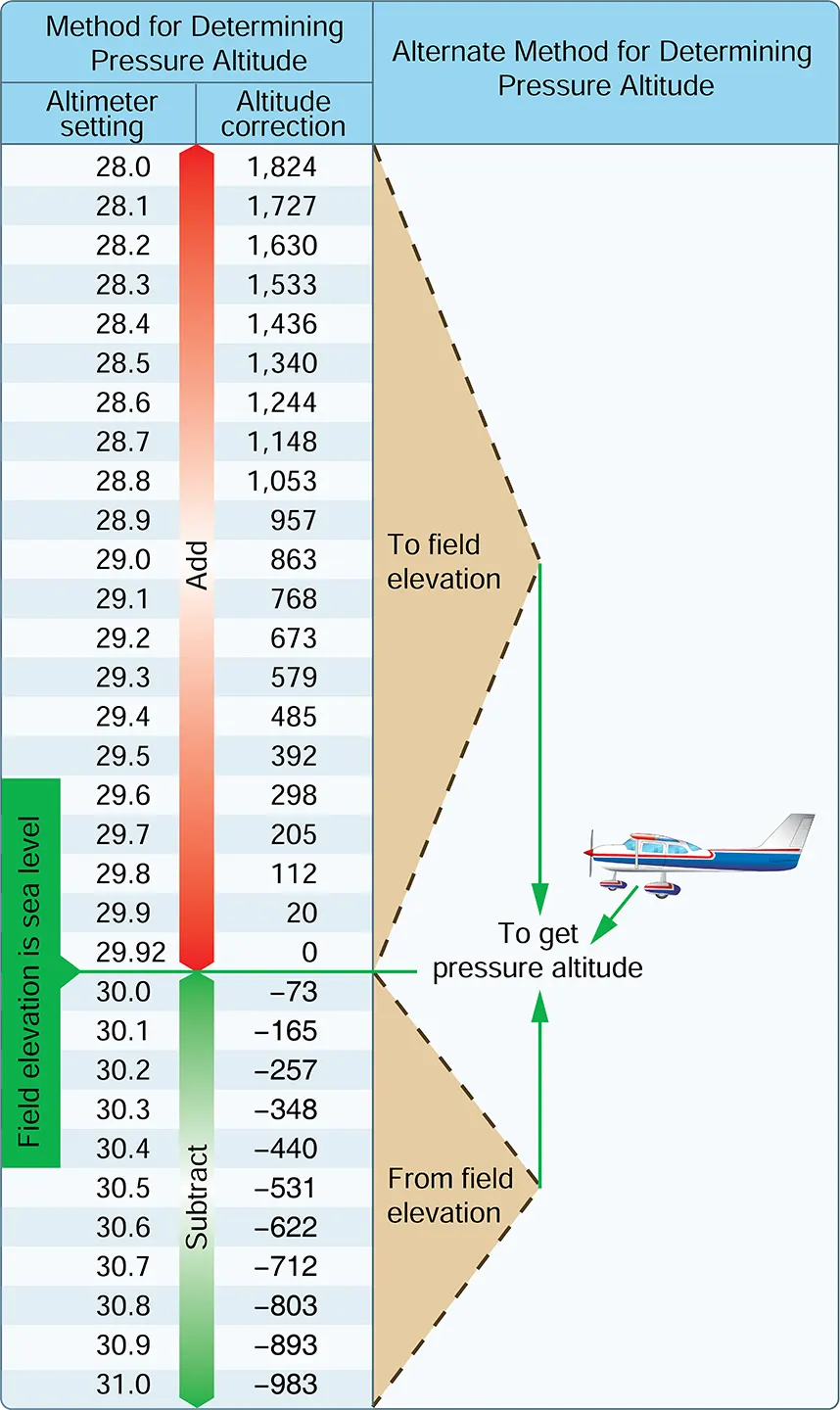
Aircraft performance is directly affected by the density of the atmosphere in which the aircraft operates. Because atmospheric pressure and temperature rarely match standard conditions, pilots use pressure altitude and density altitude to evaluate the effects of nonstandard atmospheric conditions on aircraft performance. Understanding these concepts is essential for safe flight planning and operation, particularly … Read more

7 1

Principles of Aircraft Flight Performance

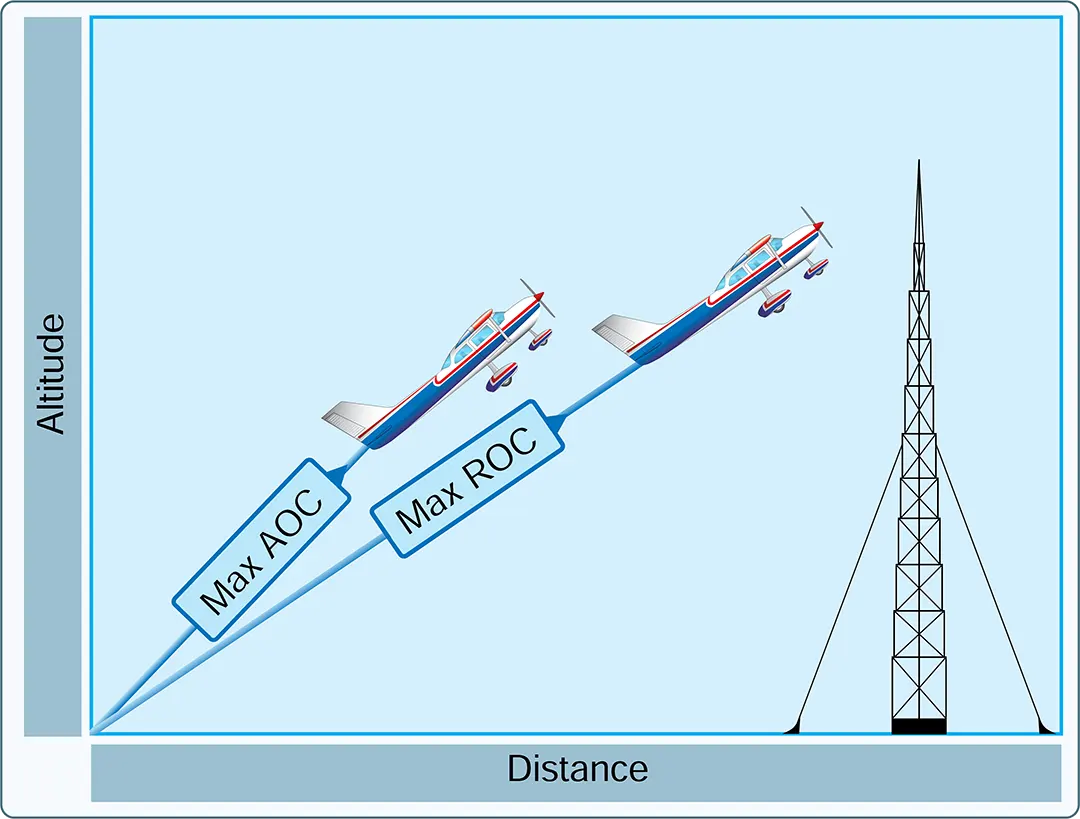
Performance is a term used to describe the ability of an aircraft to accomplish certain things that make it useful for certain purposes. For example, the ability of an aircraft to land and take off in a very short distance is an important factor to the pilot who operates in and out of short, unimproved … Read more

Aircraft V-Speeds and Airspeed Types Explained

Performance speeds are standardized airspeeds used in aircraft operation, certification, and performance planning. They provide pilots with critical information about aircraft performance, limitations, and operating procedures under various flight conditions. Understanding the relationship between the different types of airspeed and the aircraft’s design speeds is essential for safe and efficient flight operations. True airspeed (TAS)—the … Read more

18 1

Factors Affecting Takeoff and Landing Performance

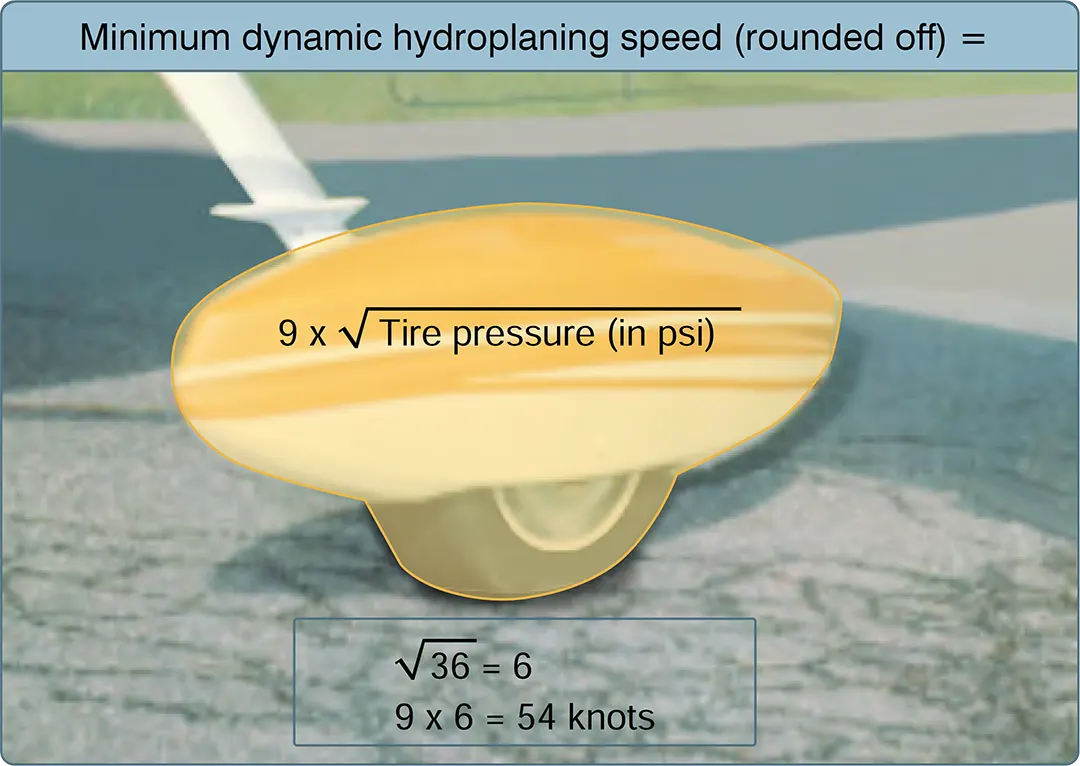
The majority of pilot-caused aircraft accidents occur during the takeoff and landing phase of flight. Because of this fact, the pilot must be familiar with all the variables that influence the takeoff and landing performance of an aircraft and must strive for exacting, professional procedures of operation during these phases of flight. Takeoff and landing … Read more

21 2

Automation Management and Glass Cockpit Safety

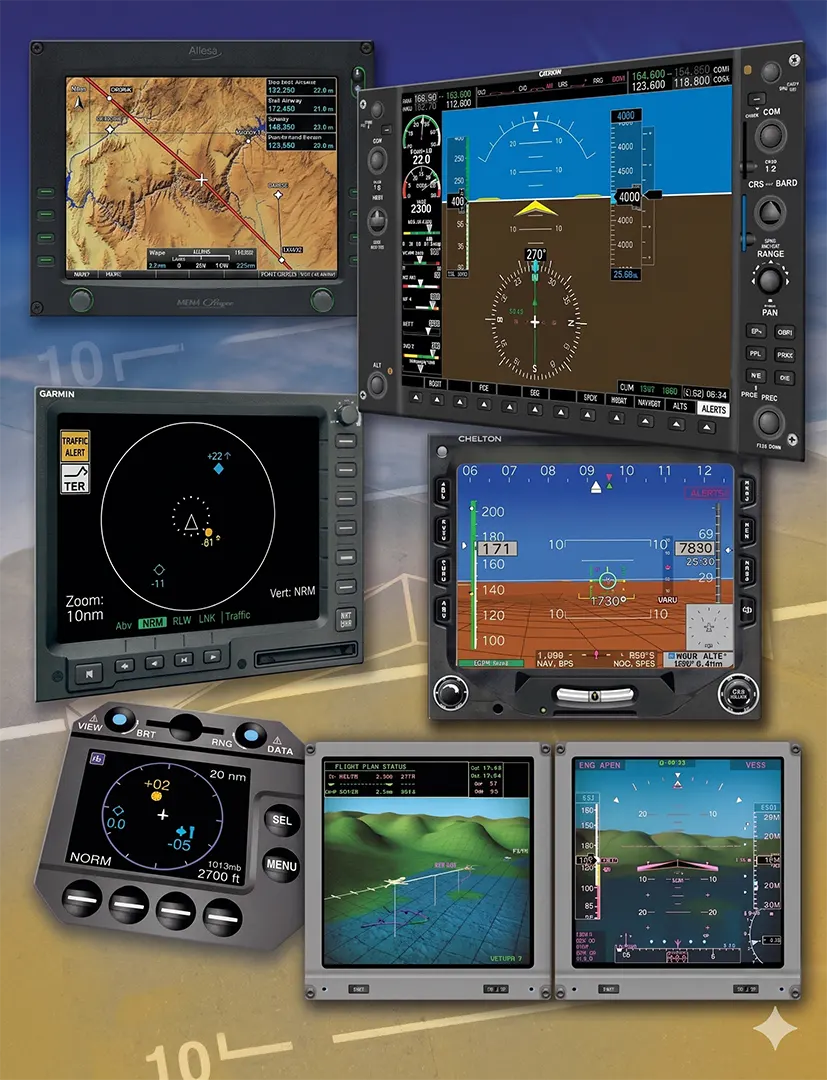
In the GA community, an automated aircraft generally consists of an integrated advanced avionics system that includes a primary flight display (PFD), a multifunction flight display (MFD) including an instrument-certified global positioning system (GPS) with traffic and terrain graphics, and a fully integrated autopilot. This type of aircraft is commonly known as a technically advanced … Read more

17

Situational Awareness and Workload Management

Situational awareness is the accurate perception and understanding of all the factors and conditions within the five fundamental risk elements—flight, pilot, aircraft, environment, and type of operation—that comprise any given aviation situation affecting safety before, during, and after the flight. Monitoring radio communications for traffic, weather discussion, and ATC communication can enhance situational awareness by … Read more

1 17

Aeromedical Factors for Pilots

It is important for a pilot to be aware of the mental and physical standards required for the type of flying performed. Safe flight operations depend not only on technical skill and aircraft knowledge, but also on the pilot’s physical condition, mental readiness, and ability to recognize physiological limitations. This section provides information on medical … Read more

14 6

ADM in Dynamic Flight Situations

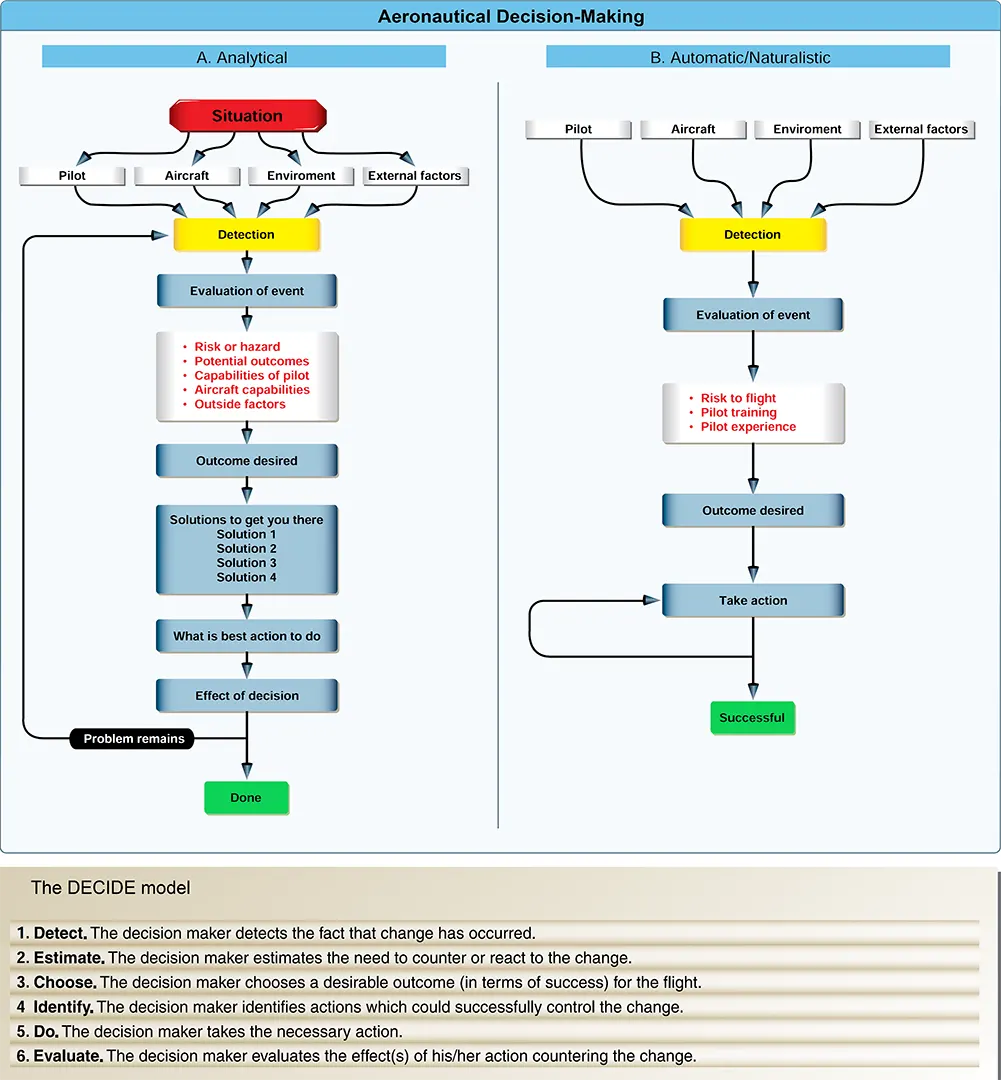
A solid approach to decision-making is through the use of analytical models, such as the 5 Ps, 3P, and DECIDE. Good decisions result when pilots gather all available information, review it, analyze the options, rate the options, select a course of action, and evaluate that course of action for correctness. In some situations, there is … Read more

9 1 1

Human Behavior and Pilot Decision-Making

Studies of human behavior have attempted to determine an individual’s predisposition to taking risks and the level of involvement in accidents. In 1951, a study regarding injury-prone children was published by Elizabeth Mechem Fuller and Helen B. Baune of the University of Minnesota. The study consisted of two separate groups of second-grade students. Fifty-five students … Read more