9 7

Altitude Effects on Flight and the Human Body

Altitude has a significant effect on both aircraft performance and human physiology. As altitude increases, atmospheric pressure and air density decrease, influencing how an aircraft performs and how the human body functions during flight. Altitude and Flight Altitude affects every aspect of flight, from aircraft performance to human performance. At higher altitudes, where atmospheric pressure … Read more
6 7

Measurement of Atmospheric Pressure and Altitude

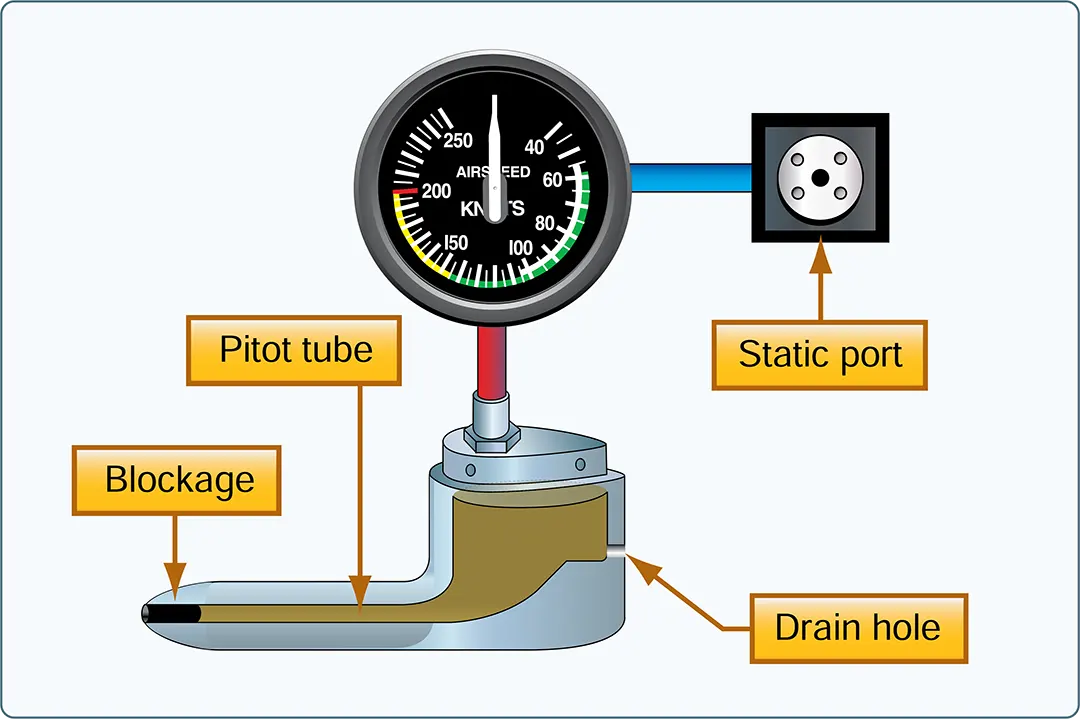
Accurate measurement of atmospheric pressure is essential for weather forecasting, altitude determination, and aircraft performance calculations. Pilots rely on pressure information to set flight instruments correctly and to evaluate how atmospheric conditions may affect flight operations. Measurement of Atmospheric Pressure Atmospheric pressure historically was measured in inches of mercury (“Hg) by a mercurial barometer. [Figure … Read more

5 3

Coriolis Force and Global Wind Circulation

Air does not move in straight lines over the Earth’s surface. Its motion is influenced by several forces that shape global wind patterns and weather systems. One of the most important of these forces is the Coriolis force, which results from the rotation of the Earth and plays a key role in atmospheric circulation. In … Read more

1 7

Weather Theory: Atmosphere and Pressure Basics

Weather plays a critical role in aviation safety and flight planning. To understand weather phenomena, pilots must first understand the atmosphere, its composition, circulation patterns, and the effects of atmospheric pressure. These fundamental concepts explain how weather develops and how changing atmospheric conditions affect aircraft performance. The atmosphere is a blanket of air made up … Read more

1 6

Airspace Classification and ATC System

The two categories of airspace are regulatory and nonregulatory. Within these two categories are four primary types of airspace: controlled, uncontrolled, special use, and other airspace areas. The structure and classification of airspace are designed to accommodate varying levels of aircraft activity, operational requirements, safety considerations, and national interests. The categories and types of airspace … Read more

8 2

Air Traffic Control and the National Airspace System

The primary purpose of the ATC system is to prevent a collision between aircraft operating in the system and to organize and expedite the flow of traffic. In addition to its primary function, the ATC system has the capability to provide (with certain limitations) additional services. The ability to provide additional services is limited by … Read more

7 2

Other Airspace Areas and Safety Environments

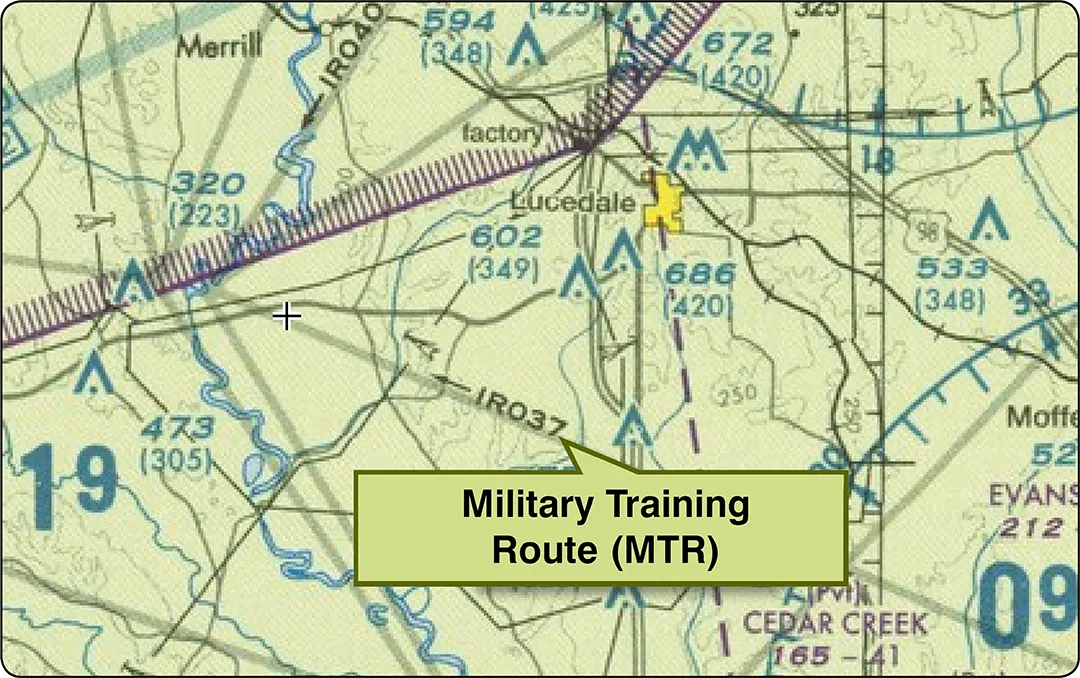
In addition to controlled, uncontrolled, and special use airspace, the National Airspace System includes several other designated airspace areas and operating environments. These areas support military activities, security requirements, traffic management, parachute operations, and other specialized aviation functions. Pilots should be familiar with these areas and any associated operating procedures before flight. Other airspace areas … Read more

2 3

Special Use Airspace Classifications

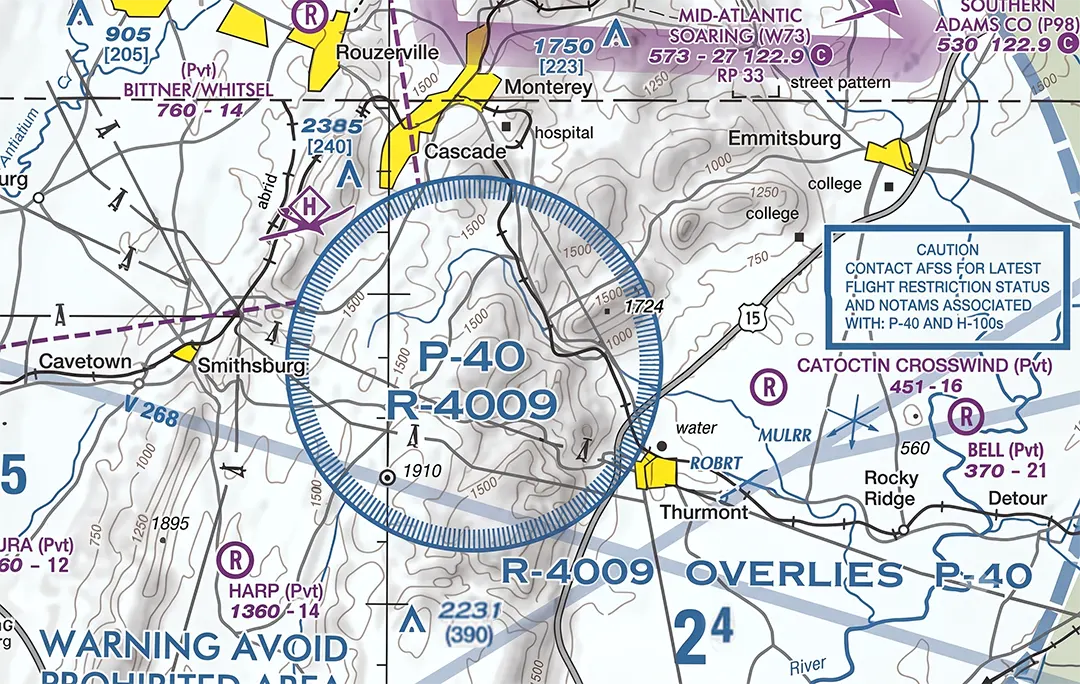
Special use airspace consists of designated areas established to protect national security, support military operations, facilitate hazardous activities, or alert pilots to unusual aerial operations. These areas may restrict, prohibit, or caution aircraft operations and are depicted on aeronautical charts to help pilots plan and conduct safe flights. Special use airspace (SUA), also known as … Read more

FAA Airspace Classifications and Rules

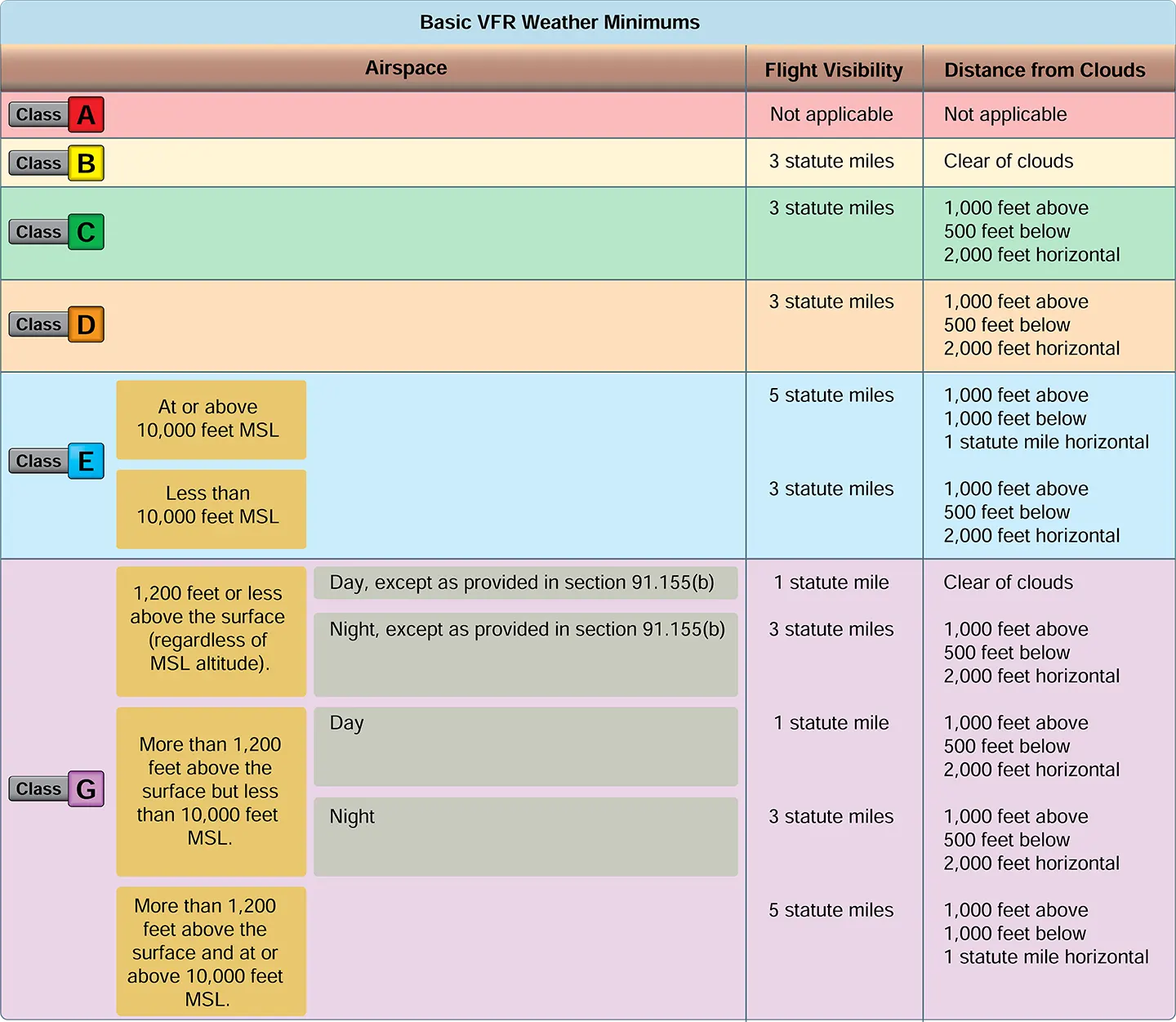
Airspace within the United States is divided into several classifications to promote the safe and efficient movement of aircraft. These classifications determine the level of air traffic control (ATC) services provided, operating requirements, weather minimums, and pilot responsibilities. Airspace is broadly categorized as either controlled airspace, where ATC services are available, or uncontrolled airspace, where … Read more

1 1 1

Aircraft Performance

The performance or operational information section of the Aircraft Flight Manual/Pilot’s Operating Handbook (AFM/POH) contains the operating data for the aircraft; that is, the data pertaining to takeoff, climb, range, endurance, descent, and landing. The use of this data in flying operations is mandatory for safe and efficient operation. Considerable knowledge and familiarity of the … Read more