
8

Introduction to Aviation Human Factors

Why are human conditions such as fatigue, complacency, and stress so important in aviation? These conditions, along with many others, are called human factors. Human factors directly cause or contribute to many aviation accidents and have been documented as a primary contributor in more than 70 percent of aircraft accidents. Typically, human factor incidents and … Read more

5

Evaluating Flight Hazards and Risk Mitigation

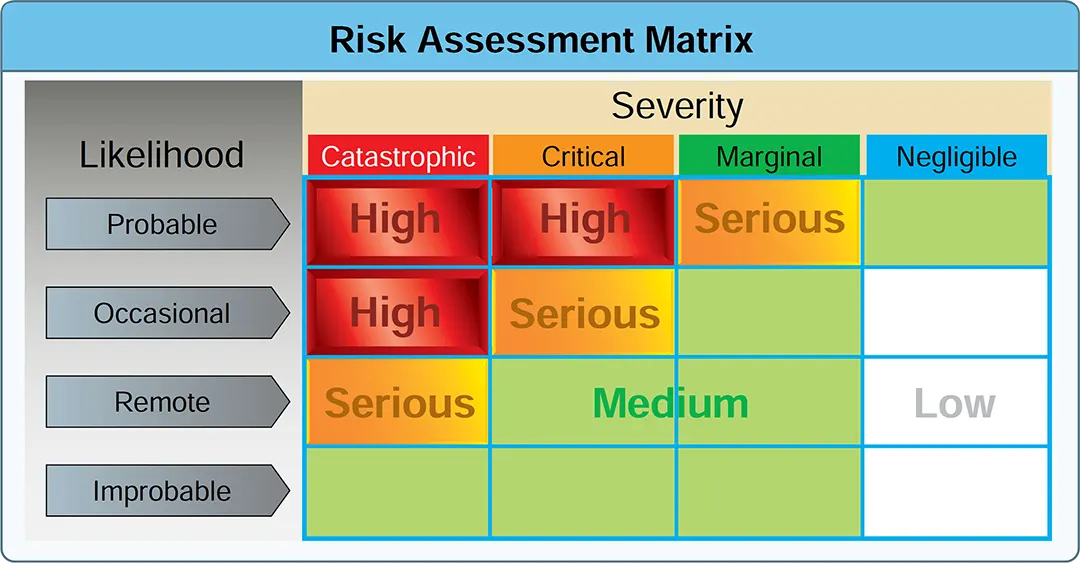
Two defining elements of ADM are hazard and risk. Hazard is a real or perceived condition, event, or circumstance that a pilot encounters. When faced with a hazard, the pilot makes an assessment of that hazard based upon various factors. The pilot assigns a value to the potential impact of the hazard, which qualifies the … Read more

4 1 2

Crew Resource Management and SRM

Crew Resource Management (CRM) focuses on improving communication, coordination, and decision-making among flight crew members. However, many CRM principles also apply to single-pilot operations. These concepts led to the development of Single-Pilot Resource Management (SRM). SRM is defined as the art and science of managing all available resources—both onboard the aircraft and from external sources—available … Read more

3

Aviation Risk Management Principles

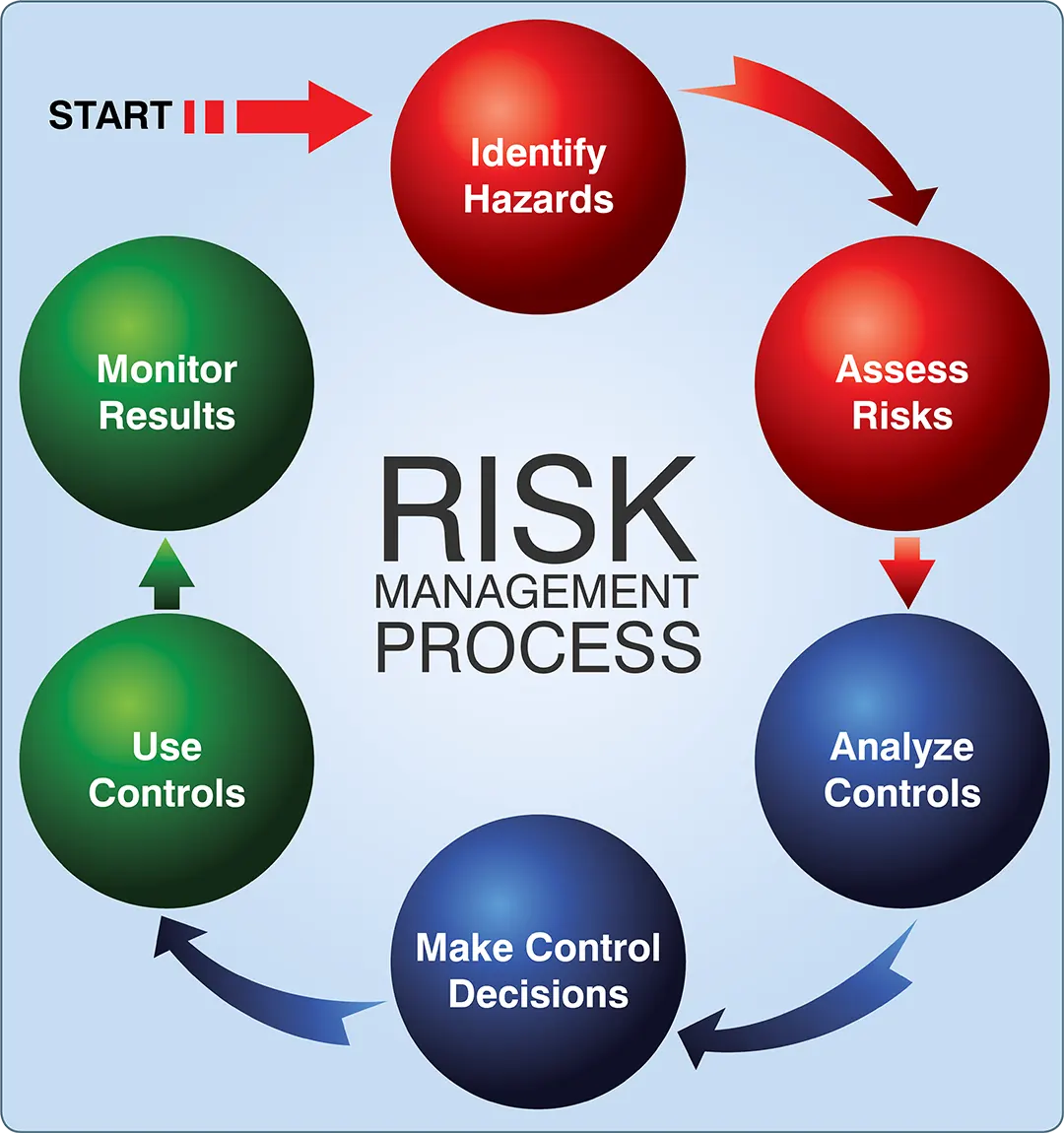
The goal of risk management is to proactively identify safety-related hazards and mitigate the associated risks. Risk management is an important component of ADM. When a pilot follows good decision-making practices, the inherent risk in a flight is reduced or even eliminated. The ability to make good decisions is based on experience, education, and both … Read more

1 10

Aeronautical Decision-Making Guide

Aeronautical decision-making (ADM) is a critical aviation skill that helps pilots assess risks, manage workload, and make safe operational decisions during flight. Effective ADM improves situational awareness and reduces the likelihood of human-error-related accidents. ADM is decision-making in the unique environment of aviation. It is a systematic approach pilots use to consistently determine the best … Read more

4 1

Theories in the Production of Lift

Lift is the aerodynamic force that allows aircraft to overcome gravity and fly. Understanding how Newton’s laws of motion and Bernoulli’s principle contribute to lift generation is essential in the study of aerodynamics. For an aircraft heavier than air to fly, it must generate enough lift to overcome the force of gravity. One of those … Read more

1 7

Atmospheric Effects on Aircraft Performance

The Earth’s atmosphere affects aircraft performance, flight instruments, and weather conditions. Understanding air pressure, density altitude, temperature, and humidity is essential for safe and efficient flight operations. The atmosphere is an envelope of air that surrounds the Earth and rests upon its surface. It is as much a part of the Earth as the seas … Read more

4 1

Aircraft Primary and Secondary Flight Controls

Flight control systems allow pilots to control aircraft attitude, direction, and aerodynamic forces during flight. Understanding how primary and secondary flight controls operate is essential for safe and effective aircraft handling. Flight Controls Aircraft flight control systems are divided into primary and secondary systems. The ailerons, elevator (or stabilator), and rudder constitute the primary control … Read more

3 8

Aircraft Flight Control Systems

Flight control systems allow pilots to control aircraft attitude, direction, and stability during flight. Understanding how different control systems operate is essential for safe and effective aircraft handling. This section explains the flight control systems pilots use to control aircraft attitude, direction, and aerodynamic forces. Flight control systems and handling characteristics vary depending on the … Read more

64

High-Speed Aerodynamics and Compressibility

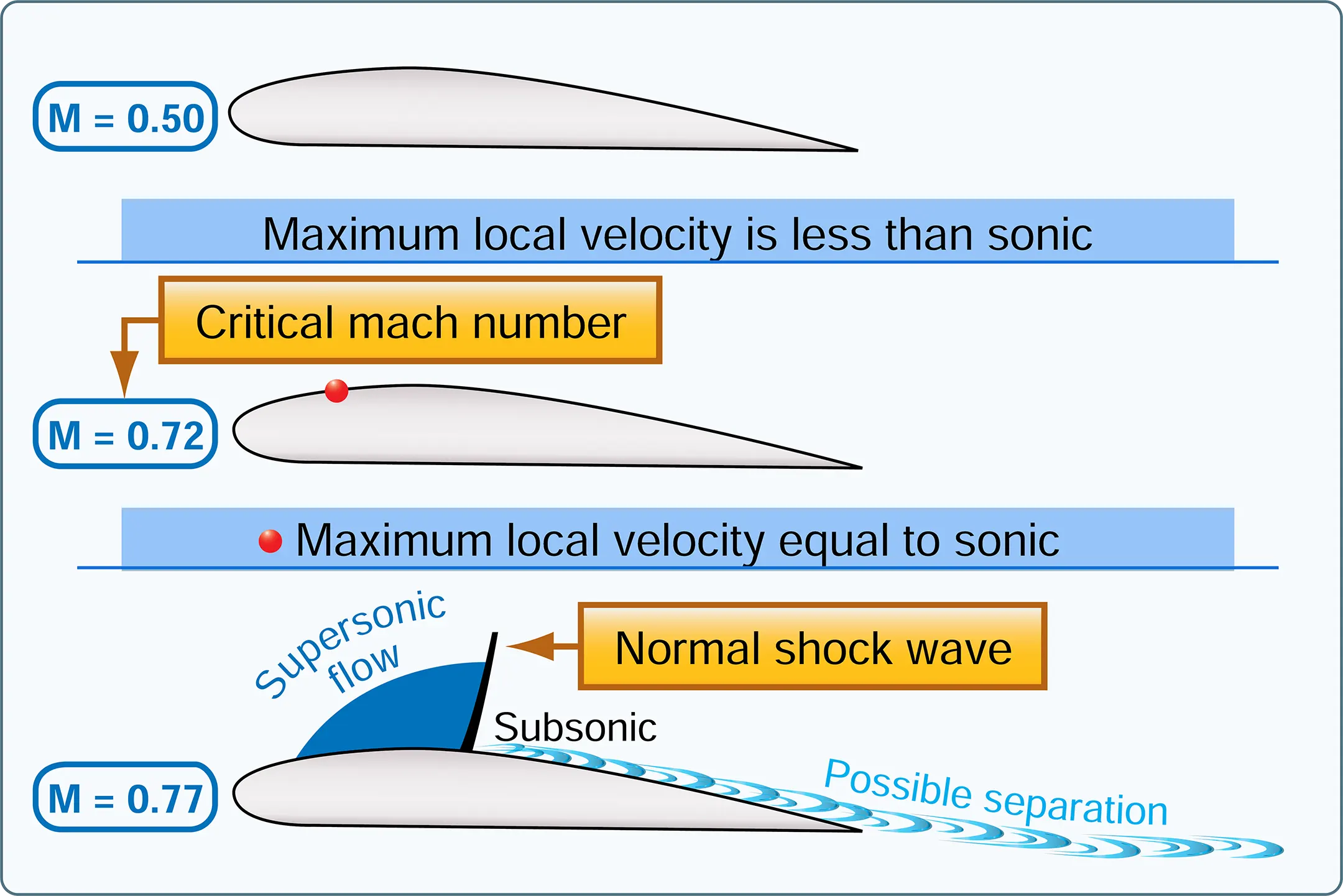
High-speed flight introduces compressibility effects that significantly change aircraft performance and control. Understanding Mach number, shock waves, and aerodynamic behavior at high speeds is essential for safe jet operations. Subsonic Versus Supersonic Flow In subsonic aerodynamics, the theory of lift is based upon the forces generated on a body and a moving gas (air) in … Read more