c64691e8e74f

Flight Management Systems for Instrument Flight

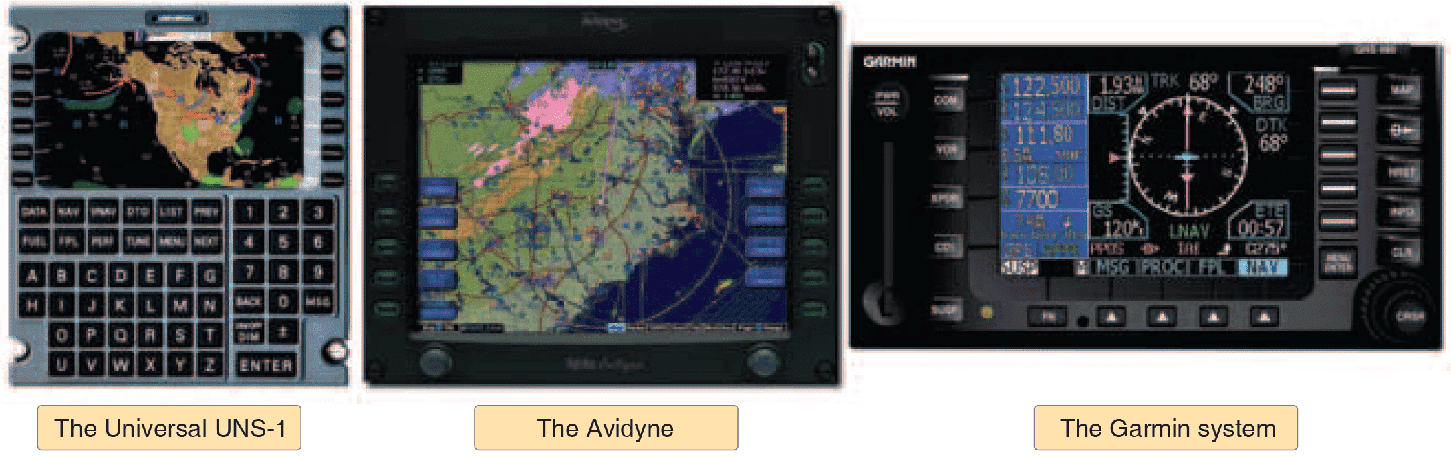
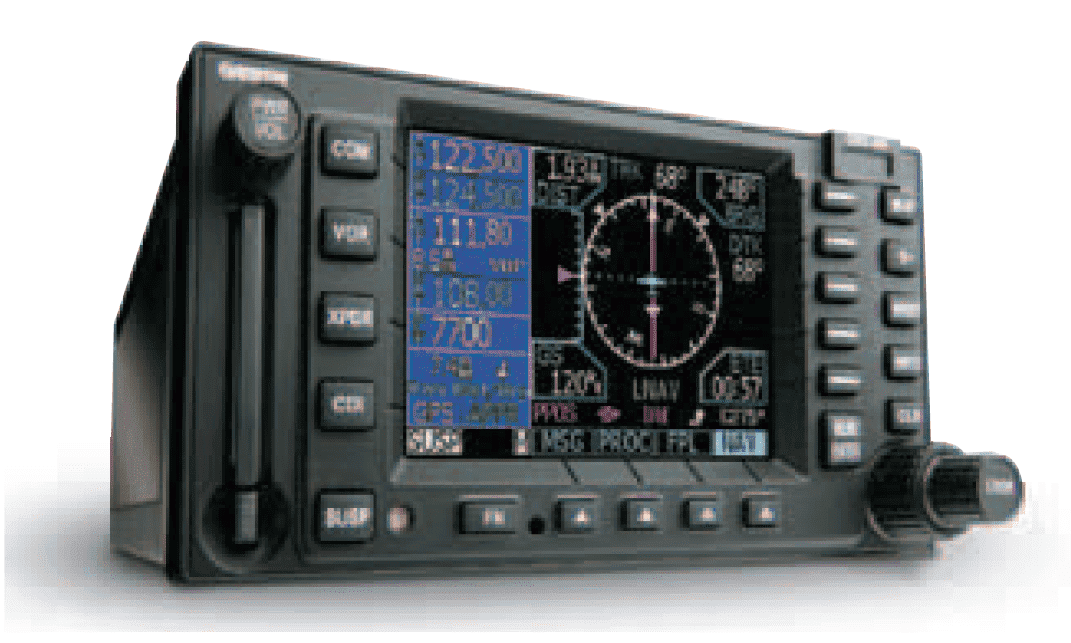
A flight management system (FMS) is not a navigation system in itself. Rather, it is a system that automates the tasks of managing the onboard navigation systems. FMS may perform other onboard management tasks, but this discussion is limited to its navigation function. FMS is an interface between flight crews and flightdeck systems. FMS can … Read more
187ef8aafd95

Instrument Approach Navigation Systems

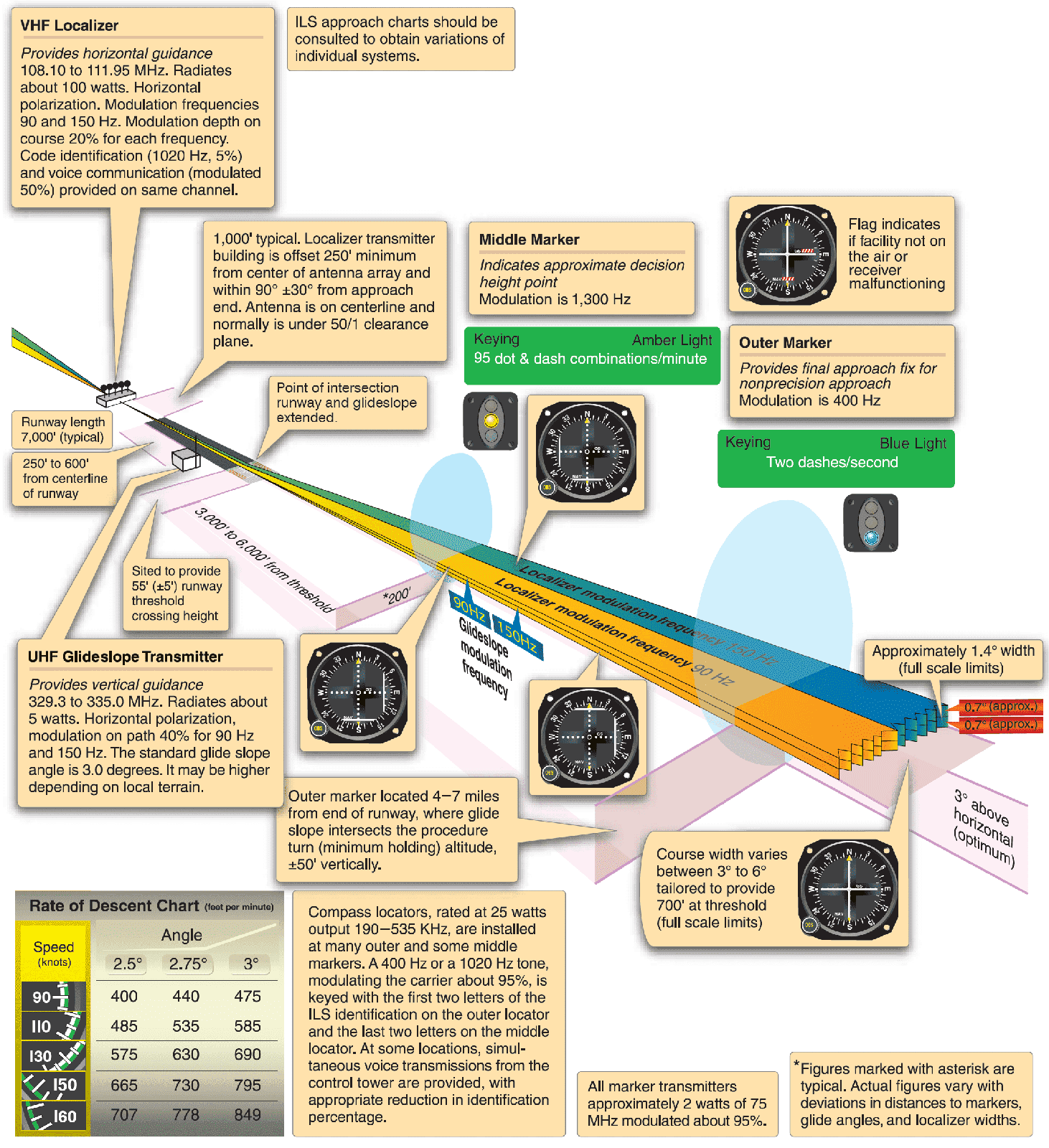
Most navigation systems approved for en route and terminal operations under IFR, such as VOR, NDB, and GPS, may also be approved to conduct IAPs. The most common systems in use in the United States are the ILS, simplified directional facility (SDF), localizer-type directional aid (LDA), and microwave landing system (MLS). These systems operate independently … Read more

666b4cc05085

Advanced Navigation Technologies for Instrument Flight

Global Navigation Satellite System (GNSS) The Global Navigation Satellite System (GNSS) is a constellation of satellites providing a high-frequency signal that contains time and distance that is picked up by a receiver thereby. [Figure 1] The receiver that picks up multiple signals from different satellites is able to triangulate its position from these satellites. Figure … Read more

11abd056636b

Traditional Navigation Systems for Instrument Flight

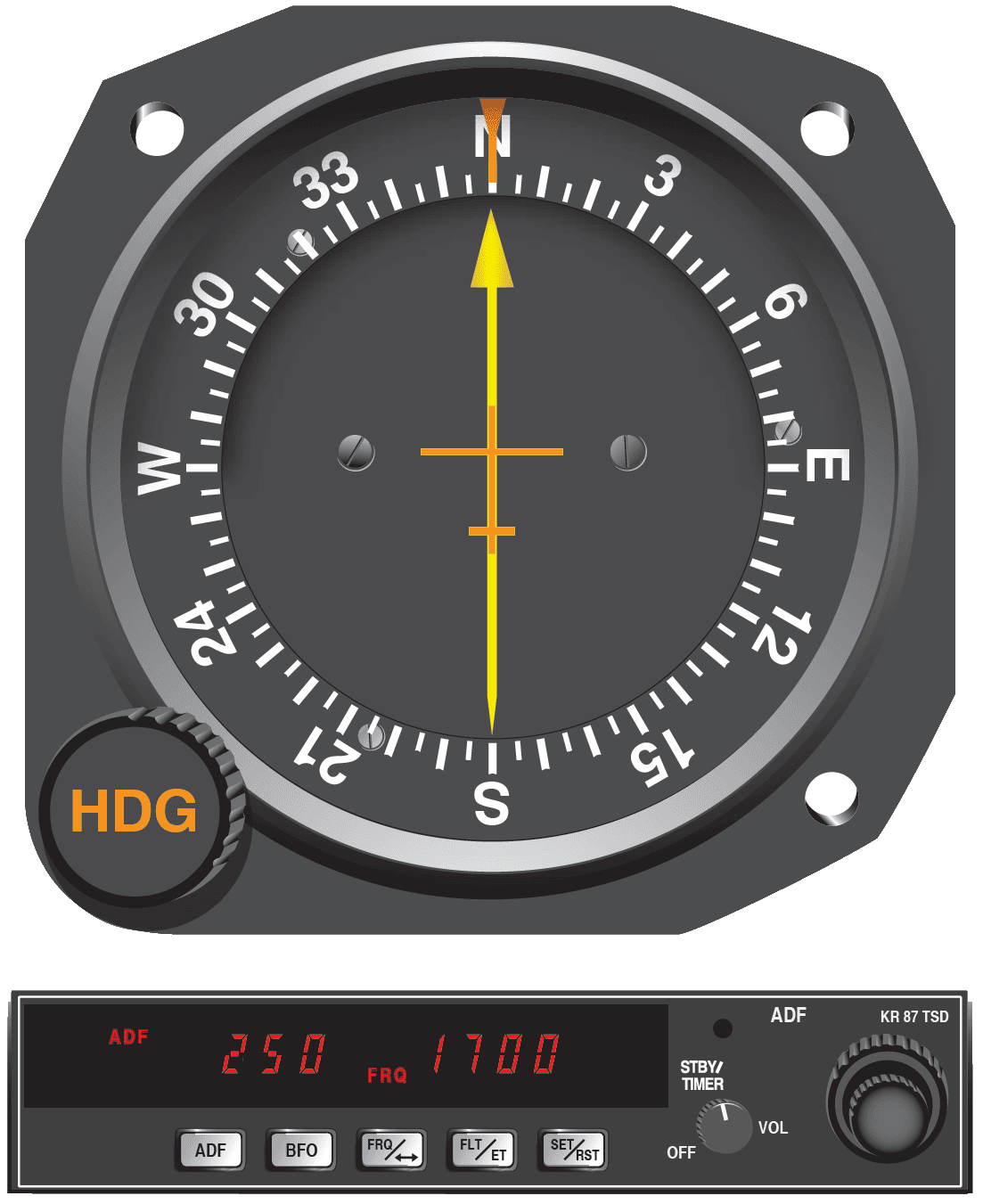
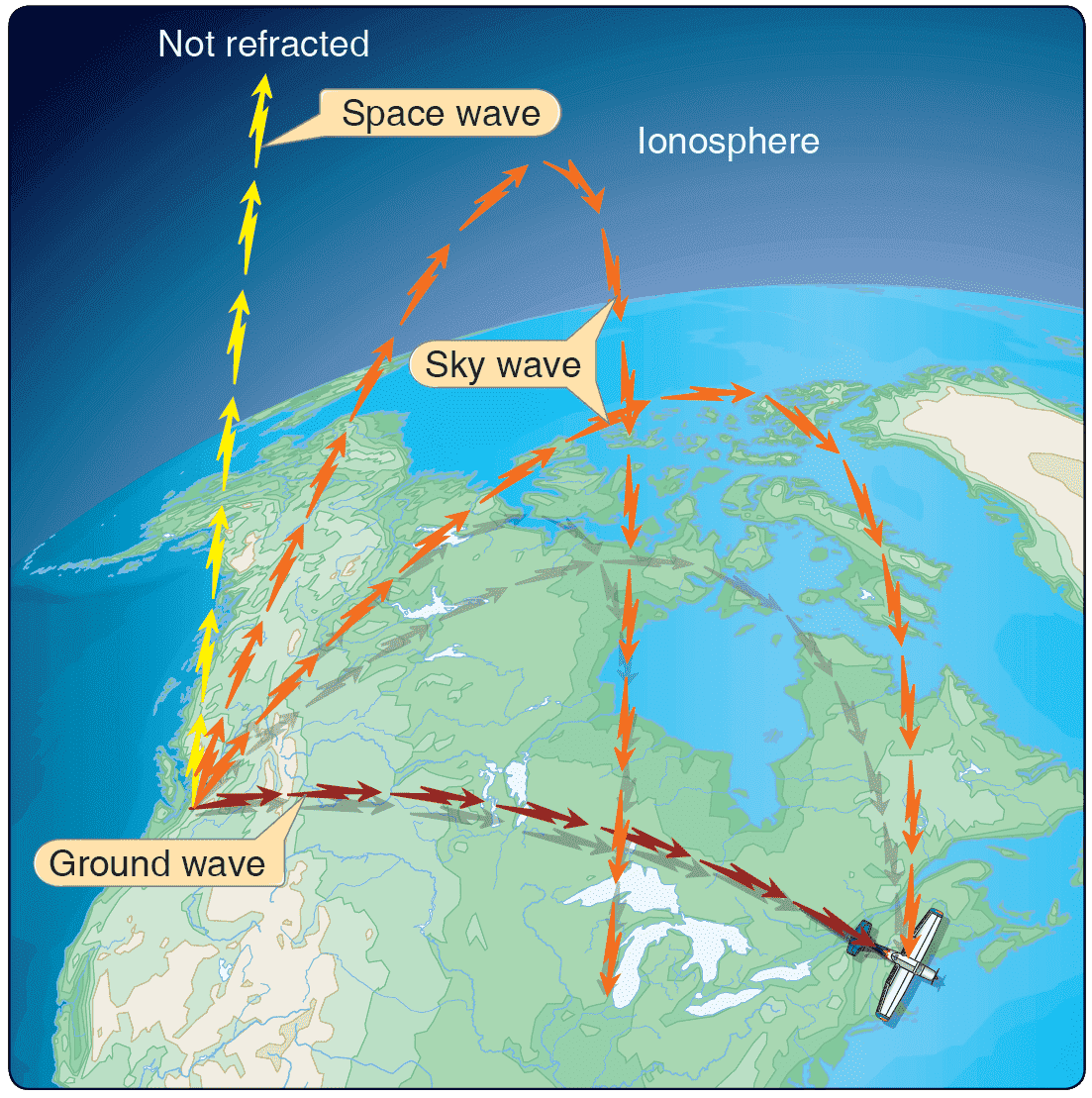
Nondirectional Radio Beacon (NDB) The nondirectional radio beacon (NDB) is a ground-based radio transmitter that transmits radio energy in all directions. The ADF, when used with an NDB, determines the bearing from the aircraft to the transmitting station. The indicator may be mounted in a separate instrument in the aircraft panel. [Figure 1] The ADF … Read more

2 1 1

The Air Traffic Control System for IFR Pilots

The Air Traffic Control (ATC) system is a coordinated network of people, procedures, and technology designed to ensure the safe, orderly, and efficient flow of air traffic within the National Airspace System (NAS). For pilots operating under Instrument Flight Rules (IFR), ATC becomes an essential partner, providing separation from other aircraft, terrain, and weather while … Read more

5f0c8facc2bc

Airplane Basic Flight Maneuvers

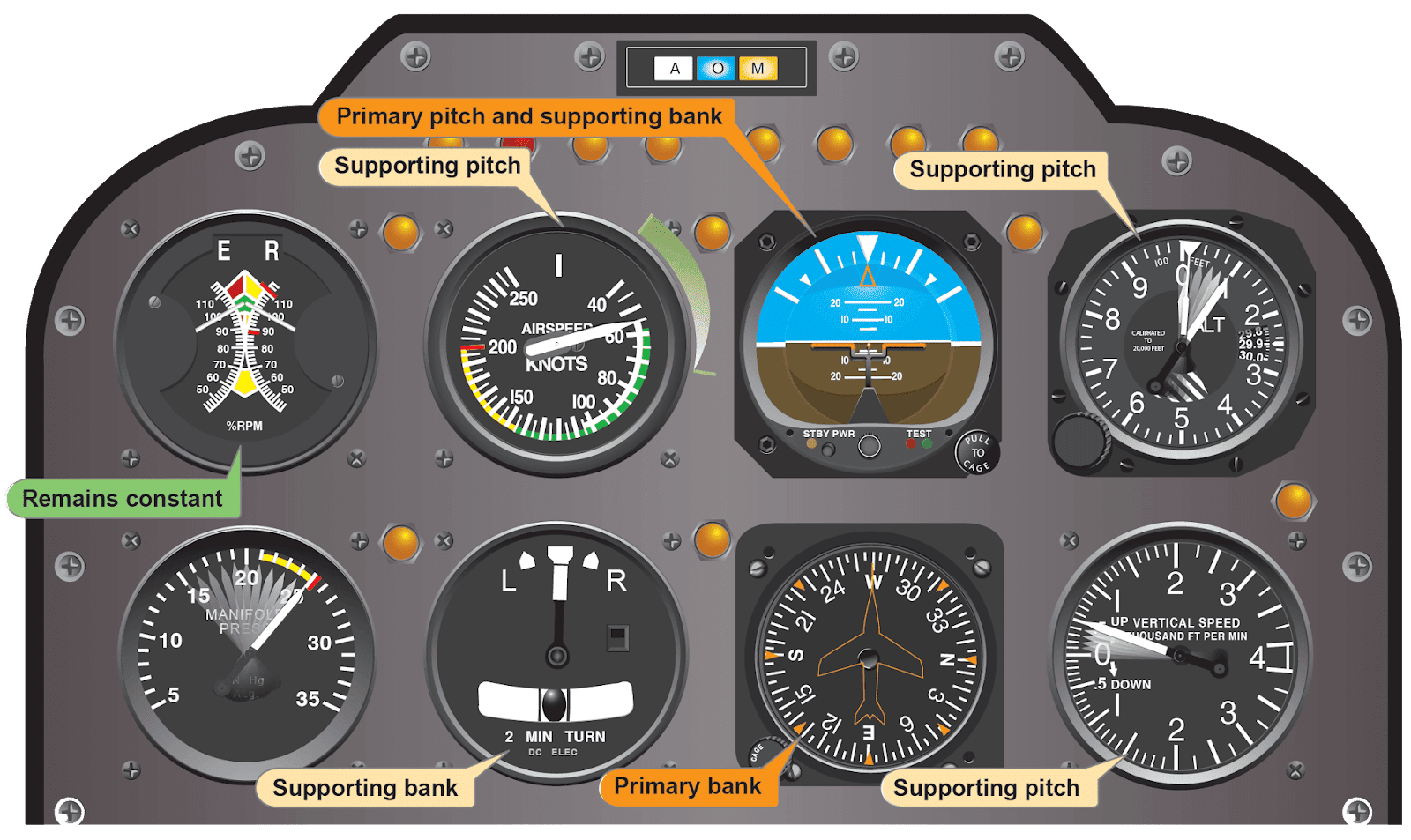
Using Analog Instrumentation Instrument flying techniques differ according to aircraft type, class, performance capability, and instrumentation. Therefore, the procedures and techniques that follow need to be modified to suit individual aircraft. Recommended procedures, performance data, operating limitations, and flight characteristics of a particular aircraft are available in the Pilot’s Operating Handbook/Airplane Flight Manual (POH/AFM) for … Read more

eb00c1c3dc02

Technology in Helicopter Instrument Flight

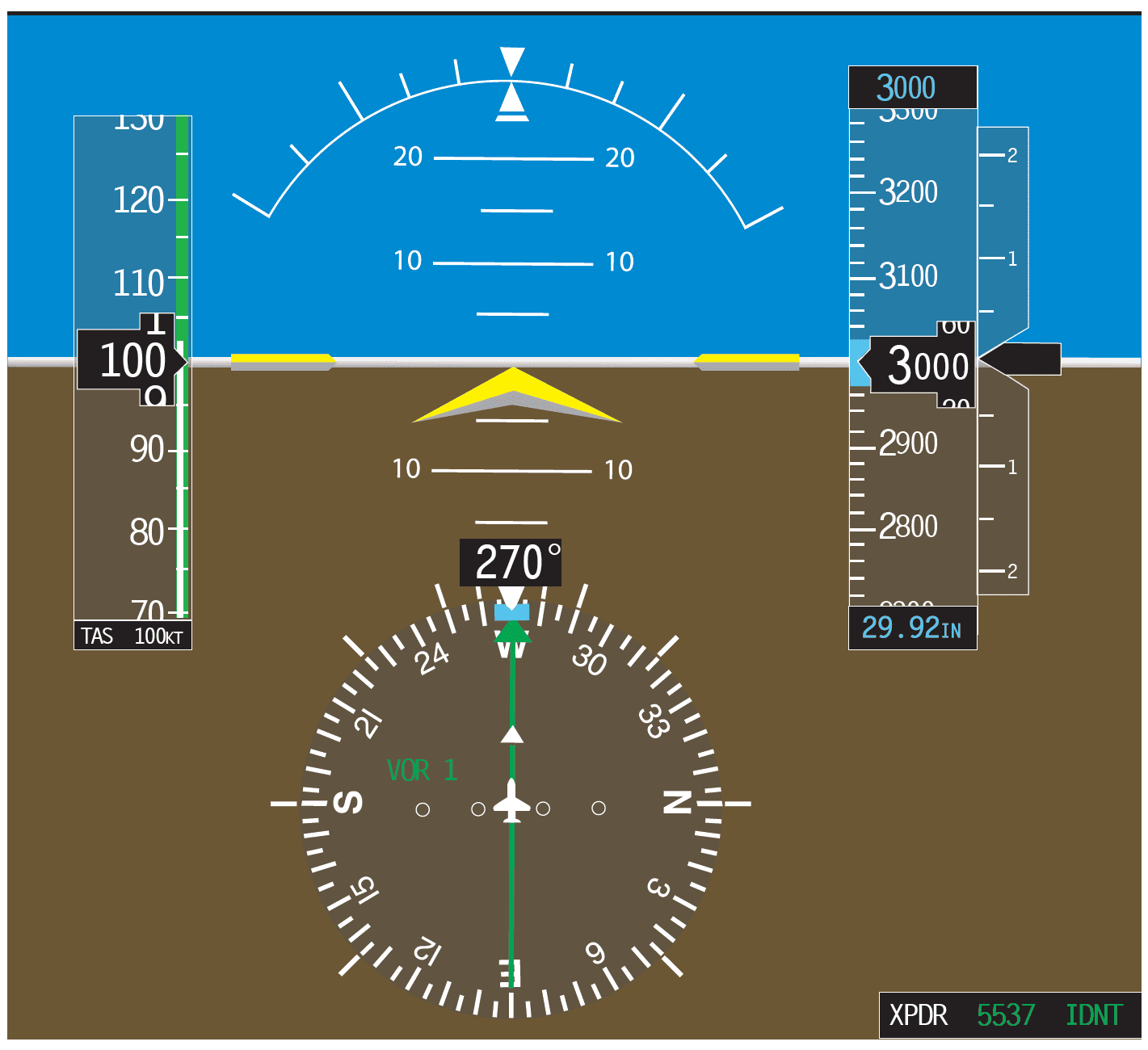
Advances in technology have brought about changes in the instrumentation found in all types of aircraft, including helicopters. Electronic displays commonly referred to as “glass cockpits” are becoming more common. Primary flight displays (PFDs) and multi-function displays (MFDs) are changing not only what information is available to a pilot but also how that information is … Read more

fb61702d055b

Helicopter Instrument Takeoff

The procedures and techniques described here should be modified as necessary to conform to those set forth in the operating instructions for the particular helicopter being flown. During training, instrument takeoffs should not be attempted except when receiving instruction from an appropriately certificated, proficient flight instructor pilot. Adjust the miniature aircraft in the attitude indicator, … Read more

Helicopter Instrument Unusual Attitudes and Emergencies

Unusual Attitudes Any maneuver not required for normal helicopter instrument flight is an unusual attitude and may be caused by any one or combination of factors, such as turbulence, disorientation, instrument failure, confusion, preoccupation with flight deck duties, carelessness in cross-checking, errors in instrument interpretation, or lack of proficiency in aircraft control. Due to the … Read more