6f83a41ecb4a

IFR Instrument Approaches

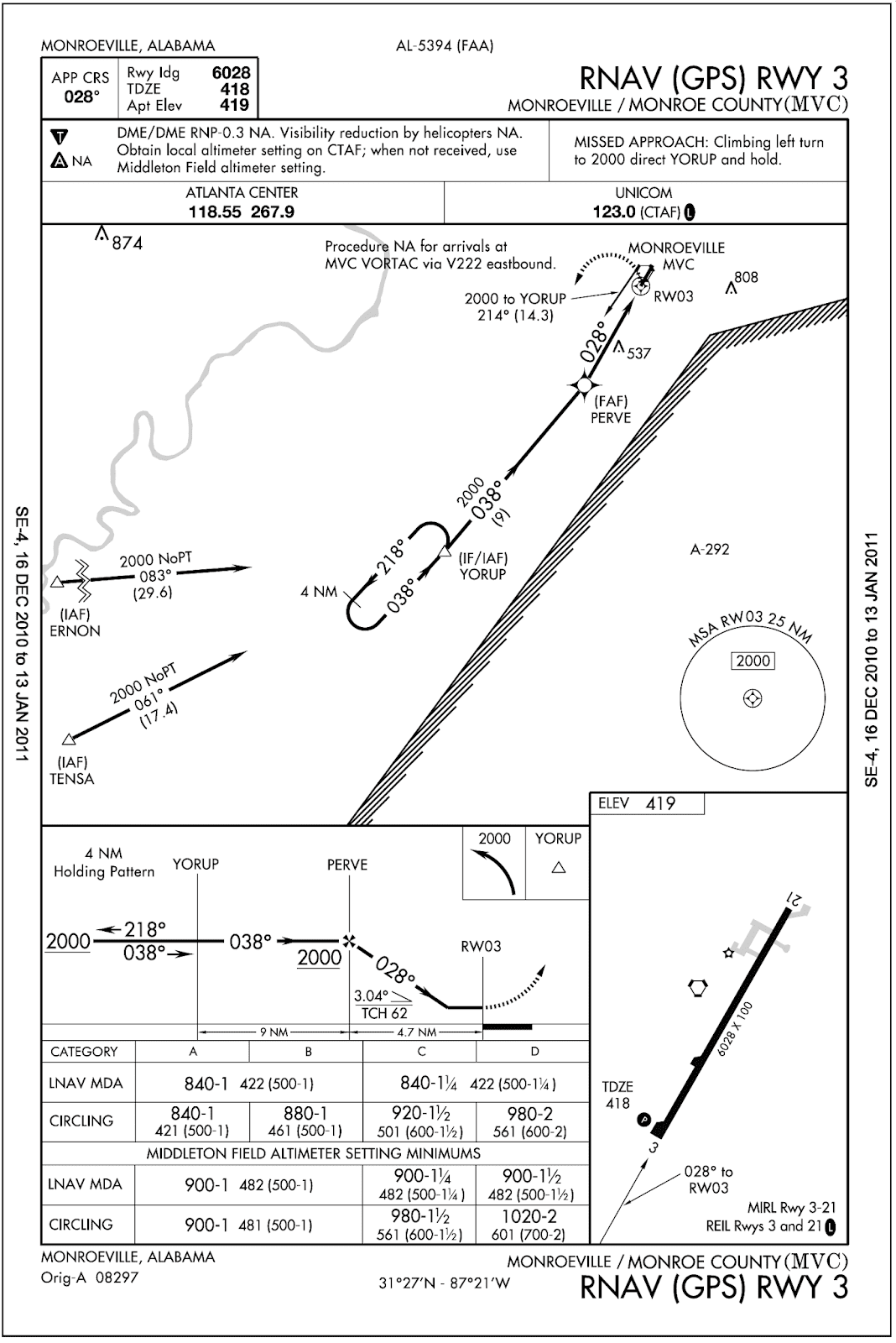
Compliance With Published Standard Instrument Approach Procedures Compliance with the approach procedures shown on the approach charts provides necessary navigation guidance information for alignment with the final approach courses, as well as obstruction clearance. Under certain conditions, a course reversal maneuver or procedure turn may be necessary. However, this procedure is not authorized when: The … Read more
321833ba77c2

IFR Holding Procedures

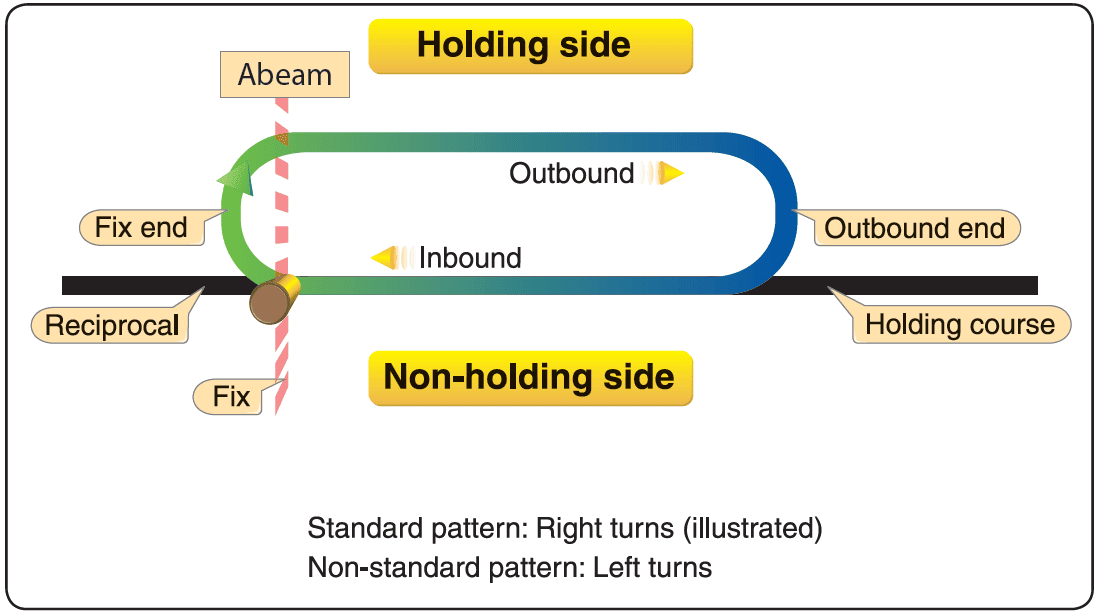
Depending upon traffic and weather conditions, holding may be required. Holding is a predetermined maneuver that keeps aircraft within a specified airspace while awaiting further clearance from ATC. A standard holding pattern uses right turns, and a nonstandard holding pattern uses left turns. The ATC clearance always specifies left turns when a nonstandard pattern is … Read more

bcfeef1f8905

IFR Departure Procedures (DPs)

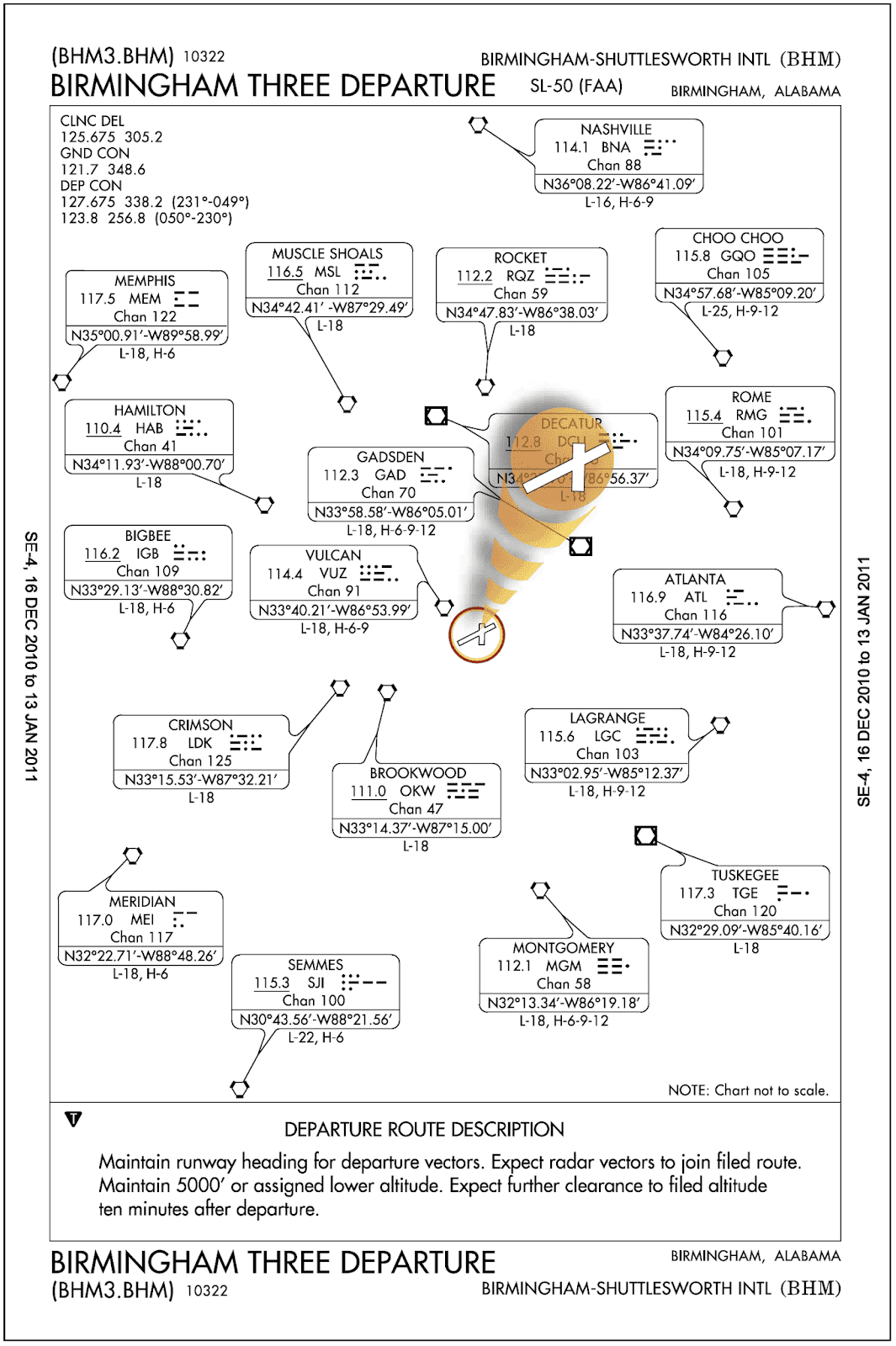
Instrument departure procedures are preplanned IFR procedures that provide obstruction clearance from the terminal area to the appropriate en route structure and provide the pilot with a way to depart the airport and transition to the en route structure safely. Pilots operating under 14 CFR part 91 are strongly encouraged to file and fly a … Read more

b81d9942140d

IFR En Route Procedures

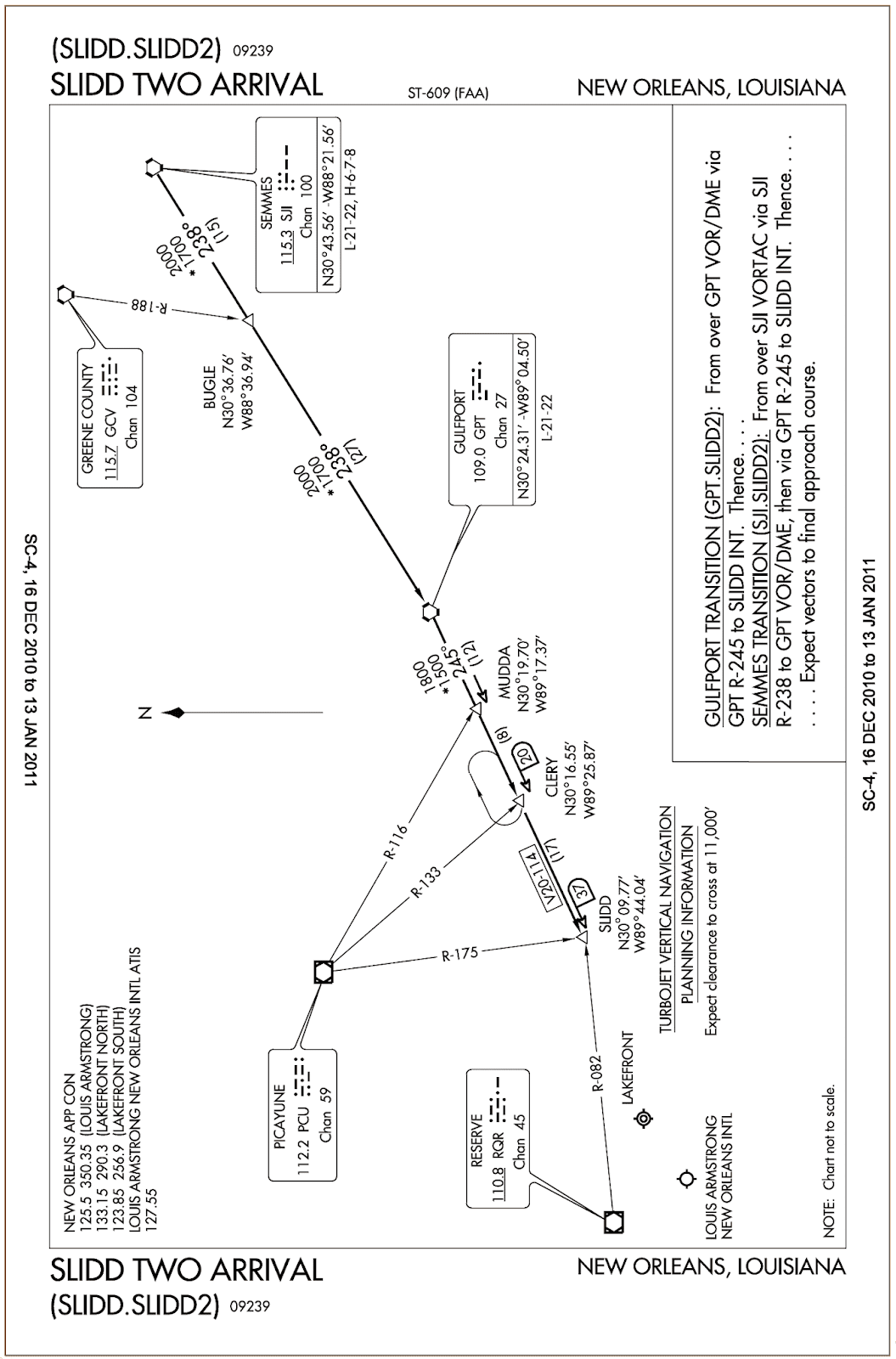
Procedures en route vary according to the proposed route, the traffic environment, and the ATC facilities controlling the flight. Some IFR flights are under radar surveillance and controlled from departure to arrival and others rely entirely on pilot navigation. Where ATC has no jurisdiction, it does not issue an IFR clearance. It has no control … Read more

Sources of IFR Flight Planning Information

The following resources are available for a pilot planning a flight conducted under IFR. National Aeronautical Navigation Products (AeroNav Products) Group publications: IFR en route charts Area charts United States Terminal Procedures Publications (TPP) The Federal Aviation Administration (FAA) publications: Aeronautical Information Manual (AIM) Airport/Facility Directory (A/FD) Notices to Airmen Publication (NTAP) for flight planning … Read more

13a24c308c97

IFR Flight Plans

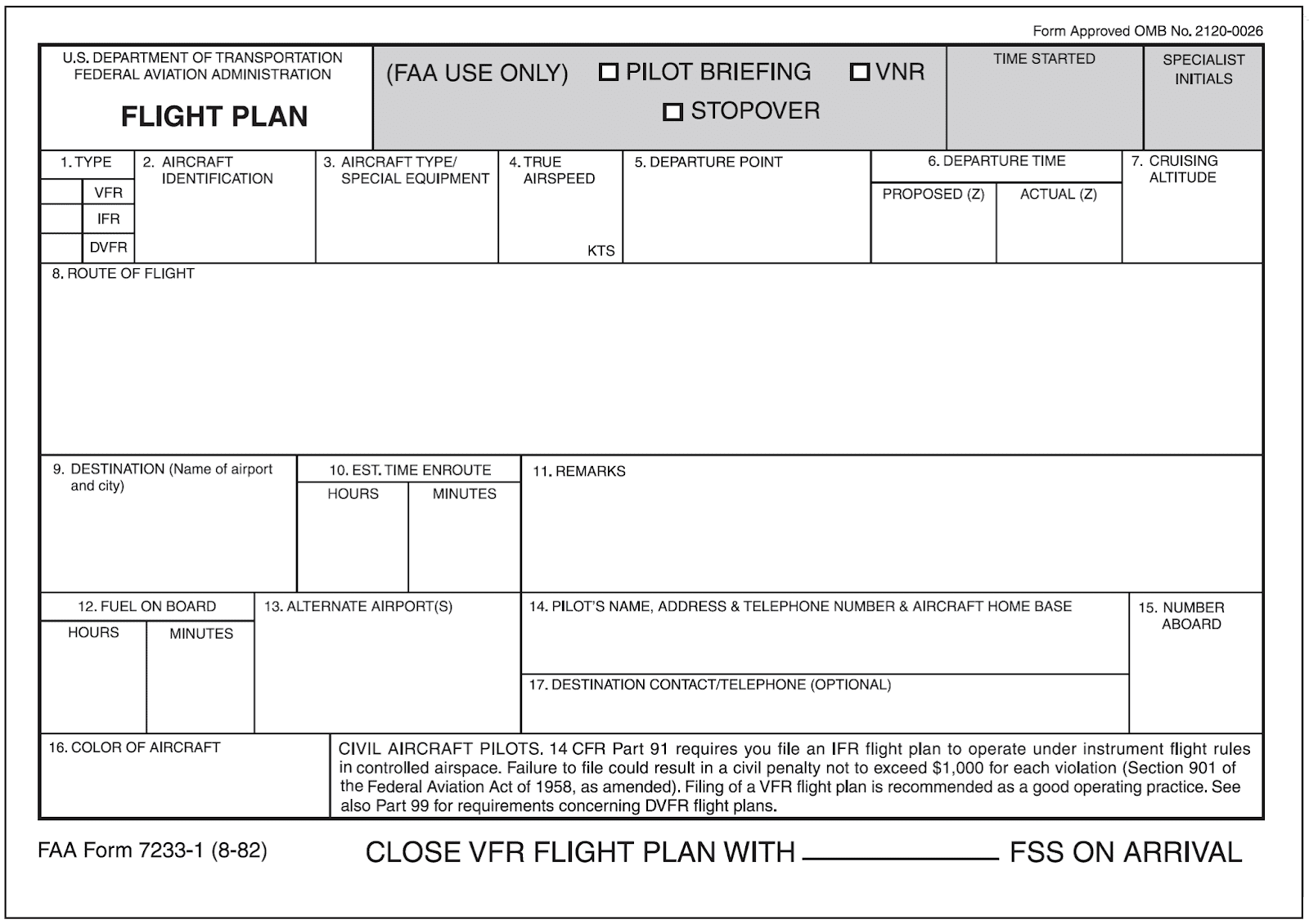
As specified in Title 14 of the Code of Federal Regulations (14 CFR) part 91, no person may operate an aircraft in controlled airspace under IFR unless that person has filed an IFR flight plan. Flight plans may be submitted to the nearest FSS or air traffic control tower (ATCT) either in person, by telephone … Read more

IFR Clearances

An ATC clearance allows an aircraft to proceed under specified traffic conditions within controlled airspace for the purpose of providing separation between known aircraft. A major contributor to runway incursions is lack of communication with ATC and not understanding the instructions that they give. The primary way the pilot and ATC communicate is by voice. … Read more

65ed8faf0028

Head-Up Display (HUD) for Instrument Flight

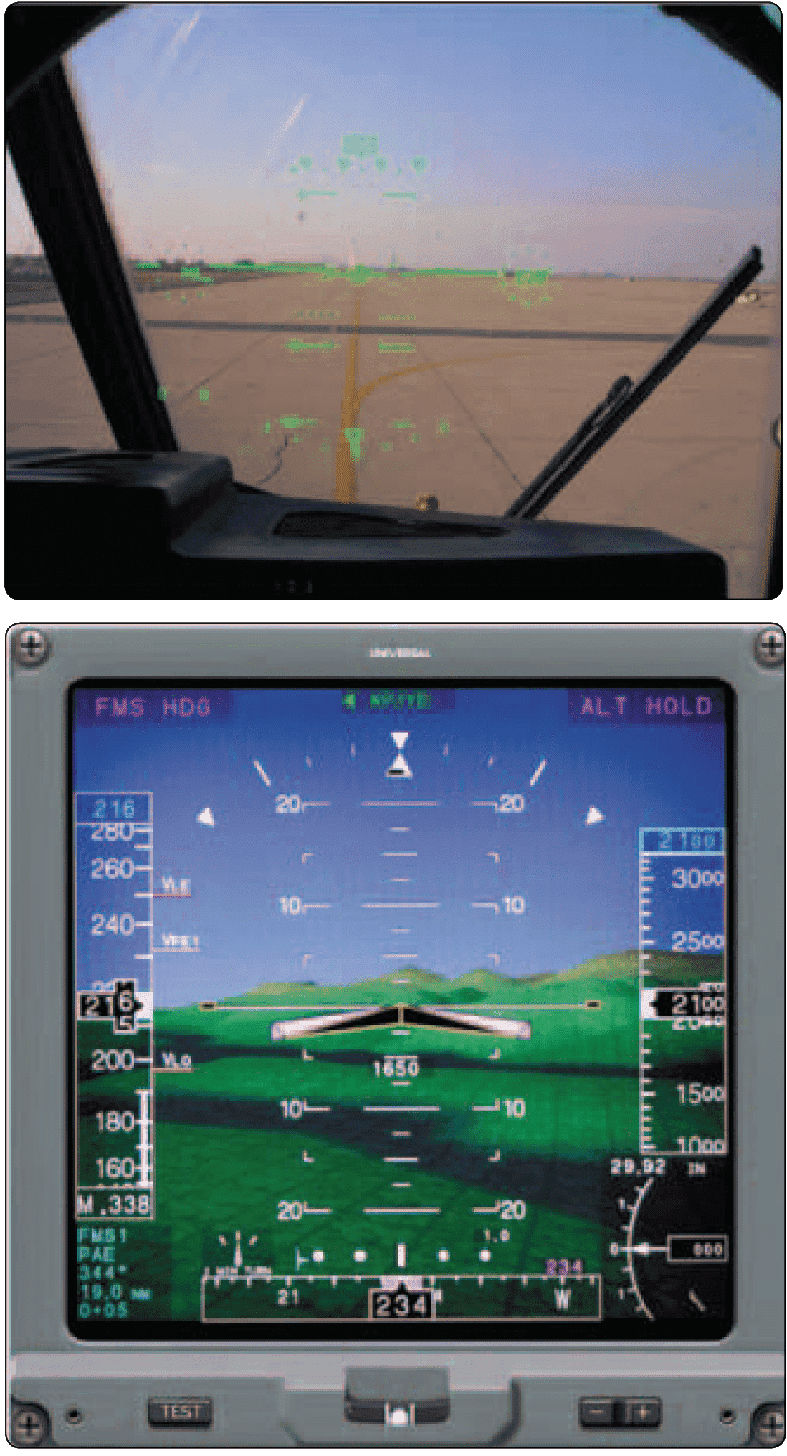
The HUD is a display system that provides a projection of navigation and air data (airspeed in relation to approach reference speed, altitude, left/right and up/down GS) on a transparent screen between the pilot and the windshield. Other information may be displayed, including a runway target in relation to the nose of the aircraft. This … Read more

de6f12664703

Required Navigation Performance (RNP)

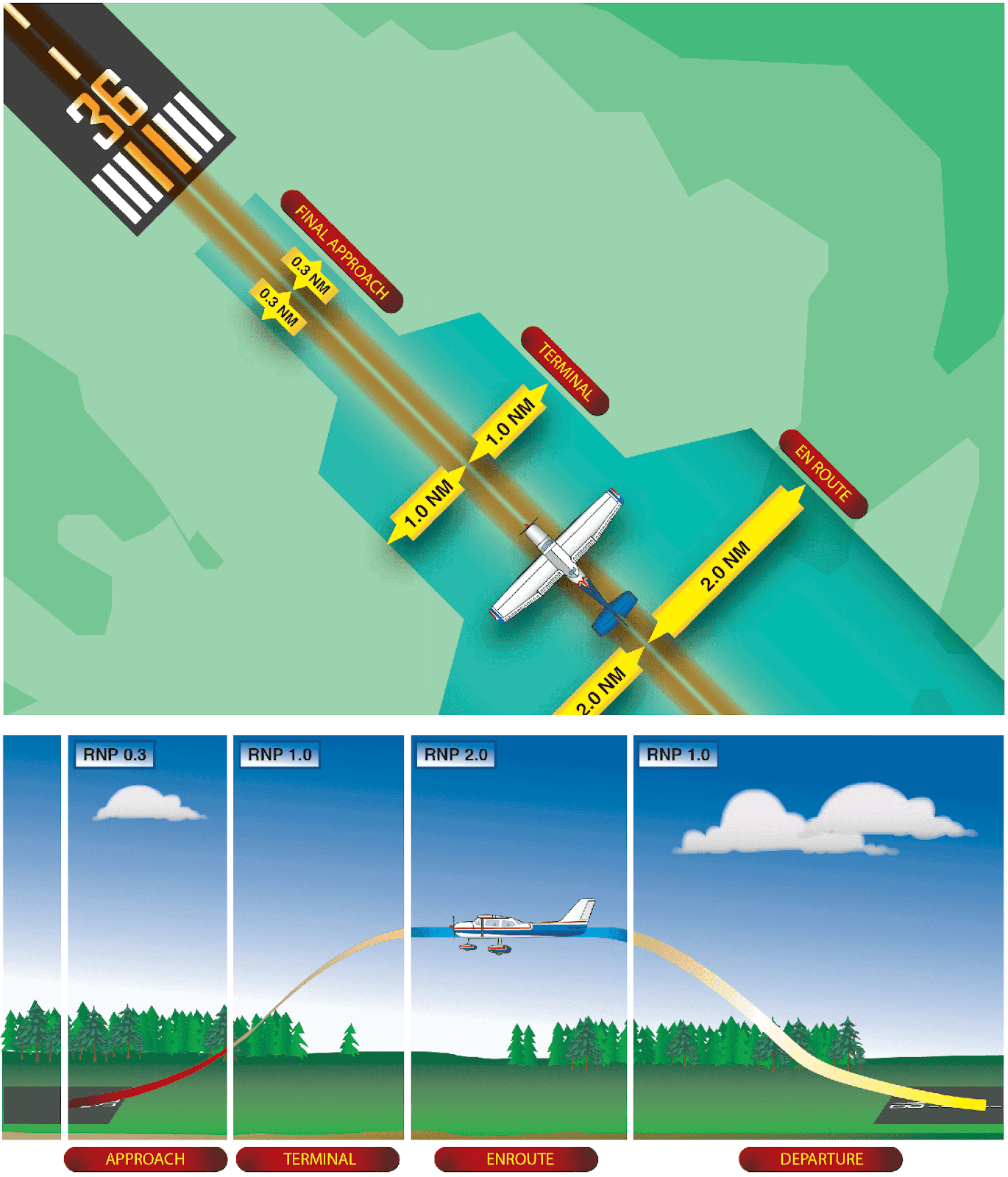
RNP is a navigation system that provides a specified level of accuracy defined by a lateral area of confined airspace in which an RNP-certified aircraft operates. The continuing growth of aviation places increasing demands on airspace capacity and emphasizes the need for the best use of the available airspace. These factors, along with the accuracy … Read more