3

Helicopter Rapid Deceleration and Quick Stop

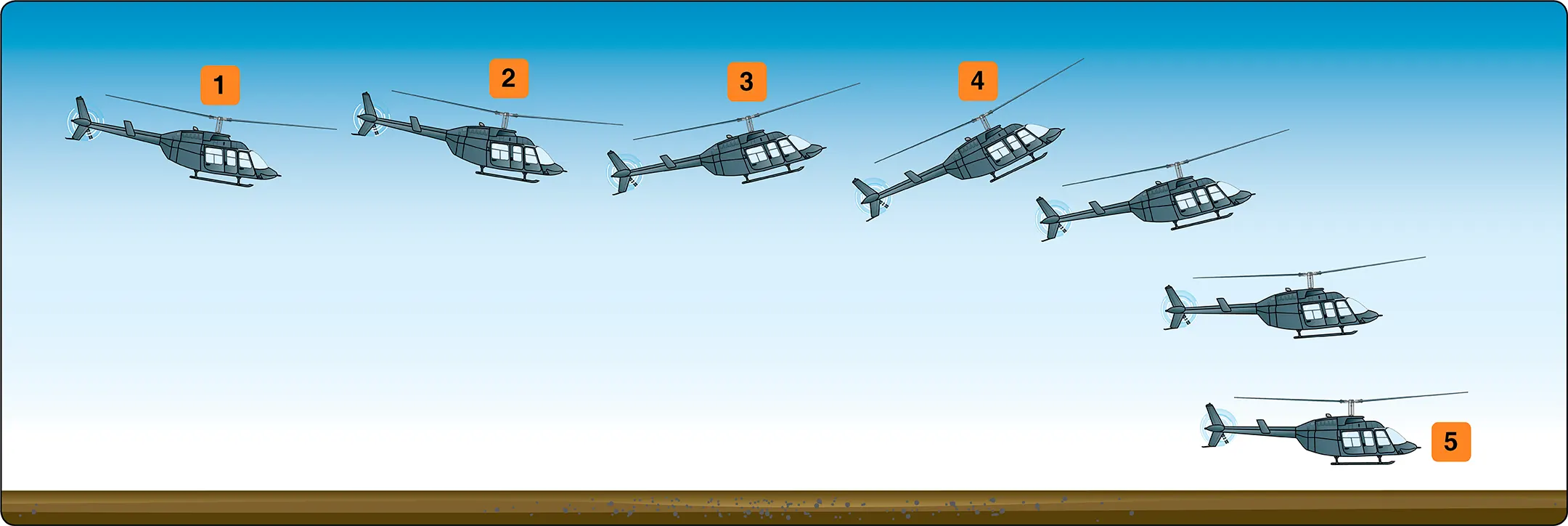
This maneuver is used to decelerate from forward flight to a hover. It is often used to abort takeoffs, to stop if something blocks the helicopter flightpath, or simply to terminate an air taxi maneuver, as mentioned in the Aeronautical Information Manual (AIM). A quick stop is usually practiced on a runway, taxiway, or over … Read more
2

Helicopter Running/Rolling Takeoff

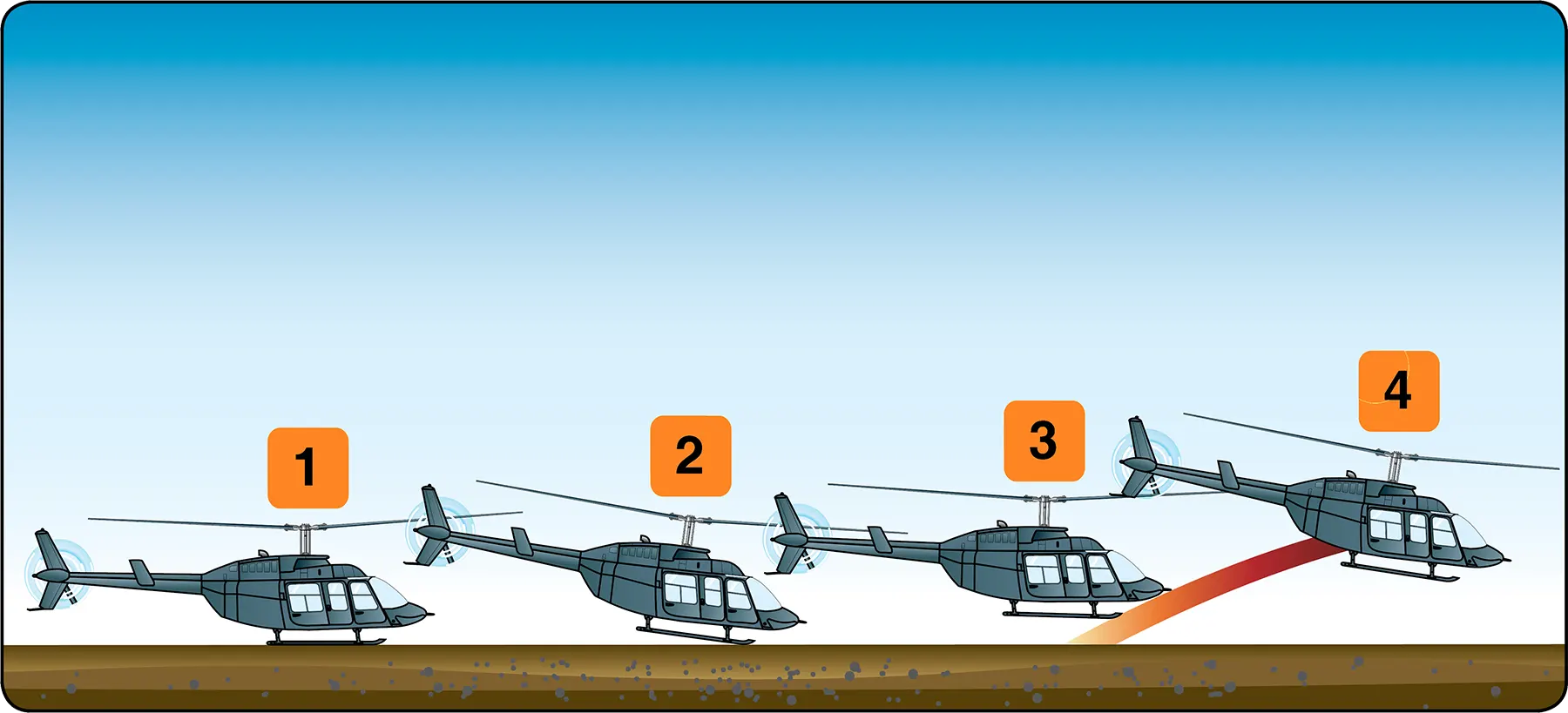
A running takeoff in helicopter with fixed landing gear, such as skids, skis or floats, or a rolling takeoff in a wheeled helicopter is sometimes used when conditions of load and/or density altitude prevent a sustained hover at normal hovering altitude. For wheeled helicopters, a rolling takeoff is sometimes used to minimize the downwash created … Read more

3 1

Helicopter Weight and Balance

It is vital to comply with weight and balance limits established for helicopters. Operating above the maximum weight limitation compromises the structural integrity of the helicopter and adversely affects performance. Balance is also critical because, on some fully loaded helicopters, center of gravity (CG) deviations as small as three inches can dramatically change a helicopter’s … Read more

1 1

Helicopter Airframe and Fuselage

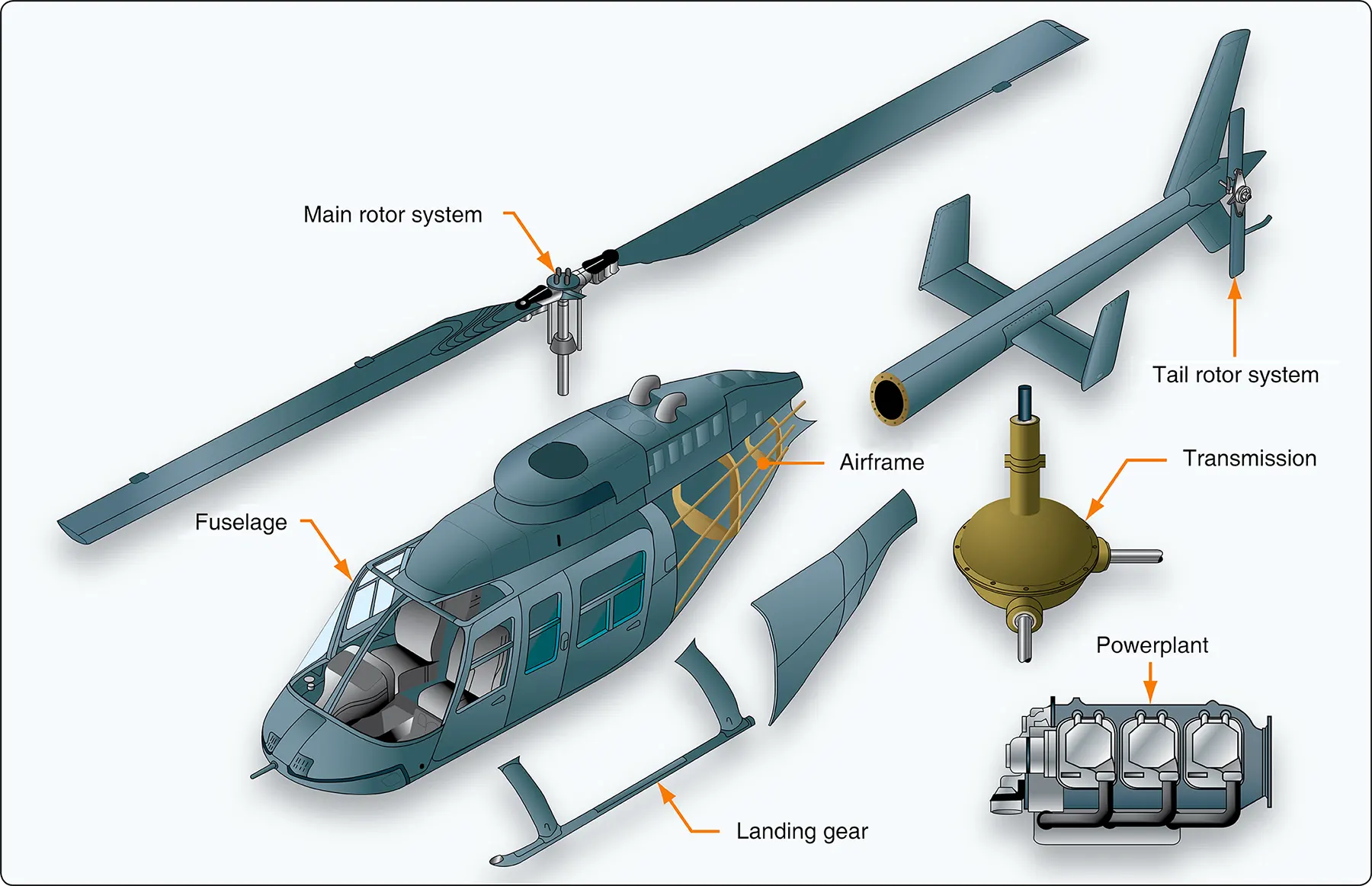
Airframe The airframe, or fundamental structure, of a helicopter can be made of either metal, wood, or composite materials, or some combination of the two. Typically, a composite component consists of many layers of fiber-impregnated resins, bonded to form a smooth panel. Tubular and sheet metal substructures are usually made of aluminum, though stainless steel … Read more

1

Helicopter Major Flight Controls

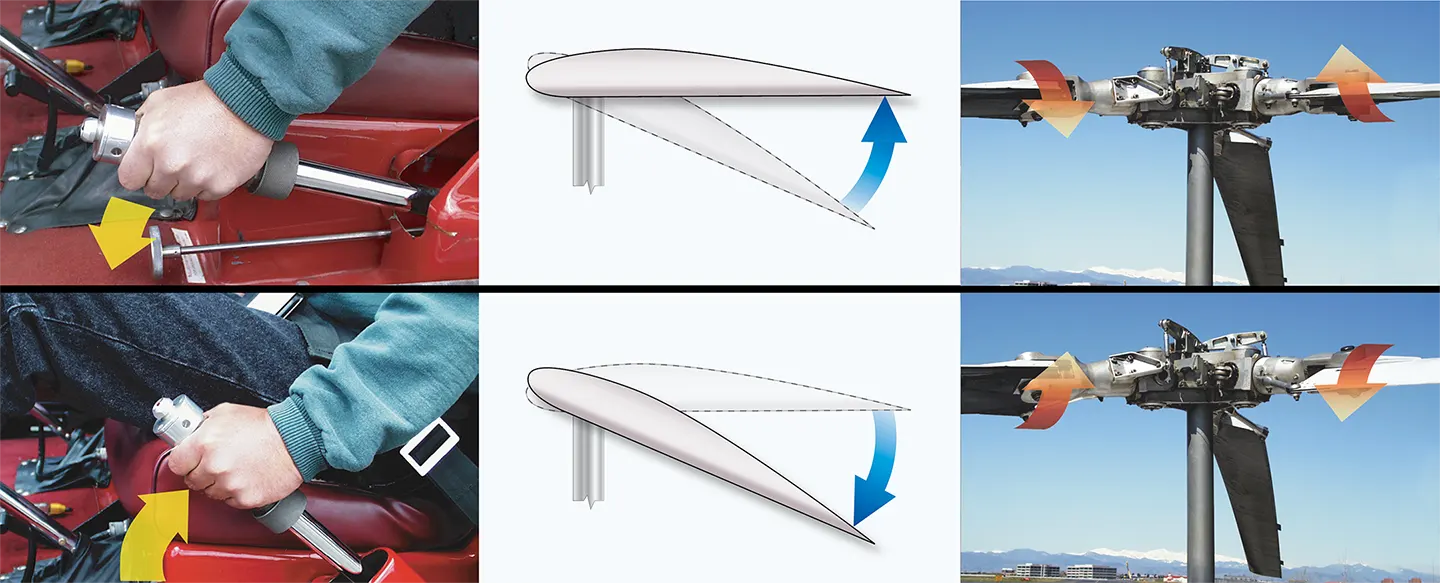
There are three major controls in a helicopter that the pilot must use during flight. They are the collective pitch control, the cyclic pitch control, and the antitorque pedals or tail rotor control. In addition to these major controls, the pilot must also use the throttle control, which is usually mounted directly to the collective … Read more

46

Helicopter Autorotation Aerodynamics

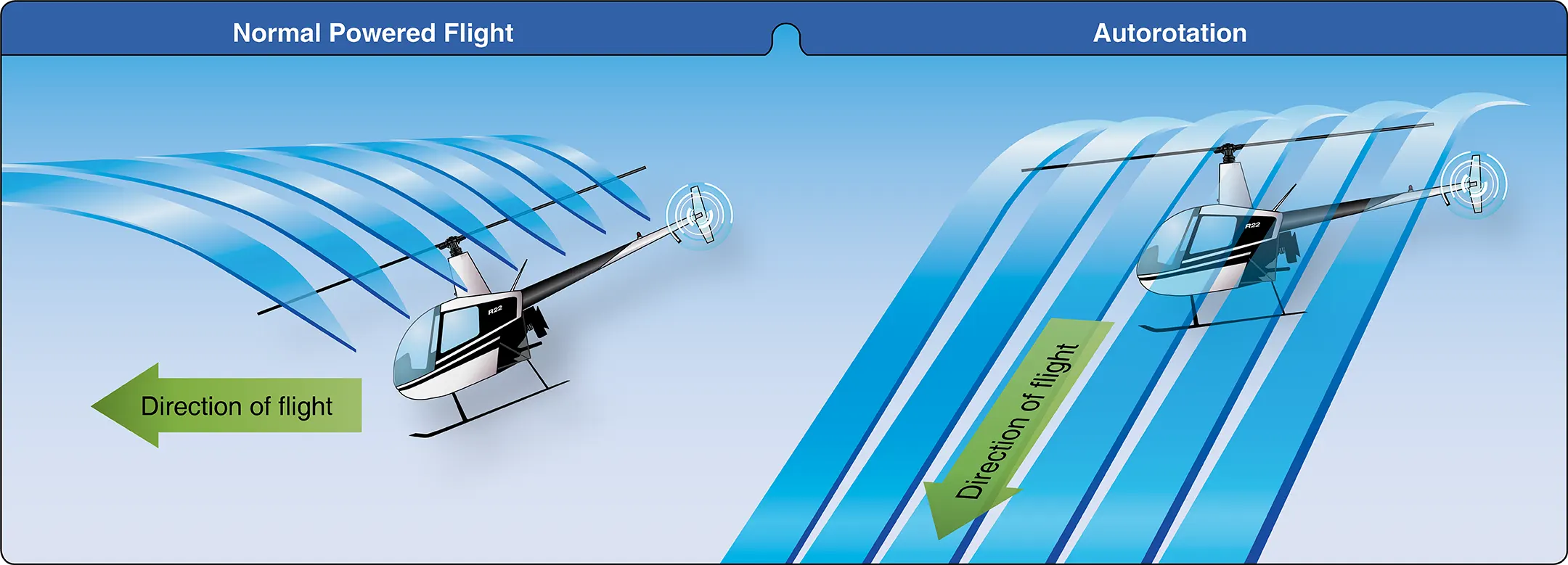
Autorotation is the state of flight where the main rotor disk of a helicopter is being turned by the action of air moving up through the rotor rather than engine power driving the rotor. In normal, powered flight, air is drawn into the main rotor disk from above and exhausted downward, but during autorotation, air … Read more

42

Helicopter Sideward, Rearward and Turning Flight

Sideward Flight In sideward flight, the tip-path plane is tilted in the direction that flight is desired. This tilts the total lift-thrust vector sideward. In this case, the vertical or lift component is still straight up and weight straight down, but the horizontal or thrust component now acts sideward with drag acting to the opposite … Read more

33

Helicopter Forward Flight

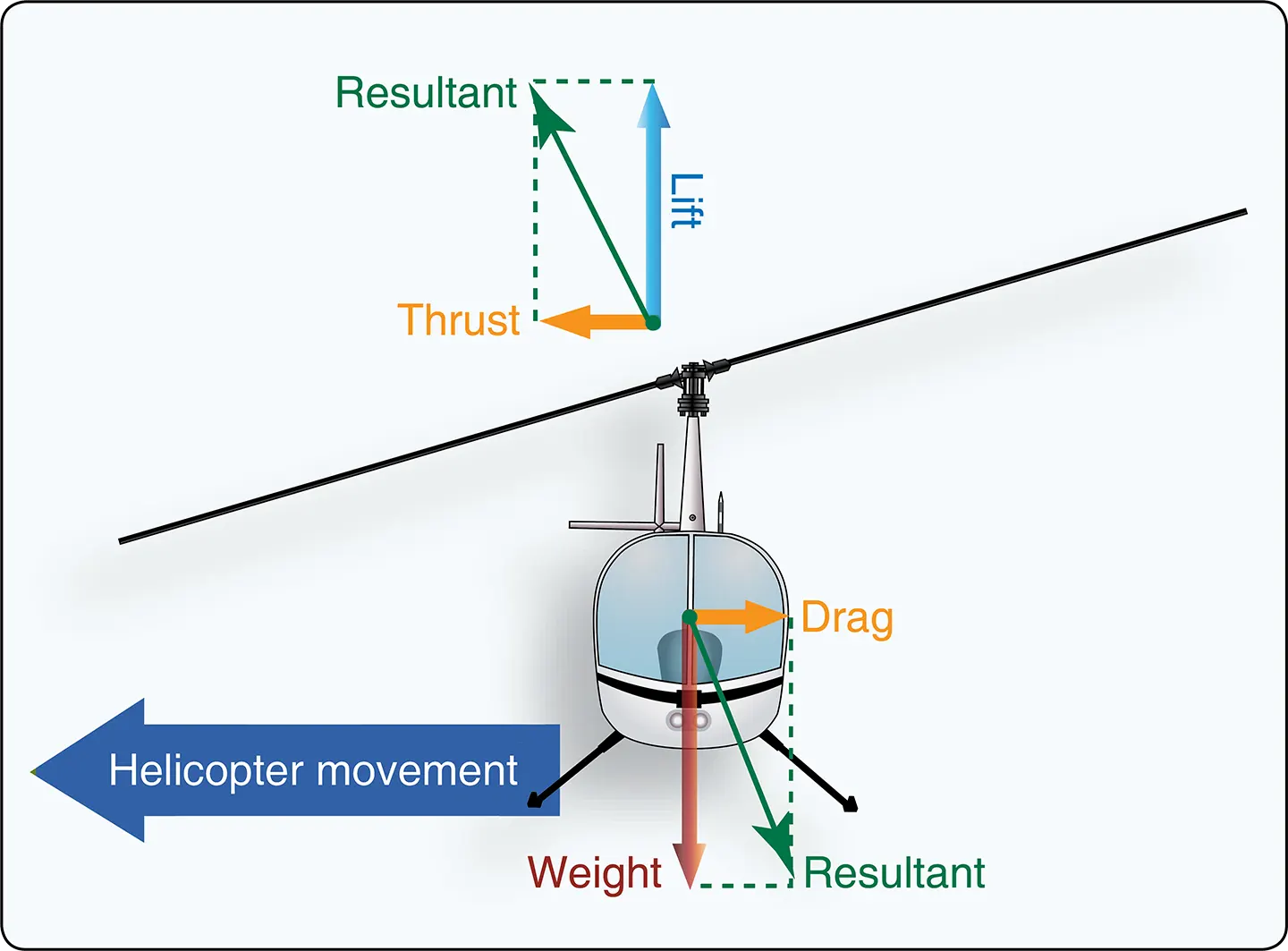
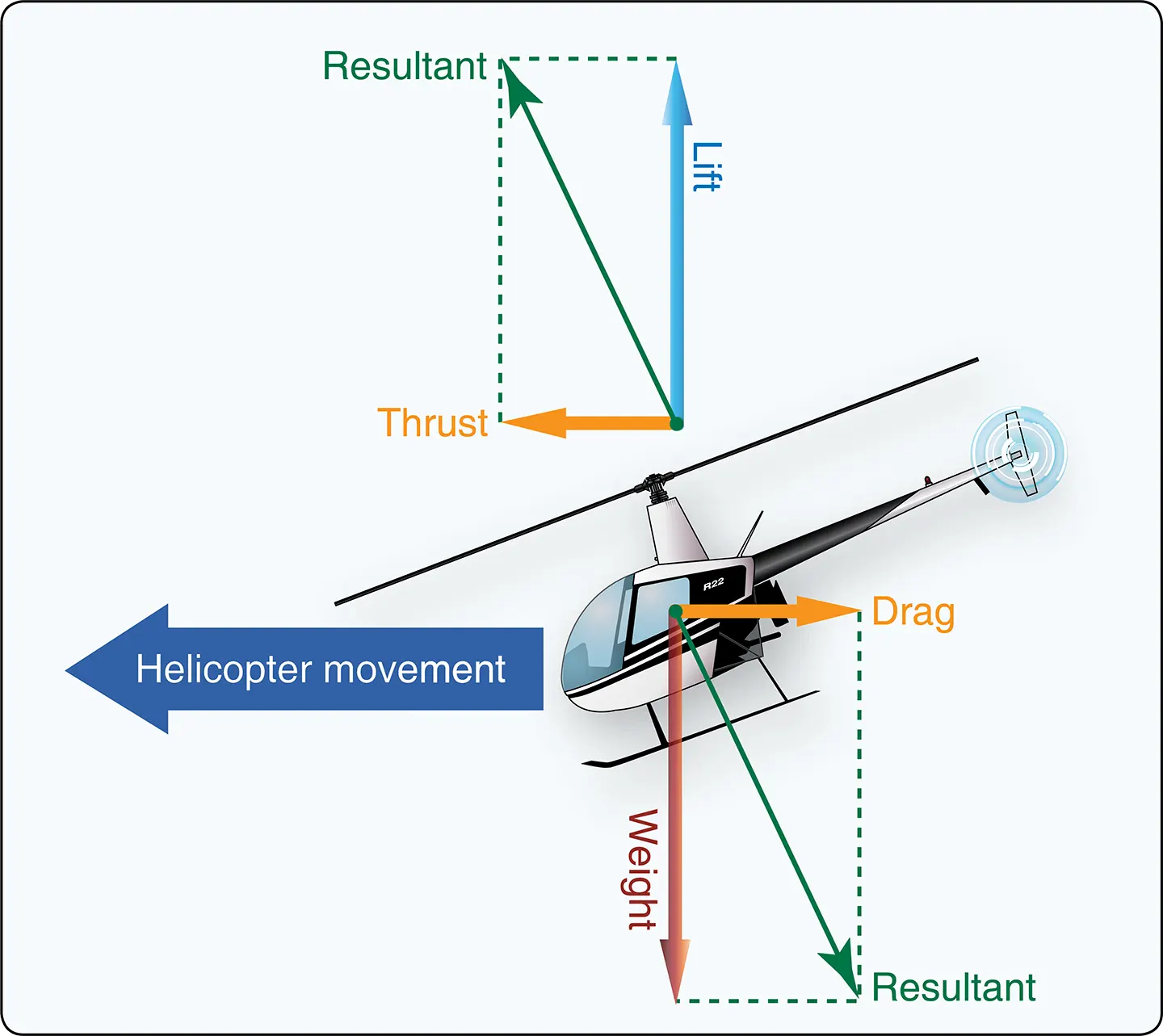
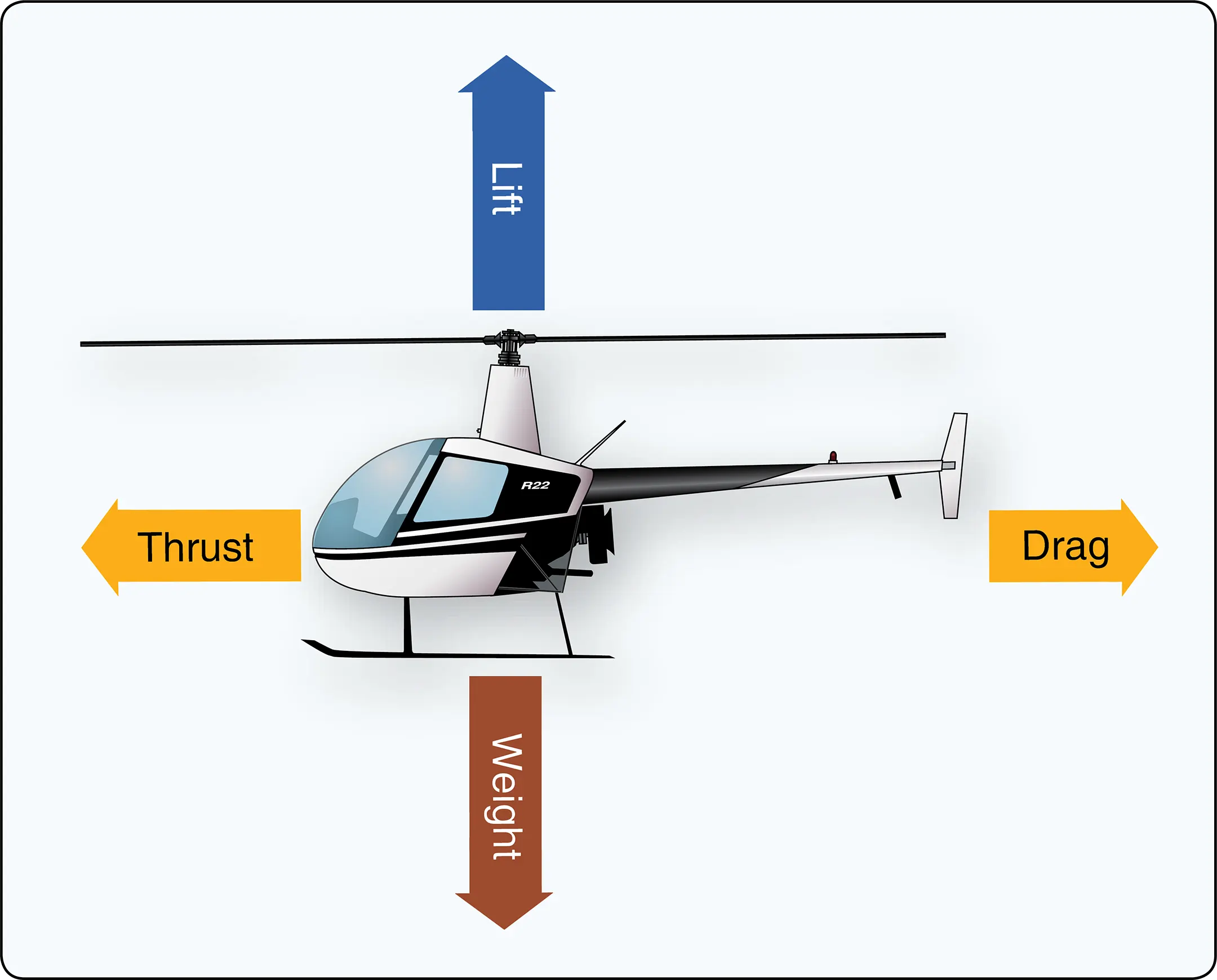
In steady forward flight, with no change in airspeed or vertical speed, the four forces of lift, thrust, drag, and weight must be in balance. Once the tip-path plane is tilted forward, the total lift-thrust force is also tilted forward. This resultant lift-thrust force can be resolved into two components—lift acting vertically upward and thrust … Read more

32

Helicopter Vertical Flight

Hovering is actually an element of vertical flight. Increasing the angle of incidence of the rotor blades (pitch) while keeping their rotation speed constant generates additional lift and the helicopter ascends. Decreasing the pitch causes the helicopter to descend. In a no-wind condition in which lift and thrust are less than weight and drag, the … Read more

26

Helicopter Hovering Flight

Hovering is the most challenging part of flying a helicopter. This is because a helicopter generates its own gusty air while in a hover, which acts against the fuselage and flight control surfaces. The end result is constant control inputs and corrections by the pilot to keep the helicopter where it is required to be. … Read more