Helicopter Night VFR Operations

While ceiling and visibility significantly affect safety in night VFR operations, lighting conditions also have a profound effect on safety. Even in conditions in which visibility and ceiling are determined to be visual meteorological conditions, the ability to discern unlit or low contrast objects and terrain at night may be compromised. The ability to discern … Read more
12 2

Helicopter Emergency Equipment and Survival Gear

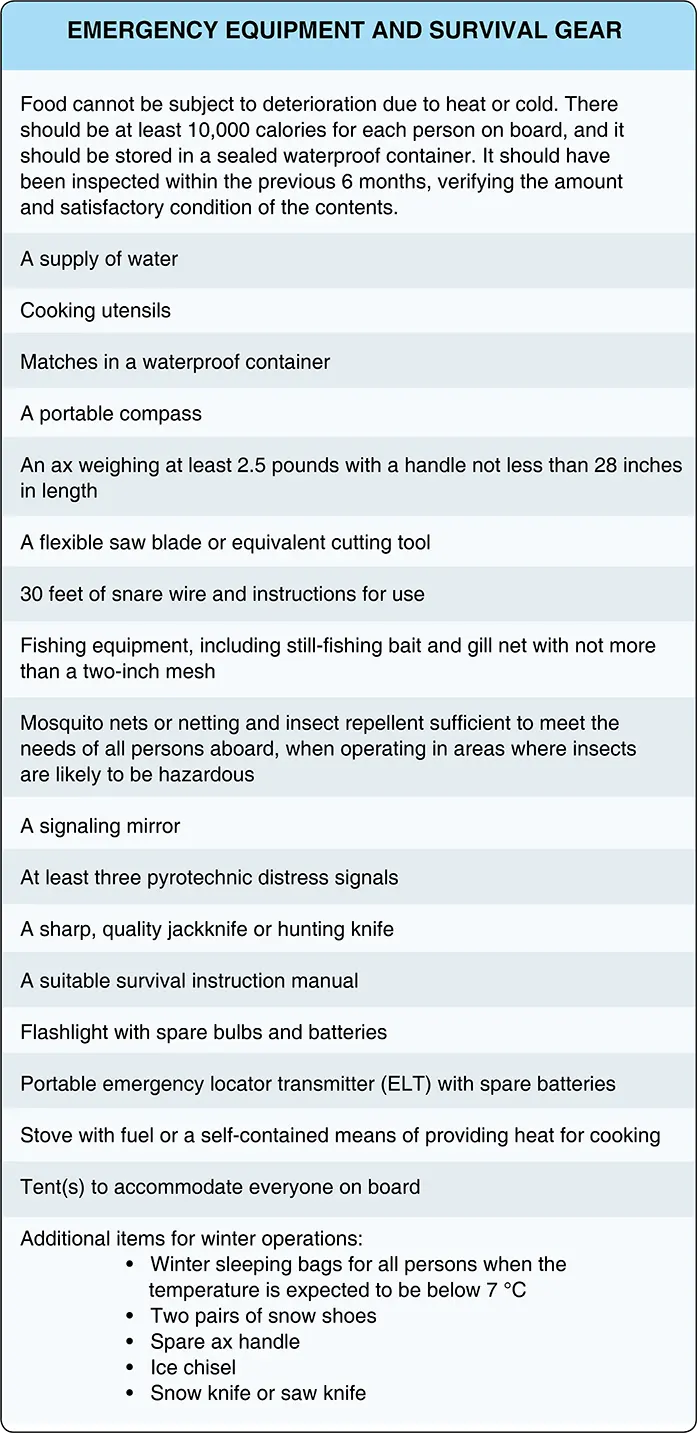
Both Canada and Alaska require pilots to carry survival gear. Always carry survival gear when flying over rugged and desolate terrain. The items suggested in Figure are both weather and terrain dependent. The pilot also needs to consider how much storage space the helicopter has and how the equipment being carried affects the overall weight … Read more

Lost Procedures

Helicopter Lost Procedures

Pilots become lost while flying for a variety of reasons, such as disorientation, flying over unfamiliar territory, or visibility that is low enough to render familiar terrain unfamiliar. When a pilot becomes lost, the first order of business is to fly the aircraft; the second is to implement lost procedures. Keep in mind that the … Read more

Multiengine Emergency Operations

Helicopter Multiengine Emergency Operations

Single-Engine Failure When one engine has failed, the helicopter can often maintain altitude and airspeed until a suitable landing site can be selected. Whether or not this is possible becomes a function of such combined variables as aircraft weight, density altitude, height above ground, airspeed, phase of flight, single-engine capability, and environmental response time and … Read more

4

Helicopter Ground Resonance

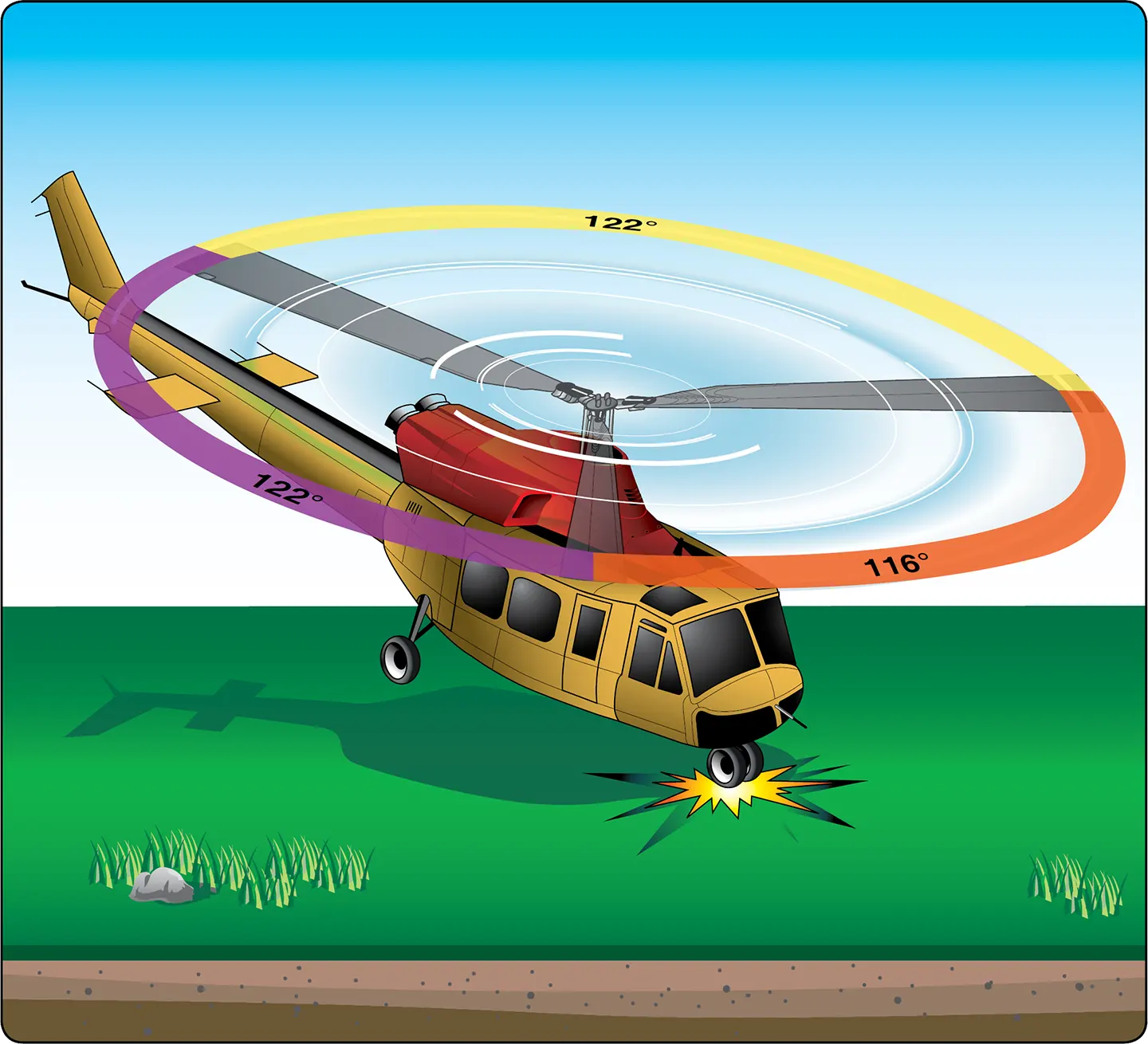
Helicopters with articulating rotors (usually designs with three or more main rotor blades) are subject to ground resonance, a destructive vibration phenomenon that occurs at certain rotor speeds when the helicopter is on the ground. Ground resonance is a mechanical design issue that results from the helicopter’s airframe having a natural frequency that can be … Read more

Helicopter Retreating Blade Stall

In forward flight, the relative airflow through the main rotor disk is different on the advancing and retreating side. The relative airflow over the advancing side is higher due to the forward speed of the helicopter, while the relative airflow on the retreating side is lower. This dissymmetry of lift increases as forward speed increases. … Read more

1

Helicopter Autorotation

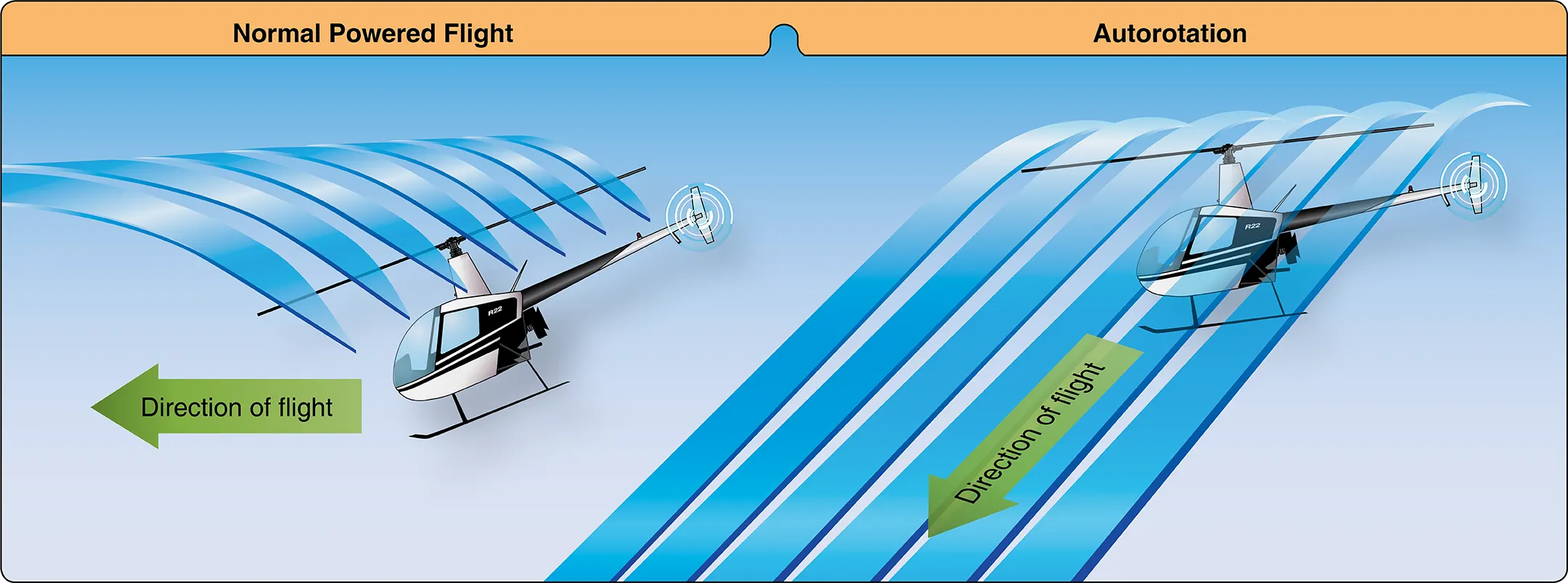
In a helicopter, an autorotative descent is a power-off maneuver in which the engine is disengaged from the main rotor disk and the rotor blades are driven solely by the upward flow of air through the rotor. [Figure 1] In other words, the engine is no longer supplying power to the main rotor. The most … Read more

8

Helicopter Confined Area Operations

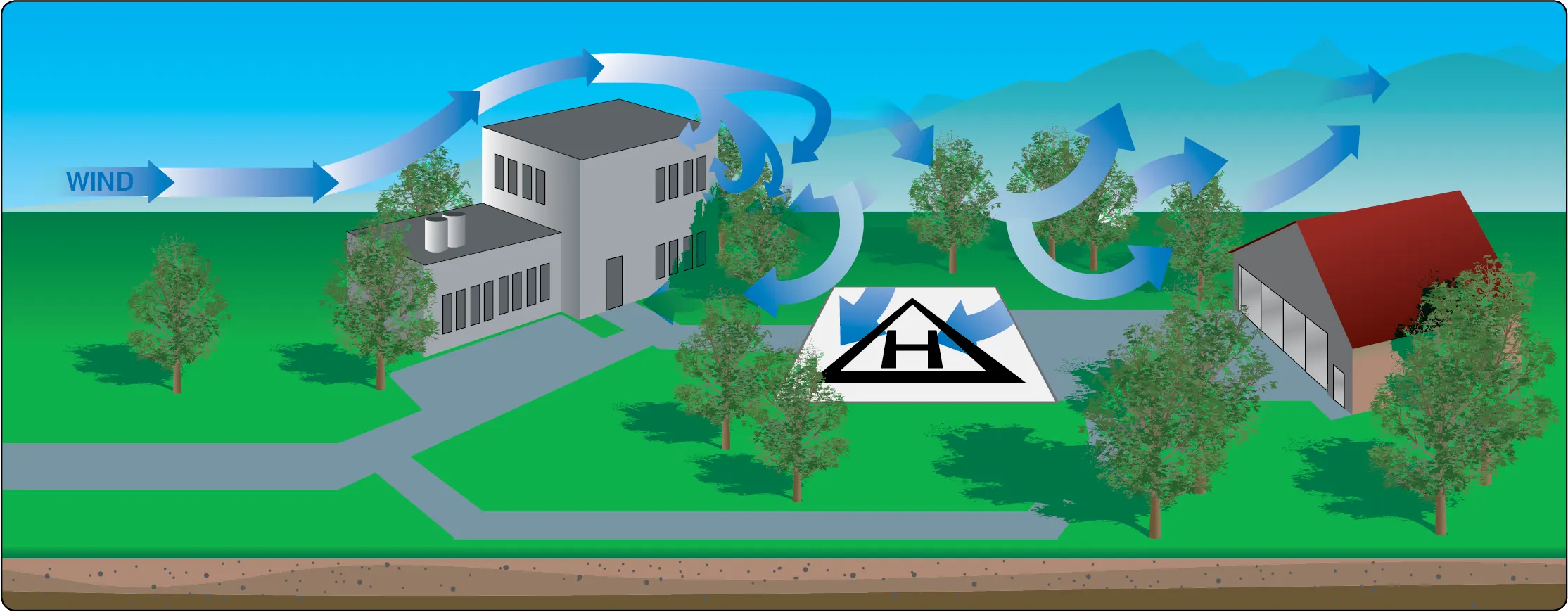
A confined area is an area where the flight of the helicopter is limited in some direction by terrain or the presence of obstructions, natural or manmade. For example, a clearing in the woods, a city street, a road, a building roof, etc., can each be regarded as a confined area. The helicopter pilot has … Read more

4

Helicopter Steep Approach

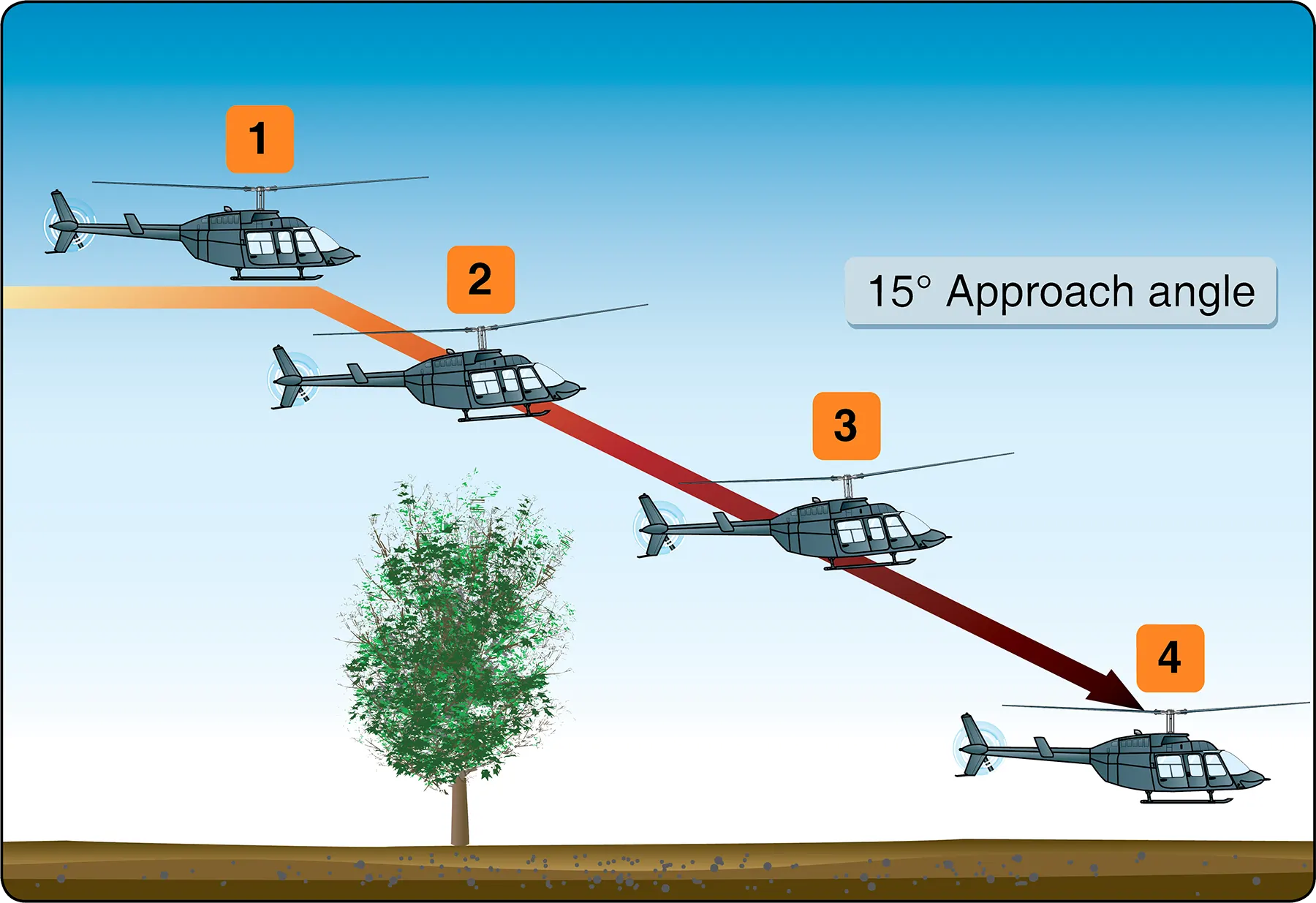
A steep approach is used primarily when there are obstacles in the approach path that are too high to allow a normal approach. A steep approach permits entry into most confined areas and is sometimes used to avoid areas of turbulence around a pinnacle. An approach angle of approximately 13° to 15° is considered a … Read more