Helicopter Slope Operations

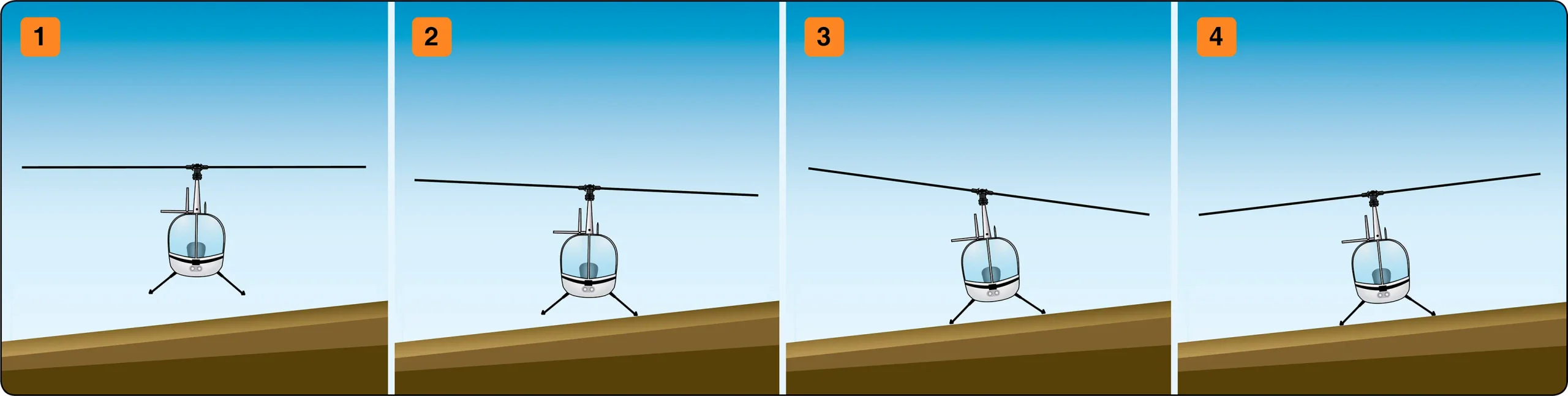
Prior to conducting any slope operations, be thoroughly familiar with the characteristics of dynamic rollover and mast bumping, which are discussed in Helicopter Emergencies and Hazards section. The approach to a slope is similar to the approach to any other landing area. During slope operations, make allowances for wind, barriers, and forced landing sites in … Read more
Helicopter Maximum Performance Takeoff

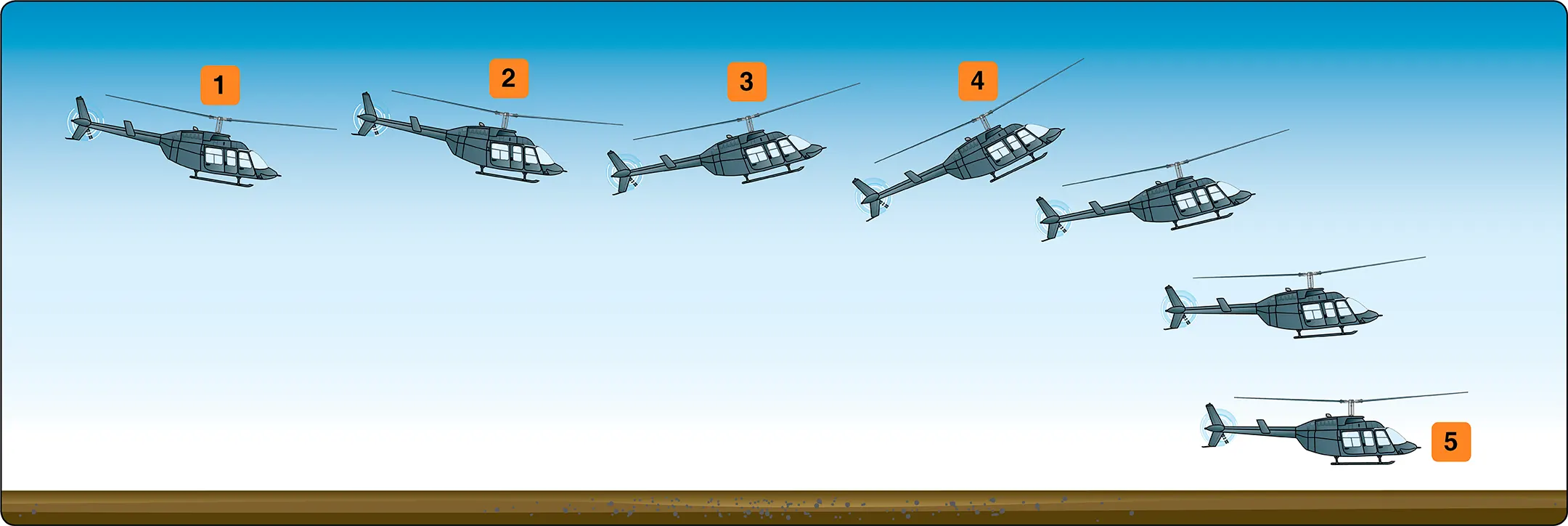
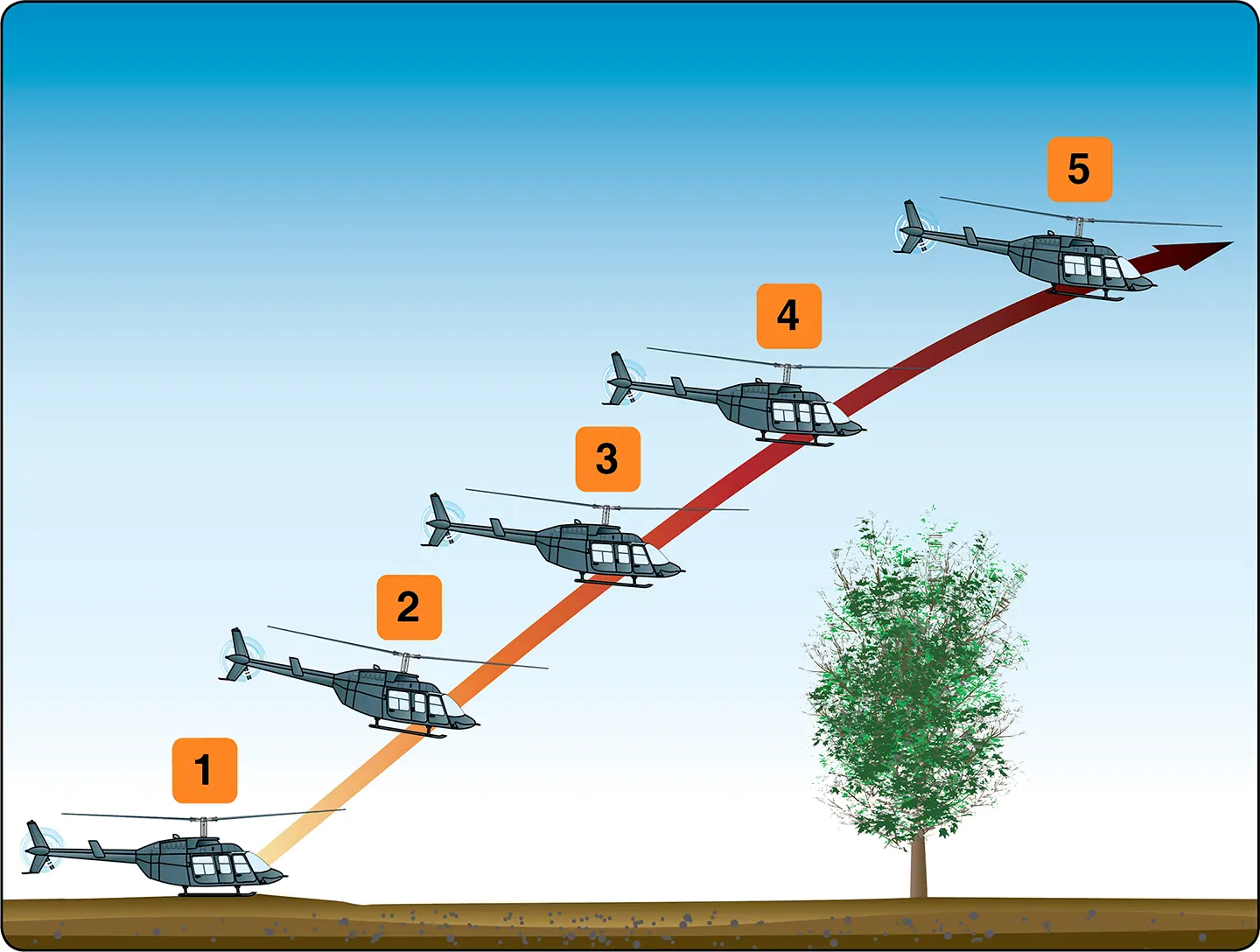
A maximum performance takeoff is used to climb at a steep angle to clear barriers in the flightpath. It can be used when taking off from small areas surrounded by high obstacles. Allow for a vertical takeoff, although not preferred, if obstruction clearance could be in doubt. Before attempting a maximum performance takeoff, know thoroughly … Read more

Helicopter Reconnaissance Procedures

When planning to land or take off at an unfamiliar site, gather as much information as possible about the area. Reconnaissance techniques are ways of gathering this information. High Reconnaissance The purpose of conducting a high reconnaissance is to determine direction and speed of the wind, a touchdown point, suitability of the landing area, approach … Read more

Advanced Helicopter Flight Maneuvers

Advanced helicopter maneuvers push the limits of a pilot’s skill, demanding precision, situational awareness, and a thorough understanding of aircraft performance. These maneuvers often bring the helicopter close to the boundaries of its safe operating envelope and require careful judgment, planning, and continuous evaluation of conditions throughout the flight. Unlike basic maneuvers, advanced operations are … Read more

Helicopter Confined Area Operations

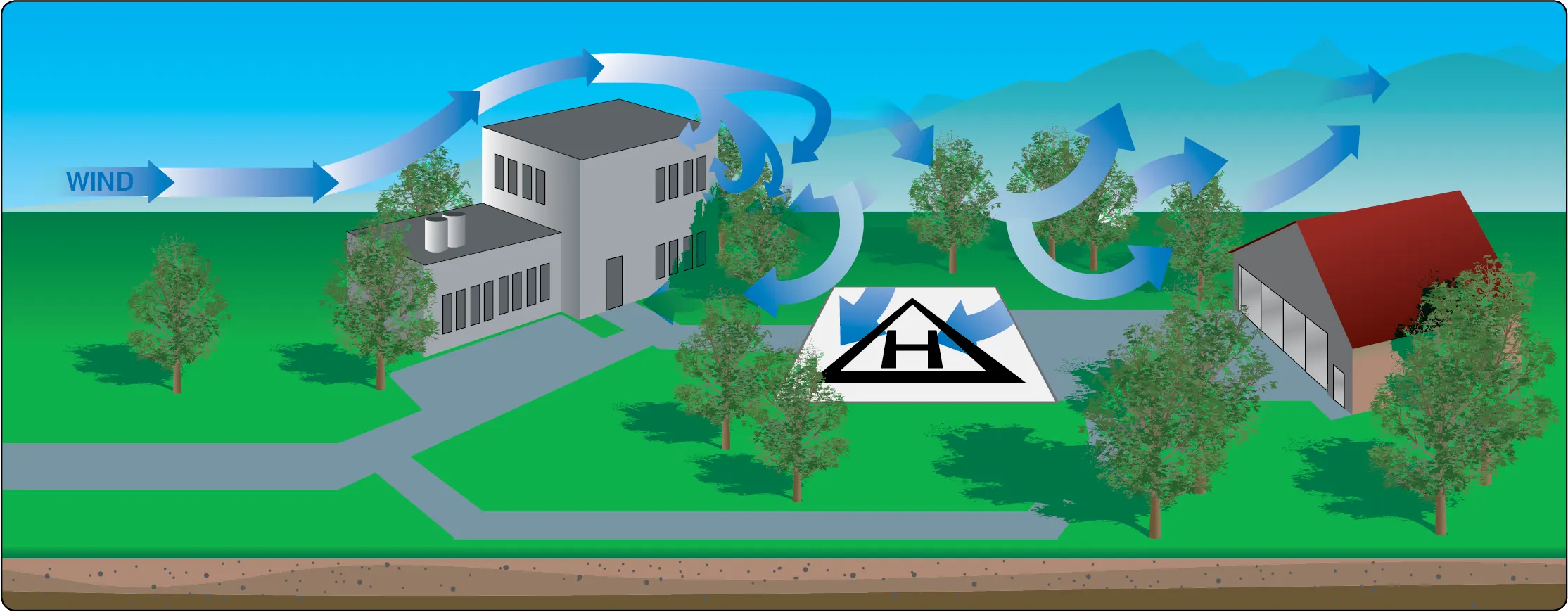
A confined area is an area where the flight of the helicopter is limited in some direction by terrain or the presence of obstructions, natural or manmade. For example, a clearing in the woods, a city street, a road, a building roof, etc., can each be regarded as a confined area. The helicopter pilot has … Read more

Helicopter Steep Approach

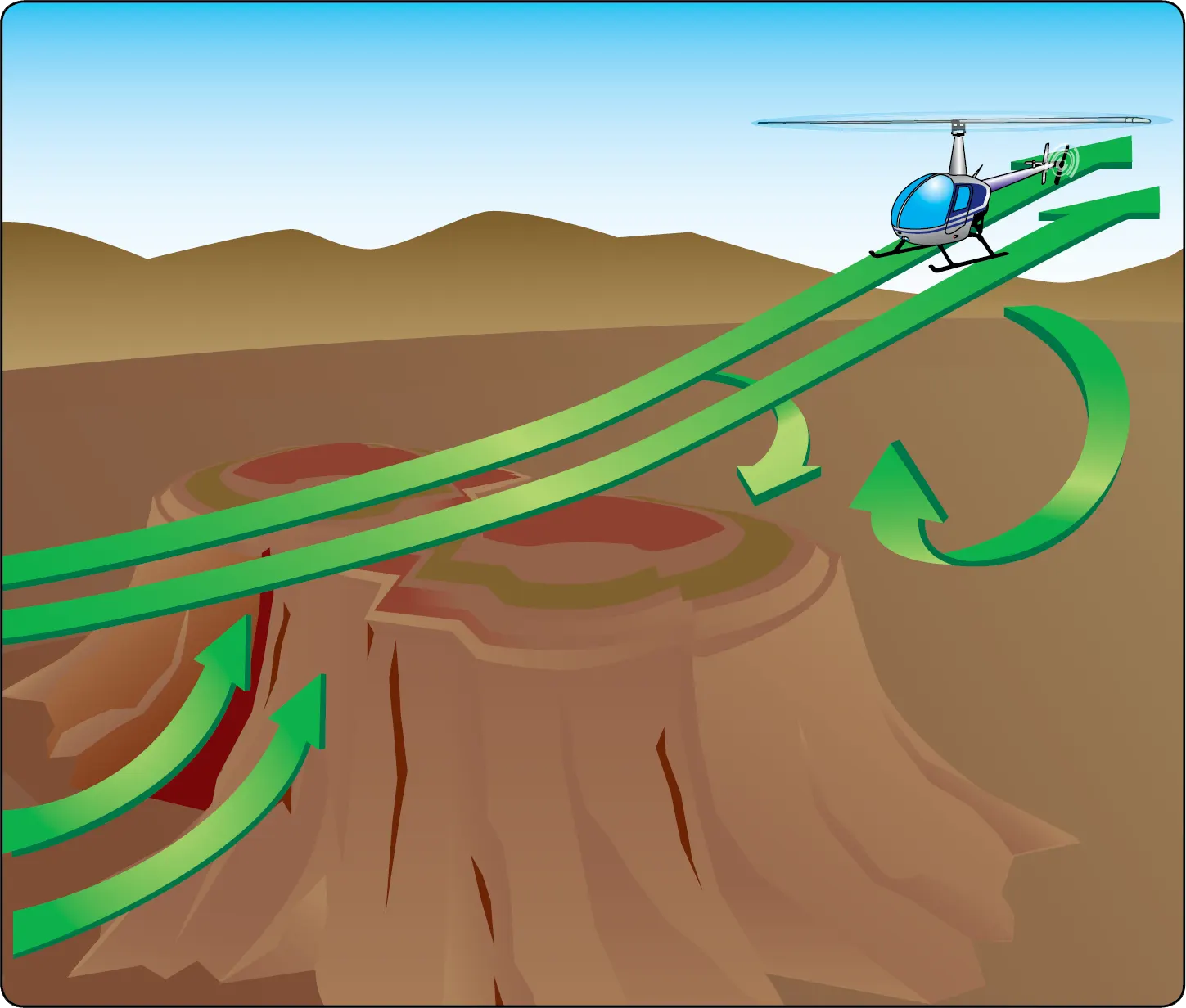
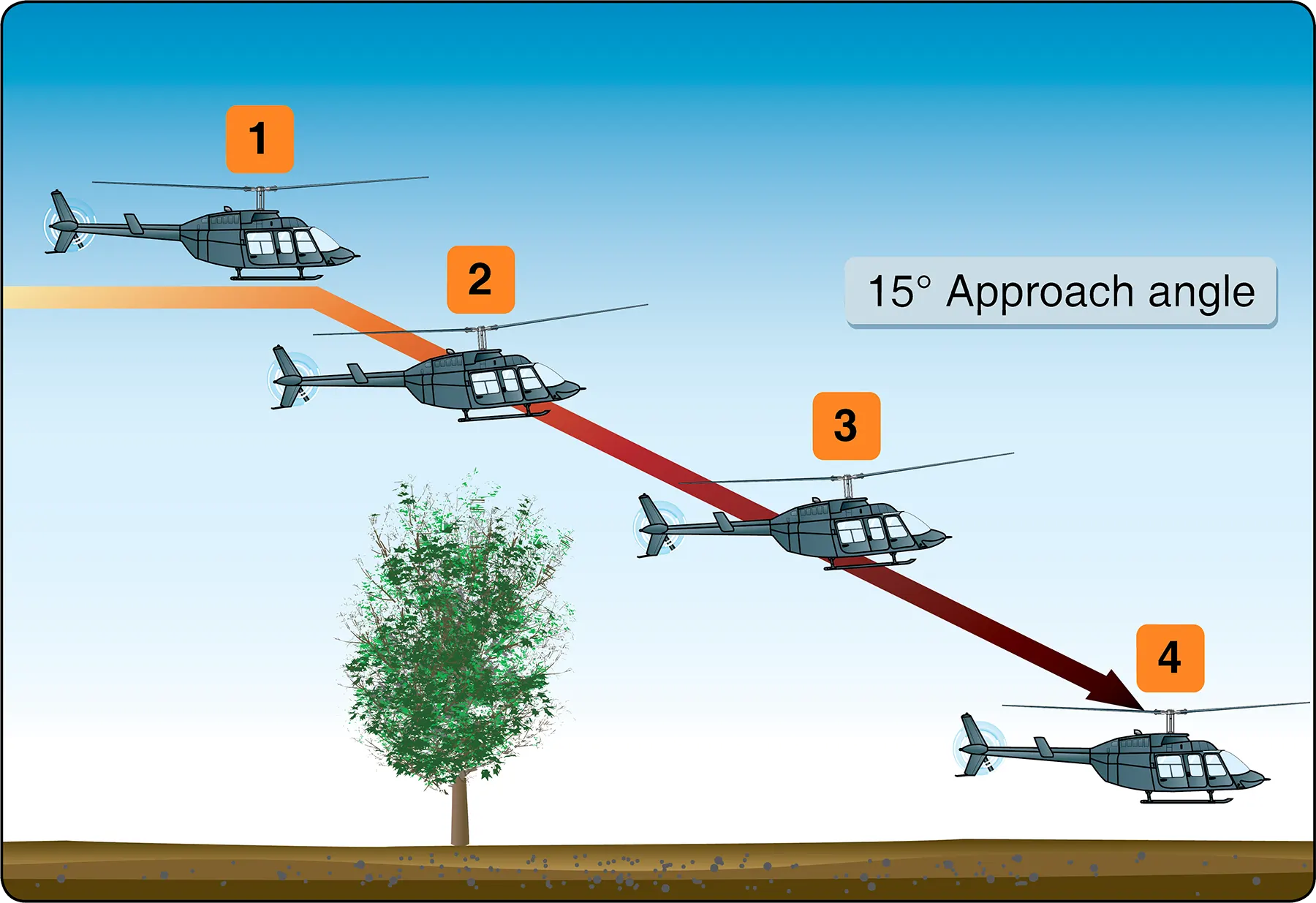
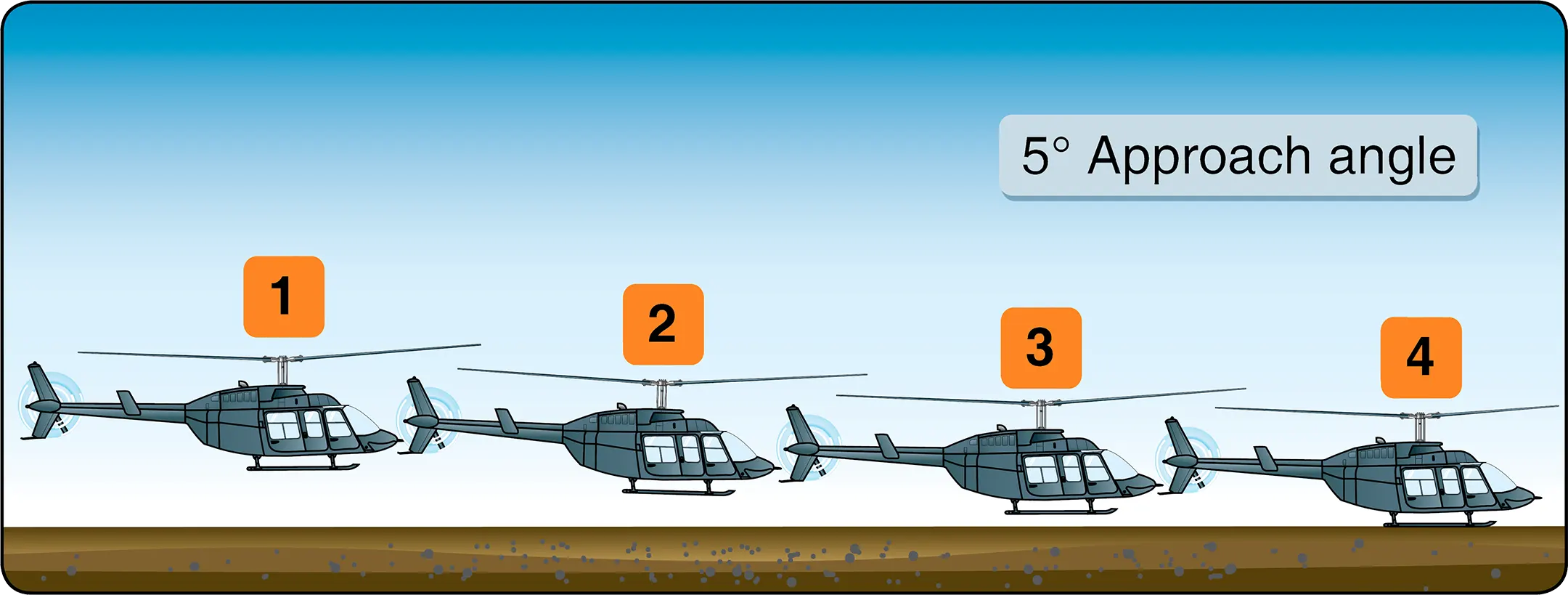
A steep approach is used primarily when there are obstacles in the approach path that are too high to allow a normal approach. A steep approach permits entry into most confined areas and is sometimes used to avoid areas of turbulence around a pinnacle. An approach angle of approximately 13° to 15° is considered a … Read more

Helicopter Rapid Deceleration and Quick Stop

This maneuver is used to decelerate from forward flight to a hover. It is often used to abort takeoffs, to stop if something blocks the helicopter flightpath, or simply to terminate an air taxi maneuver, as mentioned in the Aeronautical Information Manual (AIM). A quick stop is usually practiced on a runway, taxiway, or over … Read more

Helicopter Running/Rolling Takeoff

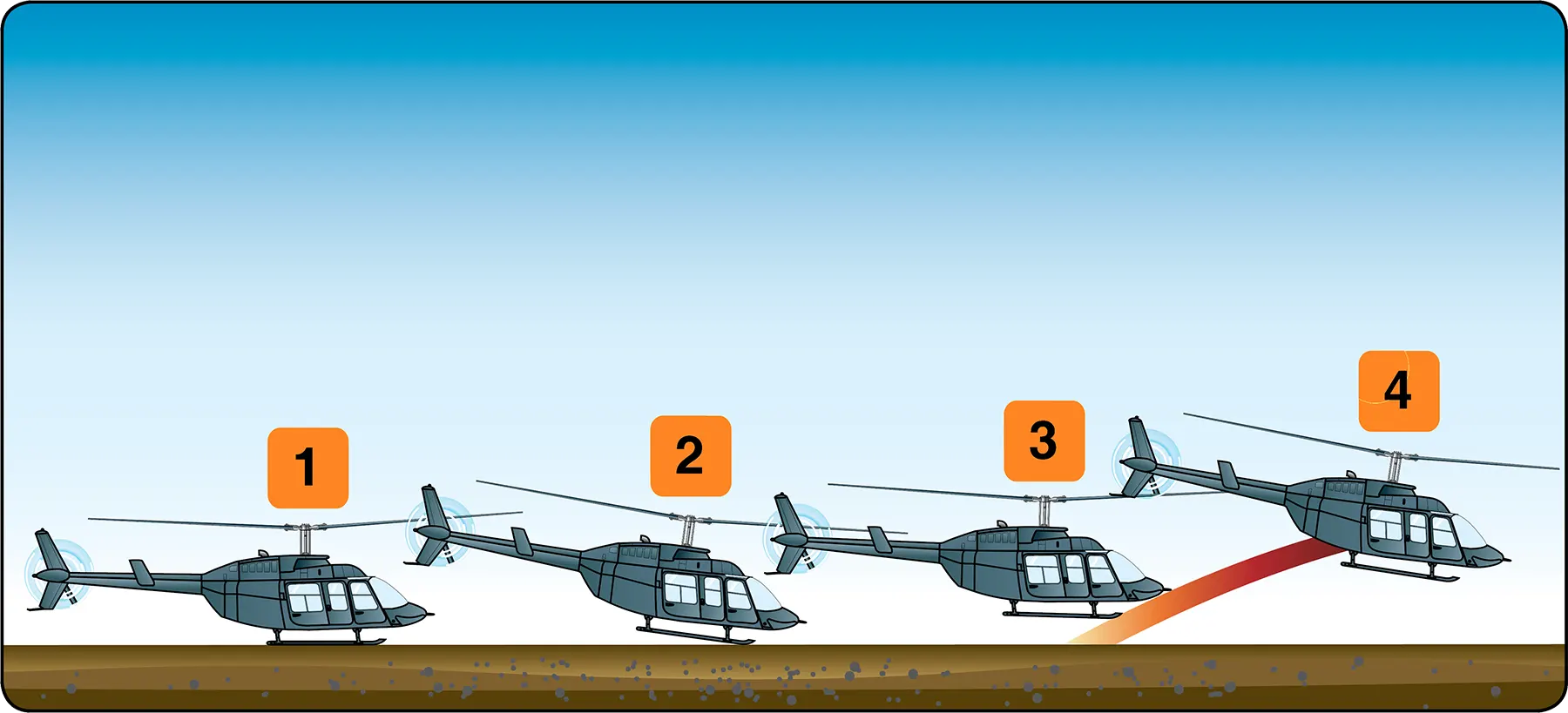
A running takeoff in helicopter with fixed landing gear, such as skids, skis or floats, or a rolling takeoff in a wheeled helicopter is sometimes used when conditions of load and/or density altitude prevent a sustained hover at normal hovering altitude. For wheeled helicopters, a rolling takeoff is sometimes used to minimize the downwash created … Read more