Helicopter VFR Flight Into IMC

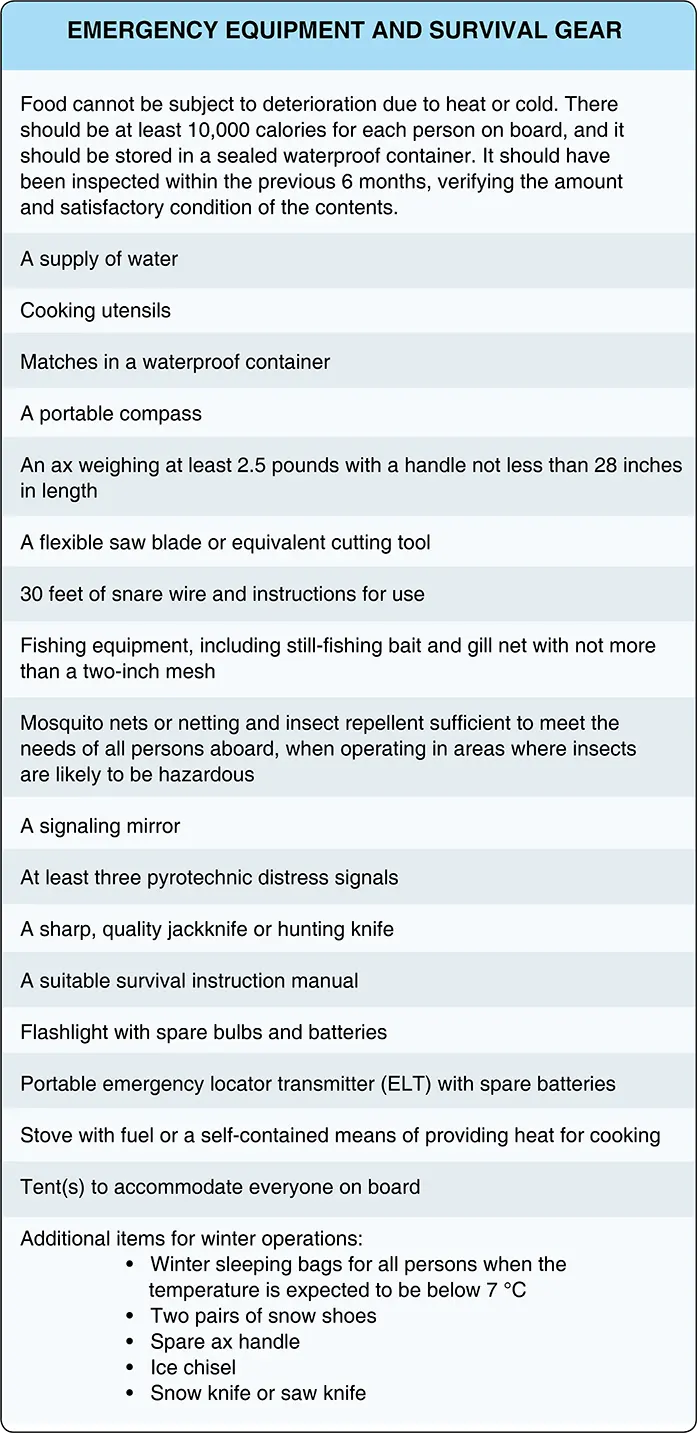
Helicopters, unlike airplanes, generally operate under Visual Flight Rules (VFR) and require pilots to maintain aircraft control by visual cues. However, when unforecast weather leads to degraded visibility, the pilot may be at increased risk of Inadvertent flight into Instrument Meteorological Conditions (IIMC). During an IIMC encounter, the pilot may be unprepared for the loss … Read more
Helicopter System Malfunctions

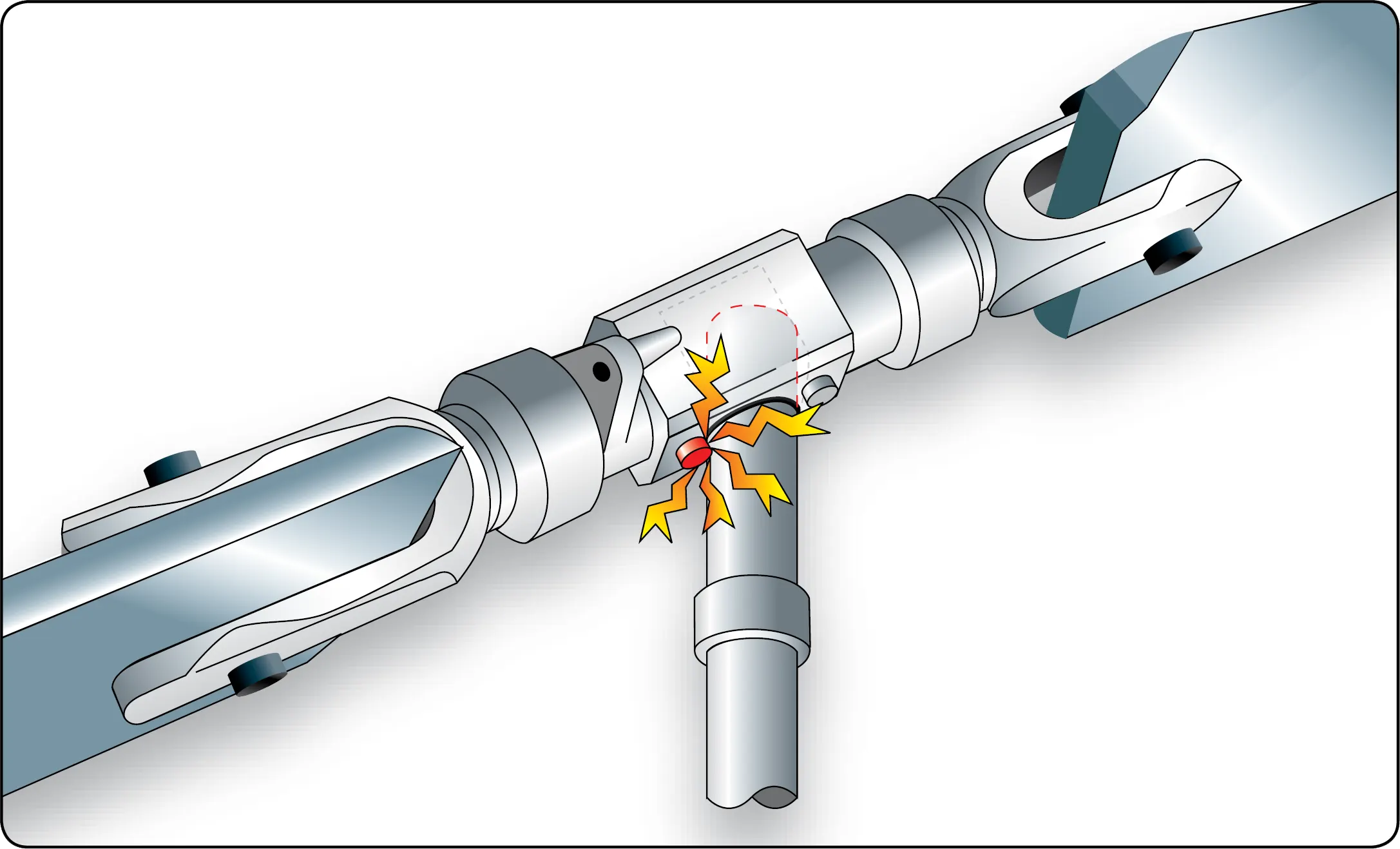
By following the manufacturer’s recommendations regarding operating limits and procedures and periodic maintenance and inspections, many system and equipment failures can be eliminated. Certain malfunctions or failures can be traced to some error on the part of the pilot; therefore, appropriate flying techniques and use of threat and error management may help to prevent an … Read more

Helicopter Low Rotor RPM and Rotor Stall

Rotor rpm is a critically important parameter for all helicopter operations. Just as airplanes will not fly below a certain airspeed, helicopters will not fly below a certain rotor rpm. Safe rotor rpm ranges are marked on the helicopter’s tachometer and specified in the RFM. If the pilot allows the rotor rpm to fall below … Read more

Helicopter Dynamic Rollover

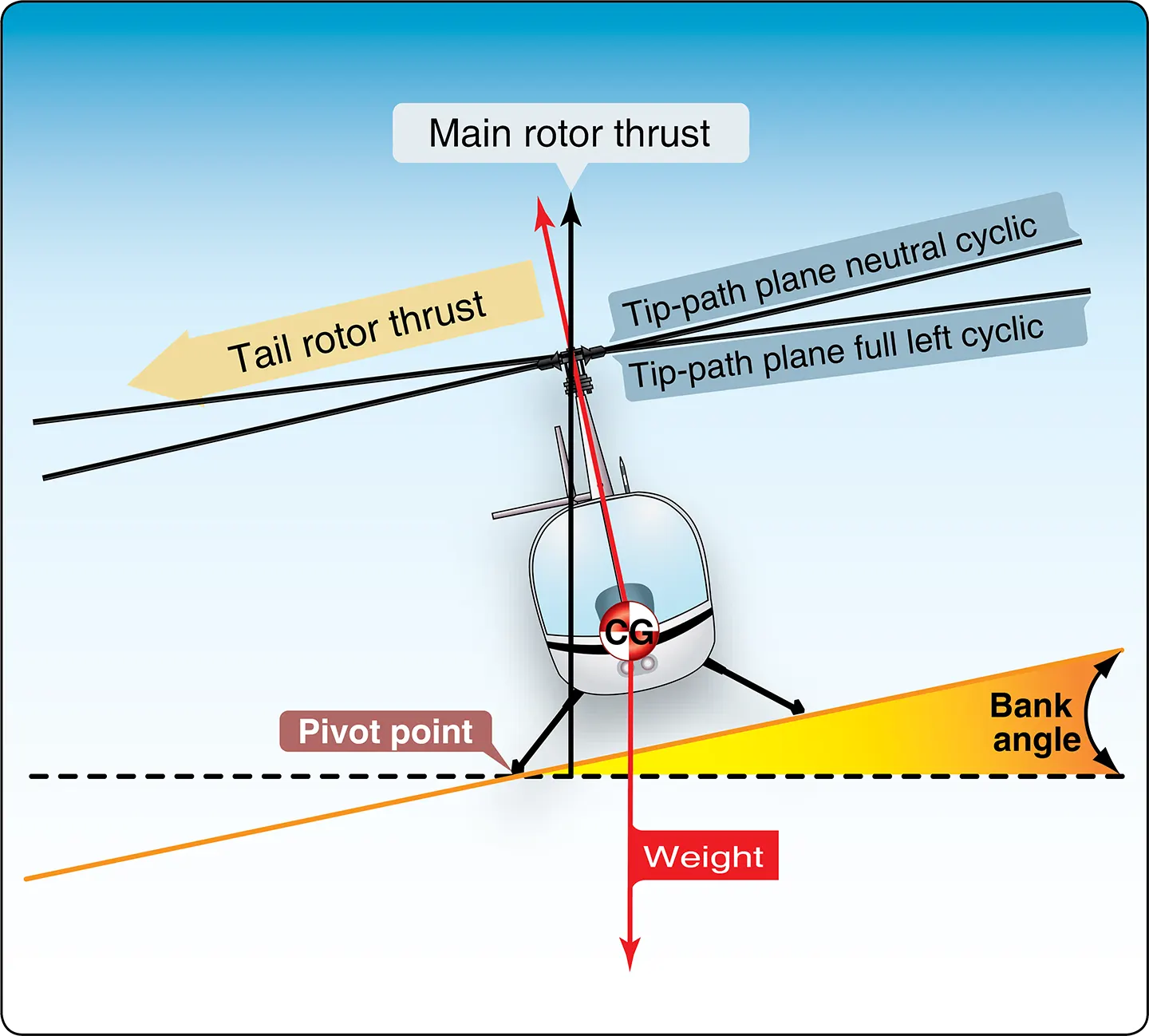
A helicopter is susceptible to a lateral rolling tendency, called dynamic rollover, when it is in contact with the surface during takeoffs or landings. For dynamic rollover to occur, some factor must first cause the helicopter to roll or pivot around a skid or landing gear wheel, until its critical rollover angle is reached. The … Read more

Helicopter Vortex Ring State

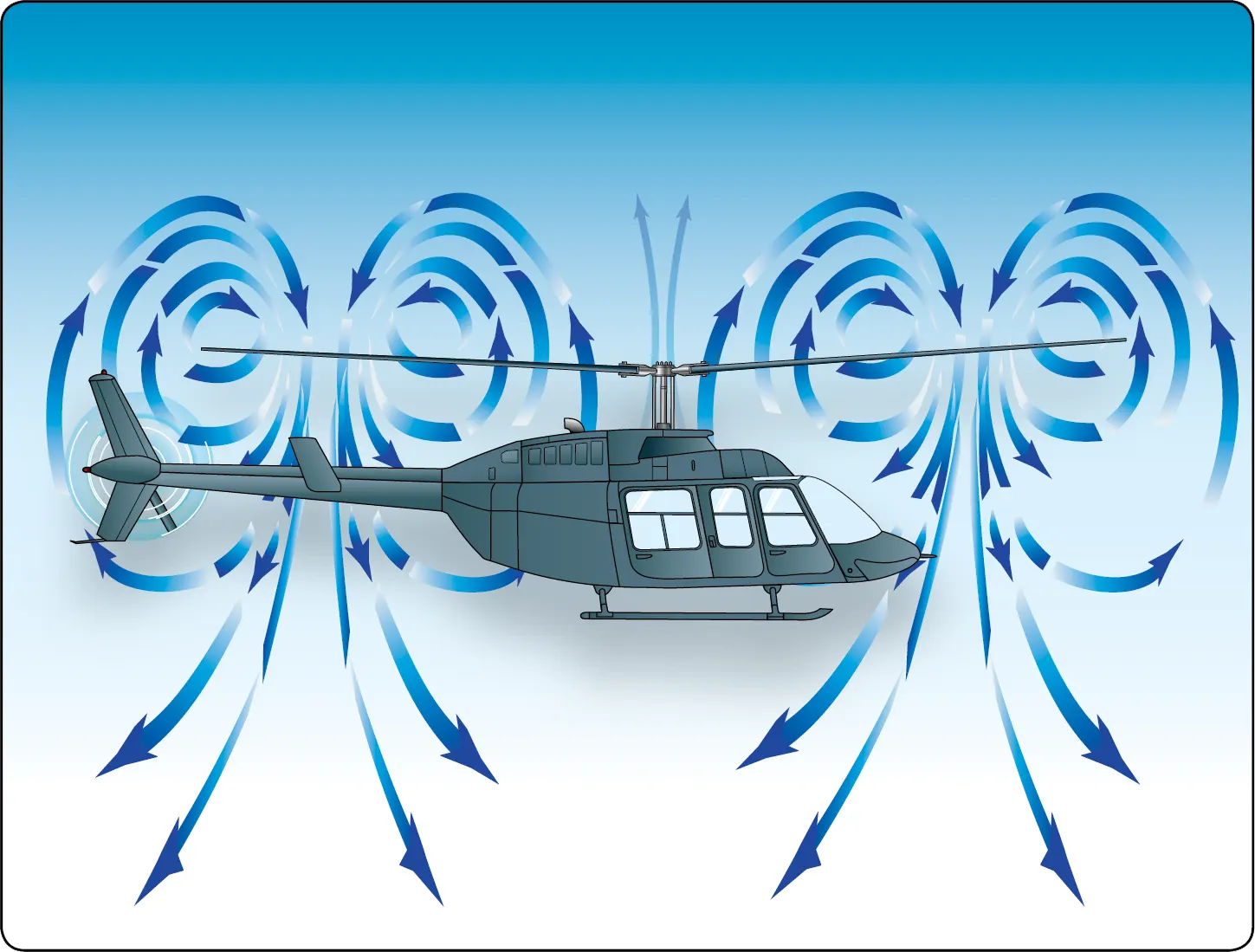
Vortex ring state (formerly referenced as settling-with-power) describes an aerodynamic condition in which a helicopter may be in a vertical descent with 20 percent up to maximum power applied, and little or no climb performance. The previously used term settling-with-power came from the fact that the helicopter keeps settling even though full engine power is … Read more

Helicopter Emergencies and Hazards

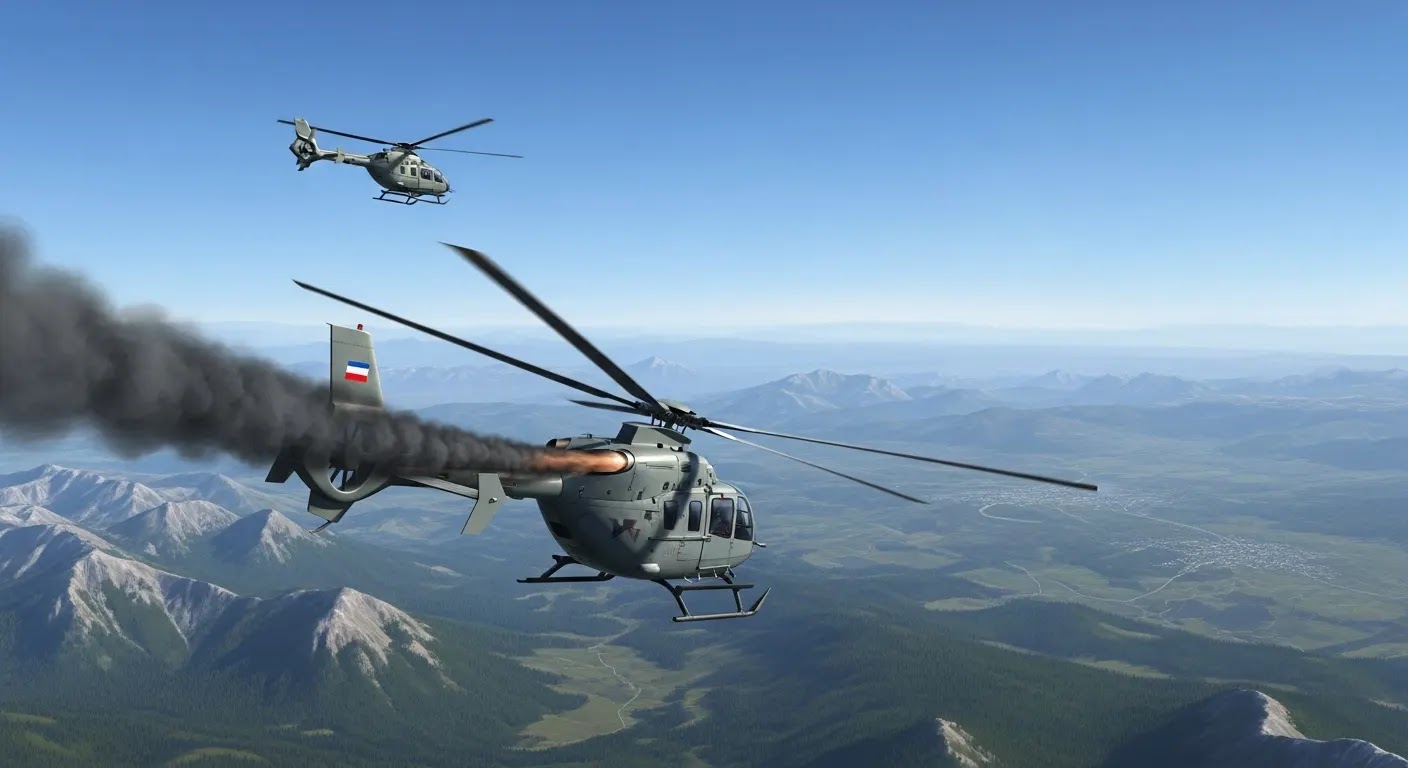
Modern helicopters are highly reliable, but emergencies and hazardous flight conditions can still occur. Mechanical failures, pilot error, adverse weather, and improper control inputs can quickly place the helicopter in a dangerous situation. When an emergency develops, the pilot must react immediately and apply the correct recovery procedure. A thorough understanding of the helicopter, its … Read more

Helicopter Emergency Equipment and Survival Gear

Both Canada and Alaska require pilots to carry survival gear. Always carry survival gear when flying over rugged and desolate terrain. The items suggested in Figure are both weather and terrain dependent. The pilot also needs to consider how much storage space the helicopter has and how the equipment being carried affects the overall weight … Read more

Helicopter Lost Procedures

Pilots become lost while flying for a variety of reasons, such as disorientation, flying over unfamiliar territory, or visibility that is low enough to render familiar terrain unfamiliar. When a pilot becomes lost, the first order of business is to fly the aircraft; the second is to implement lost procedures. Keep in mind that the … Read more

Helicopter Multiengine Emergency Operations

Single-Engine Failure When one engine has failed, the helicopter can often maintain altitude and airspeed until a suitable landing site can be selected. Whether or not this is possible becomes a function of such combined variables as aircraft weight, density altitude, height above ground, airspeed, phase of flight, single-engine capability, and environmental response time and … Read more