2

Visual Deficiencies in Helicopter Night Flight

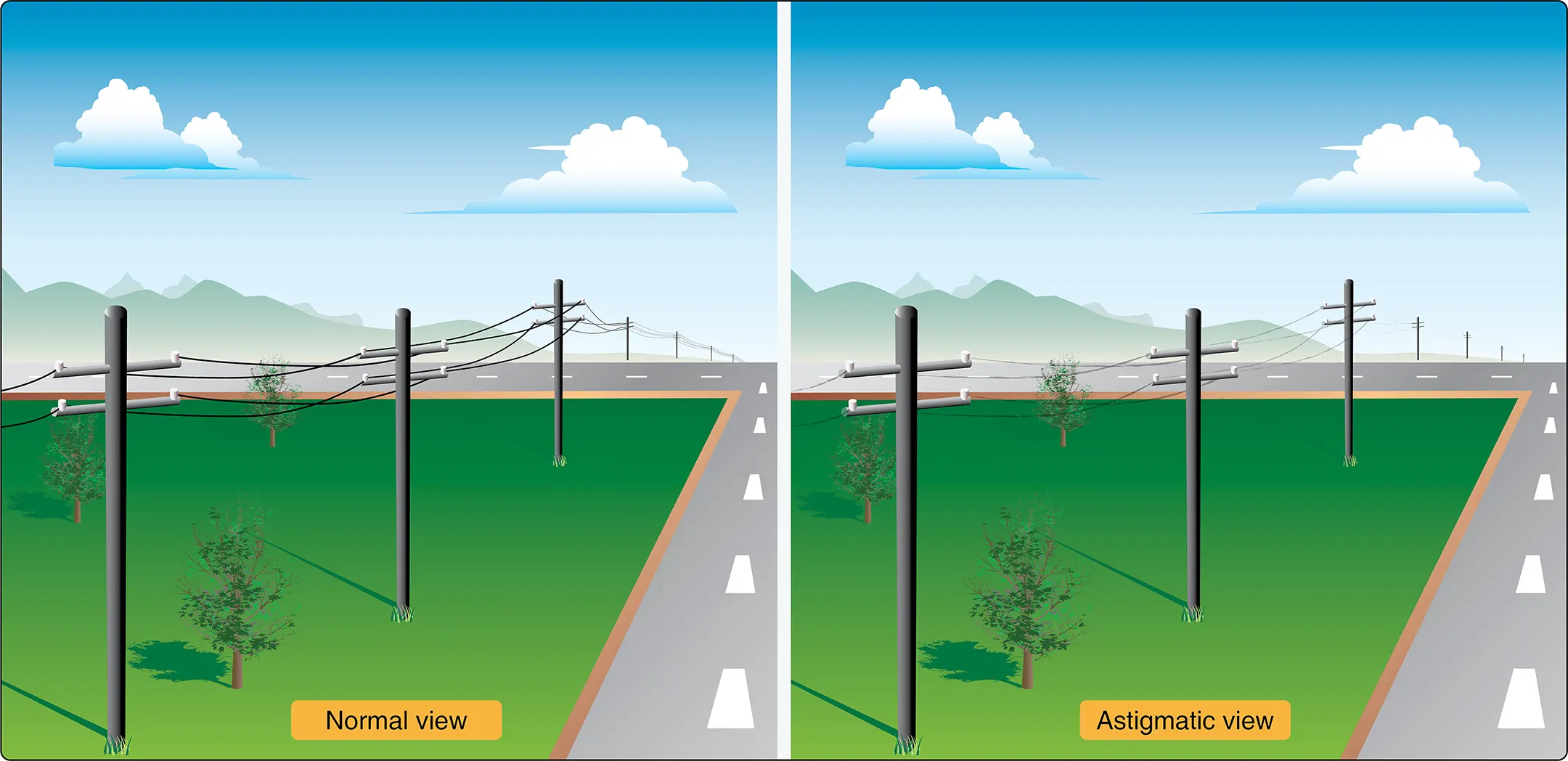
Night Myopia At night, blue wavelengths of light prevail in the visible portion of the spectrum. Therefore, slightly nearsighted (myopic) individuals viewing blue-green light at night may experience blurred vision. Even pilots with perfect vision find that image sharpness decreases as pupil diameter increases. For individuals with mild refractive errors, these factors combine to make … Read more
VFR Flight into Instrument Meteorological Conditions

Helicopter VFR Flight Into IMC

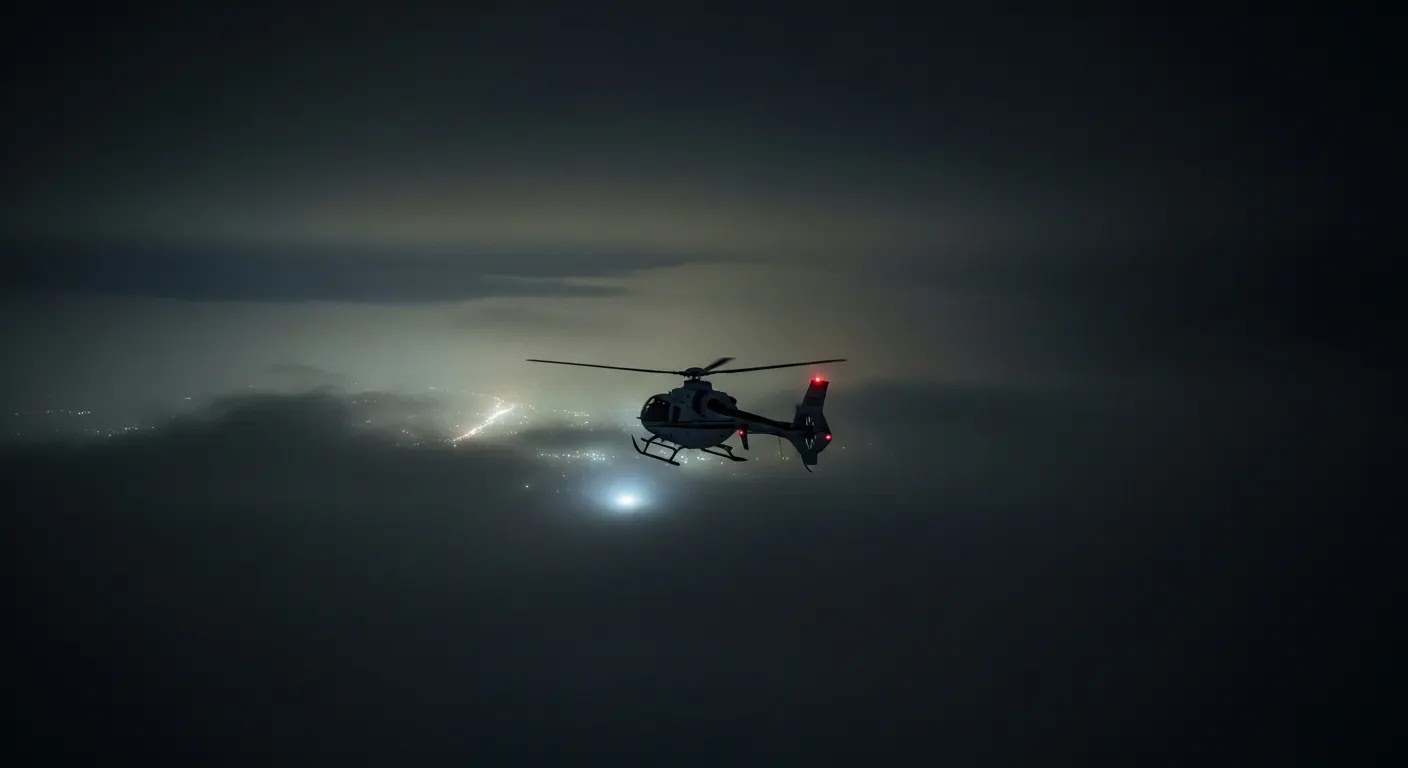
Helicopters, unlike airplanes, generally operate under Visual Flight Rules (VFR) and require pilots to maintain aircraft control by visual cues. However, when unforecast weather leads to degraded visibility, the pilot may be at increased risk of Inadvertent flight into Instrument Meteorological Conditions (IIMC). During an IIMC encounter, the pilot may be unprepared for the loss … Read more

9

Helicopter System Malfunctions

By following the manufacturer’s recommendations regarding operating limits and procedures and periodic maintenance and inspections, many system and equipment failures can be eliminated. Certain malfunctions or failures can be traced to some error on the part of the pilot; therefore, appropriate flying techniques and use of threat and error management may help to prevent an … Read more

Low Rotor RPM and Rotor Stall

Helicopter Low Rotor RPM and Rotor Stall

Rotor rpm is a critically important parameter for all helicopter operations. Just as airplanes will not fly below a certain airspeed, helicopters will not fly below a certain rotor rpm. Safe rotor rpm ranges are marked on the helicopter’s tachometer and specified in the RFM. If the pilot allows the rotor rpm to fall below … Read more

5

Helicopter Dynamic Rollover

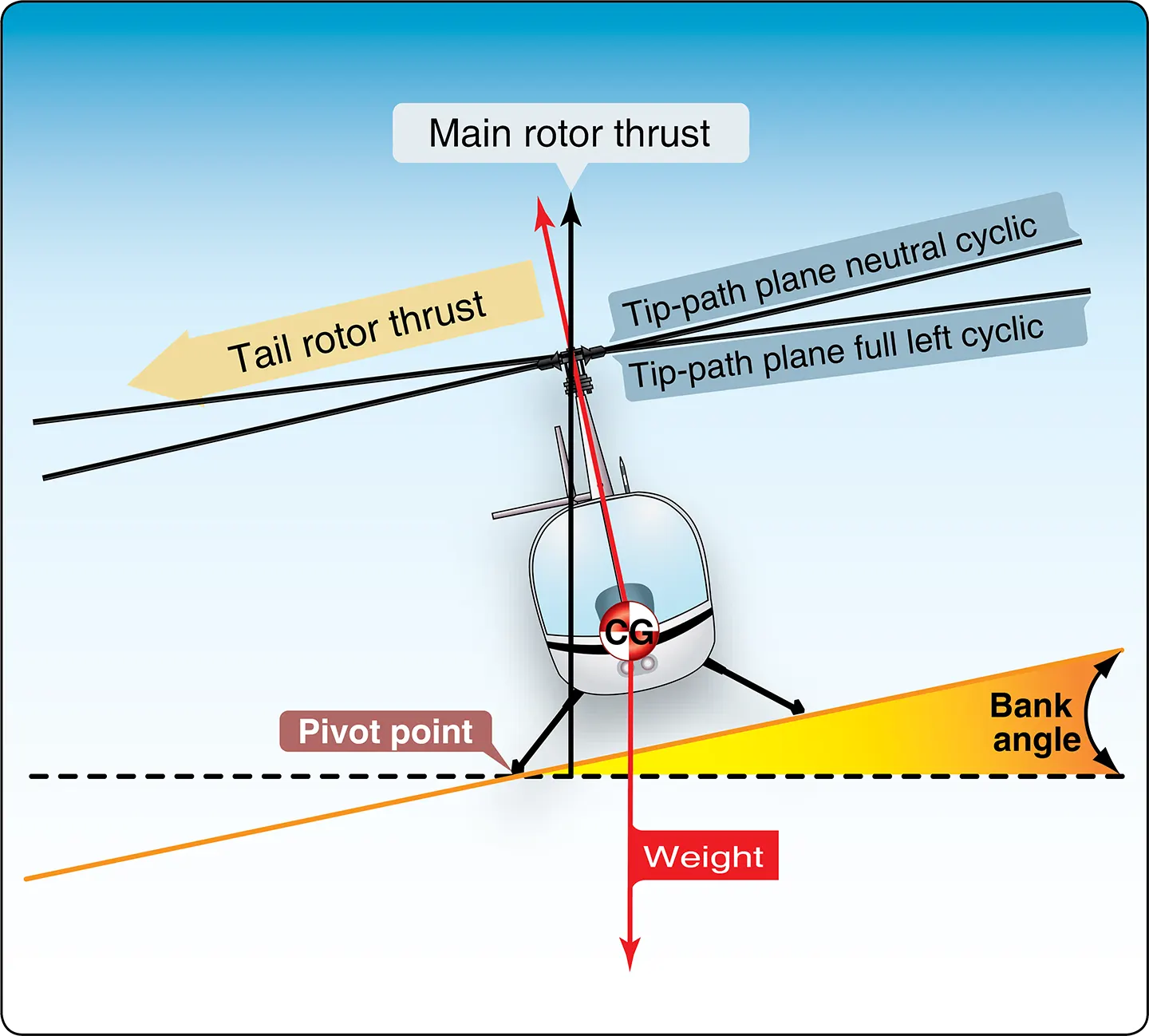
A helicopter is susceptible to a lateral rolling tendency, called dynamic rollover, when it is in contact with the surface during takeoffs or landings. For dynamic rollover to occur, some factor must first cause the helicopter to roll or pivot around a skid or landing gear wheel, until its critical rollover angle is reached. The … Read more

3

Helicopter Vortex Ring State

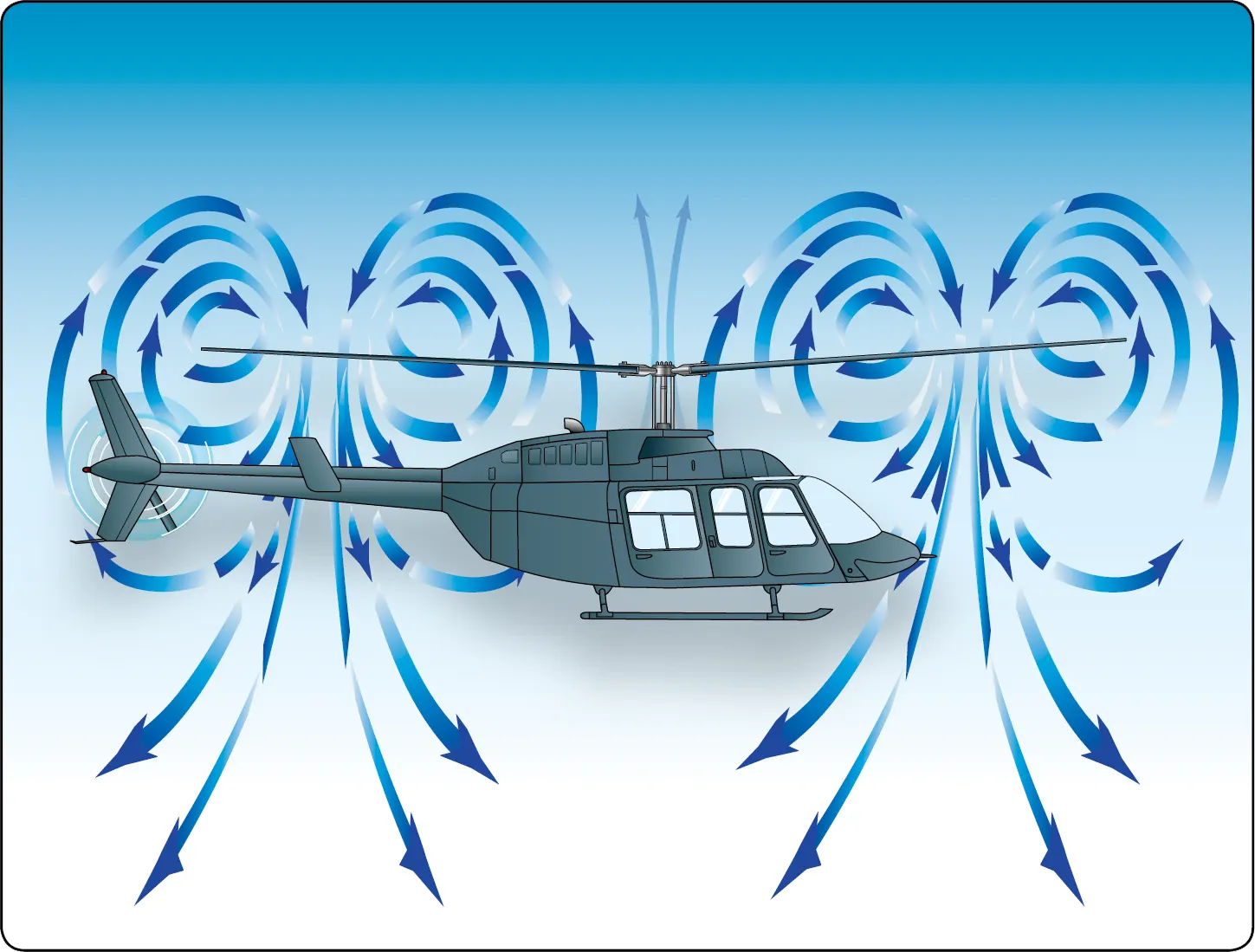
Vortex ring state (formerly referenced as settling-with-power) describes an aerodynamic condition in which a helicopter may be in a vertical descent with 20 percent up to maximum power applied, and little or no climb performance. The previously used term settling-with-power came from the fact that the helicopter keeps settling even though full engine power is … Read more

6 scaled

Helicopter Slope Operations

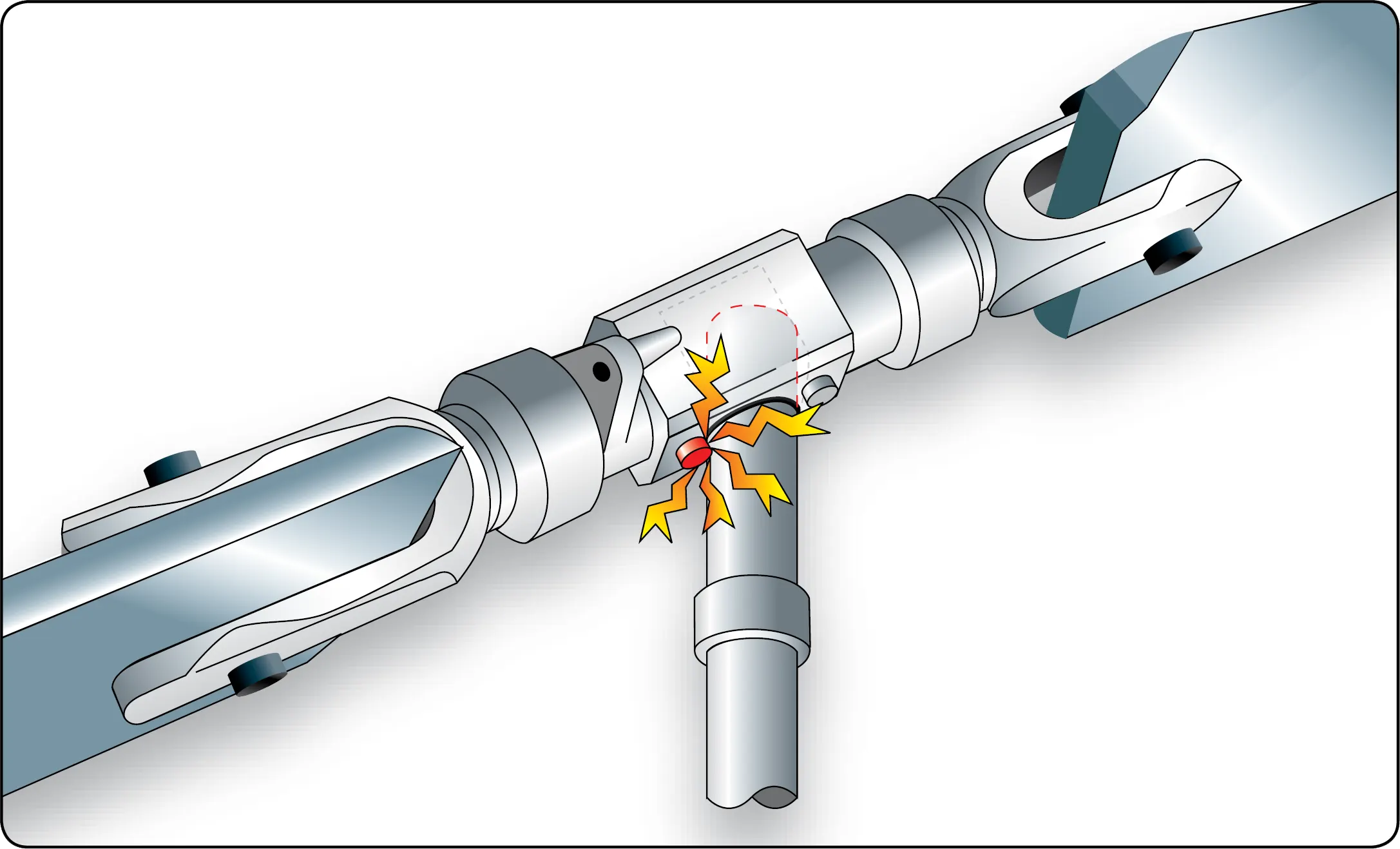
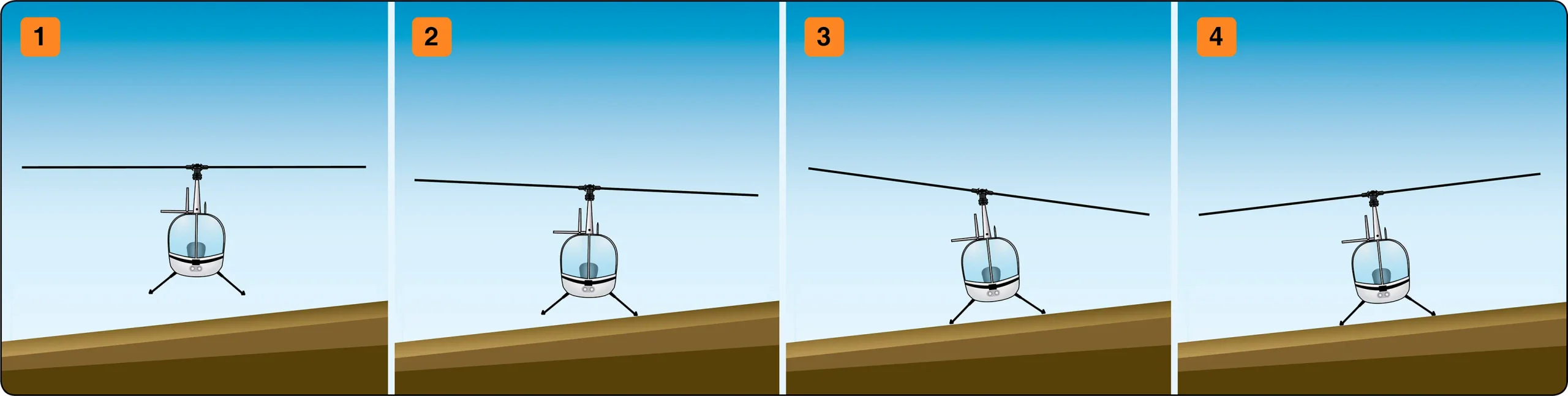
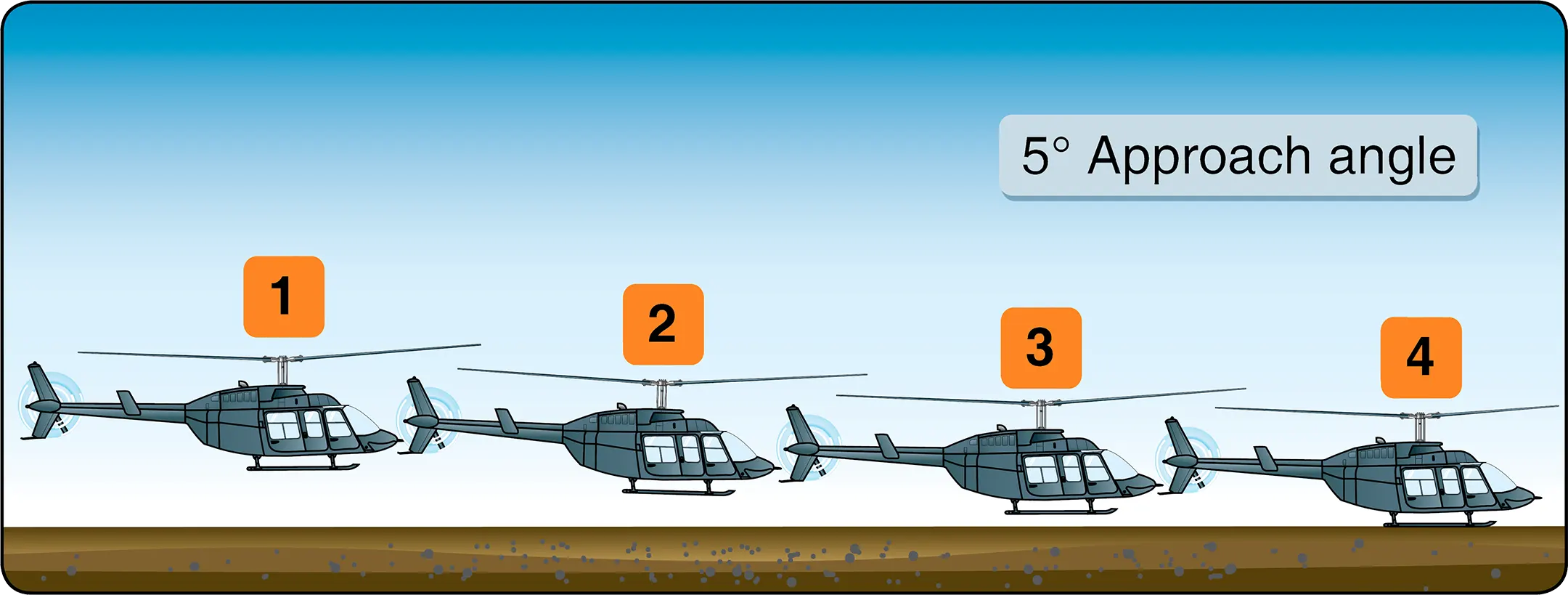
Prior to conducting any slope operations, be thoroughly familiar with the characteristics of dynamic rollover and mast bumping, which are discussed in Helicopter Emergencies and Hazards section. The approach to a slope is similar to the approach to any other landing area. During slope operations, make allowances for wind, barriers, and forced landing sites in … Read more

1

Helicopter Maximum Performance Takeoff

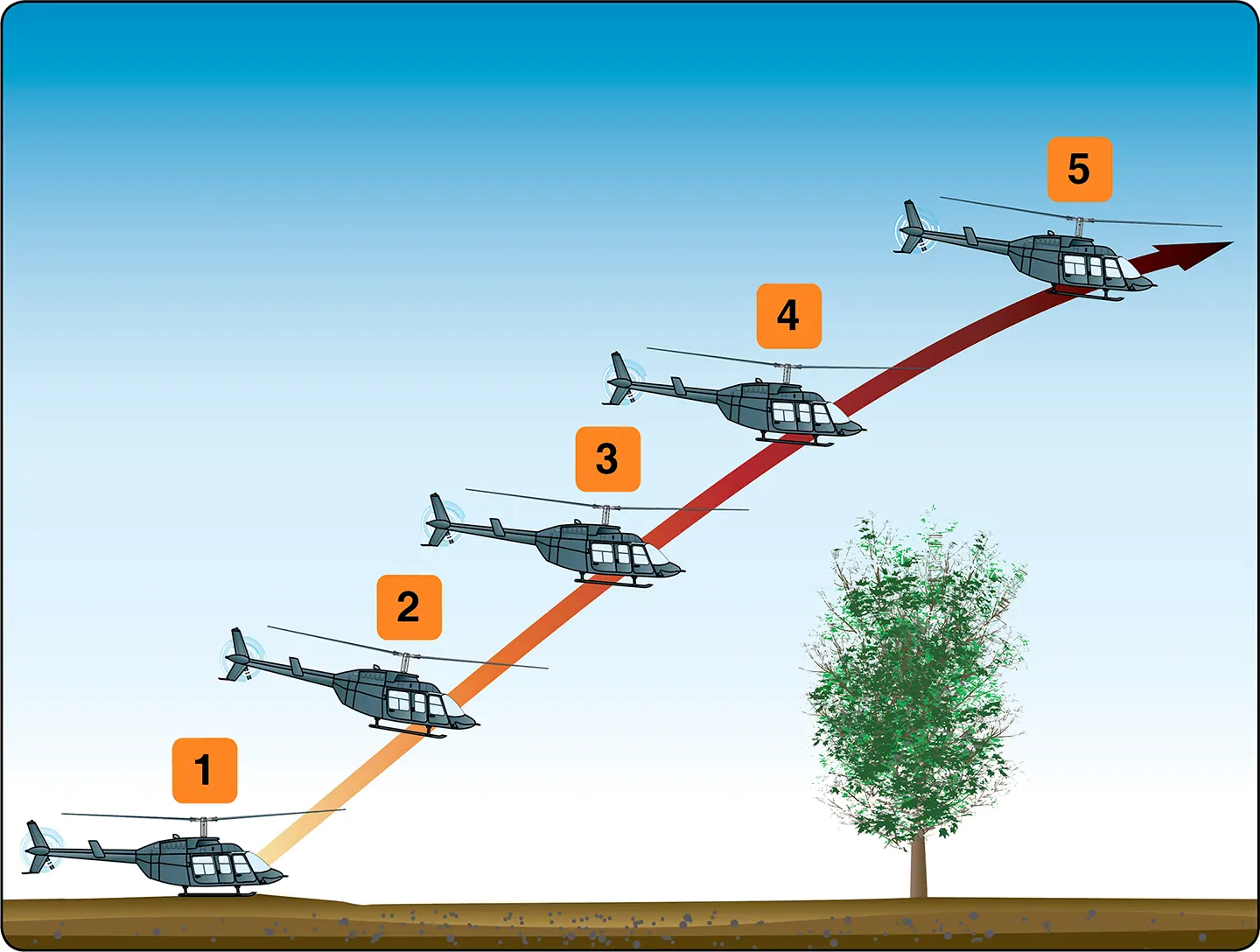
A maximum performance takeoff is used to climb at a steep angle to clear barriers in the flightpath. It can be used when taking off from small areas surrounded by high obstacles. Allow for a vertical takeoff, although not preferred, if obstruction clearance could be in doubt. Before attempting a maximum performance takeoff, know thoroughly … Read more