Vision and Visual Scanning in Helicopter Flight

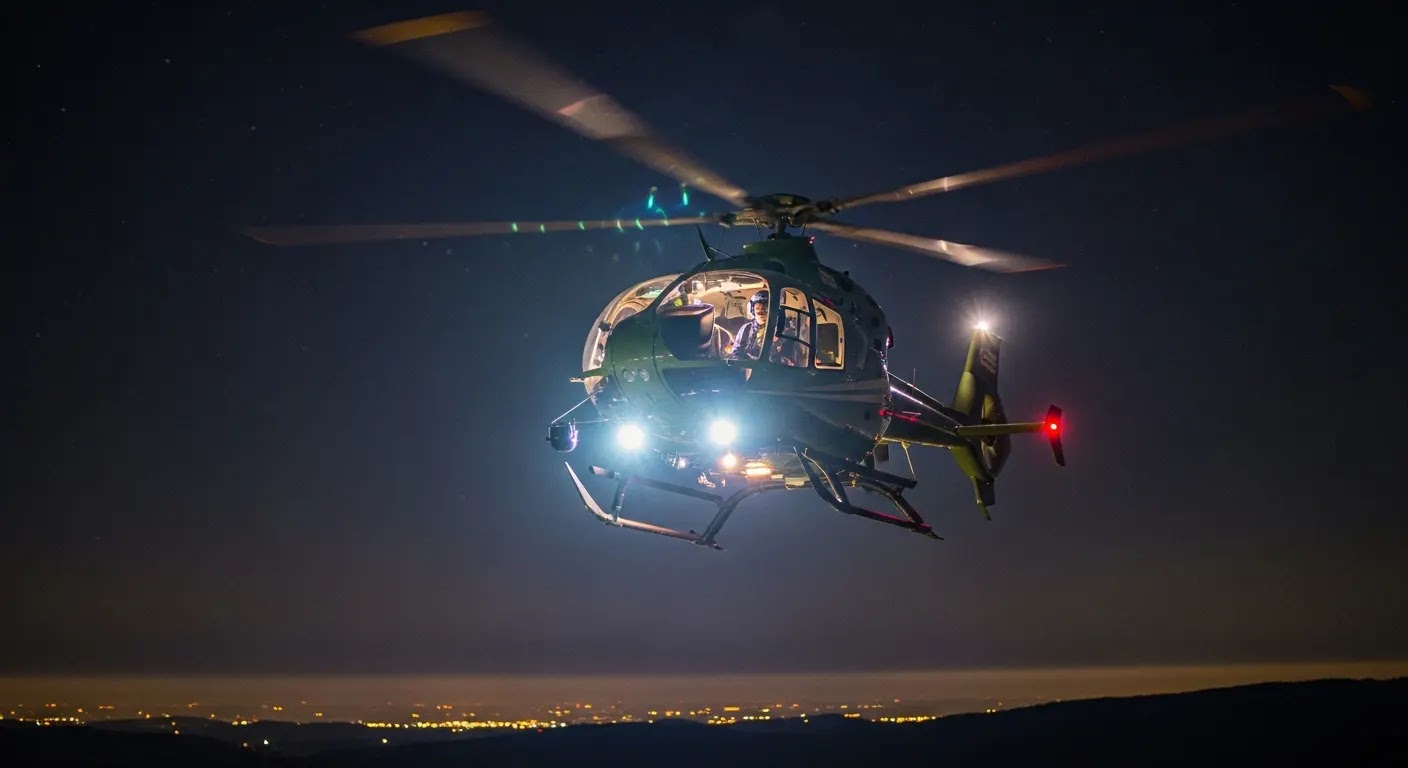
Diet and general physical health have an impact on how well a person can see in the dark. Deficiencies in vitamins A and C have been shown to reduce night acuity. Other factors, such as carbon monoxide poisoning, smoking, alcohol, and certain drugs can greatly decrease night vision. Lack of oxygen can also decrease night … Read more
Helicopter Night Flight Operations

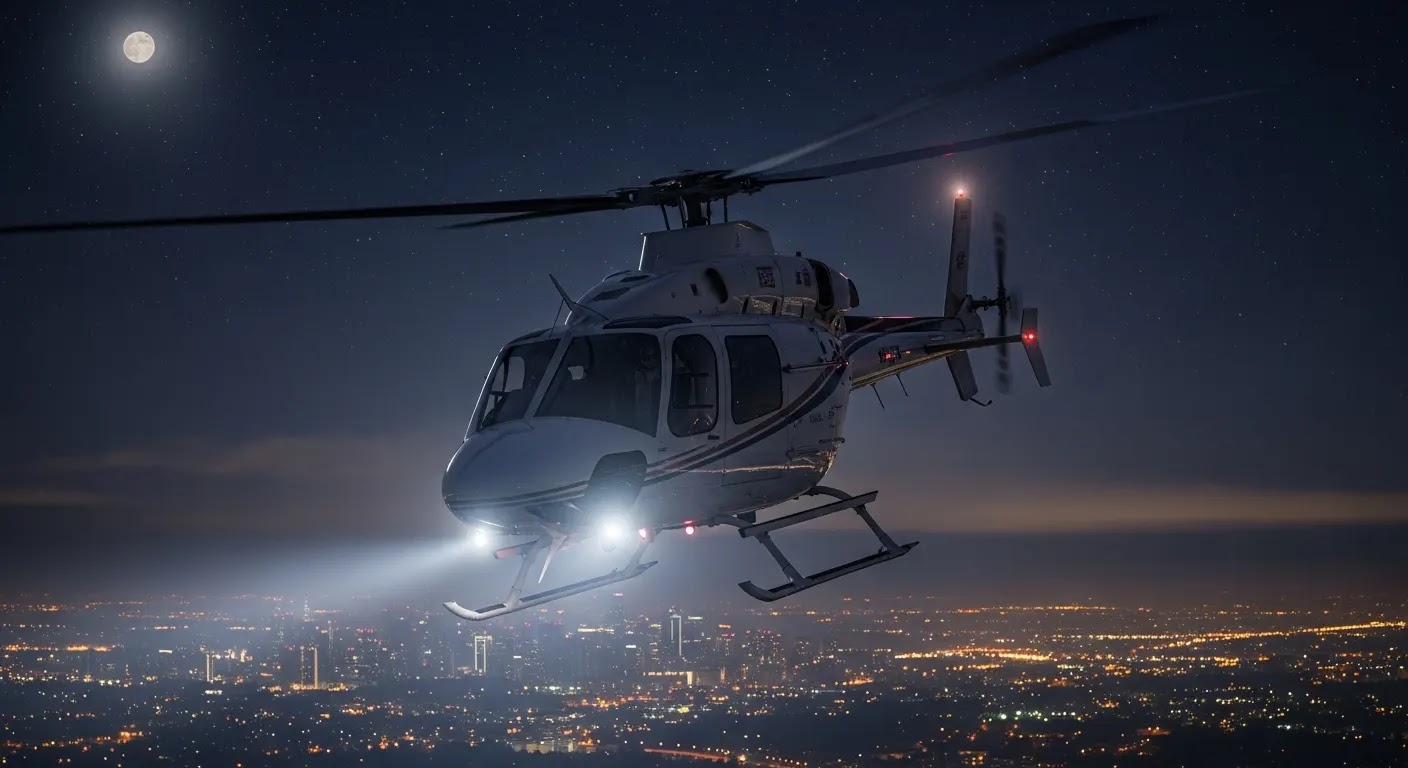
The night flying environment and the techniques used when flying at night depend on outside conditions. Flying on a bright, clear, moonlit evening when the visibility is good, and the wind is calm is not much different from flying during the day. However, if flying on an overcast night over a sparsely populated area, with … Read more

Vision During Helicopter Night Flight

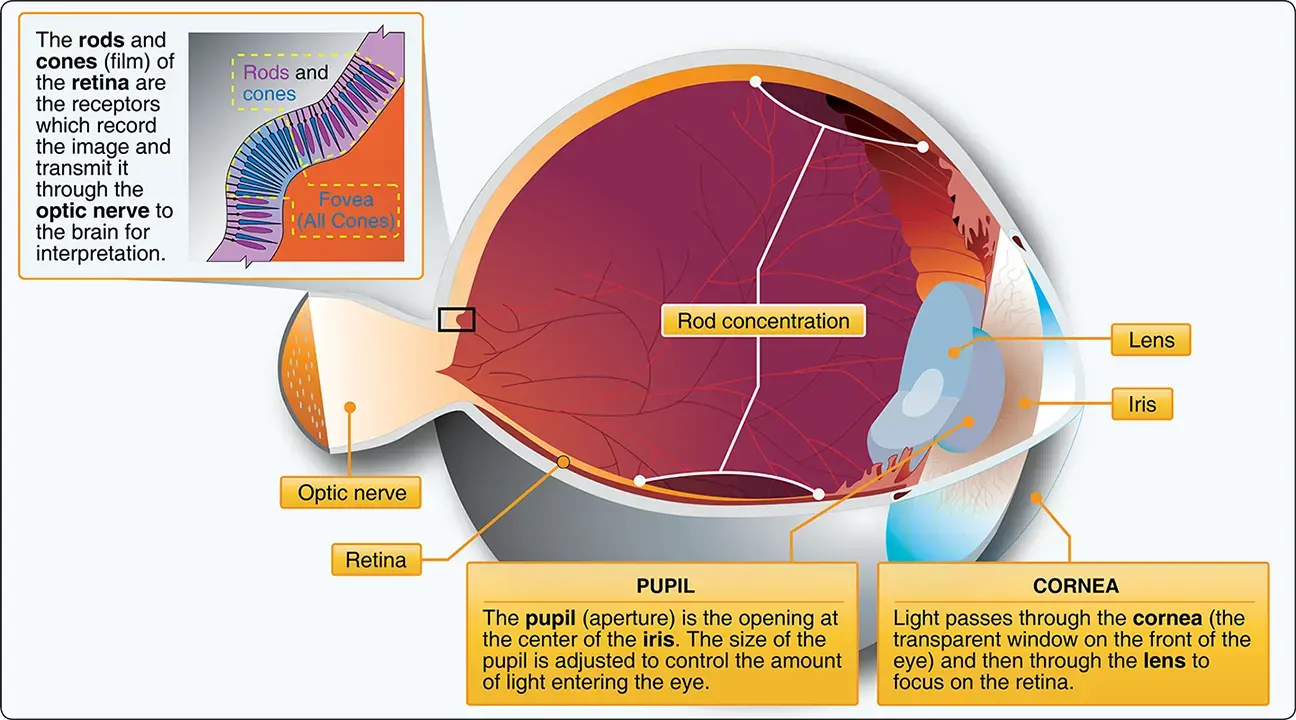
The visual sense is especially important in collision avoidance and depth perception. Due to the structure of the human eye, illusions and blindspots occur. The more pilots understand the eye and how it functions, the easier it is to compensate for these illusions and blindspots. Figure 1 shows the basic anatomy of the human eye … Read more

Visual Deficiencies in Helicopter Night Flight

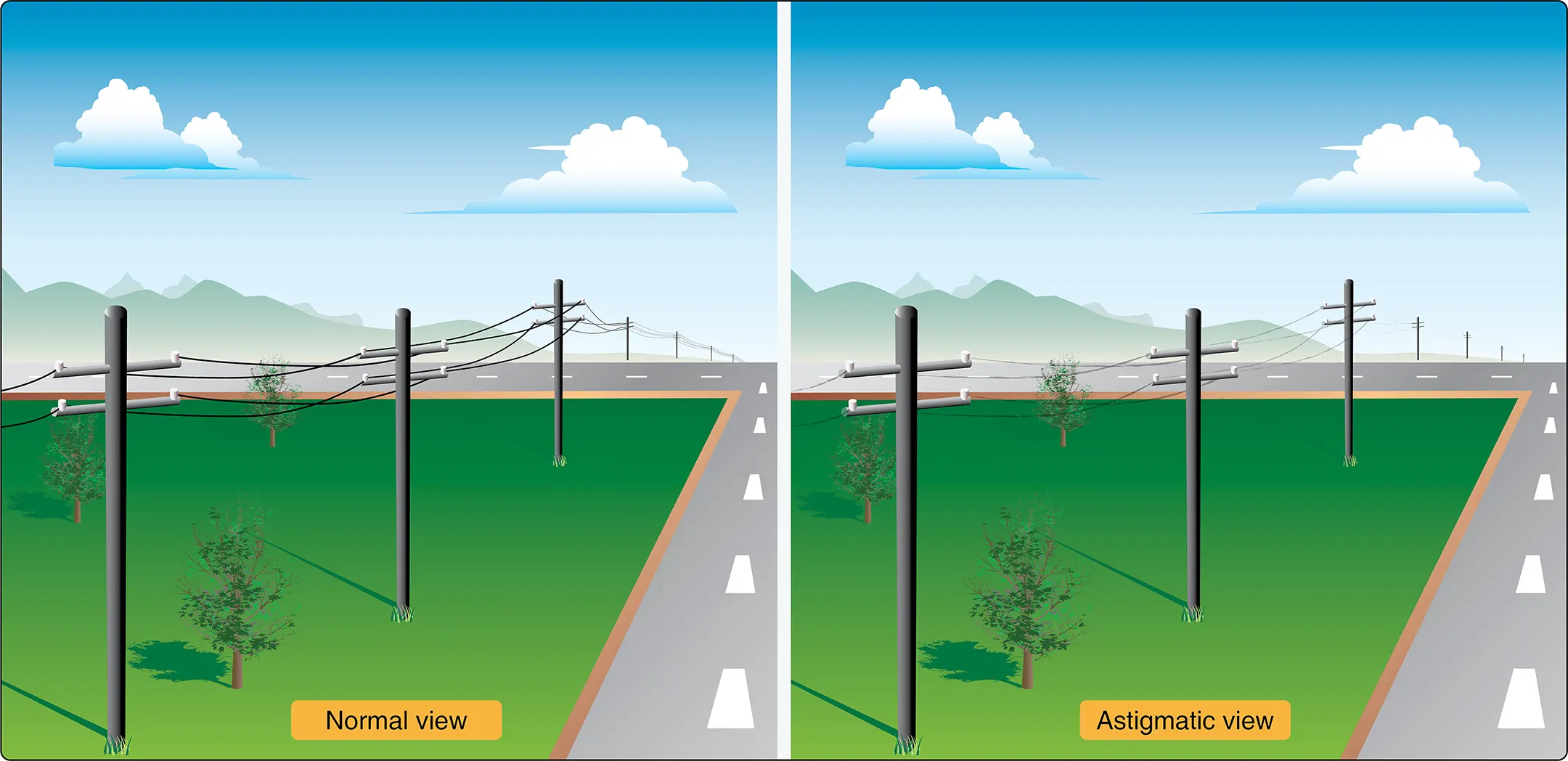
Night Myopia At night, blue wavelengths of light prevail in the visible portion of the spectrum. Therefore, slightly nearsighted (myopic) individuals viewing blue-green light at night may experience blurred vision. Even pilots with perfect vision find that image sharpness decreases as pupil diameter increases. For individuals with mild refractive errors, these factors combine to make … Read more

Helicopter Night Operations

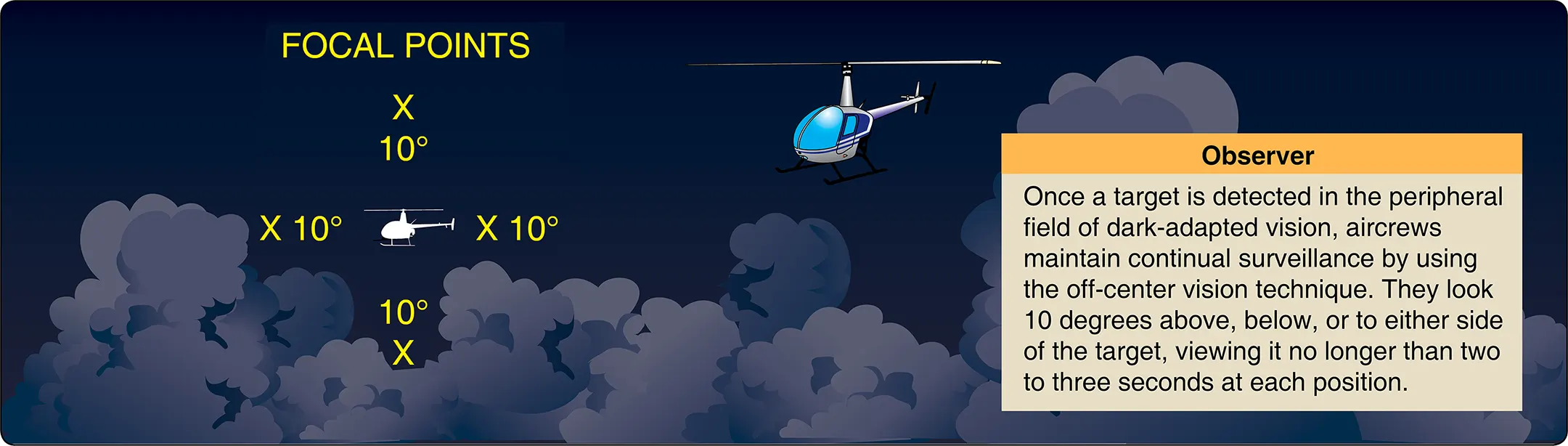
Pilots rely more on vision than on any other sense to orient themselves in flight. Good depth perception, visual acuity, and color vision are essential for identifying terrain, obstacles, and other aircraft. During night operations, however, these visual abilities are reduced, making flight more demanding and increasing the risk of disorientation. Visual cues that are … Read more

Helicopter Night VFR Operations

While ceiling and visibility significantly affect safety in night VFR operations, lighting conditions also have a profound effect on safety. Even in conditions in which visibility and ceiling are determined to be visual meteorological conditions, the ability to discern unlit or low contrast objects and terrain at night may be compromised. The ability to discern … Read more