Multiengine Airplane Weight and Balance

The weight and balance concept is no different than that of a single-engine airplane. The actual execution, however, is almost invariably more complex due to a number of new loading areas, including nose and aft baggage compartments, nacelle lockers, main fuel tanks, auxiliary fuel tanks, nacelle fuel tanks, and numerous seating options in a variety … Read more
2

Multiengine Airplane Systems and Operation

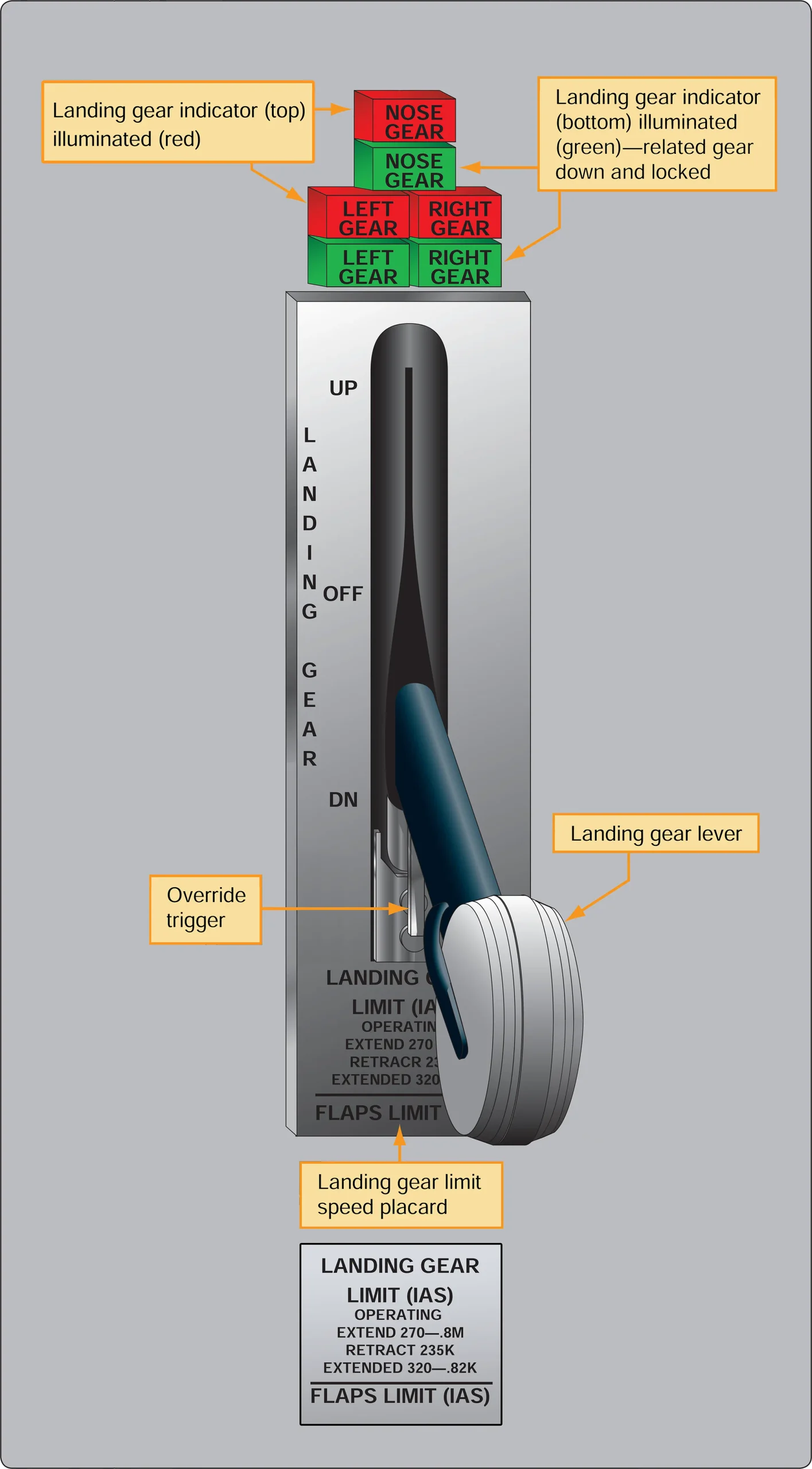
This post deals with systems and equipment that are generally installed in multiengine airplanes. Multiengine airplanes share many features with complex single-engine airplanes. However, there are certain features that are found more often in airplanes with two or more engines. Feathering Propellers Although the propellers of a multiengine airplane may appear identical to a constant-speed … Read more

5A

Multiengine Airplane Performance and Limitations

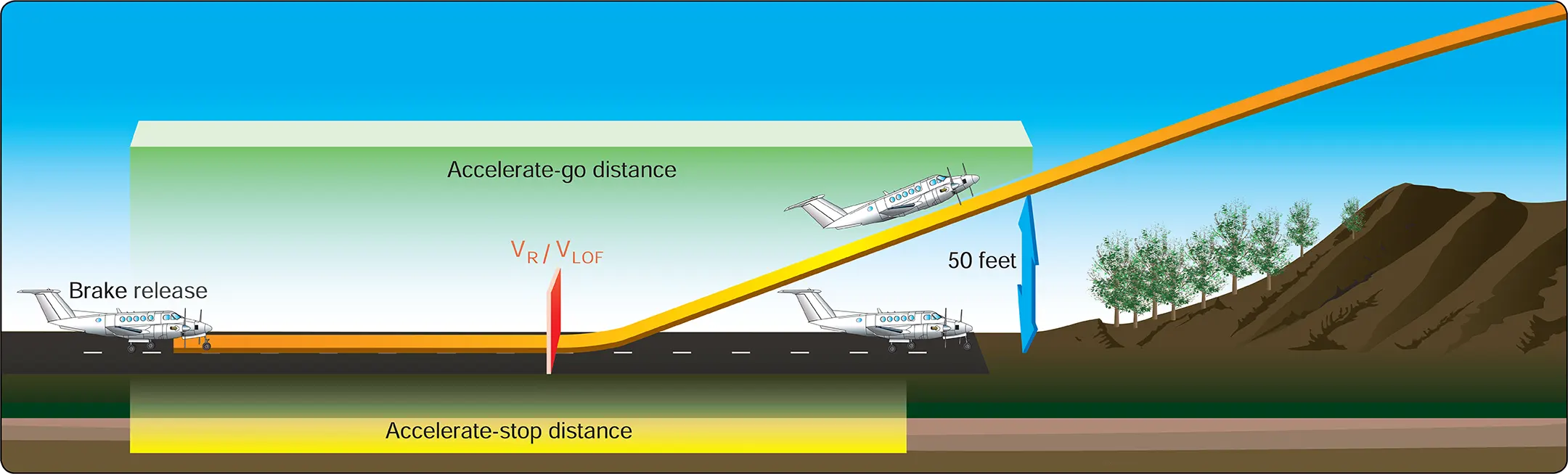
Discussion of performance and limitations requires the definition of the following terms. Accelerate-go distance is the horizontal distance required to continue the takeoff and climb to 50 feet, assuming an engine failure at VR or VLOF, as specified by the manufacturer. [Figure 1A] Climb gradient is a slope most frequently expressed in terms of altitude … Read more

1

Terms and Definitions for Multiengine Airplanes

Pilots of single-engine airplanes are already familiar with many performance “V” speeds and their definitions. Twin-engine airplanes have several additional V-speeds unique to OEI operation. These speeds are differentiated by the notation “SE” for single engine. A review of some key V-speeds and several new V-speeds unique to twin-engine airplanes are listed below. Unless otherwise … Read more

16

Transition Training to Complex Airplanes

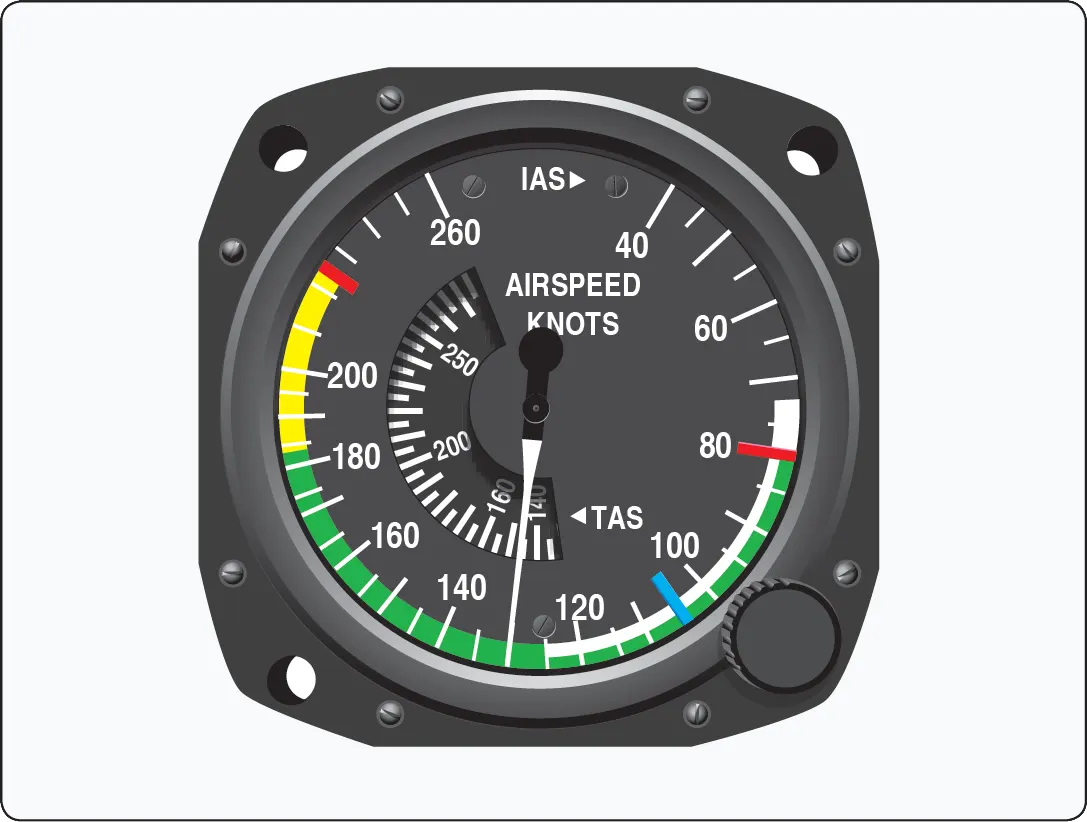
Transition to a complex airplane or a high-performance airplane should be accomplished through a structured course of training administered by a competent and qualified flight instructor. The training should be accomplished in accordance with a ground and flight training syllabus. [Figure] This sample syllabus for transition training is an example. The arrangement of the subject … Read more

6 6

Airplane Controllable-Pitch Propellers

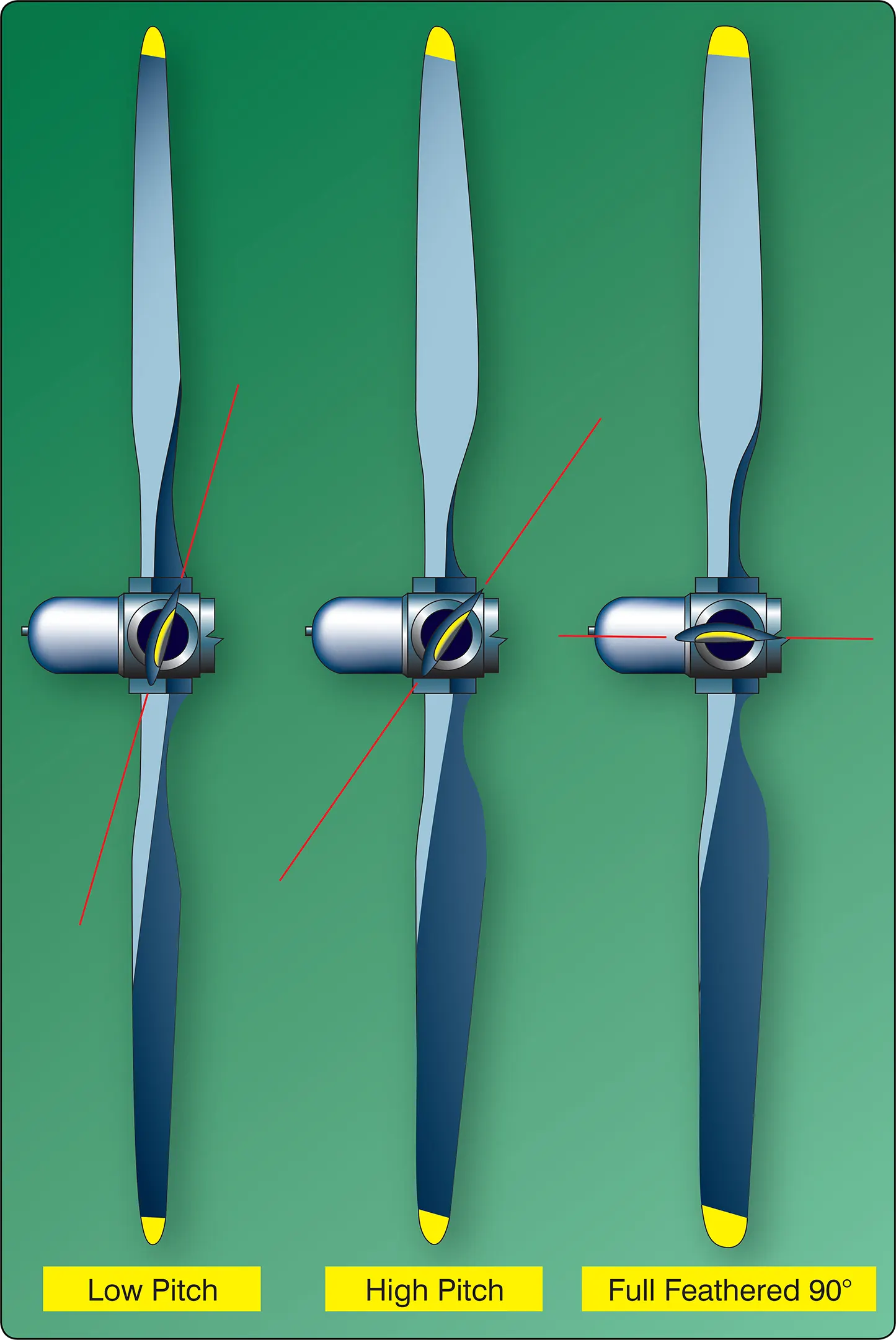
Fixed-pitch propellers are designed for best efficiency at one particular revolutions per minute (rpm) setting and one airspeed. A fixed-pitch propeller provides suitable performance in a narrow range of airspeeds. However, fixed-pitch efficiency suffers considerably when operating outside of this range. To provide improved propeller efficiency through a wide range of operation, the propeller blade … Read more

7 5

Airplane Night Approaches and Landings

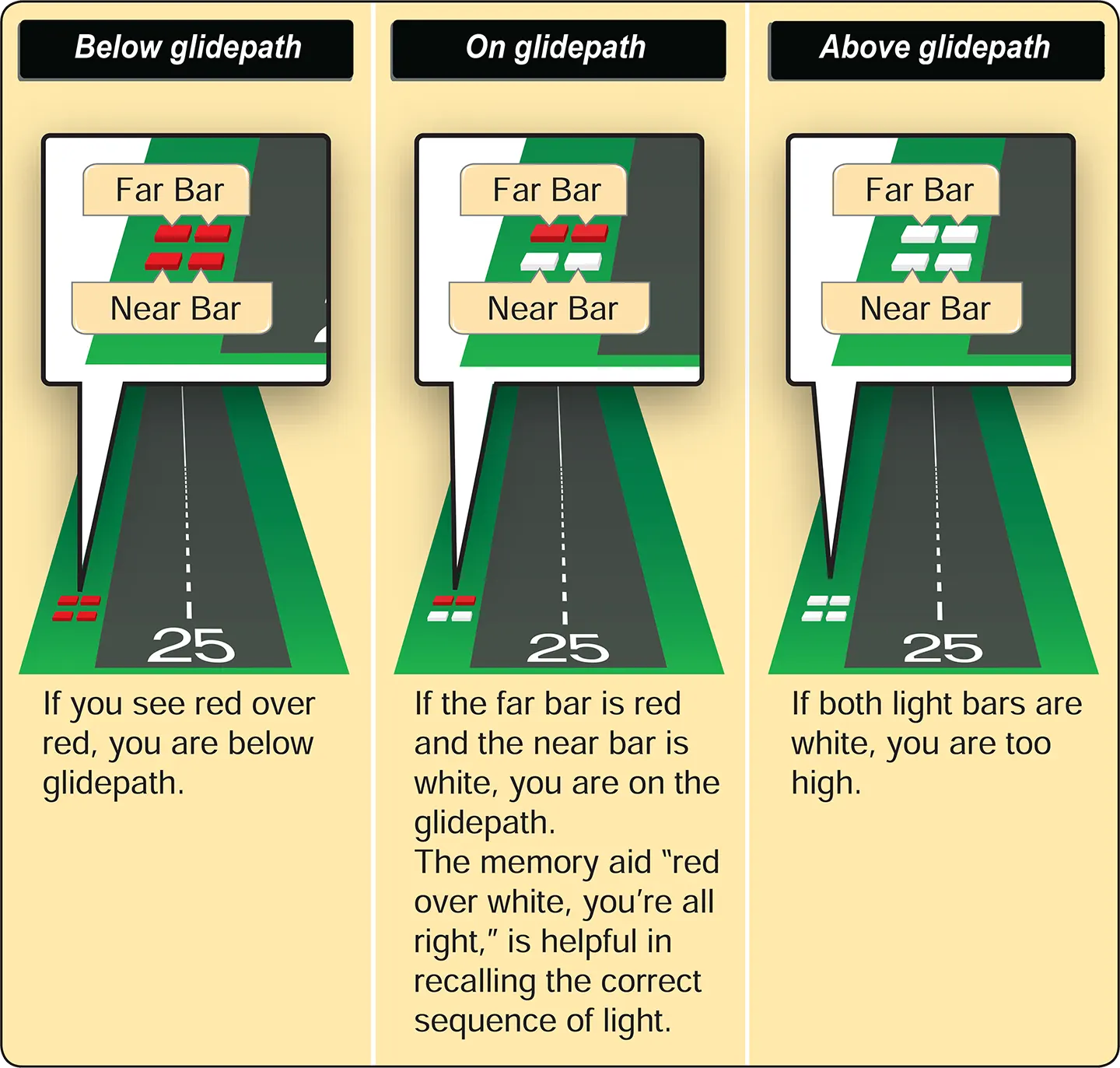
When approaching the airport to enter the traffic pattern and land, it is important that the runway lights and other airport lighting be identified as early as possible. If the airport layout is unfamiliar, sighting of the runway may be difficult until very close-in due to the maze of lights observed in the area. [Figure … Read more