
Instrument Approaches

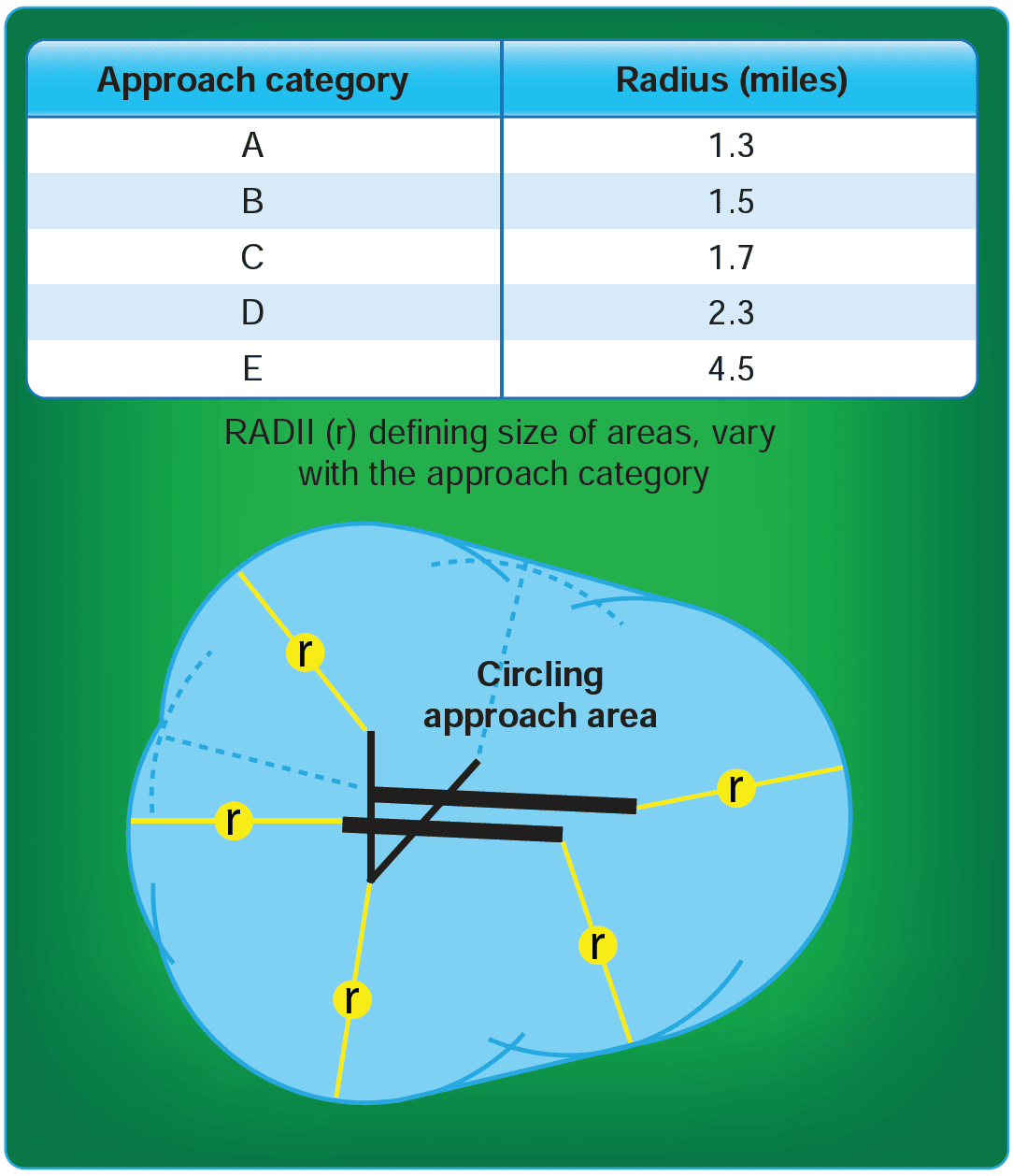
This section discusses general planning and conduct of instrument approaches by pilots operating under Title 14 of the Code of Federal Regulations (14 CFR) Parts 91,121, 125, and 135. The operations specifications (OpSpecs), standard operating procedures (SOPs), and any other FAA- approved documents for each commercial operator are the final authorities for individual authorizations and … Read more
10A

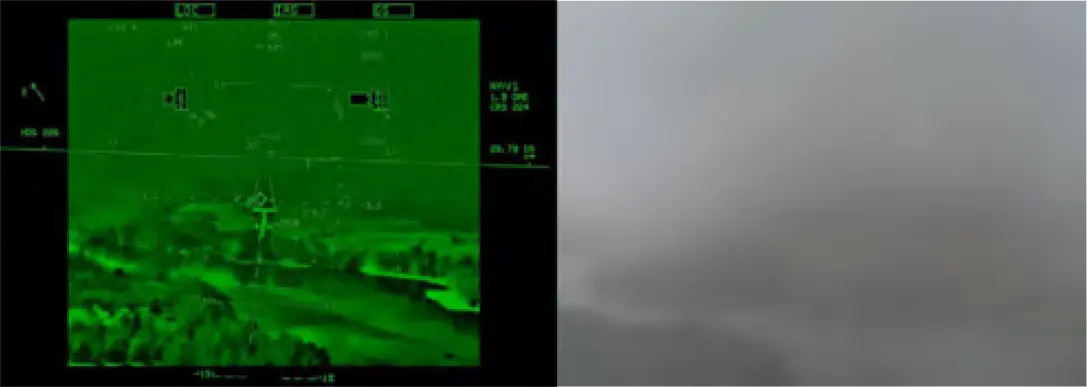
Enhanced Flight Vision Systems and Instrument Approaches

An Enhanced Flight Vision System (EFVS) is an installed aircraft system which uses a head up display (HUD), or an equivalent display that is a head up presentation, to combine aircraft flight information and flight symbology, navigation guidance, and a real-time image of the external scene to the pilot on a single display. [Figure 1] … Read more

Instrument Approach Altitudes

Prescribed altitudes may be depicted in four different configurations: minimum, maximum, recommended, and mandatory. The U.S. Government distributes approach charts produced by the FAA. Altitudes are depicted on these charts in the profile view with an underscore or overscore, or both to identify them as minimum, maximum, or mandatory, respectively. Minimum altitudes are depicted with … Read more

4 2

Aircraft Performance Considerations

All operators are required to comply with specific airplane performance limitations that govern approach and landing. Many of these requirements must be considered prior to the origination of flight. The primary goal of these performance considerations is to ensure that the aircraft can remain clear of obstructions throughout the approach, landing, and go-around phase of … Read more