25

Helicopter Hydraulics System

Most helicopters, other than smaller piston-powered helicopters, incorporate the use of hydraulic actuators to overcome high control forces. A typical hydraulic system consists of actuators, also called servos, on each flight control, a pump which is usually driven by the main rotor transmission and a reservoir to store the hydraulic fluid. Some helicopters have accumulators … Read more

24

Helicopter Electrical Systems

The electrical systems, in most helicopters, reflect the increased use of sophisticated avionics and other electrical accessories. [Figure] More and more operations in today’s flight environment are dependent on the aircraft’s electrical system; however, all helicopters can be safely flown without any electrical power in the event of an electrical malfunction or emergency. Helicopters have … Read more

22 2

Helicopter Fuel Systems

The fuel system in a helicopter is made up of two groups of components: the fuel supply system and the engine fuel control system. Fuel Supply System The supply system consists of a fuel tank or tanks, fuel quantity gauges, a shut-off valve, fuel filter, a fuel line to the engine, and possibly a primer … Read more

20

Helicopter Transmission System

The transmission system transfers power from the engine to the main rotor, tail rotor, and other accessories during normal flight conditions. The main components of the transmission system are the main rotor transmission, tail rotor drive system, clutch, and freewheeling unit. The freewheeling unit or autorotative clutch allows the main rotor transmission to drive the … Read more

17

Helicopter Engines

Reciprocating Engines Reciprocating engines, also called piston engines, are generally used in smaller helicopters. Most training helicopters use reciprocating engines because they are relatively simple and inexpensive to operate. Turbine Engines Turbine engines are more powerful and are used in a wide variety of helicopters. They produce a tremendous amount of power for their size … Read more

1

Rotorcraft Flight Manual

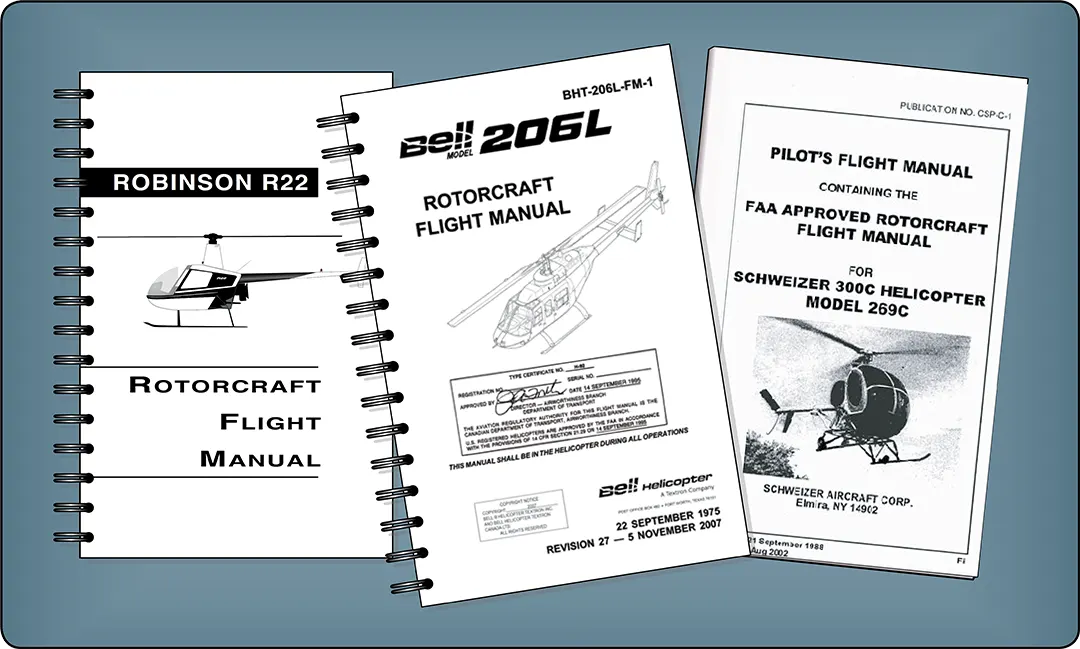
Title 14 of the Code of Federal Regulations (14 CFR) part 91 requires pilot compliance with the operating limitations specified in approved rotorcraft flight manuals, markings, and placards. Originally, flight manuals were often characterized by a lack of essential information and followed whatever format and content the manufacturer deemed appropriate. This changed with the acceptance … Read more

13 2

Helicopter Antitorque and Drive Systems

Antitorque System Helicopters with a single, main rotor system require a separate antitorque system. This is most often accomplished through a variable pitch, antitorque rotor or tail rotor. [Figure 1] Figure 1. Antitorque rotor produces thrust to oppose torque Pilots vary the thrust of the antitorque system to maintain directional control whenever the main rotor … Read more