Scenario-Based Training

Since flying has become more complex, the focus of training needs to address pilot decision-making and risk management, a concept the authors call Single Pilot Resource Management (SRM). Since SRM training requires practicing the decision-making process in real time and in real situations, a new form of GA training that goes beyond the traditional task … Read more
Critiques and Oral Assessments

Used in conjunction with either traditional or authentic assessment, the critique is an instructor-to-learner assessment. These methods can also be used either individually, or in a classroom setting. The word critique sometimes has a negative connotation, and the instructor needs to avoid using this method as an opportunity to be overly critical of learner performance. … Read more

Choosing an Effective Assessment Method

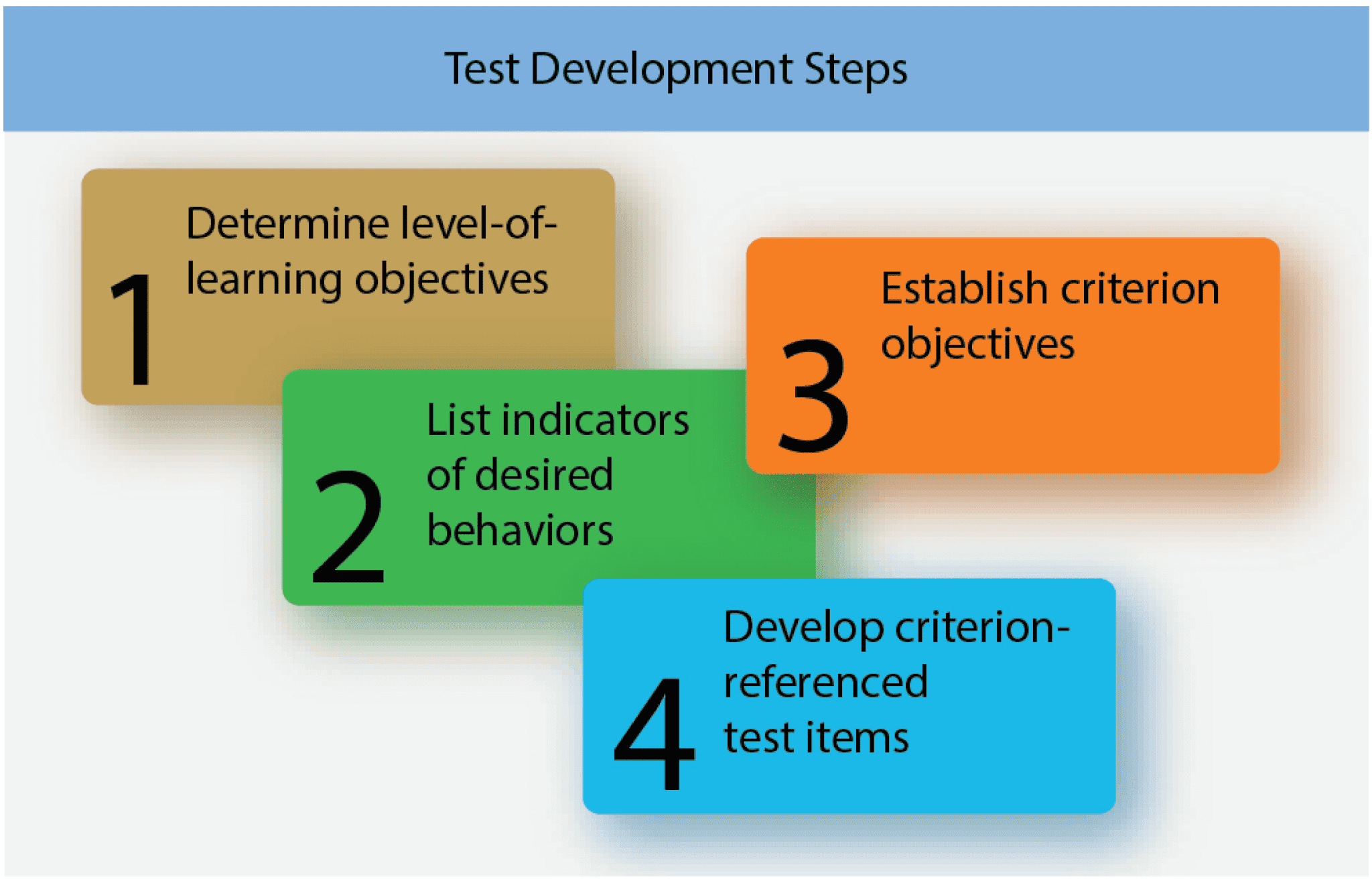
When deciding how to assess learner progress, aviation instructors can follow a four-step process. Determine level-of-learning objectives. List indicators of desired behaviors. Establish criterion objectives. Develop criterion-referenced test items. This process is useful for tests that apply to the cognitive and affective domains of learning, and also can be used for skill testing in the … Read more

Authentic Assessment

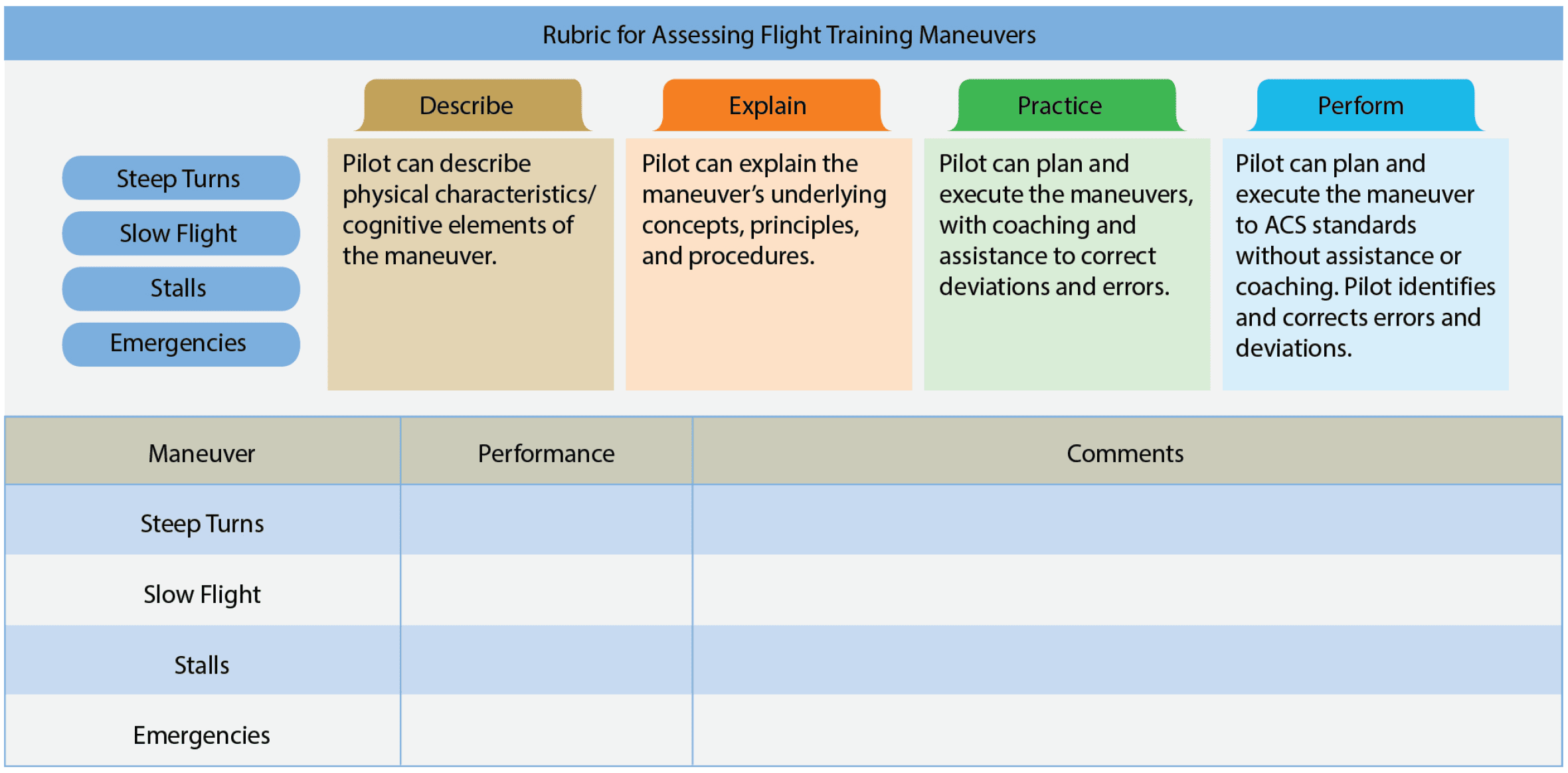
Authentic assessment asks the learner to perform real-world tasks and demonstrate a meaningful application of skills and competencies. Authentic assessment lies at the heart of training today’s aviation learner to use critical thinking skills. Rather than selecting from predetermined responses, learners must generate responses from skills and concepts they have learned. By using open-ended questions … Read more

Traditional Assessment

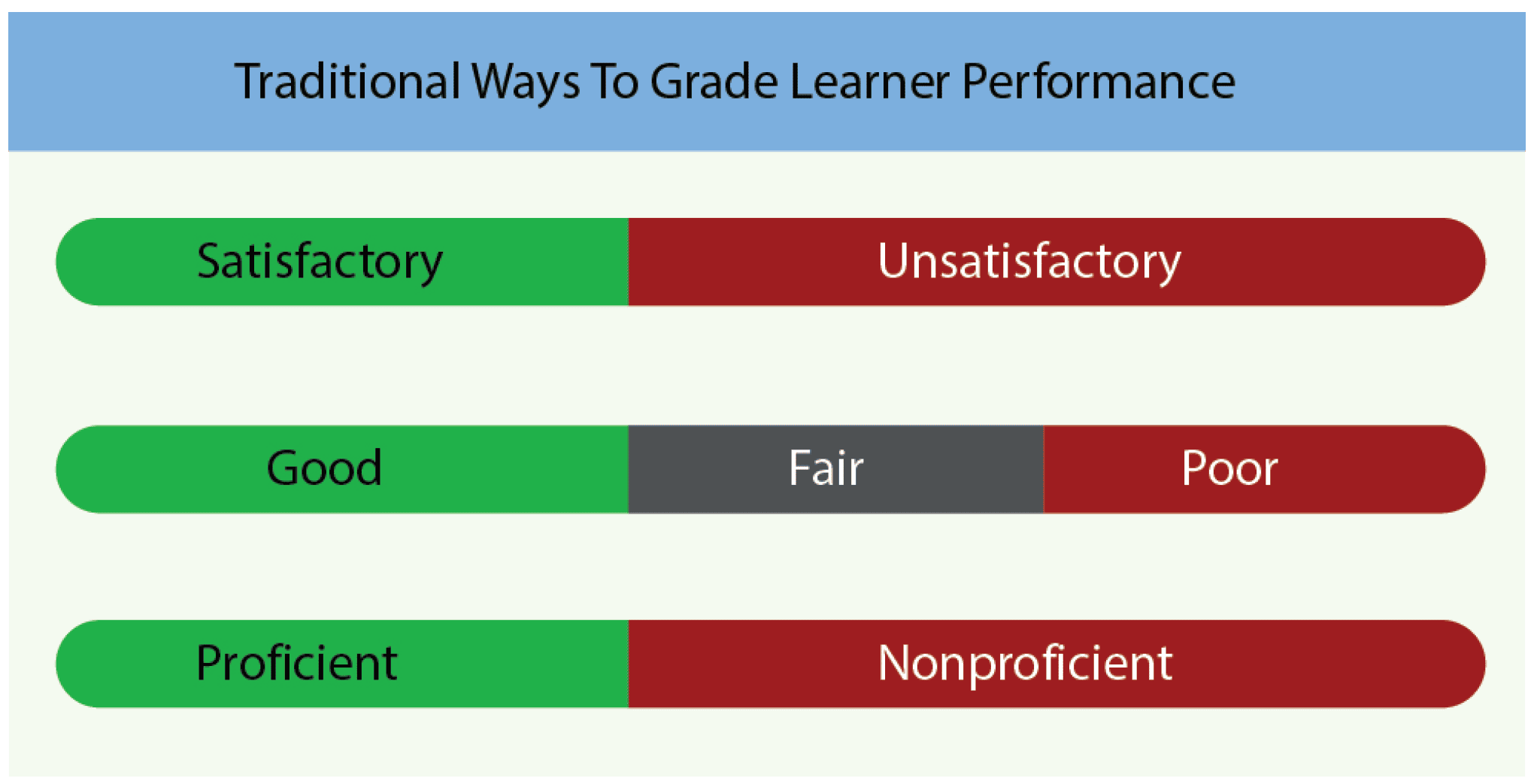
As defined earlier, traditional assessment generally refers to written testing, such as multiple choice, matching, true/false, fill in the blank, etc. Learners typically complete written assessments within a specified time. There is a single, correct response for each item. The assessment, or test, assumes that all learners should learn the same thing, and relies on … Read more

Purpose and Characteristics of Effective Assessment

Purpose of Assessment An effective assessment provides critical information to both the instructor and the learner. Both instructor and learner need to know how well the learner is progressing. A good assessment provides practical and specific feedback to learners. This includes direction and guidance indicating how they may raise their level of performance. Most importantly, … Read more

Assessment Terminology

This section presents two broad categories of assessment. The first is traditional assessment, which often involves the kind of written testing (e.g., multiple choice, matching) and grading that is most familiar to instructors and learners. To achieve a passing score on a traditional assessment, the learner usually has a set amount of time to recognize … Read more

Assessment of Teaching and Learning

Assessment is an essential component of teaching and learning, and it provides the instructor with immediate feedback on the quality of instruction. Instructors continuously evaluate a learner’s performance in order to provide guidance, suggestions for improvement, and positive reinforcement. This section examines the instructor’s role when assessing levels of learning, it describes methods of assessment, … Read more