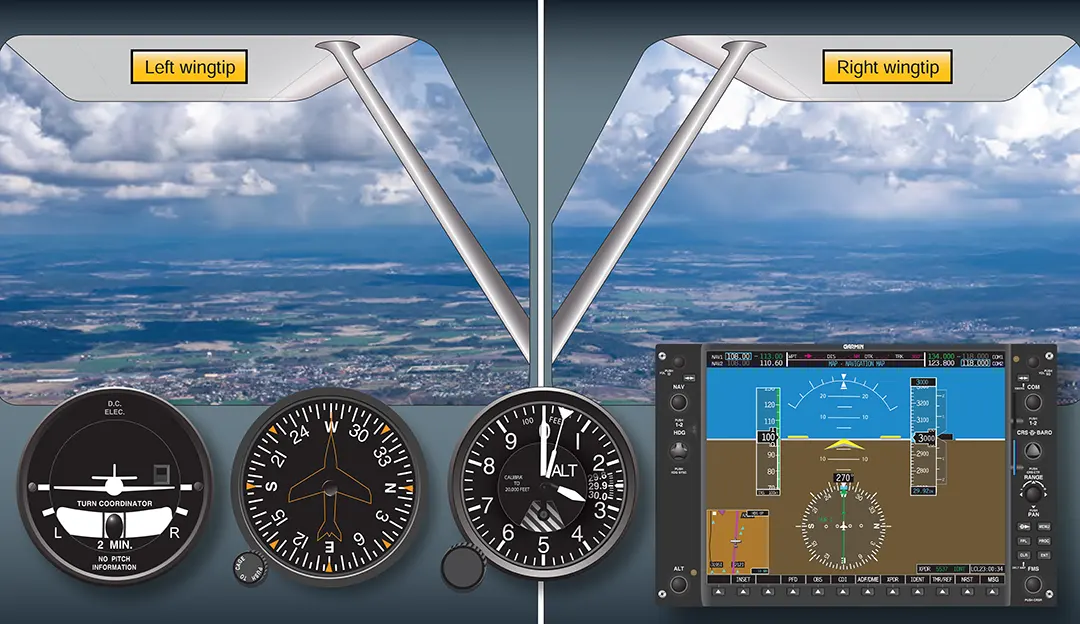
Upset Prevention and Recovery Training

Maintaining Aircraft Control: Upset Prevention and Recovery Training

Safe pilots take steps to prevent loss of control in flight (LOC-I), a leading cause of fatal general aviation accidents in the United States and commercial aviation accidents worldwide. LOC-I involves a significant deviation of an aircraft from its intended flightpath and often results from an airplane upset. Maneuvering is the most common phase of … Read more
5 2

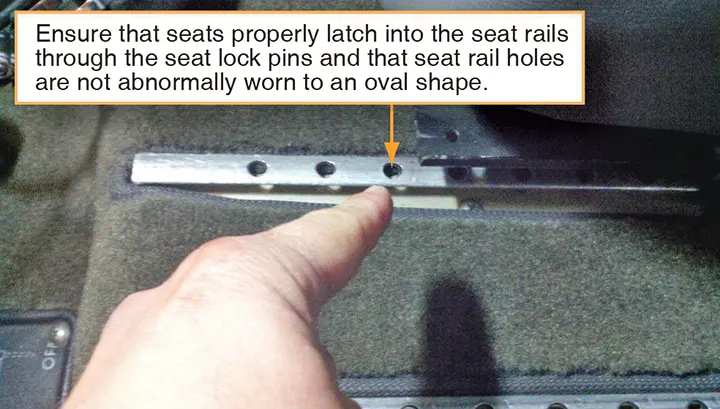
Aircraft Upset Prevention and Recovery (UPRT)

Pilots must be able to recognize and prevent airplane upsets to maintain aircraft control and reduce the risk of loss of control in flight (LOC-I). Understanding the environmental, mechanical, and human factors that contribute to upsets helps pilots recognize developing hazards, take appropriate preventive action, and recover safely when an upset occurs. Upset prevention and … Read more

16 1

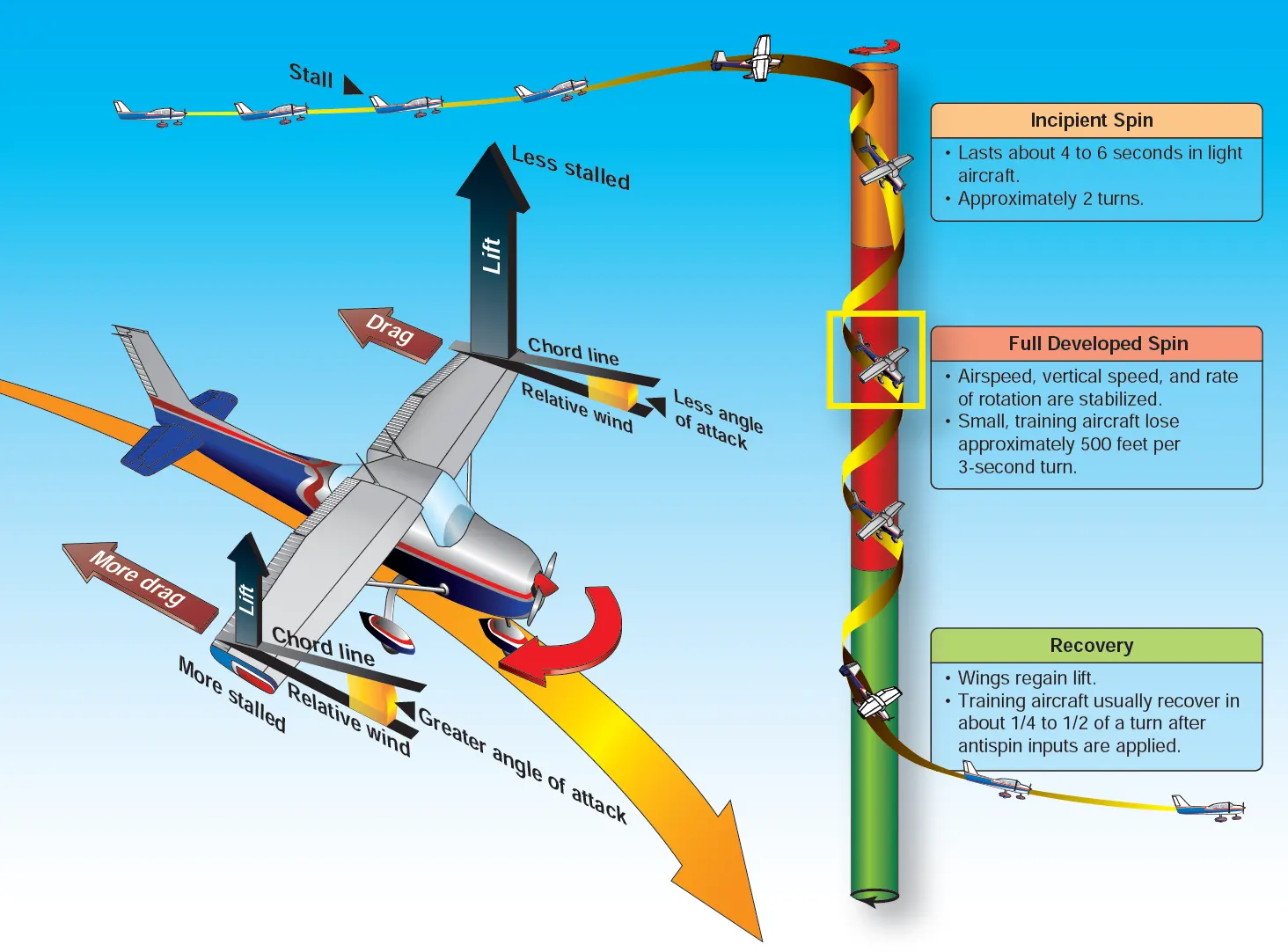
Upset Prevention and Recovery: Airplane Stalls

Stalls occur when an airplane’s angle of attack exceeds the wing’s critical angle of attack, and they can develop at a range of airspeeds, attitudes, and power settings. Understanding stall recognition, recovery procedures, and spin awareness helps pilots respond appropriately to changing flight conditions. The following material reviews stall characteristics, training maneuvers, recovery principles, and … Read more

7 2

Upset Prevention and Recovery: Slow Flight

Slow flight is an important flight-training maneuver that helps pilots understand airplane handling characteristics at low airspeeds and high angles of attack (AOA). Practicing this maneuver develops the ability to recognize stall warnings, maintain coordinated flight, manage power and pitch, and respond appropriately to changing flight conditions. These skills help pilots maintain aircraft control during … Read more