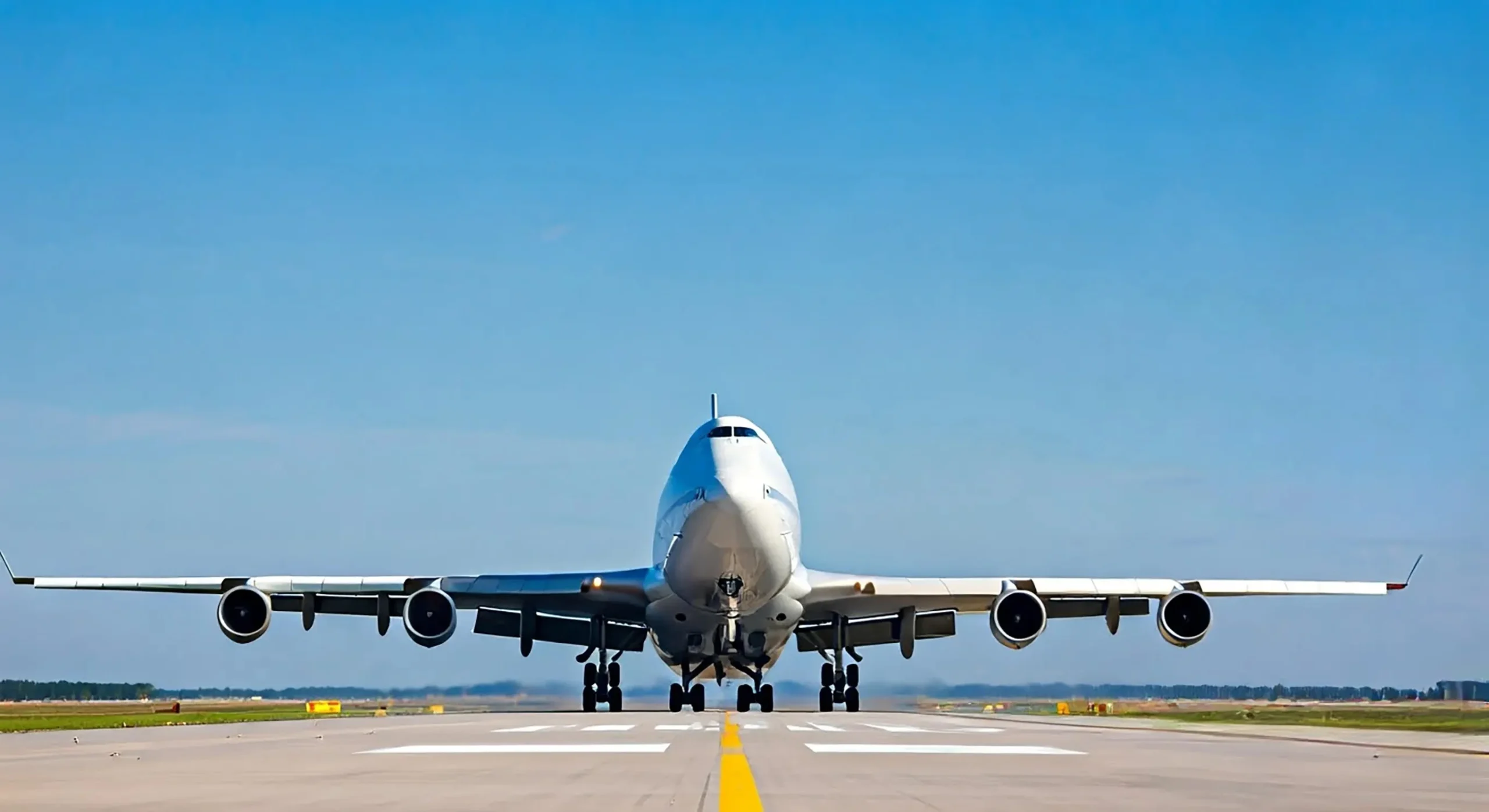
Airplane Ground Operations

All pilots must ensure that they place a strong emphasis on ground operations as this is where safe flight begins and ends. At no time should a pilot hastily consider ground operations without proper and effective thoroughness. This phase of flight provides the first opportunity for a pilot to safely assess the various factors of … Read more

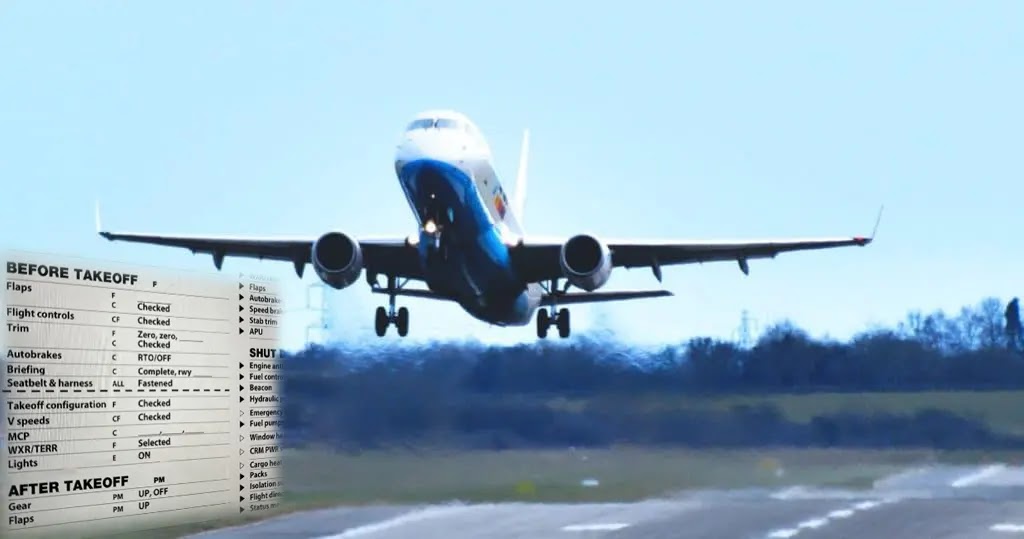
After-Landing, Parking, and Post-Flight Procedures

After-Landing During the after-landing roll, while maintaining airplane track over runway centerline with ailerons and heading down runway with rudder pedals, the airplane should be gradually slowed to normal taxi speed with normal brake pressure before turning off of the landing runway. Any significant degree of turn at faster speeds could result in subsequent damage … Read more

Before Takeoff Check and Takeoff Checks

Before-Takeoff Check The before-takeoff check is the systematic AFM/POH procedure for checking the engine, controls, systems, instruments, and avionics prior to flight. Normally, the before-takeoff checklist is performed after taxiing to a run-up position near the takeoff end of the runway. Many engines require that the oil temperature reach a minimum value as stated in … Read more

Airplane Taxiing

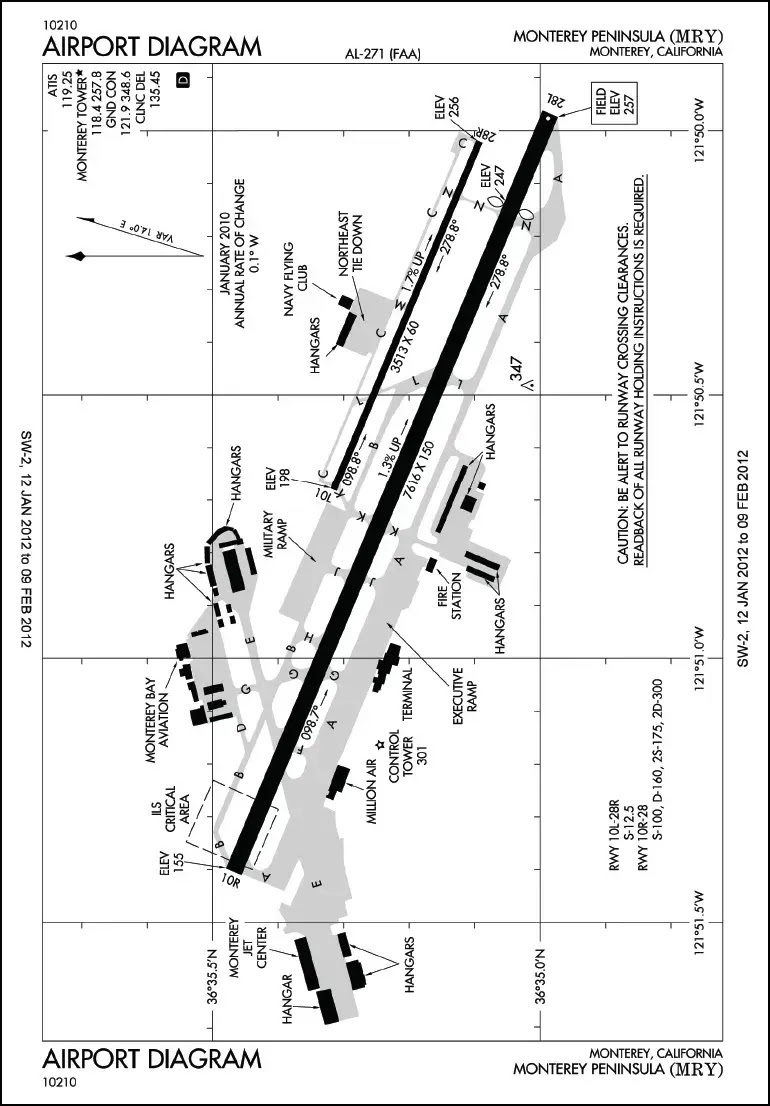
Taxiing is the controlled movement of the airplane under its own power while on the surface. Since an airplane is moved under its own power between a parking area and the runway, the pilot needs to understand and be proficient in taxi procedures. A pilot should maintain situational awareness of the ramp, parking areas, taxiways, … Read more

Engine Starting and Hand Propping

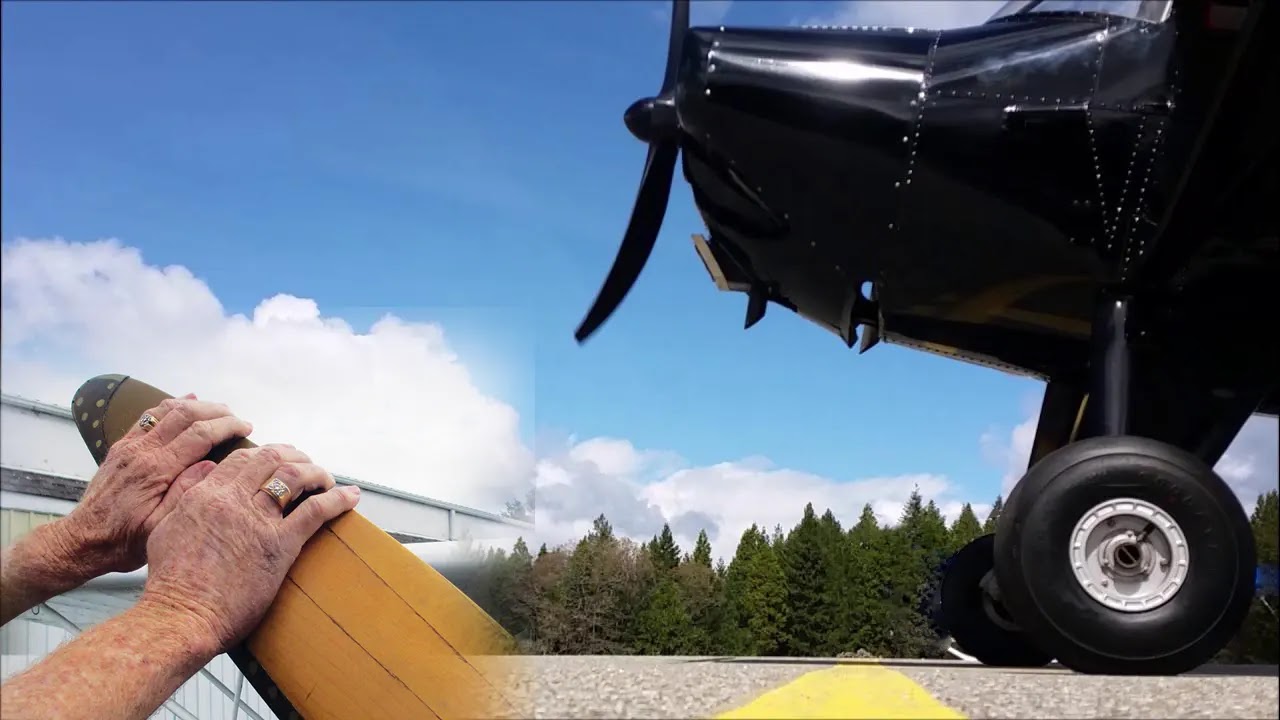
Engine Starting Airplane engines vary substantially and specific procedures for engine starting should be accomplished in reference to the approved engine start checklist as detailed in the airplane’s AFM/POH. However, some generally accepted hazard mitigation practices and procedures are outlined in this section. Prior to engine start, the pilot needs to ensure that the ramp … Read more

Aircraft Ground Operations

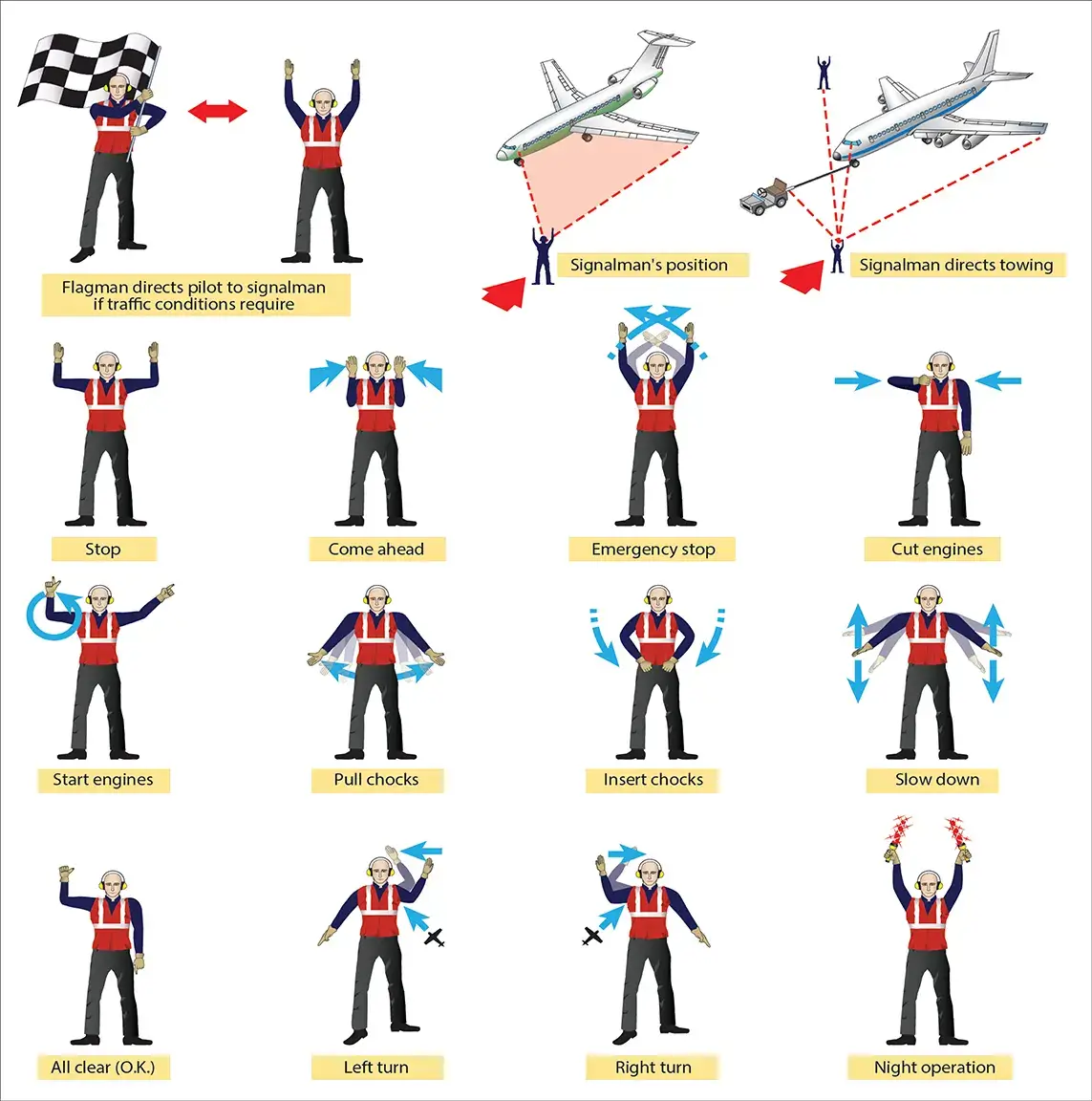
The airport ramp can be a complex environment with airport personnel, passengers, trucks, other vehicles, aircraft, and errant people and animals. The pilot is responsible for the operation of the airplane and should operate safely at all times. Ground operations subject the pilot to unique hazards, and mitigating those hazards requires proper planning and good … Read more

Risk and Resource Management

Ground operations also include the pilot’s assessment of the risk factors that contribute to safety of flight and the pilot’s management of the resources, which may be leveraged to maximize the flight’s successes. The Risk Management Handbook (FAA-H-8083-2) should be reviewed for a comprehensive discussion of this topic. A review of key points follows. Approximately … Read more

Preflight Assessment of the Aircraft

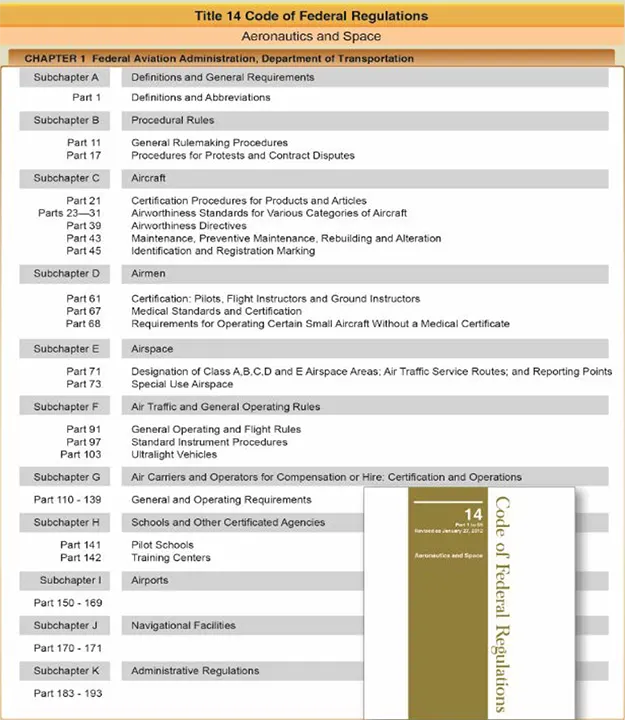
The visual preflight assessment mitigates airplane flight hazards. The preflight assessment ensures that any aircraft flown meets regulatory airworthiness standards and is in a safe mechanical condition prior to flight. Per 14 CFR part 3, section 3.5(a), the term “airworthy” means that the aircraft conforms to its type design and is in condition for safe … Read more