
1 1 4

Flight Instruments Guide for Pilots

To safely operate any aircraft, a pilot must understand how to interpret and use the flight instruments. These instruments provide critical information about the aircraft’s attitude, altitude, airspeed, direction, and overall flight performance. Equally important is recognizing instrument errors and malfunctions to ensure safe decision-making during flight. This chapter explains the operation of the pitot-static … Read more
39

Outside Air Temperature (OAT) Gauge

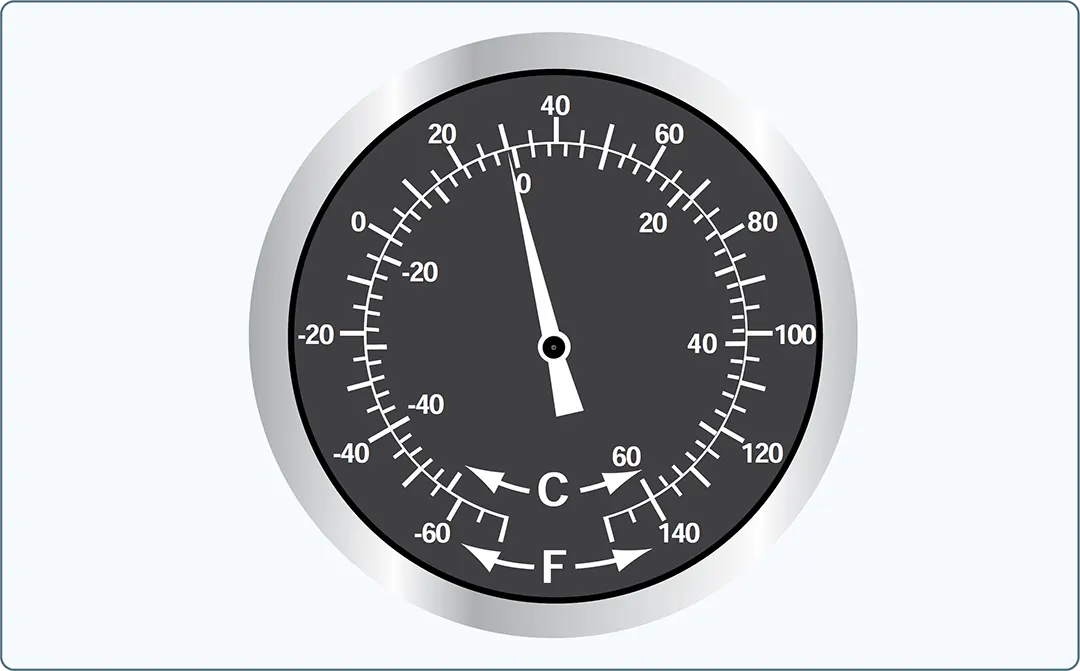
The outside air temperature (OAT) gauge is a simple and effective device mounted so that the sensing element is exposed to the outside air. The sensing element consists of a bimetallic-type thermometer in which two dissimilar materials are welded together into a single strip and twisted into a helix. One end is anchored inside a … Read more

32 2

Aviation Magnetic Compass Principles and Errors

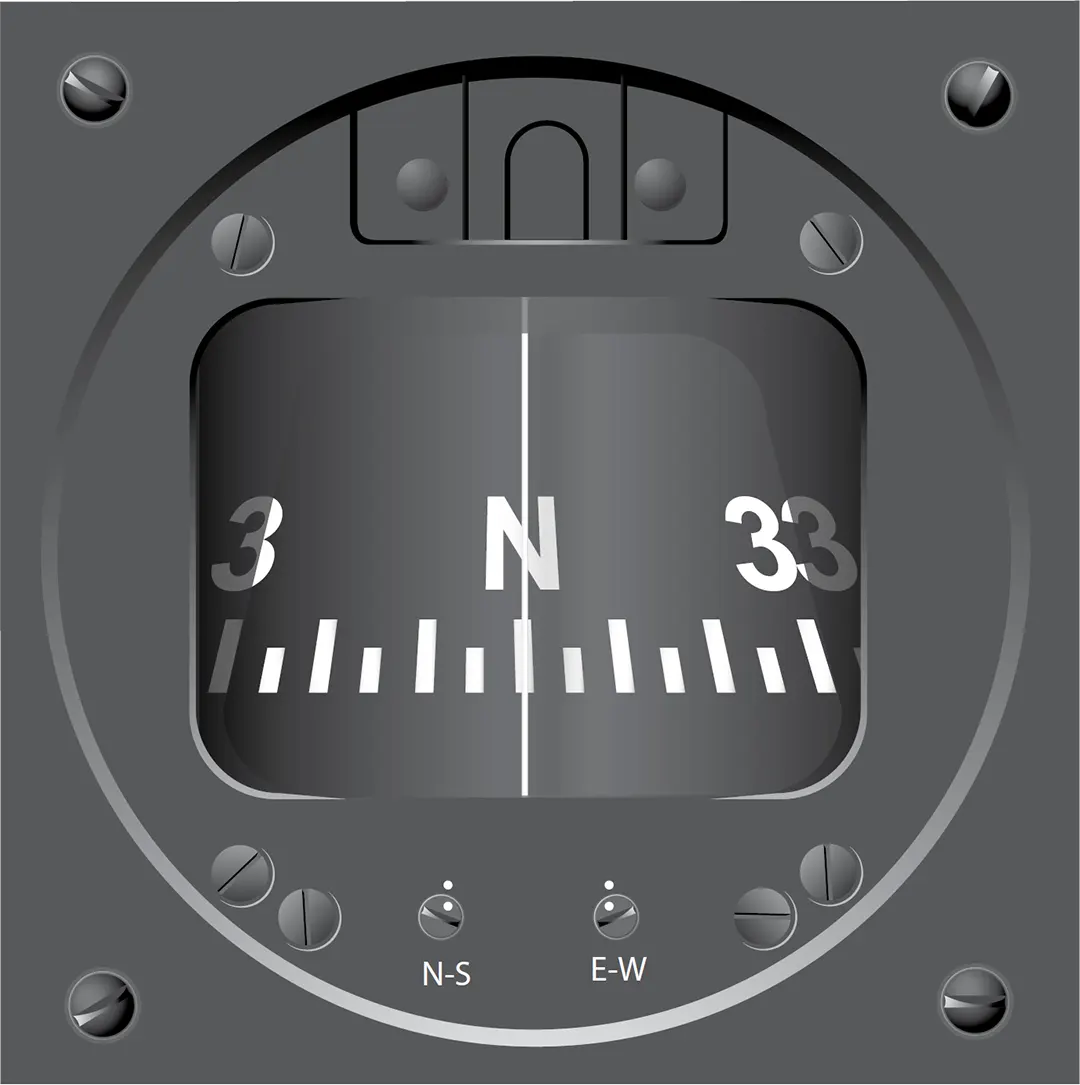
A magnetic compass is one of the oldest and most reliable flight instruments used in aviation. Although simple in design, it is affected by several types of errors that every pilot must understand to navigate safely. Learning how variation, deviation, magnetic dip, and acceleration affect compass readings helps pilots interpret the instrument correctly during all … Read more

18

Aircraft Gyroscopic Instruments

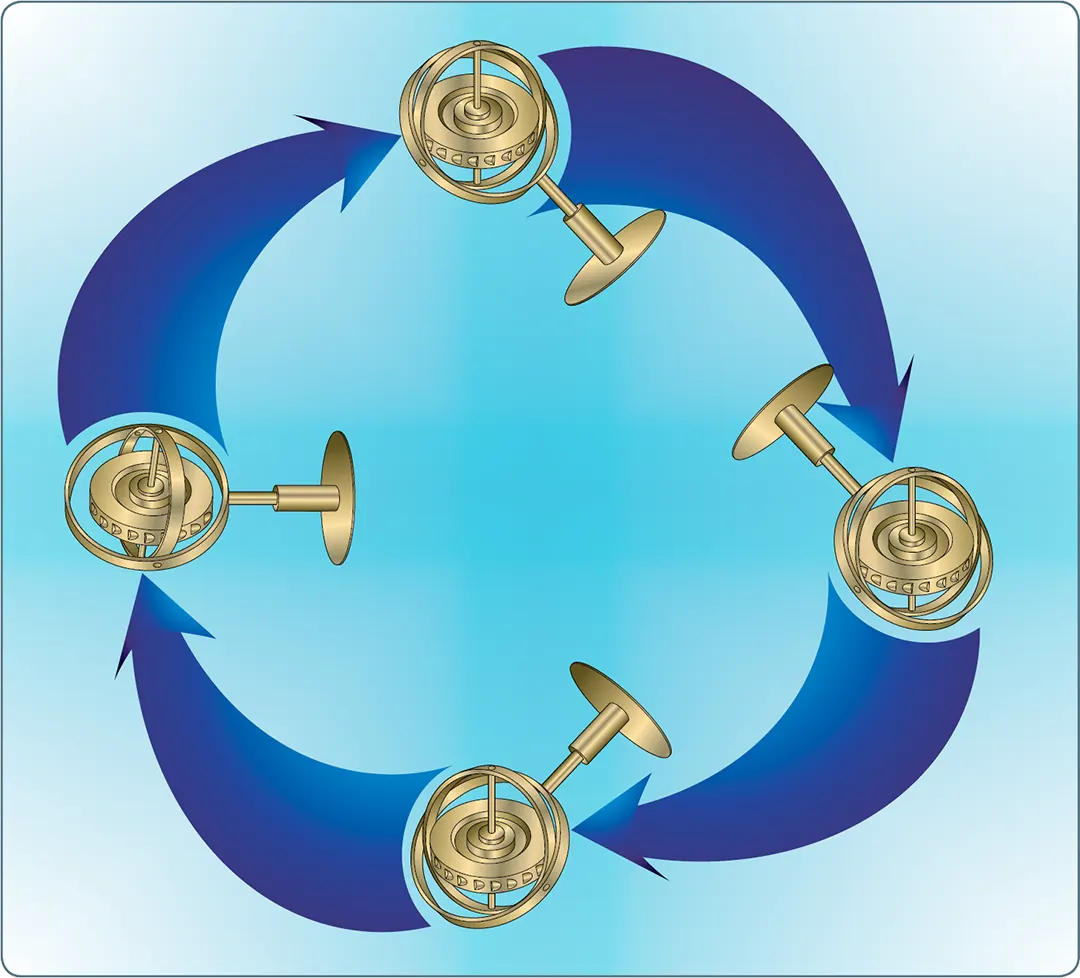
Several flight instruments utilize the properties of a gyroscope for their operation. The most common instruments containing gyroscopes are the turn coordinator, heading indicator, and the attitude indicator. To understand how these instruments operate requires knowledge of the instrument power systems, gyroscopic principles, and the operating principles of each instrument. Gyroscopic Principles Any spinning object … Read more

12

Electronic Flight Displays (EFDs)

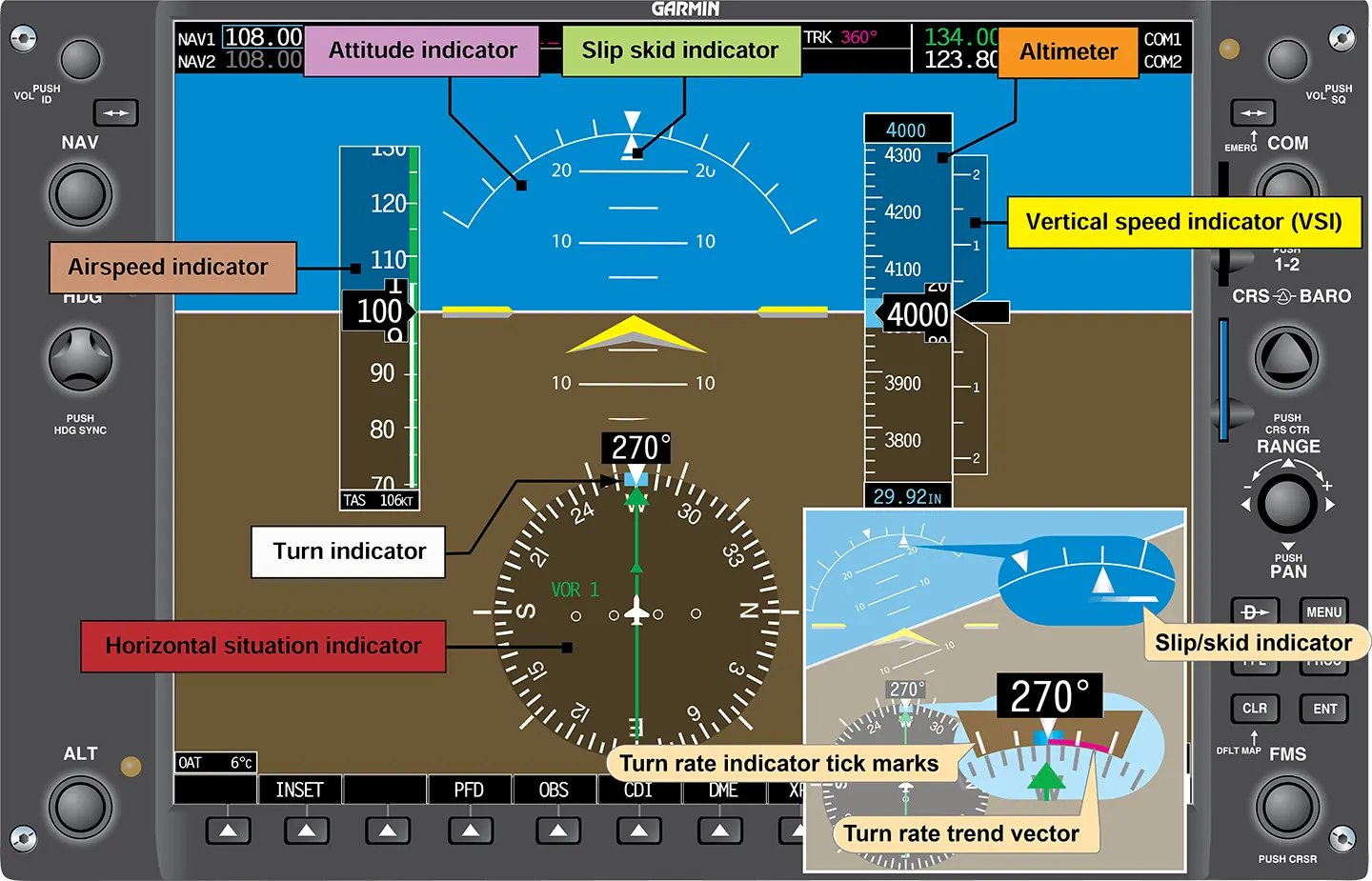
Advances in technology have brought about changes in the instrumentation found in all types of aircraft; for example, Electronic Flight Displays (EFDs), commonly referred to as “glass cockpits.” EFDs include flight displays such as primary flight displays (PFD) and multi-function displays (MFD). This technology has changed not only the information available to pilots but also … Read more

1

Principles of Pitot-Static Instruments and Errors

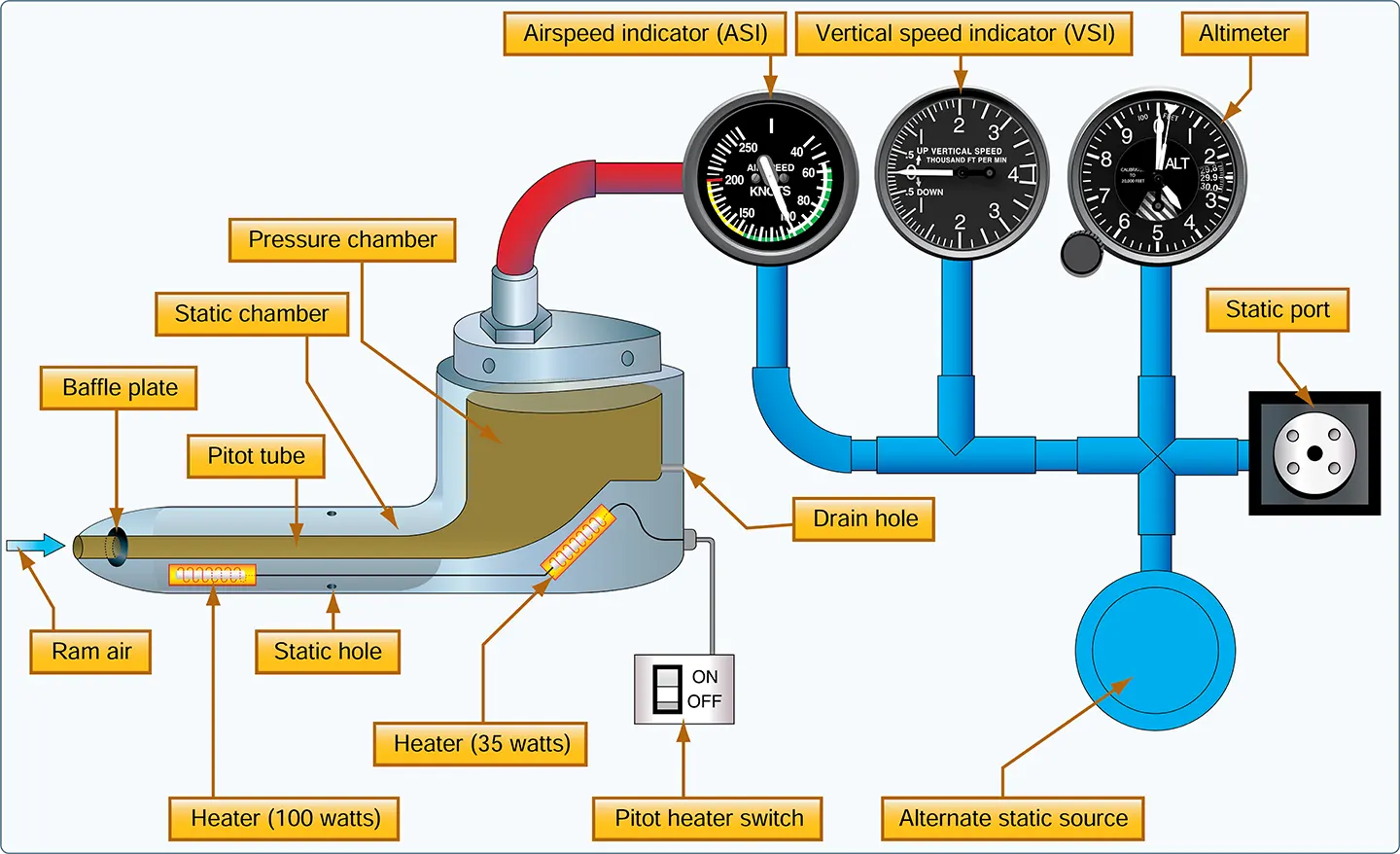
Flight instruments are essential for monitoring an aircraft’s performance and ensuring safe flight operations. Among them, pitot-static instruments are fundamental because they use atmospheric pressure to determine airspeed, altitude, and vertical speed. The pitot-static system supplies pressure information to the Airspeed Indicator (ASI), Altimeter, and Vertical Speed Indicator (VSI), enabling pilots to make informed decisions … Read more

31

Angle of Attack Indicators

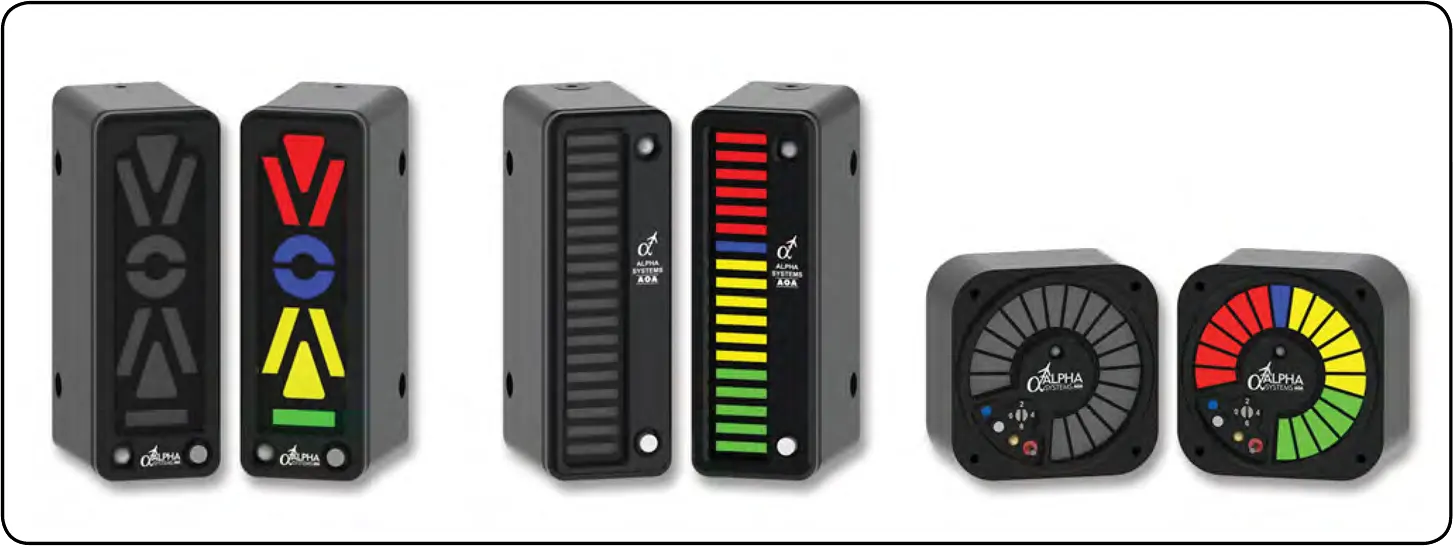
An Angle of Attack (AOA) indicator is an important flight instrument that helps pilots monitor the wing’s aerodynamic performance. Unlike airspeed, which can vary depending on flight conditions, an AOA indicator provides real-time information about how close the wing is to reaching its critical angle of attack, making it a valuable tool for improving flight … Read more