
Emergency landings are an important aspect of pilot training and aircraft safety. A pilot may be required to make an emergency landing because of engine failure, deteriorating weather, fuel shortage, or other conditions that make continuing the flight inadvisable or impossible. The ability to recognize an emergency, make timely decisions, select suitable terrain, and maintain control of the airplane is essential to reducing the risk of injury.
This article discusses the different types of emergency landings, psychological hazards that may affect a pilot’s decisions, basic safety concepts, and techniques for dealing with various types of landing terrain. Although a suitable open field is generally preferred, an emergency landing may have to be made in confined areas, forests, water, or snow.
The following guidance applies primarily to small fixed-wing airplanes and provides general knowledge of emergency landing techniques. Pilots should always follow the procedures and recommendations specified in the aircraft manufacturer’s approved Airplane Flight Manual (AFM) or Pilot’s Operating Handbook (POH). Aircraft-specific procedures take precedence over general guidance.
Table of Contents
Table of Contents
Types of Emergency Landings
The different types of emergency landings are defined as follows:
- Forced landing: An immediate landing, on or off an airport, necessitated by the inability to continue further flight. A typical example is an airplane forced down by engine failure.
- Precautionary landing: A premeditated landing, on or off an airport, when further flight is possible but inadvisable. Examples of conditions that may call for a precautionary landing include deteriorating weather, being lost, fuel shortage, and gradually developing engine trouble.
- Ditching: A forced or precautionary landing on water.
A precautionary landing is generally less hazardous than a forced landing because the pilot has more time for terrain selection and approach planning. In addition, the pilot can use available engine power to compensate for errors in judgment or technique.
The pilot should be aware that situations calling for a precautionary landing are sometimes allowed to develop into immediate forced landings when wishful thinking is used instead of reason, especially when dealing with a self-inflicted predicament.
A non-instrument-rated pilot trapped by deteriorating weather, or a pilot facing imminent fuel exhaustion who does not consider the feasibility of a precautionary landing, accepts an extremely hazardous alternative.
Psychological Hazards During Emergency Landings
Several factors may interfere with a pilot’s ability to act promptly and properly when faced with an emergency. Some of these psychological hazards are discussed below.
Reluctance to Accept the Emergency Situation
A pilot who allows the mind to become paralyzed at the thought that the airplane will be on the ground in a very short time, regardless of the pilot’s actions or hopes, is severely handicapped in handling the emergency.
An unconscious desire to delay the inevitable may lead to errors such as:
- Failure to lower the nose to maintain flying speed.
- Delay in selecting the most suitable landing area within reach.
- General indecision.
Desperate attempts to correct whatever went wrong at the expense of maintaining airplane control fall into the same category.
Undue Concern About Getting Hurt
Fear is a vital part of the self-preservation mechanism. However, when fear leads to panic, it can increase the likelihood of the very outcome the pilot wants most to avoid.
Survival records favor pilots who maintain their composure and know how to apply the general concepts and procedures developed through experience.
The success of an emergency landing depends as much on the pilot’s state of mind as on flying skills.
Desire to Save the Airplane
A pilot who has been conditioned during training to expect a relatively safe landing area whenever the flight instructor closes the throttle for a simulated forced landing may ignore basic rules of airmanship to avoid touching down in terrain where airplane damage is unavoidable.
Typical consequences include:
- Making a 180° turn back to the runway when the available altitude is insufficient.
- Stretching the glide without regard for minimum control speed in an attempt to reach a more appealing field.
- Accepting an approach and touchdown situation that leaves no margin for error.
The desire to save the airplane, regardless of the risks involved, may be influenced by two other factors: the pilot’s financial stake in the airplane and the belief that an undamaged airplane necessarily means no bodily harm.
There are times, however, when a pilot should be more interested in sacrificing the airplane so that the occupants can safely walk away from it.
Basic Safety Concepts
General
A pilot faced with an emergency landing in terrain where extensive airplane damage is inevitable should remember that avoiding crash injuries largely depends on two factors:
- Keeping the vital structure (cabin area) relatively intact by using dispensable structures, such as the wings, landing gear, and fuselage bottom, to absorb the forces of the stopping process before they affect the occupants.
- Avoiding forceful bodily contact with the interior structure of the airplane.
Avoiding forceful contact with the interior structure depends on proper seat and body restraint. Unless an occupant decelerates at approximately the same rate as the surrounding structure, no benefit is gained from the structure remaining relatively intact. Otherwise, the occupant may be brought to a sudden stop through a secondary collision with the interior of the airplane.
The advantage of sacrificing dispensable structure is demonstrated daily on highways. A head-on car impact against a tree at 20 miles per hour (mph) is less hazardous for a properly restrained driver than a similar impact against the driver’s door.
Accident experience shows that the amount of crushable structure between the occupants and the principal point of impact on an airplane directly affects the severity of the transmitted crash forces and, consequently, survivability.
Energy Absorption and Deceleration
Dispensable airplane structure is not the only available energy-absorbing medium in an emergency situation. Vegetation, trees, and even manmade structures may be used for this purpose.
Cultivated fields with dense crops, such as mature corn and grain, can provide considerable energy absorption and may help bring an airplane to a stop with repairable damage. Brush and small trees also provide cushioning and braking effects. [Figure 1]
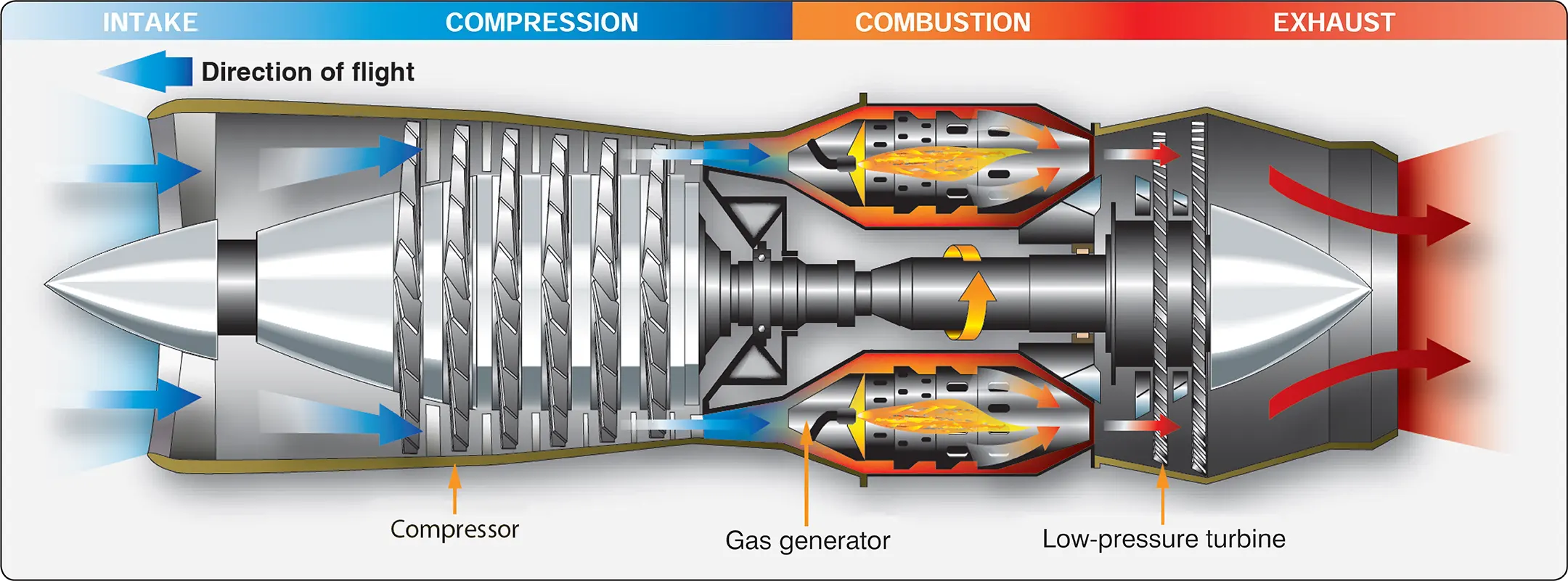
When dealing with natural or manmade obstacles that are stronger than the dispensable airplane structure, the pilot should plan the touchdown so that only nonessential structure is used up in the principal slowing-down process.
The overall severity of a deceleration process is governed by speed (groundspeed) and stopping distance. The most critical factor is speed. Doubling the groundspeed means quadrupling the total destructive energy, and vice versa.
Even a small change in groundspeed at touchdown, whether resulting from wind or pilot technique, affects the outcome of a controlled crash.
It is important that the actual touchdown during an emergency landing be made at the lowest possible controllable airspeed, using all available aerodynamic devices.
Most pilots instinctively—and correctly—look for the largest available flat and open field for an emergency landing. However, very little stopping distance may be required if the speed can be dissipated uniformly; that is, if the deceleration forces can be spread evenly over the available distance.
This concept is incorporated into the arresting gear of aircraft carriers, which provides a nearly constant stopping force from the moment of engagement.
The typical light airplane is designed to provide protection in crash landings that expose the occupants to nine times the acceleration of gravity (9G) in a forward direction. Assuming uniform 9G deceleration, the required stopping distances are approximately:
- At 50 mph: 9.4 feet.
- At 100 mph: 37.6 feet.
Doubling the groundspeed from 50 mph to 100 mph increases the stopping distance by approximately four times. [Figure 2]

Although these figures are based on an ideal deceleration process, they demonstrate what can be accomplished by effectively using a short stopping distance.
Understanding the need for firm but uniform deceleration in very poor terrain enables the pilot to select touchdown conditions that spread the breakup of dispensable structure over a short distance, thereby reducing the peak deceleration of the cabin area.
Attitude and Sink Rate Control
The most critical and often the most inexcusable error that can be made during the planning and execution of an emergency landing, even in ideal terrain, is losing control of the airplane’s attitude and sink rate at touchdown.
When touchdown is made on flat, open terrain, an excessive nose-low pitch attitude increases the risk of the nose digging into the ground.
Steep bank angles just before touchdown should also be avoided because they increase the stalling speed and the likelihood of a wingtip strike.
Since the airplane’s vertical component of velocity is immediately reduced to zero upon ground contact, it must be kept well under control.
A flat touchdown at a high sink rate (well in excess of 500 feet per minute (fpm)) on a hard surface can cause injuries without destroying the cabin structure, especially during gear-up landings in low-wing airplanes.
The rigid bottom construction of these airplanes may prevent adequate cushioning through structural deformation. Similar impact conditions may cause structural collapse of the overhead structure in high-wing airplanes.
On soft terrain, an excessive sink rate may cause the lower nose structure to dig into the ground, resulting in severe forward deceleration.
Terrain Selection
A pilot’s choice of emergency landing sites is governed by:
- The route selected during preflight planning.
- The height above the ground when the emergency occurs.
- Excess airspeed, which can be converted into distance and/or altitude.
The pilot has very limited choices during the low and slow portion of takeoff. However, even under these conditions, the ability to change the impact heading by a few degrees may help ensure a survivable crash.
If beyond gliding distance of a suitable open area, the pilot should evaluate the available terrain for its energy-absorbing capability.
If the emergency begins at a considerable height above the ground, the pilot should first concentrate on selecting the desired general area rather than a specific landing spot. Terrain appearances from altitude can be very misleading, and considerable altitude may be lost before the best spot can be identified.
For this reason, the pilot should not hesitate to discard the original plan in favor of one that is obviously better.
However, as a general rule, the pilot should not change plans more than once. A well-executed crash landing in poor terrain can be less hazardous than an uncontrolled touchdown on an established field.
Airplane Configuration
Since flaps improve maneuverability at slow speeds and lower the stalling speed, their use during final approach is recommended when time and circumstances permit.
However, the associated increase in drag and decrease in gliding distance require caution in the timing and extent of flap application. Premature use of flaps and the resulting loss of altitude may jeopardize an otherwise sound plan.
A hard-and-fast rule concerning the position of a retractable landing gear at touchdown cannot be given.
In rugged terrain and trees, or during impacts at high sink rates, an extended landing gear may have a protective effect on the cabin area. However, this advantage must be weighed against possible side effects of a collapsing landing gear, such as a ruptured fuel tank.
As always, the aircraft manufacturer’s recommendations outlined in the AFM/POH should be followed.
When a normal touchdown is assured and ample stopping distance is available, a gear-up landing on level but soft terrain or across a plowed field may result in less airplane damage than a gear-down landing. [Figure 3]
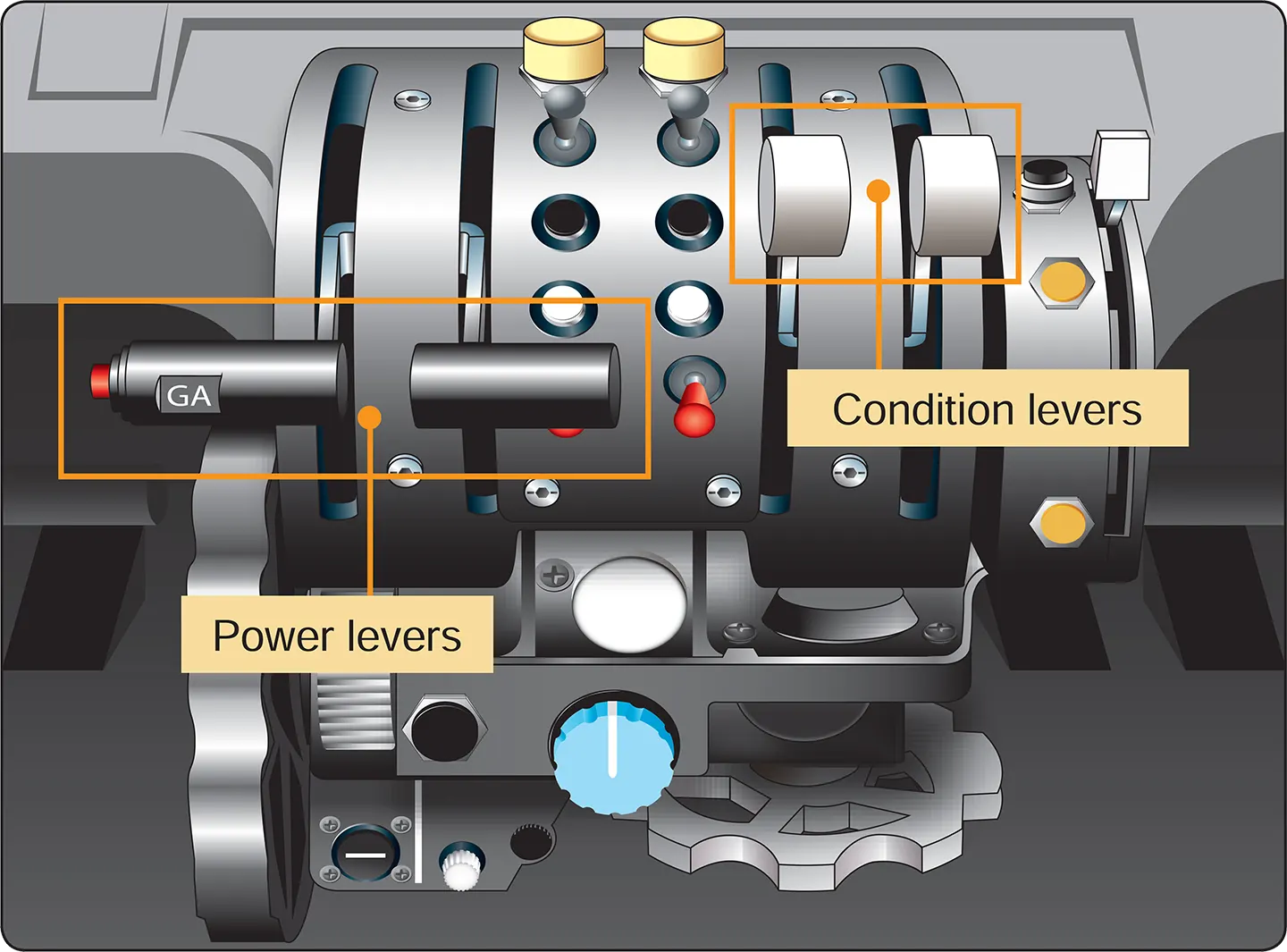
Deactivating the airplane’s electrical system before touchdown reduces the likelihood of a post-crash fire.
However, the battery master switch should not be turned off until the pilot no longer needs electrical power to operate vital airplane systems.
Maintaining positive airplane control during the final part of the approach has priority over all other considerations, including airplane configuration and checklist tasks.
The pilot should attempt to use whatever power is available from an irregularly running engine. However, it is generally better to switch off the engine and fuel supply just before touchdown, when circumstances and the aircraft’s emergency procedures permit.
This helps the pilot maintain control over the situation, while a cooled-down engine may reduce the fire hazard considerably.
Emergency Landing Approach
When the pilot has time to maneuver, approach planning should be governed by the following three factors:
- Wind direction and velocity.
- Dimensions and slope of the chosen field.
- Obstacles in the final approach path.
These three factors are seldom compatible. When compromises have to be made, the pilot should aim for a combination of wind, obstacles, and terrain that permits a final approach with some margin for error in judgment or technique.
A pilot who overestimates the gliding range may be tempted to stretch the glide across obstacles in the approach path.
For this reason, it is sometimes better to plan the approach over an unobstructed area, regardless of wind direction.
Experience shows that a collision with obstacles at the end of a ground roll or slide is much less hazardous than striking an obstacle at flying speed before reaching the touchdown point.
Emergency Landing Terrain Types
Since an emergency landing on suitable terrain resembles a situation with which the pilot should be familiar through training, only the more unusual situations are discussed below.
Confined Areas
The natural preference to set the airplane down on the ground should not lead to selecting an open spot between trees or obstacles where the ground cannot be reached without making a steep descent.
Once the intended touchdown point is reached and the remaining open and unobstructed space is very limited, it may be better to force the airplane down onto the ground rather than delay touchdown until the airplane stalls (settles).
An airplane decelerates faster after it is on the ground than while airborne. Thought may also be given to the desirability of ground-looping or retracting the landing gear under certain conditions.
A river or creek can be an inviting alternative in otherwise rugged terrain. The pilot should ensure that the water or creek bed can be reached without snagging the wings.
The same concept applies to road landings, with one additional reason for caution: manmade obstacles on either side of a road may not be visible until the final portion of the approach.
When planning an approach across a road, the pilot should remember that most highways and even rural dirt roads are paralleled by power or telephone lines.
A sharp lookout for the supporting structures or poles may provide timely warning of these obstacles.
Trees (Forest)
Although a tree landing is not an attractive prospect, the following general guidelines may help make the experience survivable:
- Use the normal landing configuration: Full flaps and landing gear down, subject to the aircraft manufacturer’s recommendations.
- Keep the groundspeed low: Approach into the wind whenever possible.
- Maintain a suitable landing attitude: Make contact at minimum indicated airspeed, but not below stall speed, and attempt to “hang” the airplane in the tree branches in a nose-high landing attitude. Involving the underside of the fuselage and both wings in the initial tree contact provides a more even and positive cushioning effect while helping to prevent penetration of the windshield. [Figure 4]
- Avoid heavy tree trunks: Avoid direct contact between the fuselage and heavy tree trunks.
- Select suitable trees: Low, closely spaced trees with wide, dense crowns (branches) close to the ground are much better than tall trees with thin tops. Tall trees with thin tops allow too much free-fall height. A free fall from 75 feet results in an impact speed of about 40 knots, or approximately 4,000 fpm.
- Aim for symmetrical initial contact: Ideally, both wings should meet equal resistance in the tree branches. This distribution of the load helps maintain the proper airplane attitude. It may also prevent the loss of one wing, which invariably leads to a more rapid and less predictable descent to the ground.
- Avoid directing the airplane into a single tree trunk: If heavy tree trunk contact is unavoidable once the airplane is on the ground, it is best to involve both wings simultaneously by directing the airplane between two properly spaced trees. This maneuver should not be attempted while the airplane is still airborne.
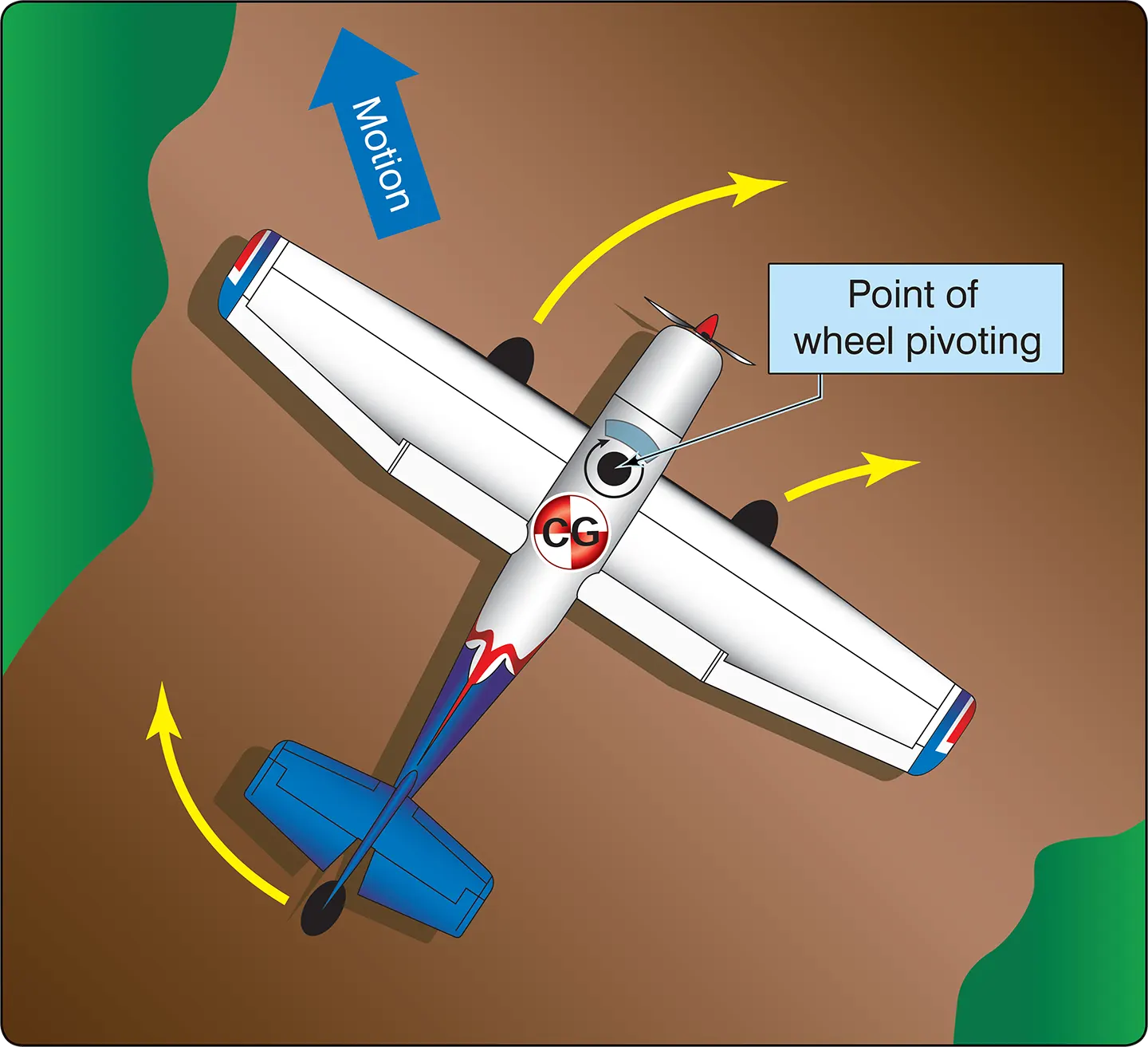
Water (Ditching) and Snow
A well-executed water landing normally involves less deceleration violence than a poor tree landing or a touchdown on extremely rough terrain.
Also, an airplane ditched at minimum speed and in a normal landing attitude may not immediately sink upon touchdown.
Intact wings and fuel tanks, especially when empty, provide flotation that may keep the airplane afloat for at least several minutes, even if the cabin of a high-wing airplane is just below the waterline.
Loss of depth perception may occur when landing on a wide expanse of smooth water. This creates the risk of flying into the water or stalling from excessive altitude.
To avoid this hazard, the airplane should be “dragged in” when possible.
Use no more than intermediate flaps on low-wing airplanes. The water resistance of fully extended flaps may result in asymmetrical flap failure and slowing of the airplane.
Keep a retractable landing gear up unless the AFM/POH advises otherwise.
A landing in snow should be executed like a ditching, using the same configuration and with the same regard for loss of depth perception (whiteout) in reduced visibility and over wide-open terrain.