Helicopter Approaches and Go-Arounds

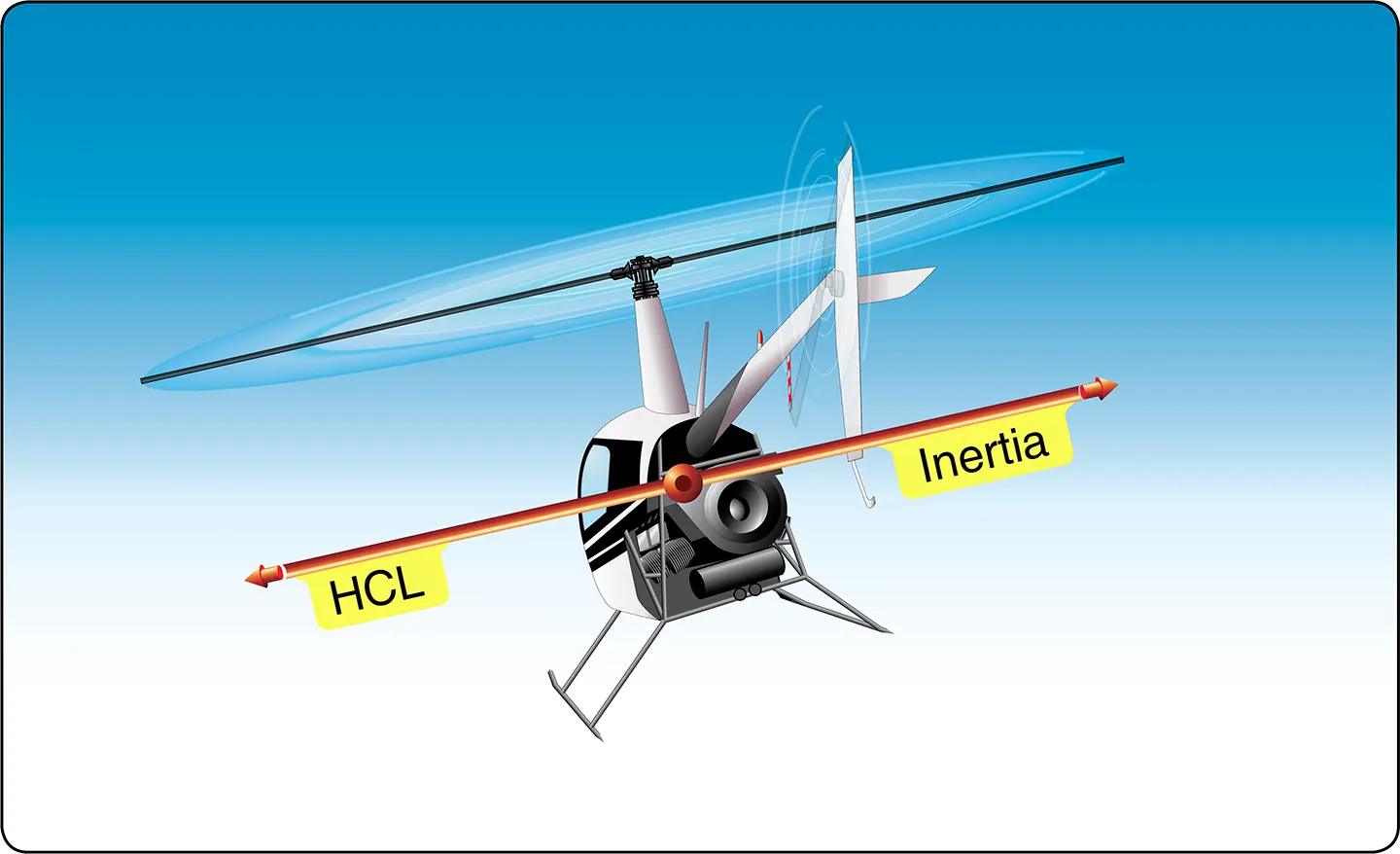
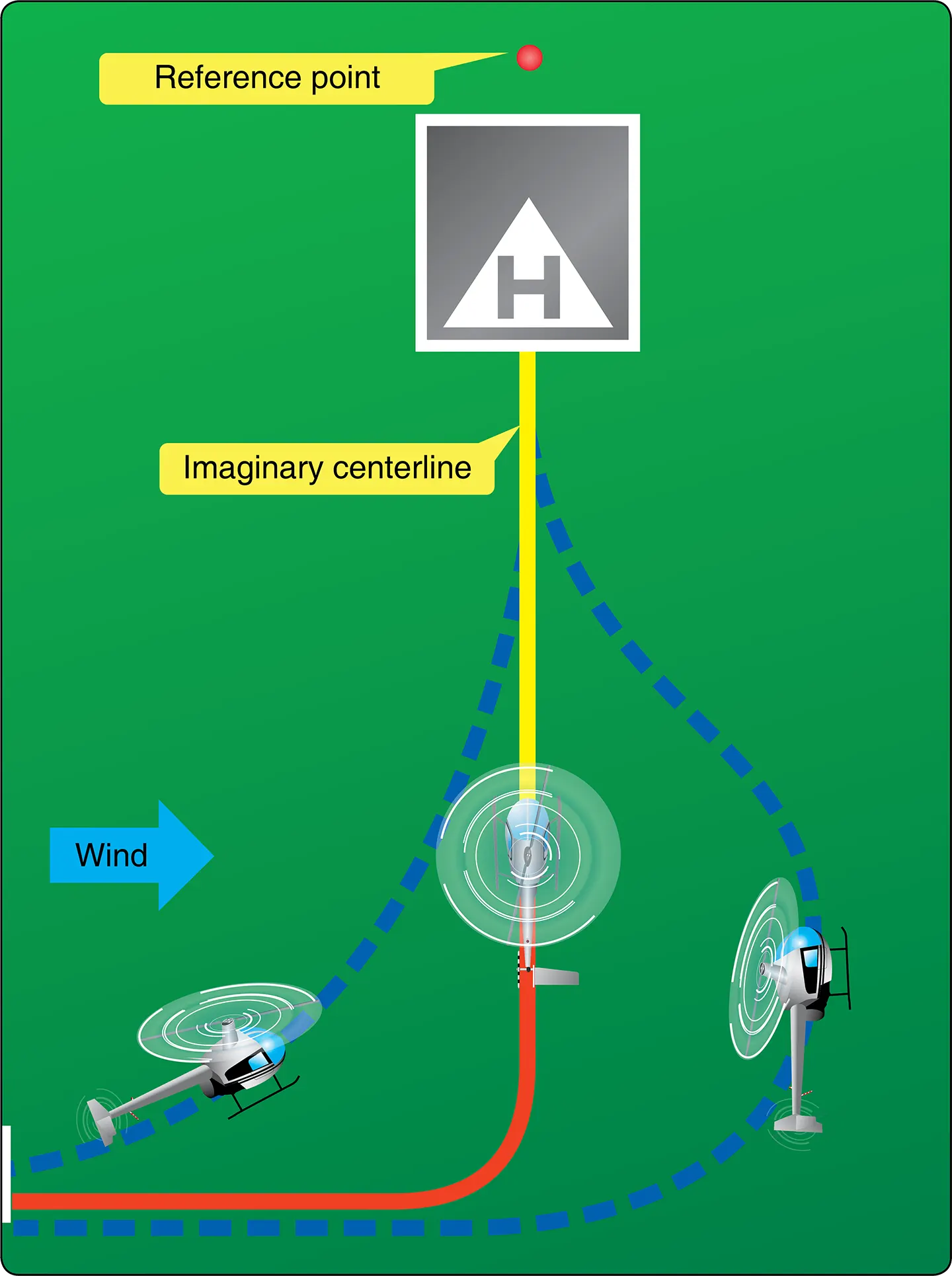
Approaches An approach is the transition from traffic pattern altitude to either a hover or to the surface. The approach should terminate at the hover altitude with the rate of descent and groundspeed reaching zero at the same time. Approaches are categorized according to the angle of descent as normal, steep, or shallow. In this … Read more
Helicopter Traffic Patterns

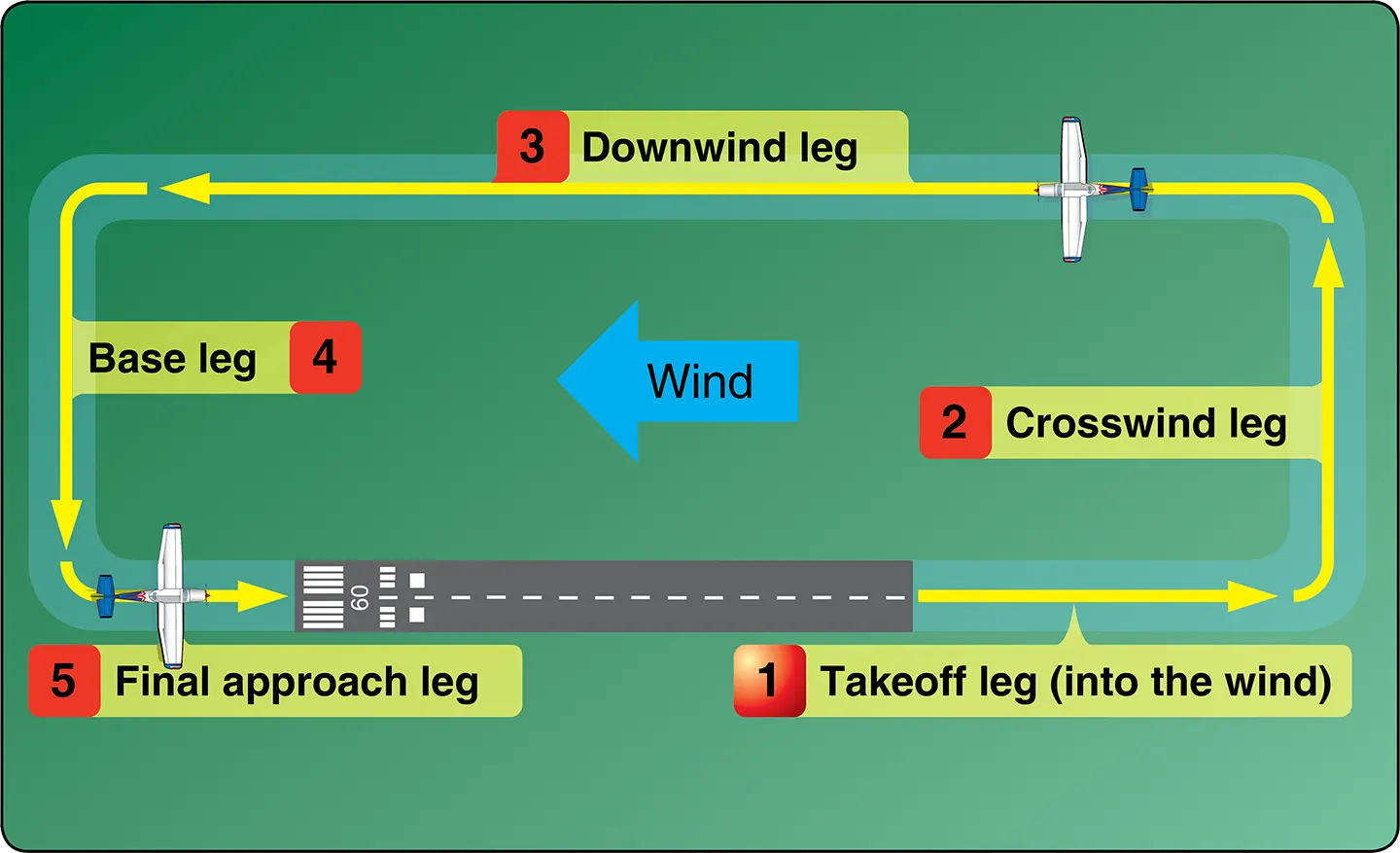
A traffic pattern promotes safety by establishing a common track to help pilots determine their landing order and provide common reference. A traffic pattern is also useful to control the flow of traffic, particularly at airports without operating control towers. It affords a measure of safety, separation, protection, and administrative control over arriving, departing, and … Read more

Helicopter Ground Reference Maneuvers

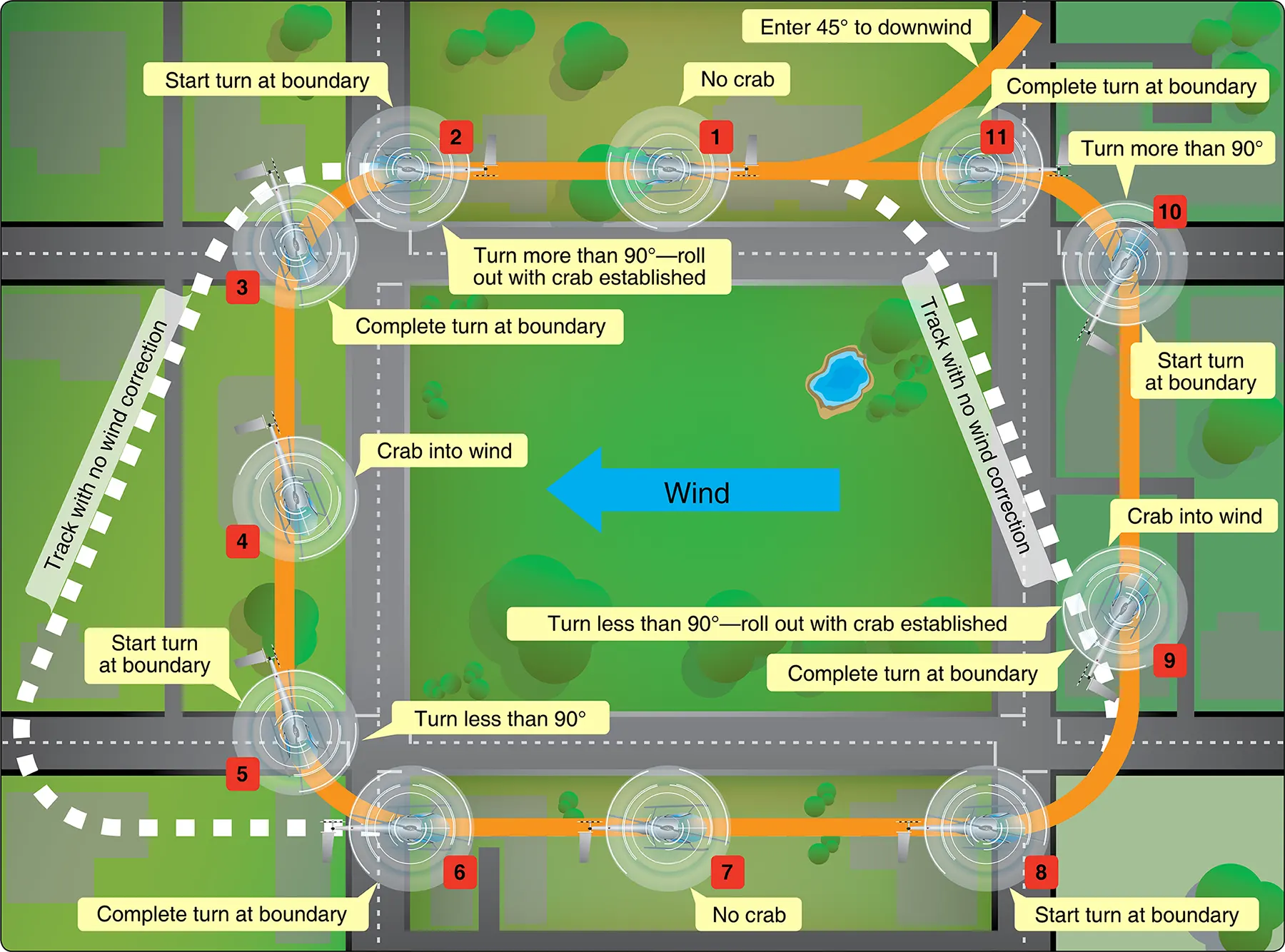
Ground reference maneuvers may be used as training exercises to help develop a division of attention between the flightpath and ground references, and while controlling the helicopter and watching for other aircraft in the vicinity. Other examples of ground reference maneuvers are flights for photographic or observation purposes, such as pipe line or power line … Read more

Crosswind Considerations During Helicopter Takeoff

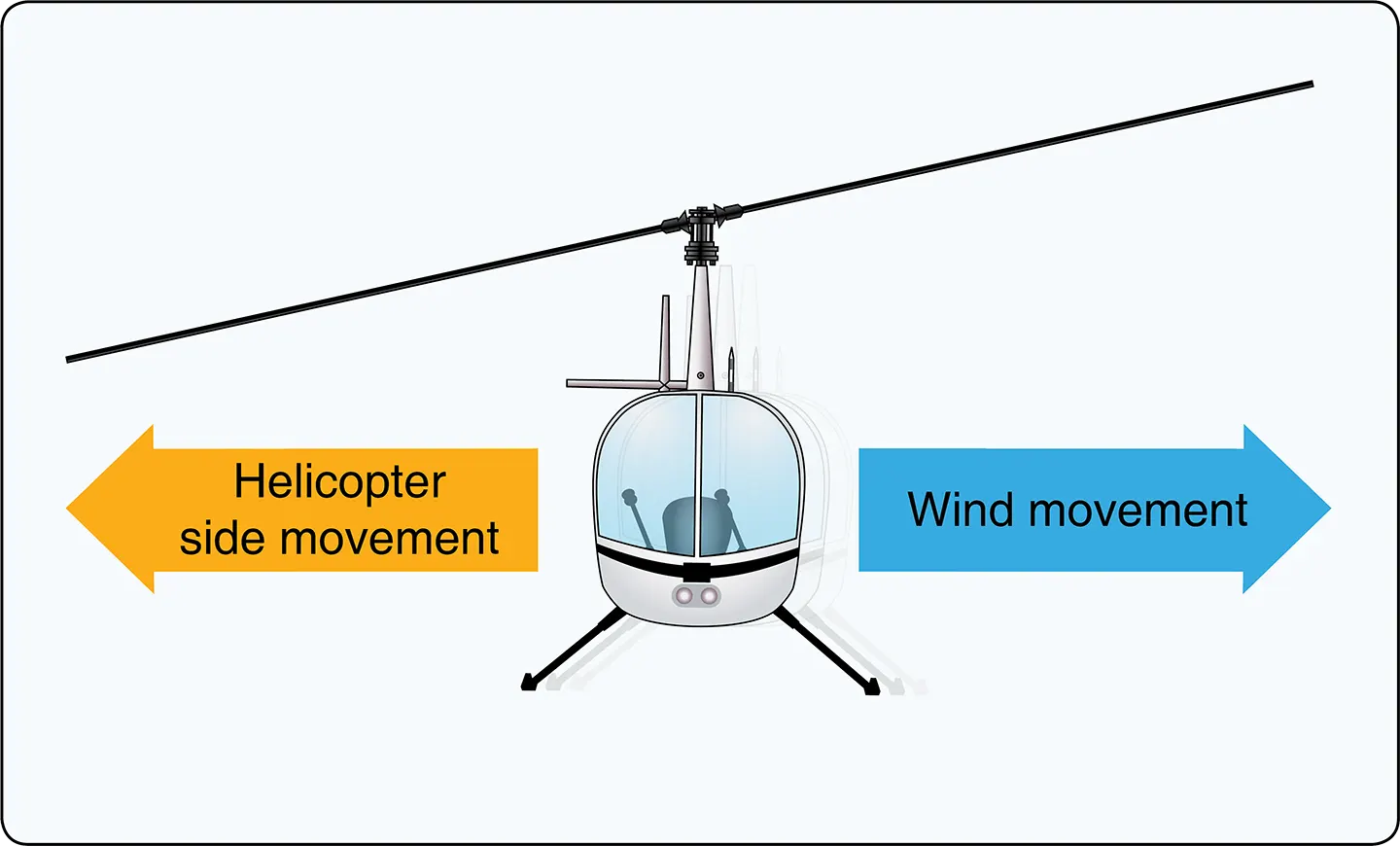
If the takeoff is made during crosswind conditions, the helicopter is flown in a slip during the early stages of the maneuver. [Figure 1] The cyclic is held into the wind a sufficient amount to maintain the desired ground track for the takeoff. The heading is maintained with the use of the antitorque pedals. In … Read more

Helicopter Normal Takeoffs From a Hover and Surface

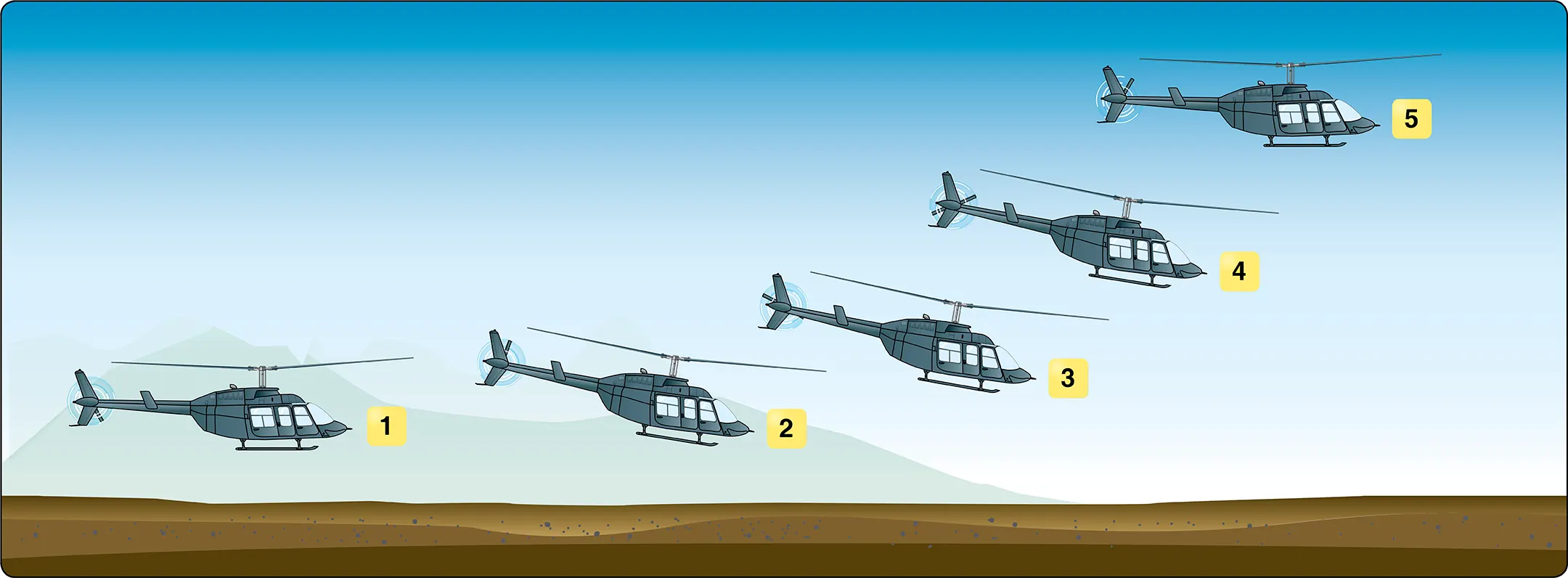
Normal Takeoff From a Hover A normal takeoff from a hover is an orderly transition to forward flight and is executed to increase altitude safely and expeditiously. Before initiating a takeoff, the pilot should ensure that the proper checklist has been completed and the helicopter systems are within normal limits. During the takeoff, fly a … Read more

Helicopter Taxiing

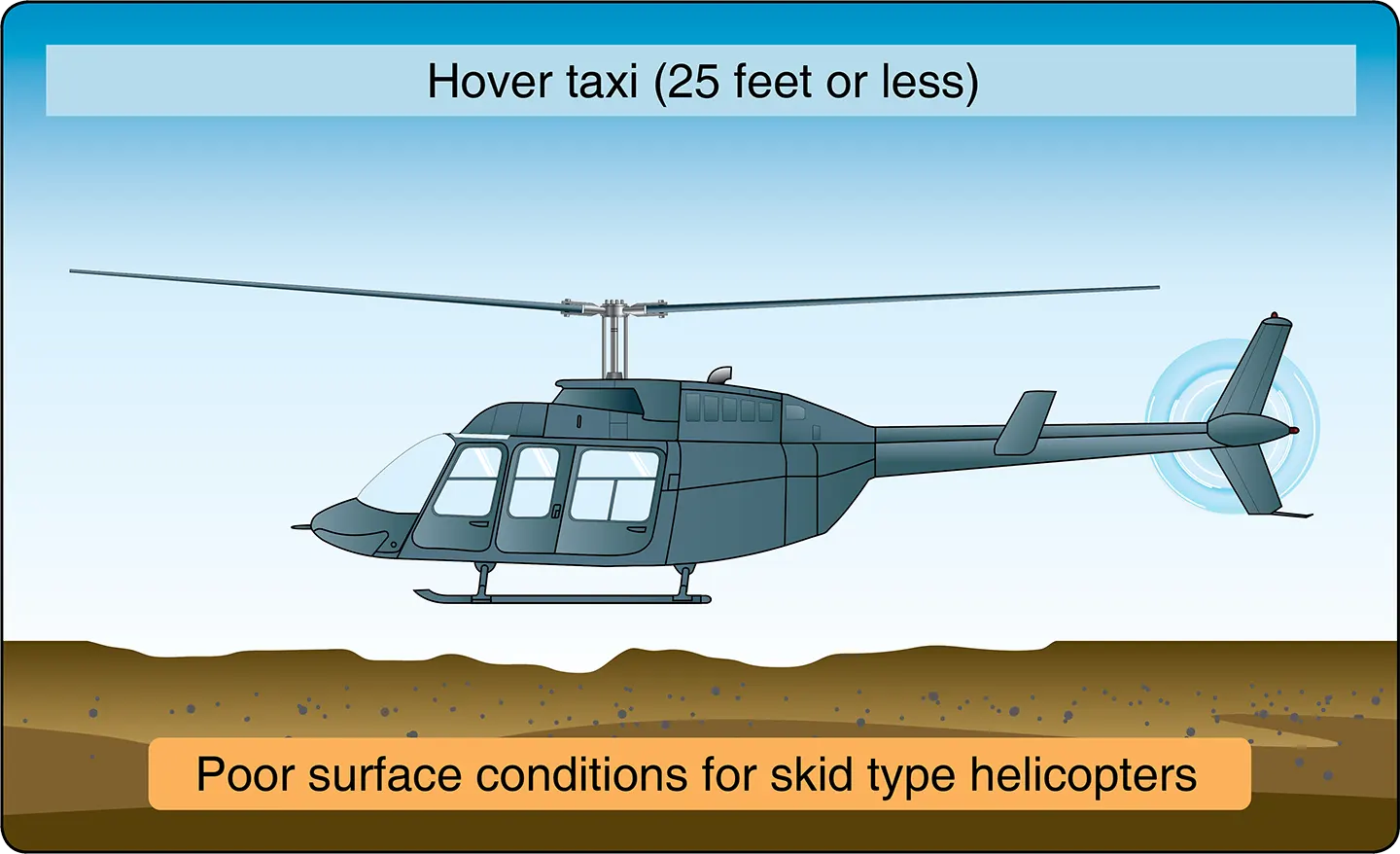
Taxiing refers to operations on or near the surface of taxiways or other prescribed routes. Helicopters utilize three different types of taxiing. Hover Taxi A hover taxi is used when operating below 25 feet above ground level (AGL). [Figure 1] Since hover taxi is just like forward, sideward, or rearward hovering flight, the technique to … Read more

Helicopter Hovering and Hovering Flight Maneuvers

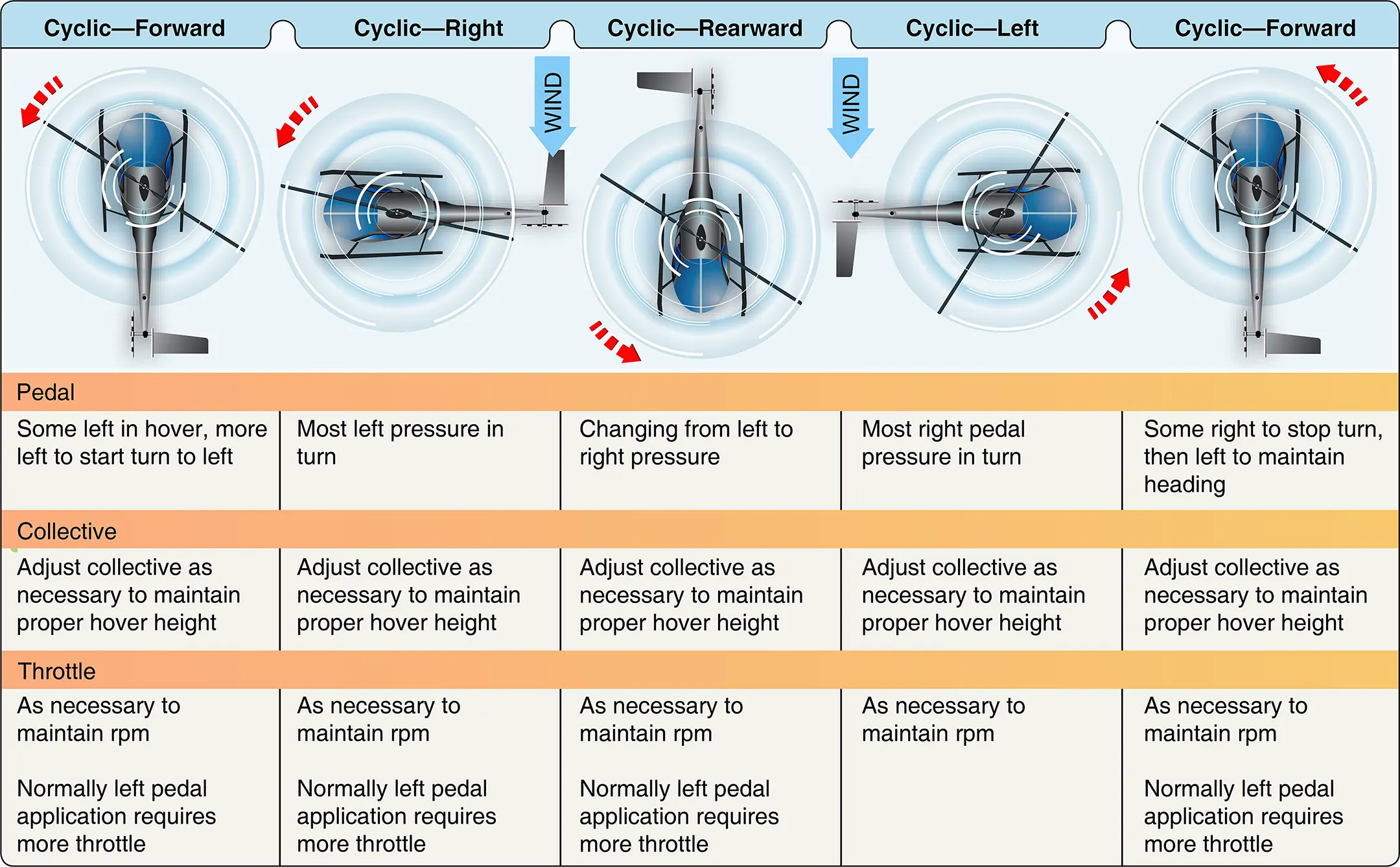
Hovering A stationary hover is a maneuver in which the helicopter is maintained in nearly motionless flight over a reference point at a constant altitude and on a constant heading. Technique To maintain a hover over a point, use sideview and peripheral vision to look for small changes in the helicopter’s attitude and altitude. When … Read more

Helicopter Vertical Takeoff to a Hover

A vertical takeoff to a hover involves flying the helicopter from the ground vertically to a skid height of two to three feet, while maintaining a constant heading. Once the desired skid height is achieved, the helicopter should remain nearly motionless over a reference point at a constant altitude and on a constant heading. The … Read more

Helicopter Normal Climb and Descent

Normal Climb The entry into a climb from a hover has already been described in the Normal Takeoff from a Hover subsection; therefore, this discussion is limited to a climb entry from cruising flight. Technique To enter a climb in a helicopter while maintaining airspeed, the first actions are increasing the collective and throttle, and … Read more

Helicopter Turns

A turn is a maneuver used to change the heading of the helicopter. The aerodynamics of a turn were previously discussed in Aerodynamics of Flight section. Technique Before beginning any turn, the area in the direction of the turn must be cleared not only at the helicopter’s altitude, but also above and below. To enter … Read more