Sources of Flight Training
The major sources of flight training in the United States include FAA-approved pilot schools and training centers, non-certificated (14 CFR part 61) flying schools, and independent flight instructors. FAA-approved schools are those flight schools certificated by the FAA as pilot schools under 14 CFR part 141. [Figure 1]
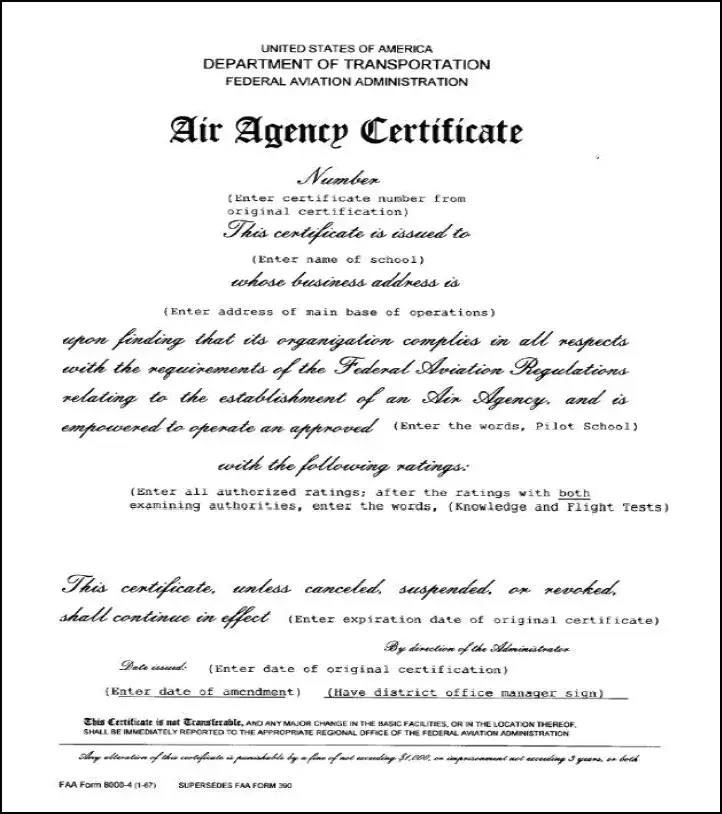
Renewal is contingent upon proof of continued high quality instruction and a minimum level of instructional activity. Training at an FAA-certificated pilot school is structured and because of this structured environment, the graduates of these pilot schools are allowed to meet the certification experience requirements of 14 CFR part 61 with less flight time. Many FAA-certificated pilot schools have DPEs on staff to administer FAA practical tests. Some schools have been granted examining authority by the FAA. A school with examining authority for a particular course(s) has the authority to recommend its graduates for pilot certificates or ratings without further testing by the FAA. A list of FAA-certificated pilot schools and their training courses can be found at https://av-info.faa.gov/pilotschool.asp.
FAA-approved training centers are certificated under 14 CFR part 142. Training centers, like certificated pilot schools, operate in a structured environment with approved courses and curricula and stringent standards for personnel, equipment, facilities, operating procedures, and record keeping. Training centers certificated under 14 CFR part 142, however, specialize in the use of flight simulation (full flight simulators and flight training devices) in their training courses.
There are a number of flying schools in the United States that are not certificated by the FAA. These schools operate under the provisions of 14 CFR part 61. Many of these non-certificated flying schools offer excellent training and meet or exceed the standards required of FAA-approved pilot schools. Flight instructors employed by non-certificated flying schools, as well as independent flight instructors, meet the same basic 14 CFR part 61 flight instructor requirements for certification and renewal as those flight instructors employed by FAA-certificated pilot schools. In the end, any training program is dependent upon the quality of the ground and flight instruction a learner receives.
Airman Certification Standards (ACS) and Practical Test Standards (PTS)
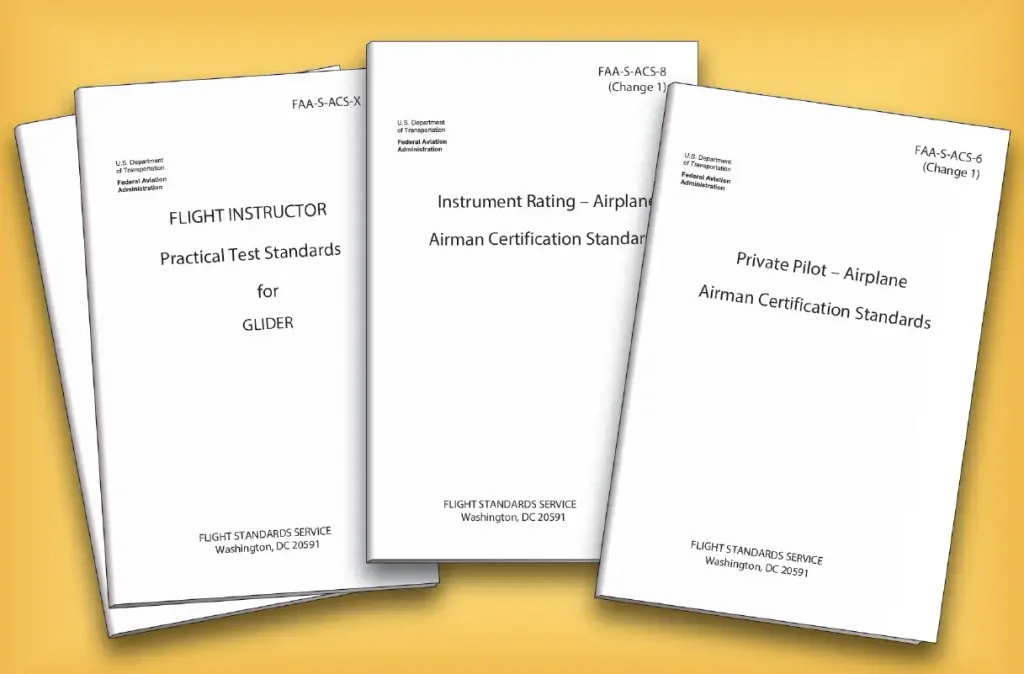
Practical tests for FAA pilot certificates and associated ratings are administered by FAA inspectors and DPEs using FAA Airman Certification Standards (ACS) and Practical Test Standards (PTS), which contain structured areas of operation, tasks, and standards. [Figure 2] 14 CFR part 61, section 61.43 specifies that the practical test consists of the tasks specified in the areas of operation for the airman certificate or rating sought. To pass the test, the applicant demonstrates mastery of the aircraft performing each task successfully, proficiency and competency within the approved standards, and sound judgment.